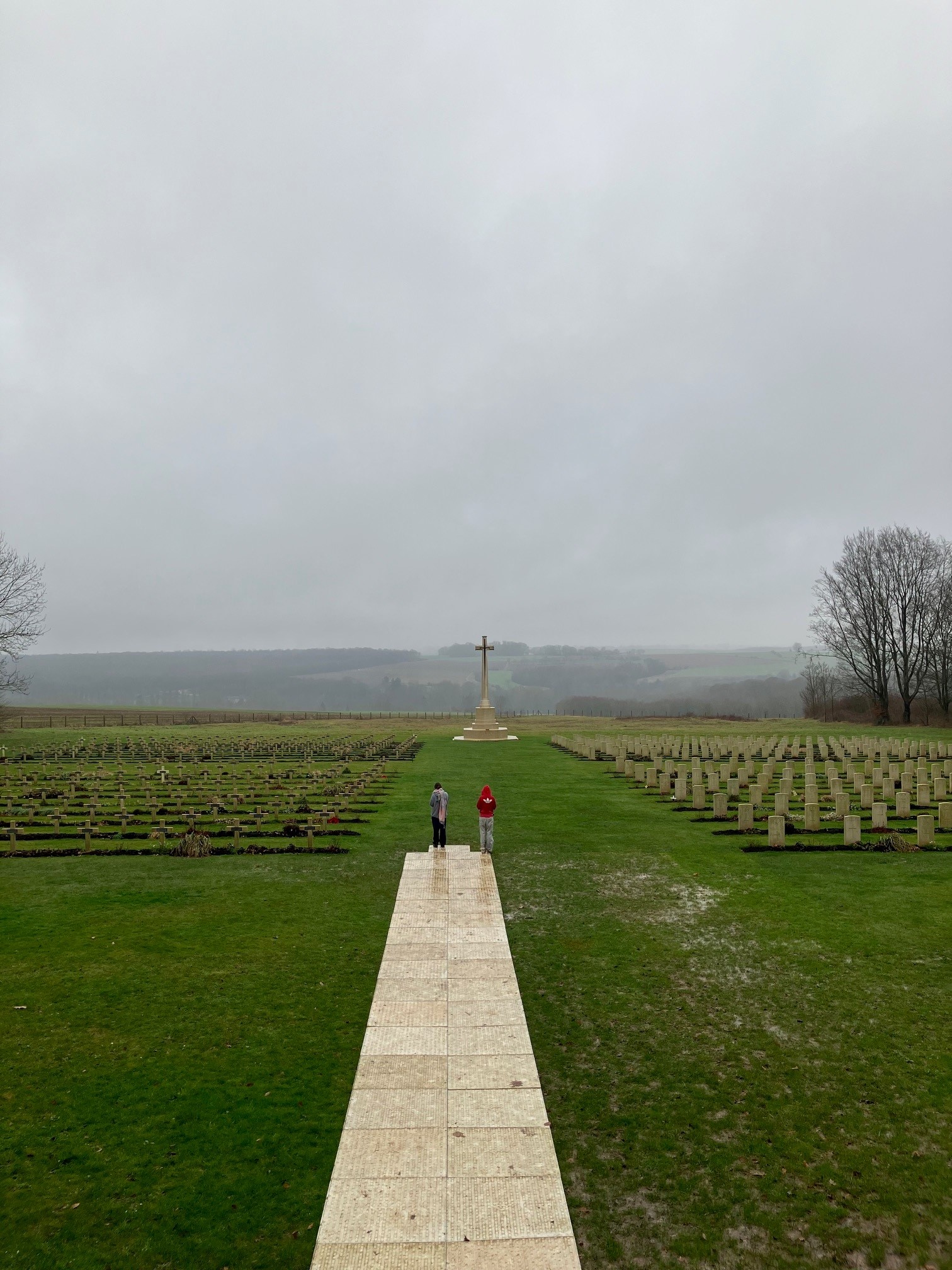
This week, Block 3 students have been Belgium and France to visit the historic battlefields which are a stark reminder of the impact of war, as the resting place for hundreds of thousands of servicemen who were killed in combat in World War I. Having focused on the war, anthroposphere, conflict and ethics in their humanities subjects this term, the trip gave students an opportunity to reflect on the historical, cultural and ethical aspects of their studies.
On the first day, students visited Essex Farm, which famously moved John McCrae to write the poem In Flanders Fields while stationed there in 1915. They also visited Tyne Cot, the largest Commonwealth war cemetery in the world in terms of burials, and Langemark, where nearly 24,917 German servicemen are buried. Ending the day at Menin Gate, which bears the names of over 54,000 servicemen whose graves are not known, Felix Albizua and Alice Rawlence laid a remembrance wreath on behalf of Bedales.
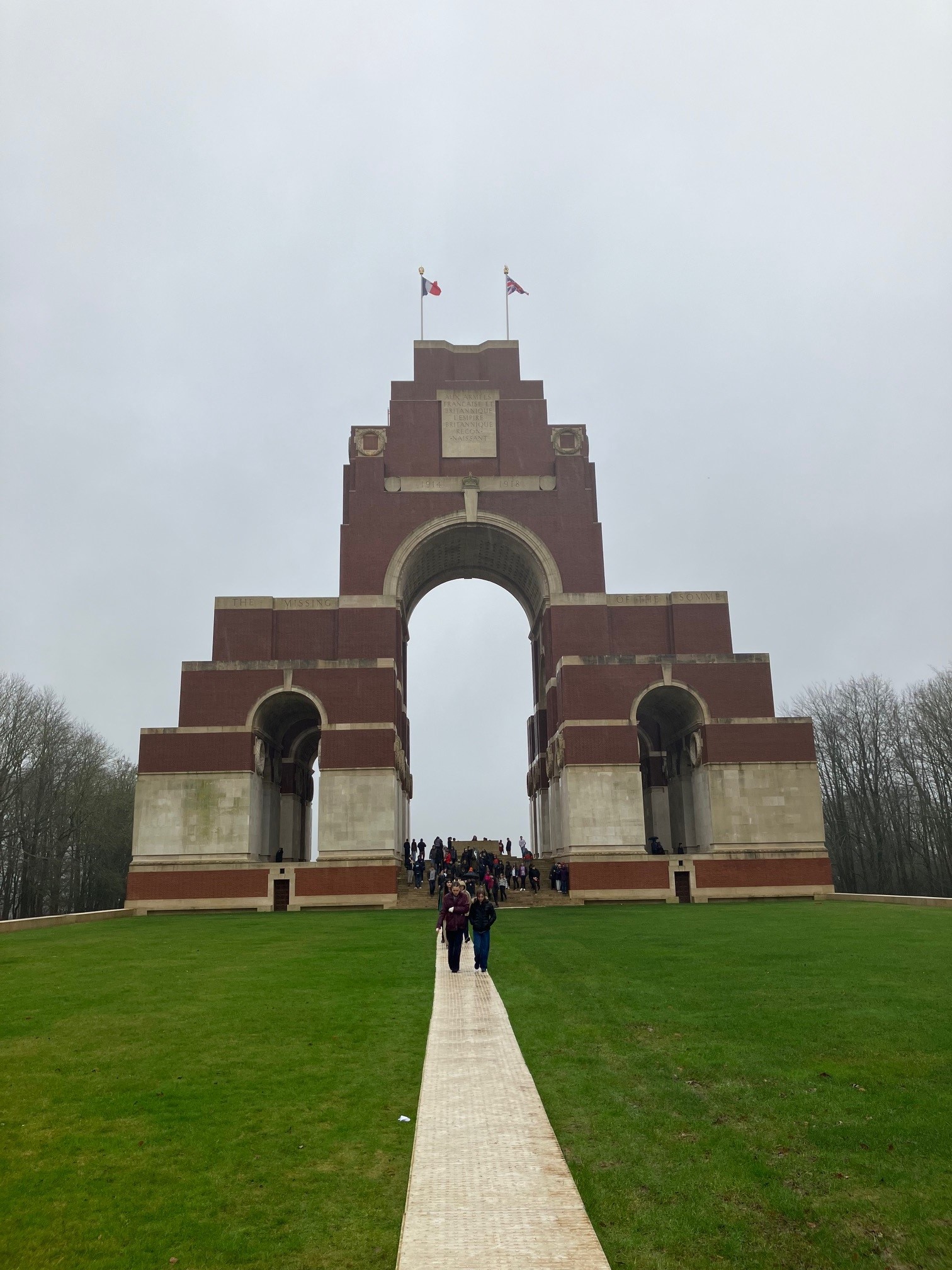
The following day, students visited Vimy Ridge, where the four divisions of the Canadian Corps fought side by side in the Battle of Arras in 1917, and the 36,000 Canadian servicemen who lost their lives in World War I are commemorated. They then visited the Somme, taking in Beaumont Hamel, Newfoundland Park, the Thiepval Monument and Lochnagar Crater. The Battle of the Somme was one of the largest and bloodiest battles of the war, with over 57,000 casualties on the first day, and over 150,000 British troops buried in the battlefields. The Thiepval Monument bears the name of over 72,000 servicemen of the United Kingdom and South African forces who died in the Somme before March 1918 and have no known grave.
After a cold and damp day which concluded the trip, we made an eagerly awaited stop at a chocolate shop, conscious that the weather, fatigue and discomfort was a mere fraction of that experienced by those who fought on the battlefields over 100 years ago.
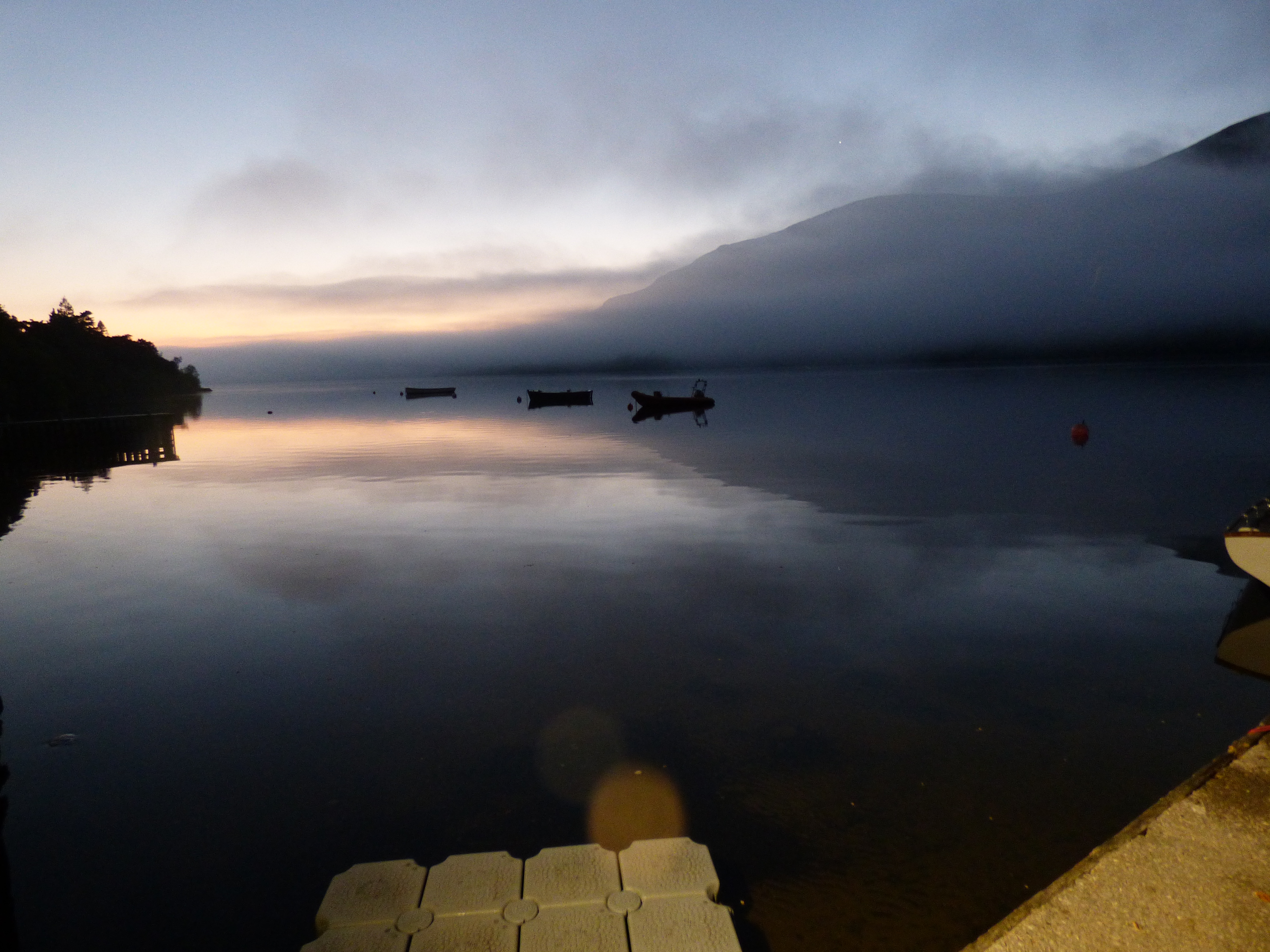
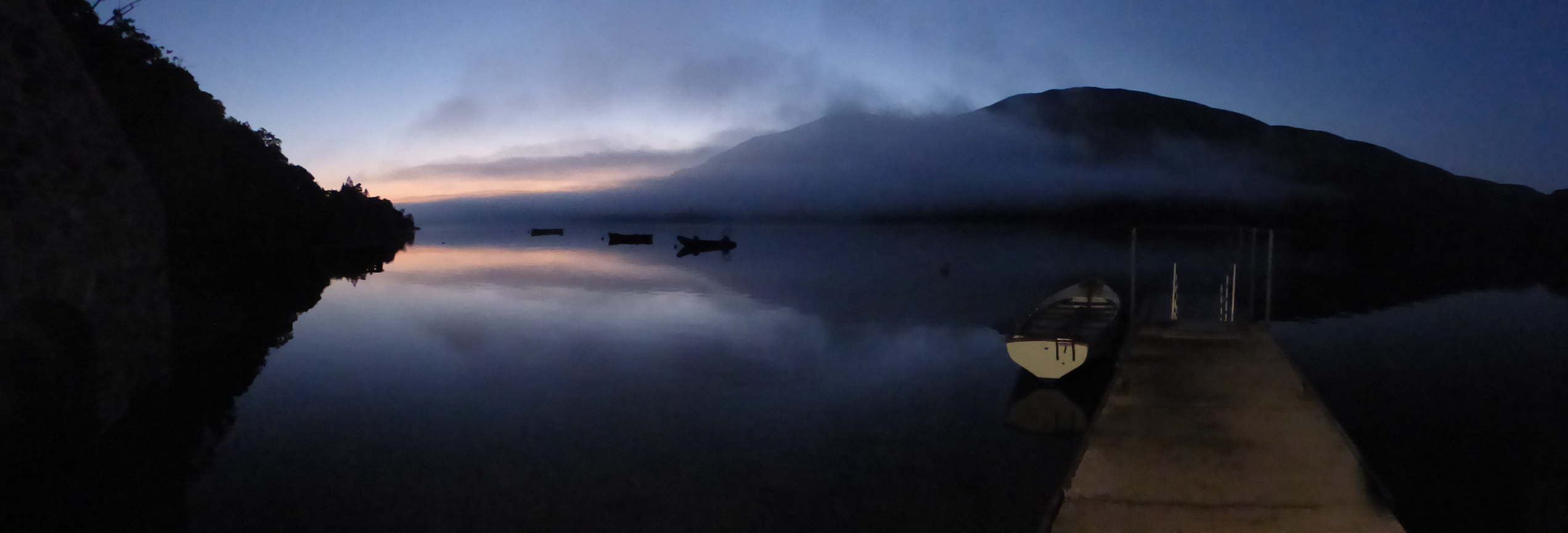
Coming to the end of this first week back at school, Ullswater seems not only a long way away but also a long time ago. However, while it is still relatively fresh in the collective memory (and before I sound too much like the opening of a space opera), I wanted to pause to reflect upon what has been achieved by Block 3 as a year group already this year.
Knowing everything they need to know for their return to school in a day was always going to be a stretch, but getting familiar with the school systems, our expectations, additional offerings, subject areas (if not individual classrooms) and the school grounds was a good start.
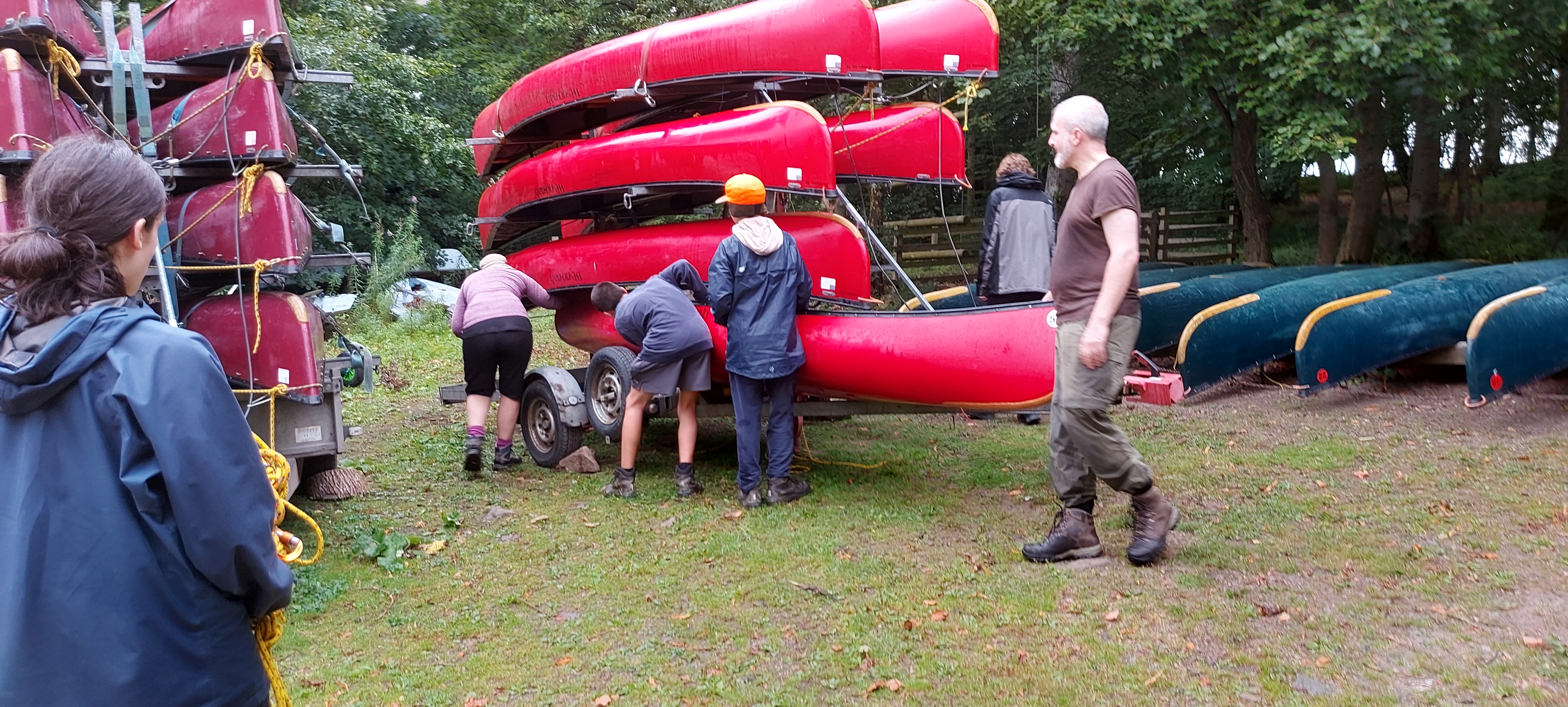
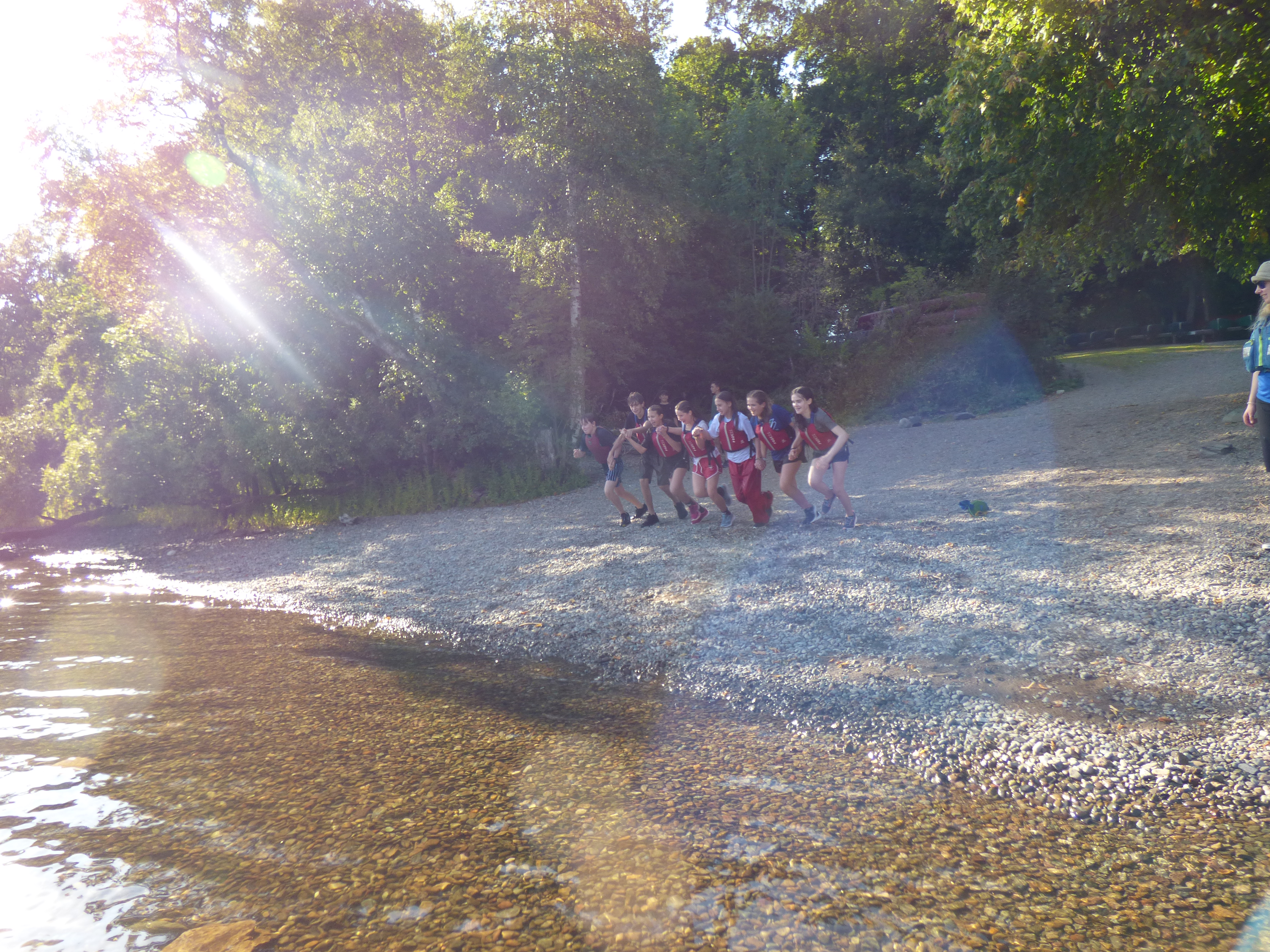
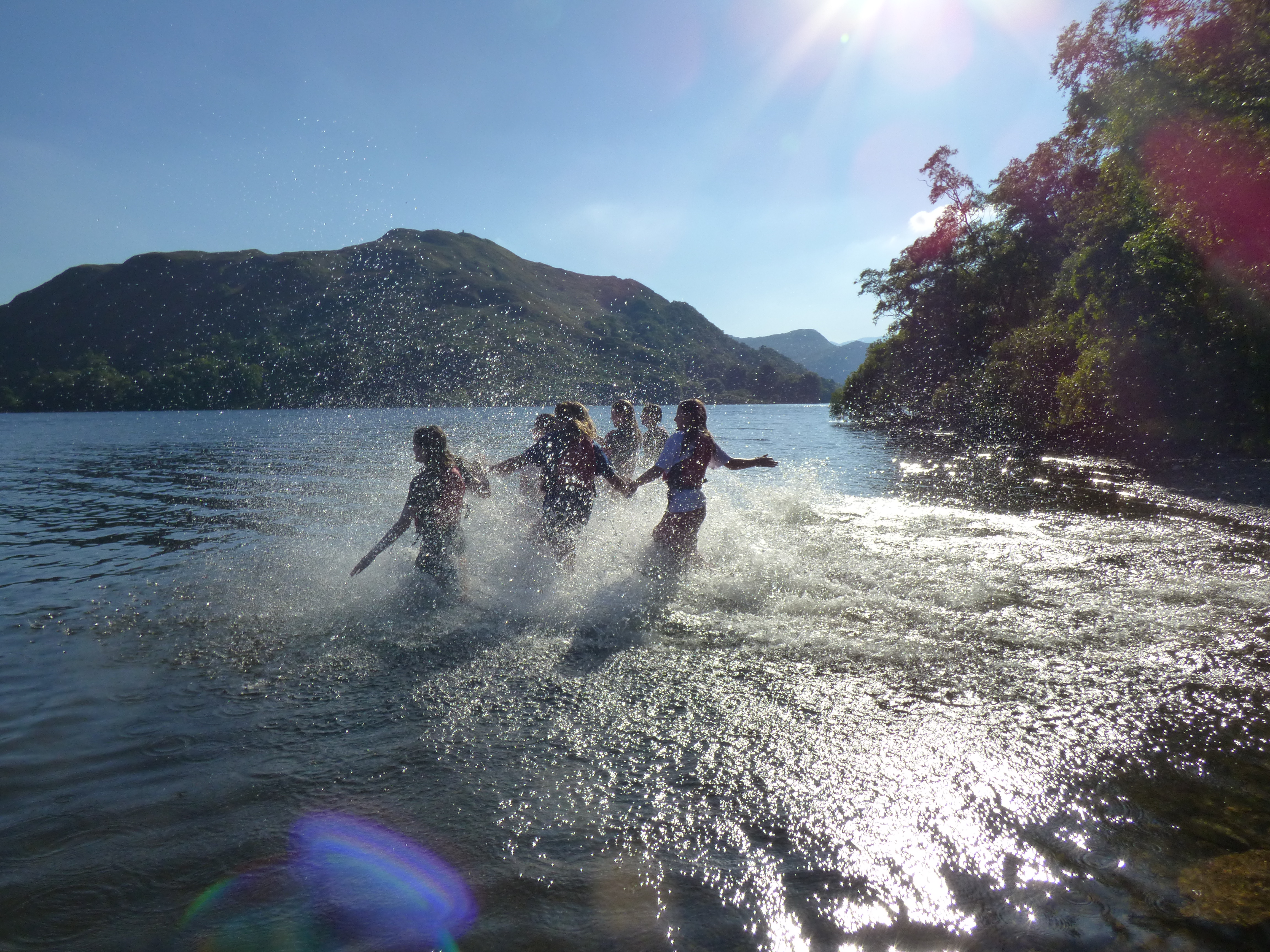
Then taking them away from all of this and placing them out of their comfort zone in the Lake District to do something they may not ordinarily do was a true test of character, which they passed with flying colours. There were some ambitious expeditions undertaken (one including a keen headteacher) and some mini adventures enjoyed. I certainly felt like I was part of a familiar fellowship when I joined a group for a gorge walk which culminated in a cliff jump. The whole group ended up doing this, much to my pride and joy.
Here, Block 3 student Maya reflects on the trip.
By Maya Tazi, Block 3
Ullswater was rich in life lessons, sometimes learned the hard way! Some moments were very fun, like the gorge scrambling, with its rushing current and beautiful views, or cliff jumping, which required the courage to jump in what felt like a frozen lake. Other parts were more challenging, like the dorm life, compromise with my roommates and organising turns to shower.
A big part of it was about teamwork; as a tutor group, we had to learn to work together as a team by learning coordination while rowing for hours, or working towards the same goals when hiking up a mountain or setting up camp for the night. Secrets were shared, laughs exchanged, tired groans echoed and friendships formed. Thank you to everyone who made the trip possible.
Many congratulations to the new Head Student team: Dylan Hui, Abi O’Donoghue, Jamie Thorogood and Lilibet Viner.
After last Wednesday’s hustings, the student body were given their say on who should form next year’s Head Student team. The new Head Student team were announced on Monday when, in keeping with tradition, the four students were revealed in a ‘shush’ at the start of assembly.
Jamie commented: “I’m so excited to be going into 6.2 as a Head Student, though it’s a bit of a shock I’m old enough to be 6.2 at all! It’s such a privilege to be part of the Head Student team and I’m absolutely thrilled. I can’t wait to see what this year has in store.”
Thank you to the outgoing Head Students – Kam Clayton-Nelson, Kipp Bryan, Bella Cutts and Nate Shuster – for their hard work and commitment this year. Both the incoming and outgoing Head Student teams enjoyed supper with Will on Wednesday evening.
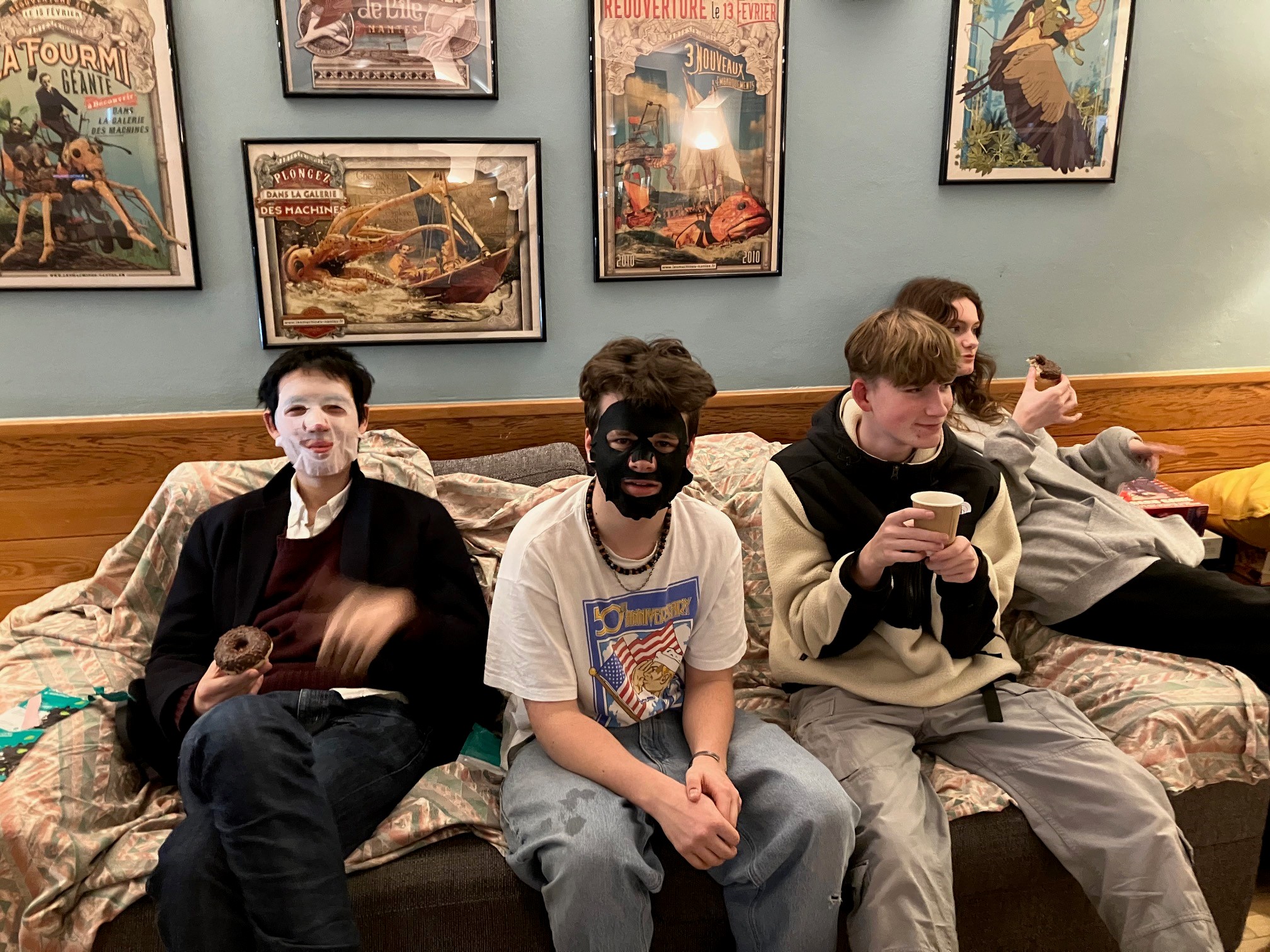
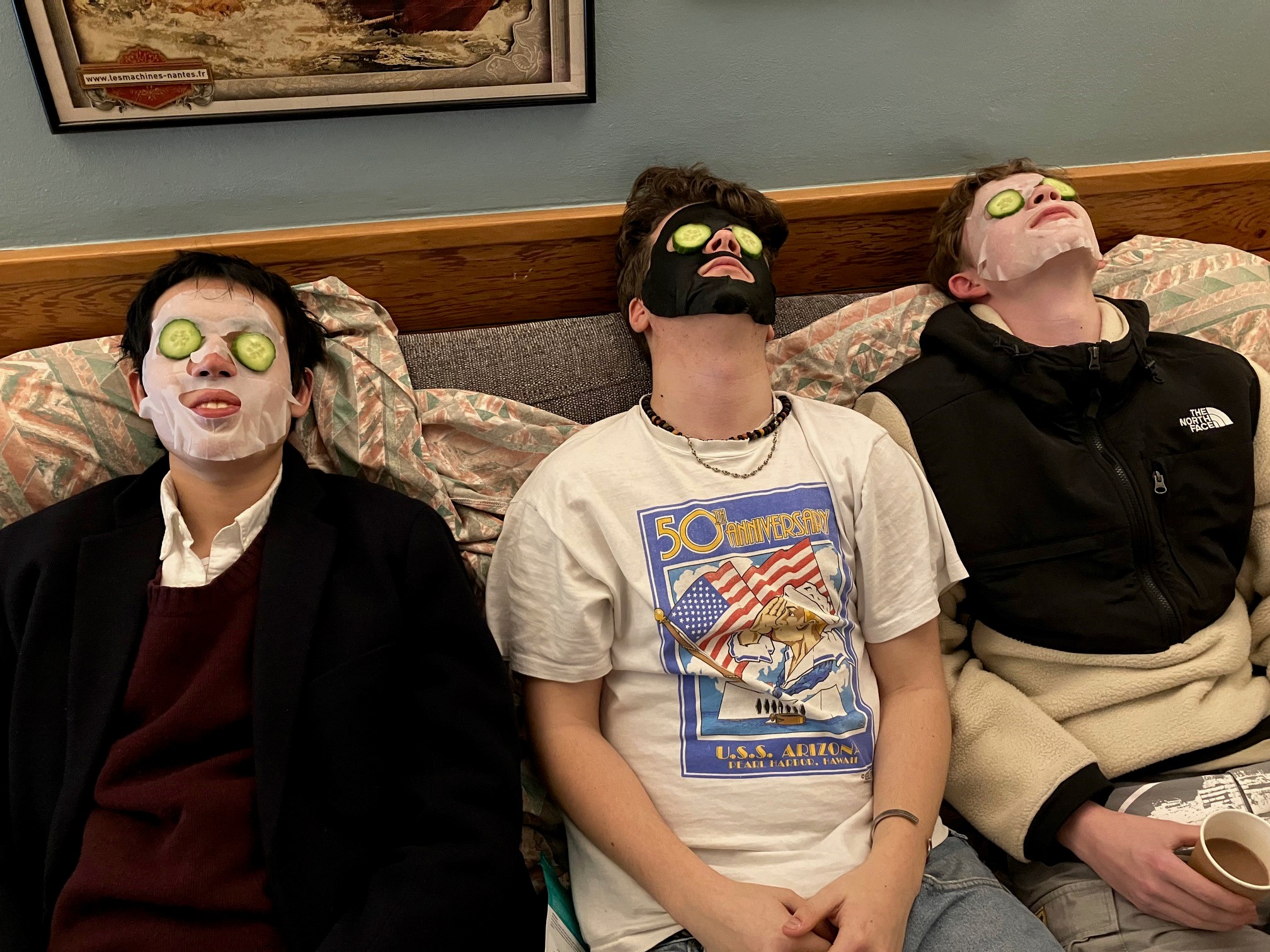
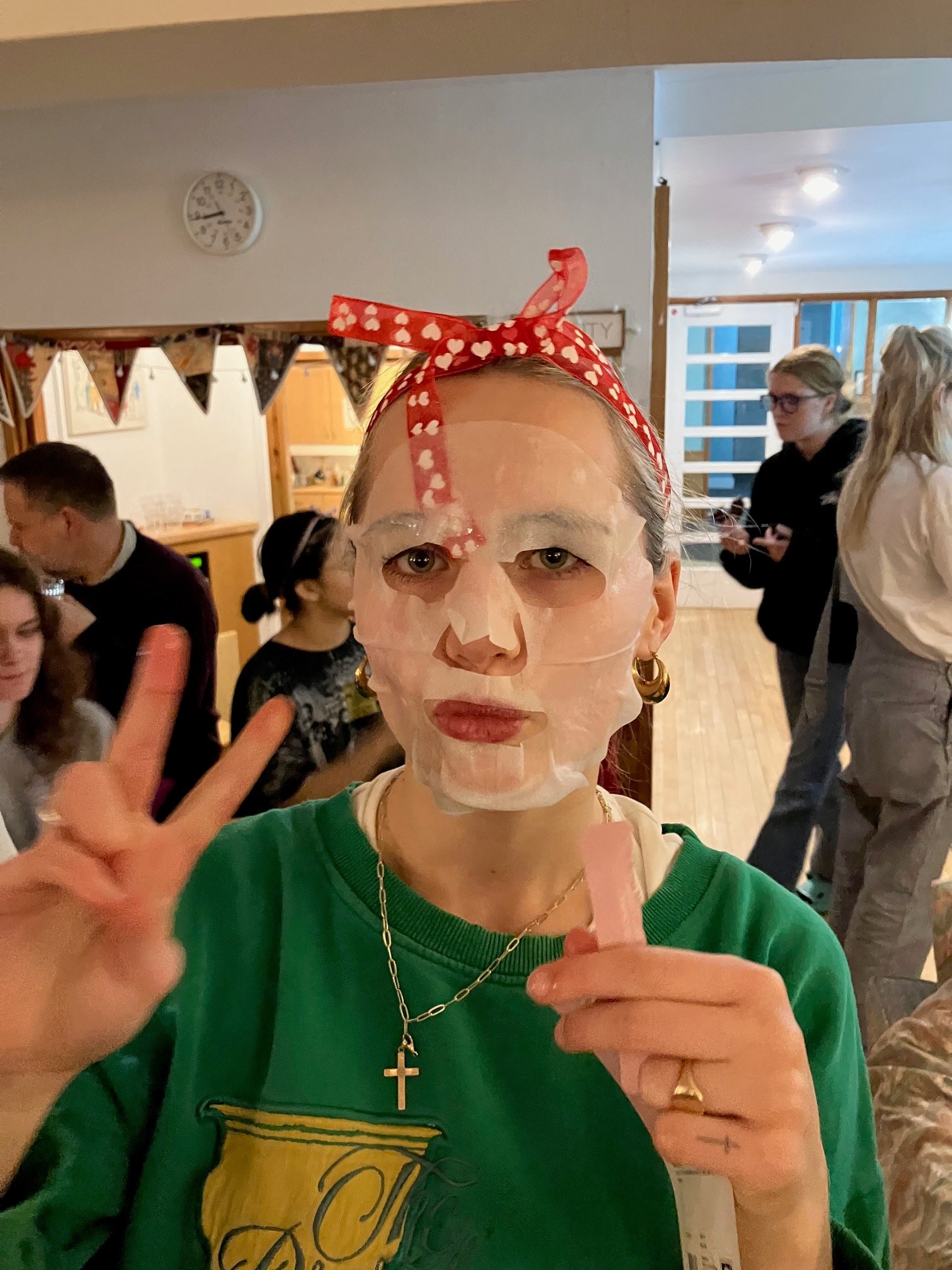
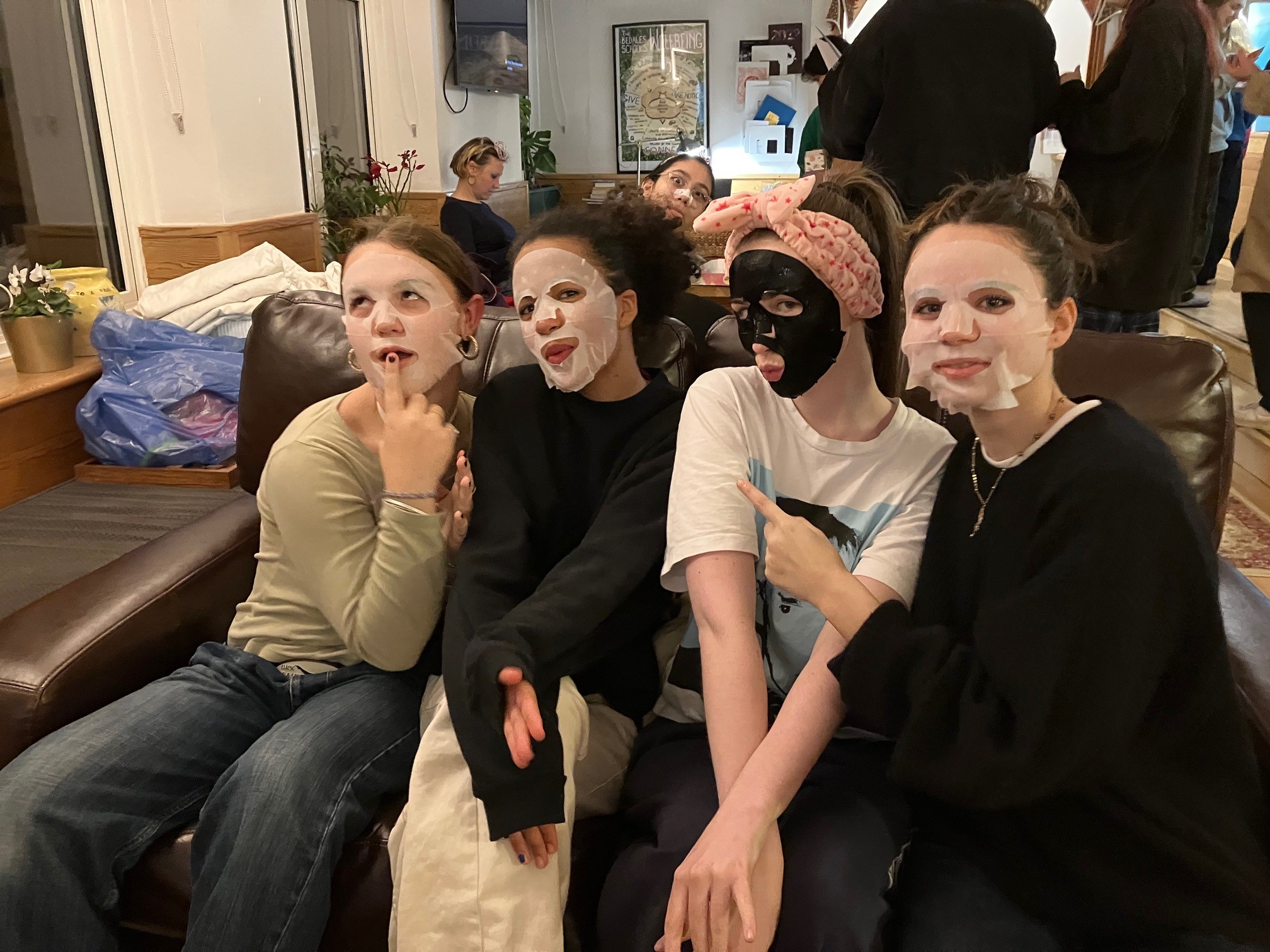
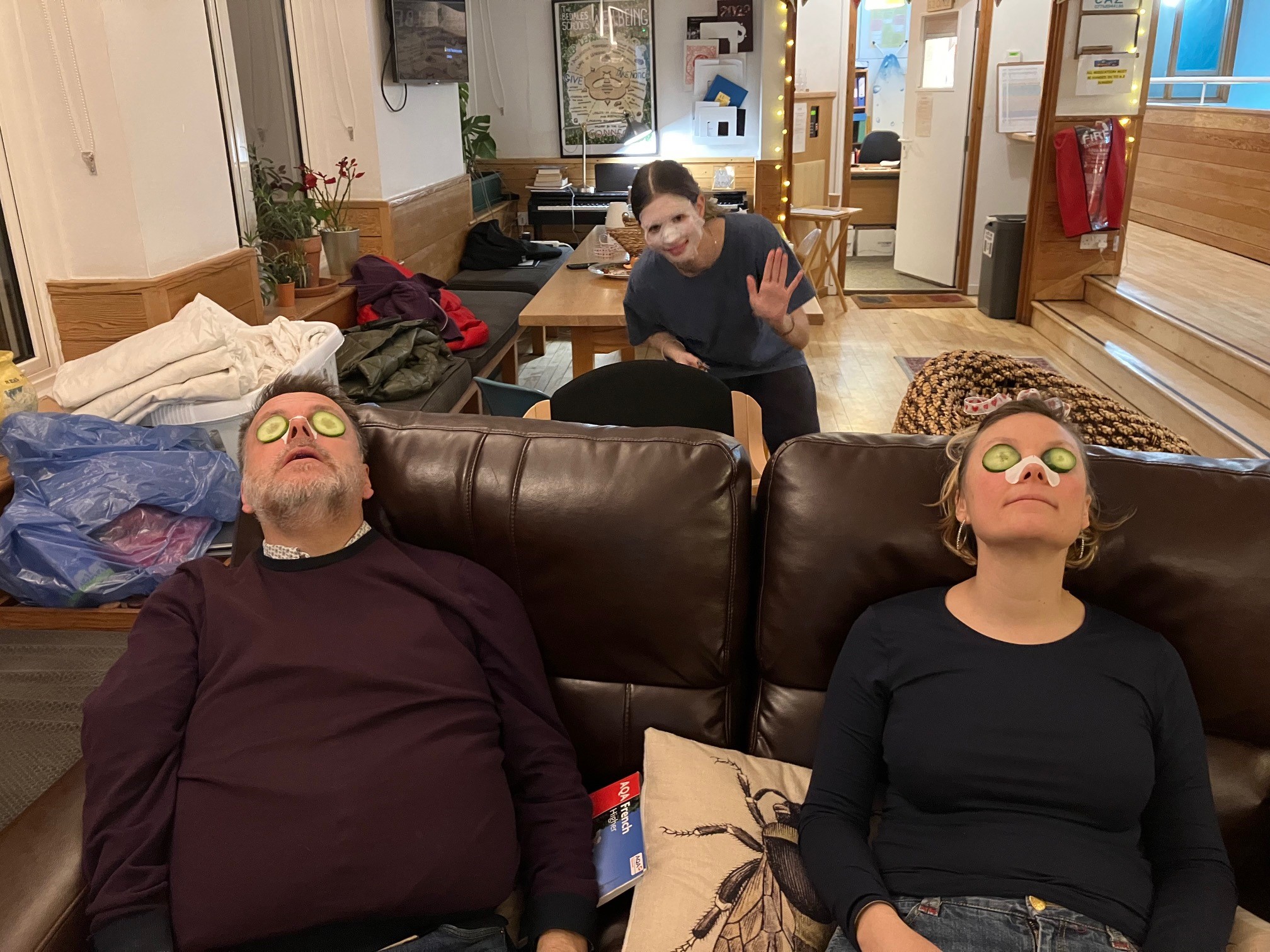
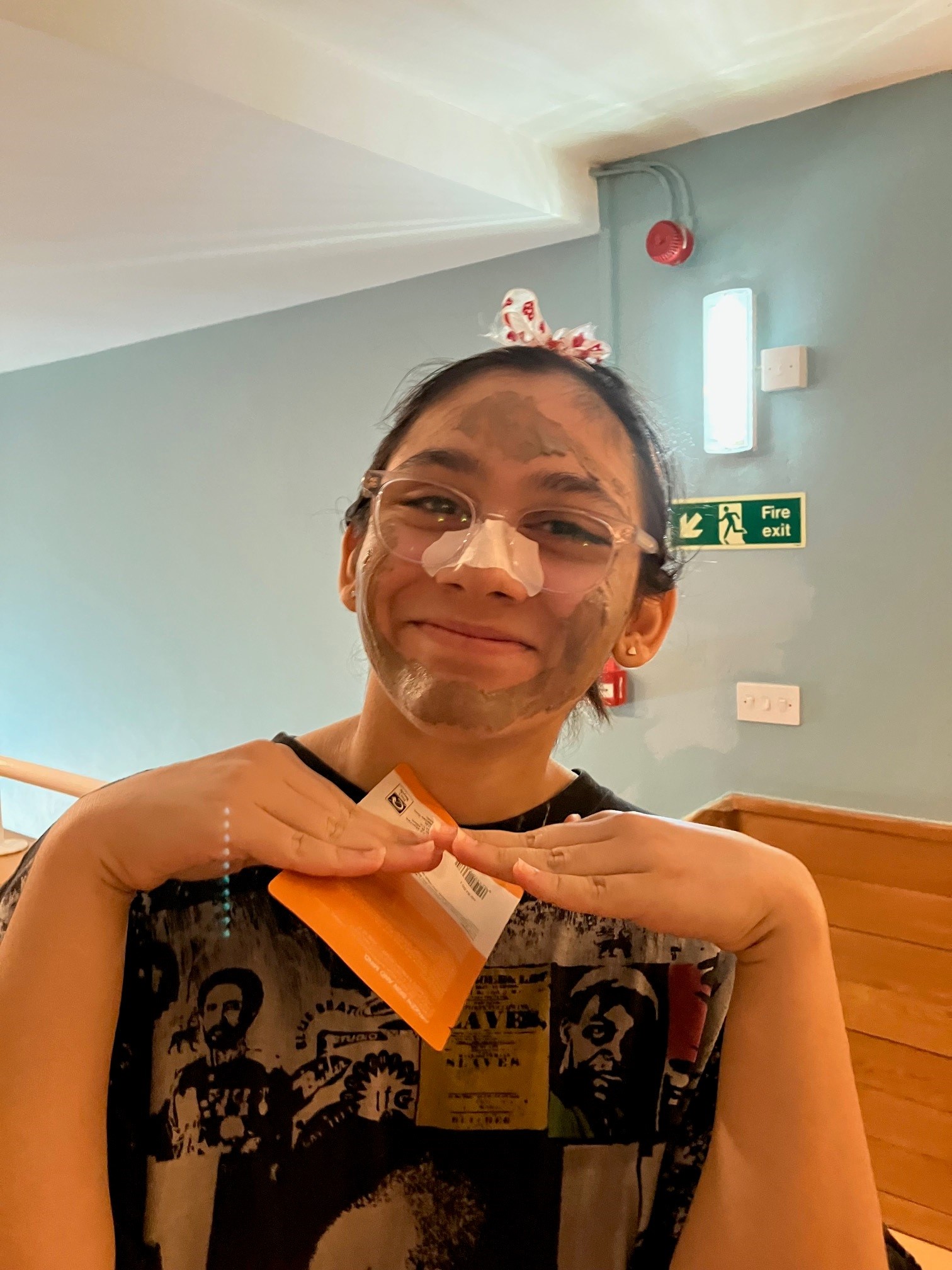
To mark the end of mocks, we organised a somewhat alternative sensory event on Tuesday night on 6.2 Flat. For about 45 minutes the welcome area was teeming with students choosing face masks, applying tea-tree nose strips and placing cucumbers on their eyes. Downstairs in the mixed kitchen we served hot chocolate and multicoloured donuts. Jazz music played, fairy lights twinkled and there was an impressive take up from boys!
A huge thank you to Rio, Jamila, Nesta and Arlo who helped apply face masks and gave advice and encouragement. Also to Jayne Rundell who ordered all the products we needed in advance and had the foresight to buy ribbon so people could tie their hair back. Next time we will make sure we have worked out how to use the diffuser so we can enrich the sense of smell as well as touch, taste and sound.
On Monday 12 December, the Bedales community will once again go to the polls to have their say in the latest Block 3 Projects referendum. This term, the issue on the (digital) ballot paper is climate change, with voters being asked the question: Should the UK government make a legally-binding commitment to reduce greenhouse emissions to net-zero by 2032?
Representatives from both campaigns will be pitching to the voters at whole school assembly in the Quad at 5.30pm on Monday. Voting will open immediately afterwards, from 6pm on Monday and will remain open until 2pm on Tuesday 13 December.
Taking place exactly three years to the day since the last UK General Election, the vote comes at a particularly important and relevant time – both domestically and globally – in the context of this debate. Just this week, the UK government approved plans for the UK’s first new coal mine for 30 years. Internationally, last month saw the much-hyped COP27 summit take place in Egypt, with governments from across the world keen to show they are making progress on tackling Climate Change; however, COP27 convened against the backdrop of a new global poll that found that concern about climate change is actually shrinking, with fewer than half of those questioned believing it poses a ‘very serious threat’. Here in the UK, however, voters seem to want more action on the environment from their government, with 63% of those surveyed in November saying that the government is not doing enough to tackle climate change.
Our two campaign teams have been working hard – allocating campaign jobs, researching their arguments, and planning their strategy to win over the voters. We challenged representatives from each campaign to put forward their argument to the Saturday Bulletin readers in less than 300 words!
The ‘No to 32’ campaign By Flora Meyrick, Block 3
The ‘No to 32’ campaign believes that the date specified in the referendum question itself is too restrictive.
Given that much of our economy relies heavily on non-electric vehicles and carbon exports, if we truly wish to become net-zero we should set a more realistic date that is actually achievable, such as 2050, rather than setting – and missing – yet another deadline that we cannot possibly hope to reach.
The UK government has already made a legal commitment to bring all greenhouse gas emissions to net zero by 2050. Our priority should be ensuring that this existing target is actually met, rather than setting a new one that will not be.
If we wish to succeed in finding a way to reach net-zero, we also need to find better alternatives to provide energy for our nation. For many, the answer is nuclear; however, nuclear radiation can cause lung cancer as people may inhale radiation particles. We believe that the future lies in hydropower.
Hydropower is the cheapest form of renewable energy, and the most obvious choice for an island nation. The government should invest heavily in making progress in this area in order to reach its 2050 target.
Clearly, 2032 – now just a decade away – is too soon to get our country to net-zero in any kind of practical or affordable way. However, finding a renewable source to slowly make the switch from carbon to hydropower by 2050 is the sensible, affordable and achievable route to making the UK net-zero.
Vote ‘No to 32’ to help our country.
The ‘Zero Now’ campaign By Emily Cullen and Lily Maughan, Block 3
The ‘Zero-Now’ campaign believes that unless we start reducing greenhouse emissions immediately, then climate change – with all its damaging effects – will be irreversible. The UK government should make a legally-binding commitment to become a net-zero nation by 2032. The earlier we start, the more time we have left.
10 years may seem too soon, but the UK needs to set an example. It was the first country in the world to create a legally-binding national commitment to cut greenhouse gas emissions via the Climate Change Act of 2008. This gives us a powerful voice and influence with the rest of the world. A reduction in greenhouse gases simply must happen very soon, and a legally-binding agreement commits both government and businesses to this aim, which makes progress much more likely.
Some key policies to reach this target include:
Funding more electric vehicle charging stations, and converting them to be sustainably powered (e.g. solar panelled)
Identifying, prioritising and adapting government investments in infrastructure and innovating technology to address climate change risks effectively
Assist businesses and large emitters in transitioning to being carbon neutral
Financial incentives for improved water and wastewater management
Construction of new sustainable power stations around the UK, made by carbon neutral companies
These are some of the many ways we can reach net-zero by 2032. Achieving net-zero urgently is vital, as it’s the best way we can tackle climate change and reduce global warming. What we do in the next decade to limit emissions will be critical to our future, and currently our target of 2050 is too far off. If we want future generations to thrive then we must act now.















 Bedales School Blog
You must be logged in to post a comment.