Poignant and insightful trip to WWI battlefields

By Clive Burch, Head of Block 3

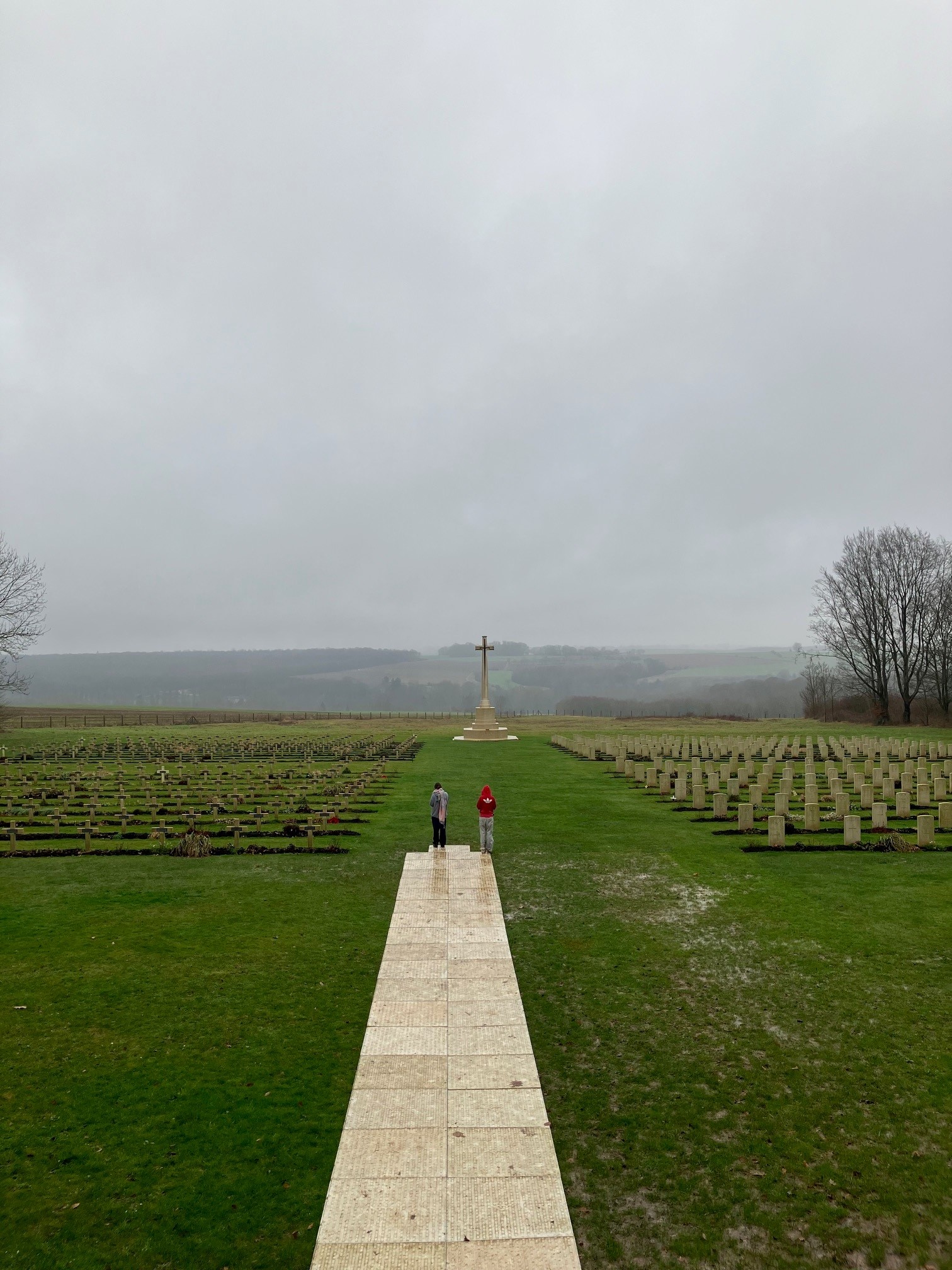
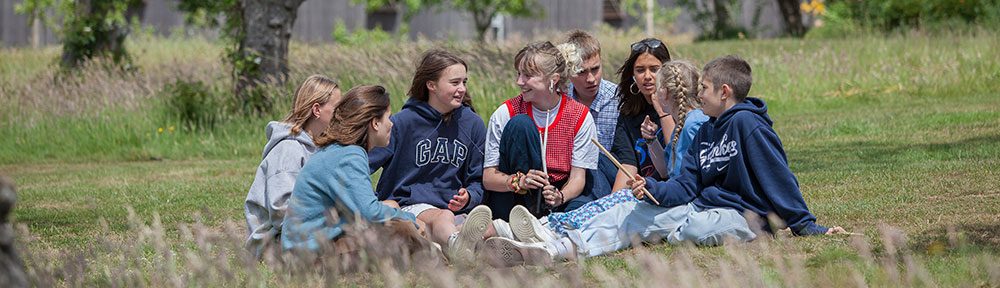
This week, Block 3 students have been Belgium and France to visit the historic battlefields which are a stark reminder of the impact of war, as the resting place for hundreds of thousands of servicemen who were killed in combat in World War I. Having focused on the war, anthroposphere, conflict and ethics in their humanities subjects this term, the trip gave students an opportunity to reflect on the historical, cultural and ethical aspects of their studies. 

On the first day, students visited Essex Farm, which famously moved John McCrae to write the poem In Flanders Fields while stationed there in 1915. They also visited Tyne Cot, the largest Commonwealth war cemetery in the world in terms of burials, and Langemark, where nearly 24,917 German servicemen are buried. Ending the day at Menin Gate, which bears the names of over 54,000 servicemen whose graves are not known, Felix Albizua and Alice Rawlence laid a remembrance wreath on behalf of Bedales.

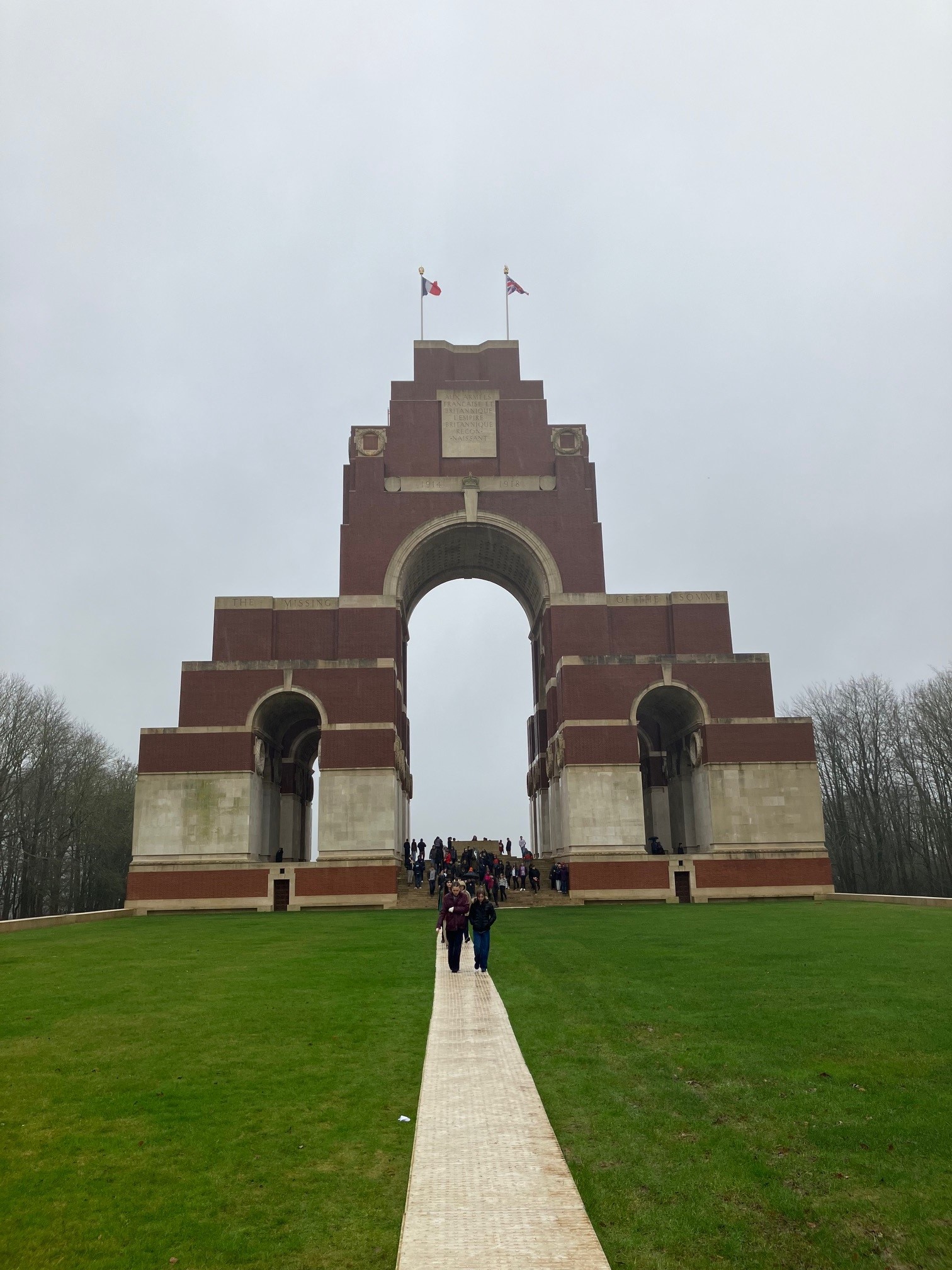
The following day, students visited Vimy Ridge, where the four divisions of the Canadian Corps fought side by side in the Battle of Arras in 1917, and the 36,000 Canadian servicemen who lost their lives in World War I are commemorated. They then visited the Somme, taking in Beaumont Hamel, Newfoundland Park, the Thiepval Monument and Lochnagar Crater. The Battle of the Somme was one of the largest and bloodiest battles of the war, with over 57,000 casualties on the first day, and over 150,000 British troops buried in the battlefields. The Thiepval Monument bears the name of over 72,000 servicemen of the United Kingdom and South African forces who died in the Somme before March 1918 and have no known grave.

After a cold and damp day which concluded the trip, we made an eagerly awaited stop at a chocolate shop, conscious that the weather, fatigue and discomfort was a mere fraction of that experienced by those who fought on the battlefields over 100 years ago. 

See more photos from the trip below.

Remembering the fallen in Buriton

By Andy Cheese, Teacher of Art

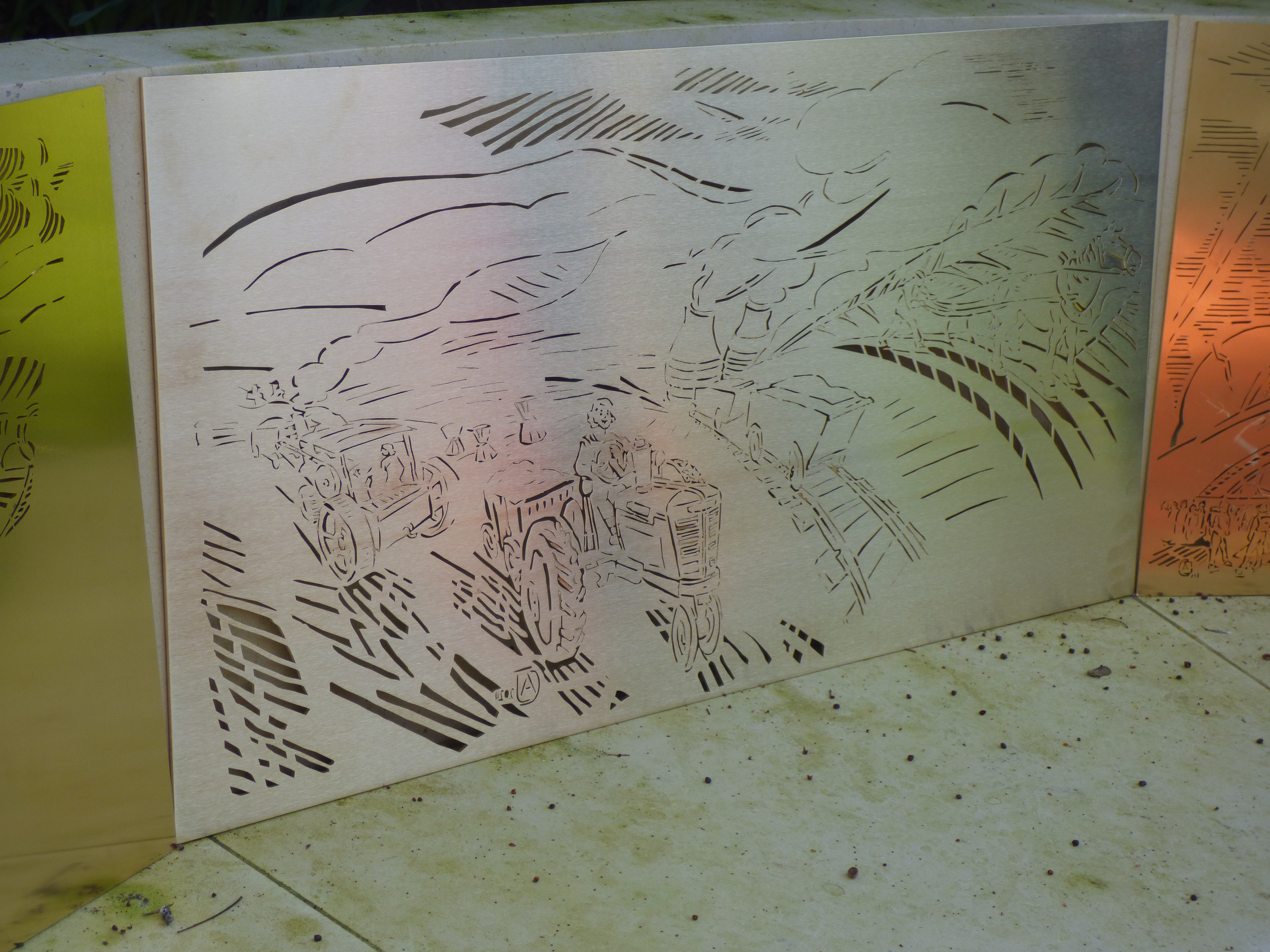
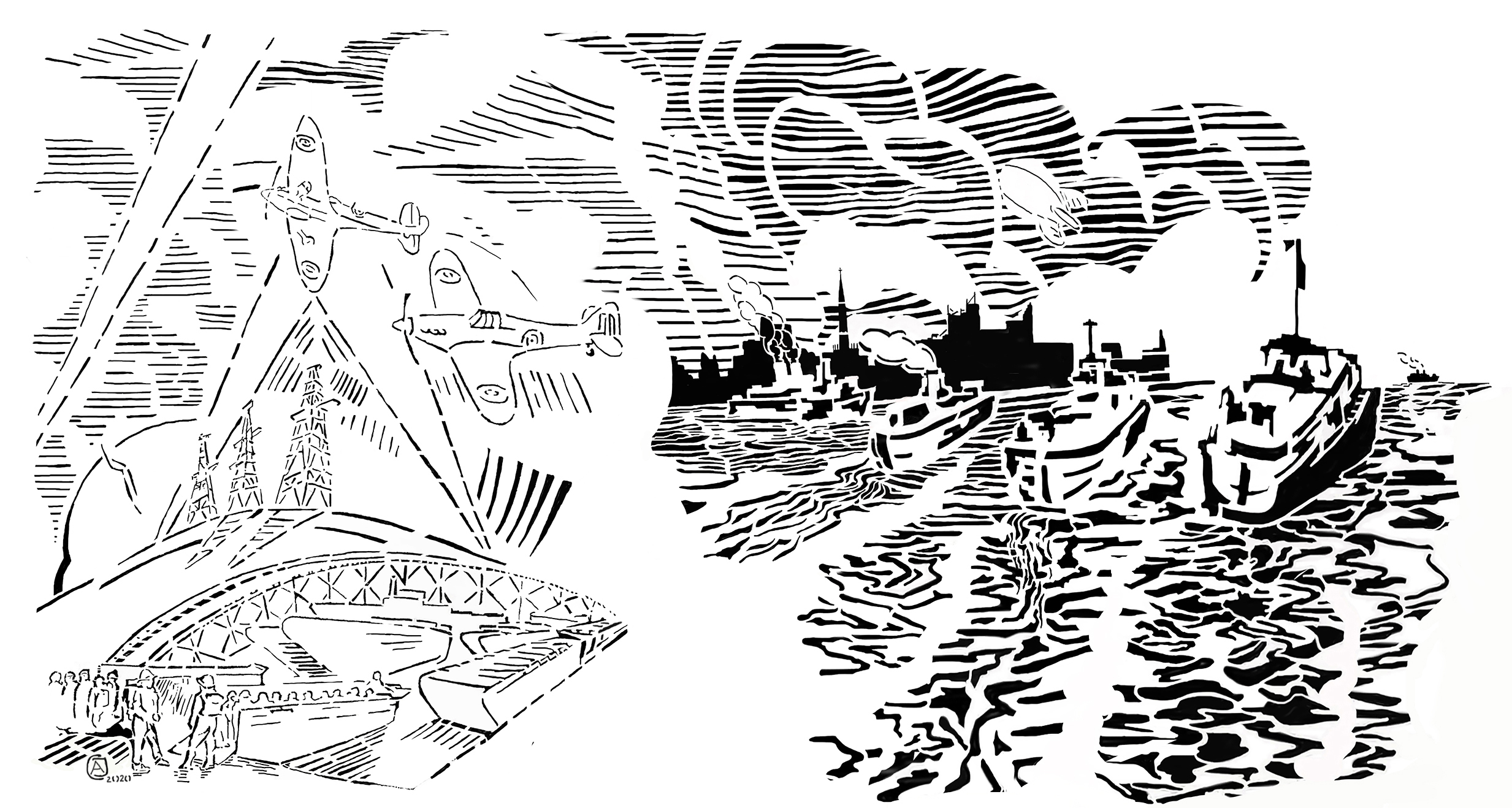
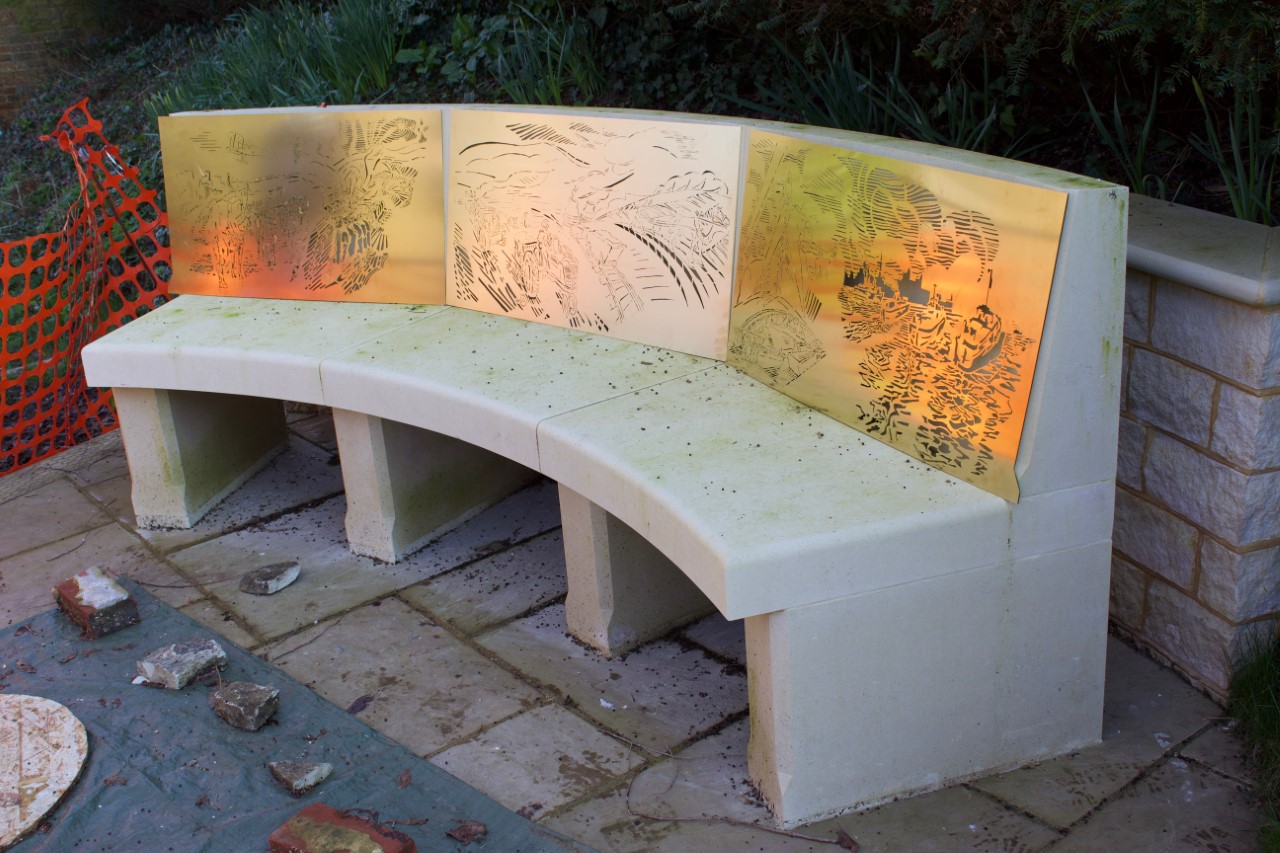
Over the last three years, I have been working with a committee of local residents in Buriton to create a war memorial bench. The community in Buriton has marked the centenary of the First World War in a number of ways since 2014, which is particularly important because per capita the Parish of Buriton sent more men to the Great War than any other district in the Petersfield area. Sadly, research revealed that there were a number of casualties who died during or shortly after World War I who are not named on the village’s War Memorial; the bench project aims to commemorate all those who suffered and were affected by war in the past, present and future.

Public engagement, including a design competition for local schoolchildren and households and a ballot, resulted in an approved design for a permanent feature by way of a curved Portland stone bench positioned into sloping ground behind the existing War Memorial. The back of the bench will depict scenes of wartime activity at home and abroad, and I have designed these. An important milestone in the project has been reached as we have just received the laser-cut brass copies of my design, which you can see below. I am still working on a poppy mosaic to be positioned in front of the bench.

This has been a great community project, funded by local people, and the bench – which looks over to the Buriton pond – will be a fine place for people to sit and reflect on World War I and its impact on the community of Buriton.

Bedales marks Remembrance Day

Remembrance

By Clare Jarmy, Head of Able, Gifted & Talented, Oxbridge and Academic Scholars & Philosophy, Religious Studies & Ethics

On Remembrance Day, students and staff gathered outside the Memorial Library – which was built in 1921 in tribute to the students who were killed in World War I – to reflect. In Remembrance Jaw, a few  days before, we heard about three Old Bedalians – Lance Newman, Ferenc Bekassy and Sadie Bonnell – who had in one way or another been overlooked. I am immensely grateful to the Librarians Ian Douglas and Matilda McMorrow, who undertook hours of research, both within our own Archive and in national archives.

Continue reading