Farewell Janie

At the end of September, our long-serving Head of Admissions, Janie Jarman, leaves Bedales after 21 years of unstinting service to the School. Annette McCormack has taken up the reins as the new Director of Admissions and she is already enjoying getting out and about meeting members of our community. 

We are so grateful for everything Janie has done and given to the School. As one former colleague said: “Her knowledge of the place extends to its very roots – she believes in it and that shows when she is talking to any and everyone.” Janie will always be a special member of the Bedales community and a friend to so many colleagues, parents and students.  

Staff and BPA reps recently thanked Janie and presented her with gifts at a gathering in the Sixth Form Social Space. Read the leaving speech for Janie given by Rob Reynolds, Director of External Relations, below.

I feel humbled that I am the one to talk about someone who has had such a profound impact on the lives of so many people. I will try and do justice to the huge impact Janie has had on this place.  

Some of you will know I like numbers and when you look at admissions numbers, they are staggering.  

During her time, Janie has overseen the recruitment of over 3,000 students to our three schools. To recruit that many new students means managing more than 15,000 enquiring families and organising at least 100 open mornings.  

During this period, Janie has been wise counsel to all the heads she has seen come and go across the three schools – Keith Budge, Magnus Bashaarat, Chris Sanderson, Jonny Cully, Penny Watkins, Jane Grubb, Sarah Webster, Katie Potter, Jo Webbern, Victoria Homewood and the current trio of Will, Colin and Fiona.  

Janie has been the face of this School for over 20 years. In Olympic cycles, that would have seen Janie compete in 6 games in Athens, Beijing, London, Rio, Tokyo and most recently at Paris.   

When we decided to broaden admissions internationally, it was Janie who travelled the world to find the right students – leaping on planes to attend recruitment fairs. I’ve counted up 13 countries: China, Singapore, Malaysia, Hong Kong, France, Monaco, Jersey, Switzerland, Spain, Turkey, Dubai, Norway and the US. 

In recent years, Janie oversaw admissions through the COVID pandemic, ensuring no reduction in the numbers and the right calibre of student continued to join us. 

Since we launched the John Badley Foundation, Janie has helped to transform the lives of 37 young people on full bursaries helping them navigate their way through the school. When Russia invaded Ukraine, it was Janie who quickly helped 10 displaced young Ukrainians to join our school on fully funded places. 

Of course, behind every number there is a human story. 

This is what how one of the parents responded to the offer of a place:  

“This opportunity has brought immense relief to our lives. Finally I can breathe out and begin planning for our future with renewed optimism. The magnitude of this gesture is truly awe-inspiring, and I am overwhelmed with gratitude…The joy and excitement that my children are feeling cannot be put into words…For the first time in a long time, I feel absolutely lucky and happy.”   

Now I don’t normally turn to the Daily Telegraph for inspiration but I would like to quote from an article it published about the rudeness and arrogance of school admissions offices.  

“Admissions never answer the phone.” 

“The admissions office was so unfriendly I immediately struck it off my list of possibles.” 

“When I called admissions to ask a few questions, I was told: ‘I have absolutely no idea, nobody tells me anything.” 

The article likens independent school admissions staff to bouncers at a premium night club or a GP’s receptionist on the Monday morning after Christmas. 

The piece then changes tack, saying, and I quote:

“There is beauty to celebrate in the world of admissions.”  

It goes on to hand out a few gold stars or to continue the Olympics analogy, gold medals – including this one: 

“The registrar at Bedales really understands the word ‘empathy’ and cares hugely about each visitor: she should be mentioned as exceptional.” 

‘Empathy’ and ‘exceptional’ – to add to those descriptions of Janie, I turned to some former Heads and governors. 

One governor said she is “emollient and adaptable”. 

I had to look the first one up. Emollient means “attempting to avoid confrontation or anger; calming or conciliatory”. 

Maybe that’s one side of Janie?! 

He went on to explain that Janie provides that reassurance to so many parents who might be apprehensive, or sceptical or even too straightlaced to accept that Bedales can and does actually work. And that sometimes Janie has had to put right the damage done by others, be that an unusually-dressed tour guide, a disgruntled parent or a gruff colleague. 

This showed through in research we conducted with parents who chose to go elsewhere, but still chose to tell us and I quote: 

“I thought Janie was brilliant, really warm and helpful”  

“Janie is incredibly communicative – nothing was lacking” 

A former deputy who left us to take up a headship said of Janie: 

“When I started at Bedales, Janie was already known as the doyenne of schools’ admissions and offered a model of warmth and engagement that other schools sought to emulate. That persists to this day. Her knowledge of the place extends to its very roots – she believes in it and that shows when she is talking to any and everyone. She has the uncanny knack of making all sorts of people (and at Bedales you really do meet all sorts) feel that they are welcome and part of things even before they cross the threshold. If admissions teams have people who capture even a small fraction of her subtlety and warmth, they are lucky indeed.” 

Another former Head said: 

“Janie always puts everyone before herself. She is totally devoted to Bedales and its ethos. She personifies John Badley’s founding motto ‘Work of Each for Weal of All’. She is a walking, or in Janie’s case, running Debretts and if Janie doesn’t know someone they aren’t worth knowing!” 

Only Janie comes to work on a Monday morning having been chatting to the Queen of the Netherlands or a former US president over the weekend. 

Another previous Head talked of Janie’s intricate knowledge of each individual student’s background and her intuitive understanding of their needs; the occasional look she’d give said Head when she thought he was going down the wrong path (head slightly tilted, pause in speaking); and her characteristic jog across the Orchard to try and cram so much in her overpacked day. 

Many staff at Bedales change responsibilities, moving around to find the right role for themselves and to become a part of the school. Janie started as part-time Music Administrator, then Registrar at Dunhurst and progressed to lead admissions for the Whole School….. and has also become Hampshire’s go-to pre-eminent estate agent. 

Janie – you are a true Olympian in the world of admissions, a multiple gold medal winner. We will miss you and we are so grateful for everything you have done for us. THANK YOU. You will always be a special member of the Bedales community and a friend to so many colleagues, parents and students; and we insist that you come back regularly.  

Please raise a glass for the emollient, empathetic, warm, intuitive, adaptable, amazing, encyclopedic, running who’s who, the exceptional Janie.   

Poignant and insightful trip to WWI battlefields

By Clive Burch, Head of Block 3

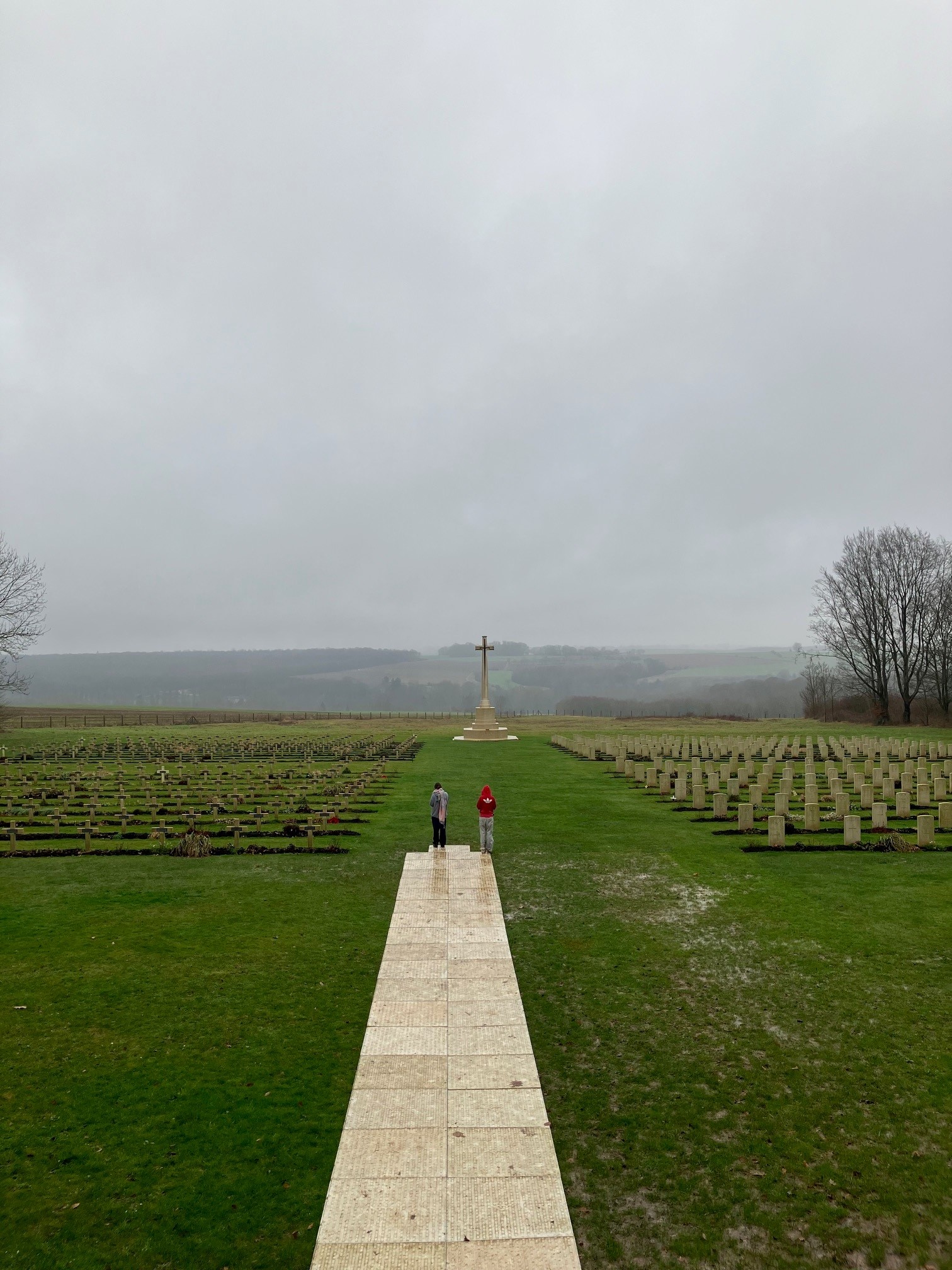
This week, Block 3 students have been Belgium and France to visit the historic battlefields which are a stark reminder of the impact of war, as the resting place for hundreds of thousands of servicemen who were killed in combat in World War I. Having focused on the war, anthroposphere, conflict and ethics in their humanities subjects this term, the trip gave students an opportunity to reflect on the historical, cultural and ethical aspects of their studies. 

On the first day, students visited Essex Farm, which famously moved John McCrae to write the poem In Flanders Fields while stationed there in 1915. They also visited Tyne Cot, the largest Commonwealth war cemetery in the world in terms of burials, and Langemark, where nearly 24,917 German servicemen are buried. Ending the day at Menin Gate, which bears the names of over 54,000 servicemen whose graves are not known, Felix Albizua and Alice Rawlence laid a remembrance wreath on behalf of Bedales.

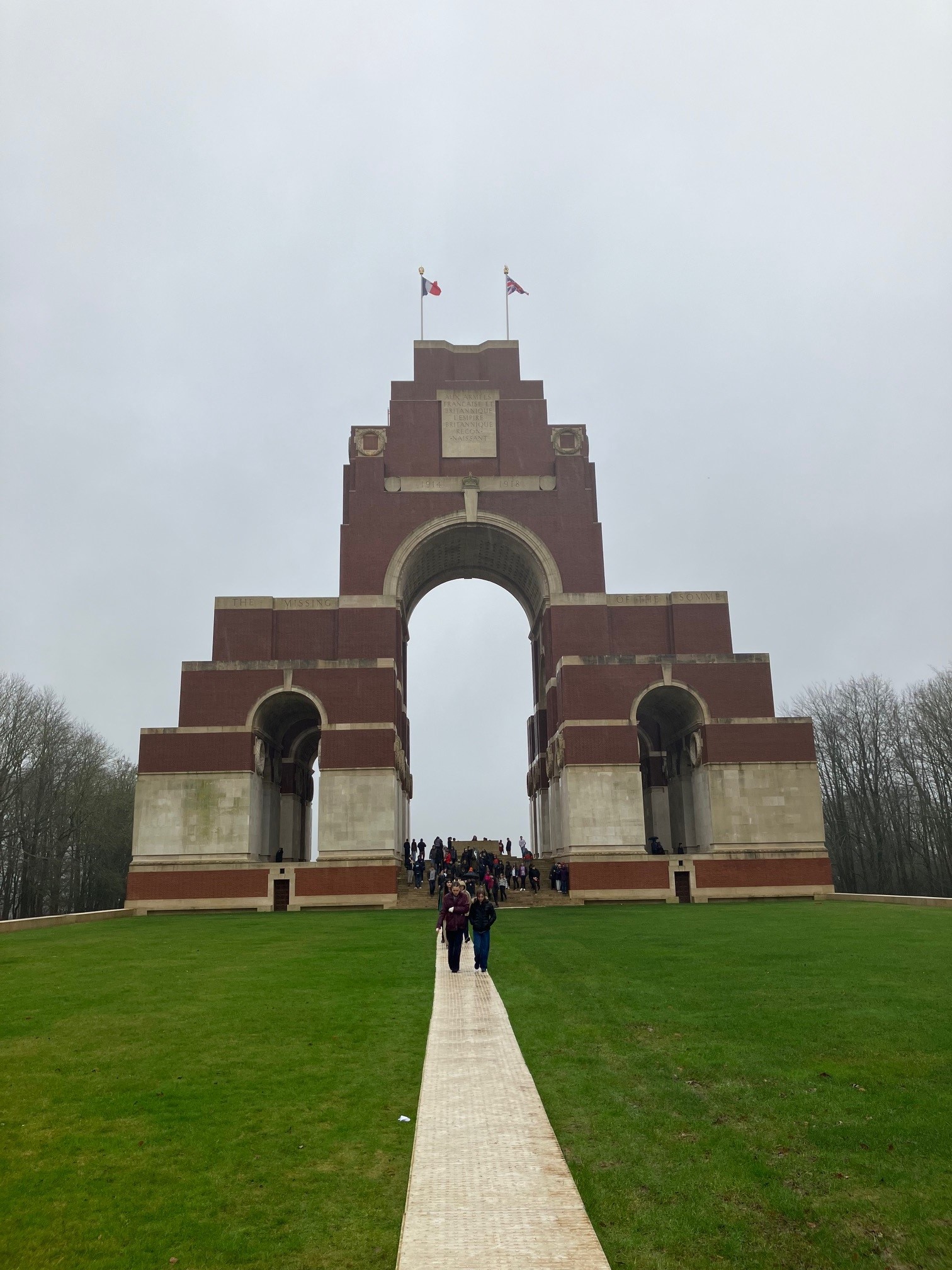
The following day, students visited Vimy Ridge, where the four divisions of the Canadian Corps fought side by side in the Battle of Arras in 1917, and the 36,000 Canadian servicemen who lost their lives in World War I are commemorated. They then visited the Somme, taking in Beaumont Hamel, Newfoundland Park, the Thiepval Monument and Lochnagar Crater. The Battle of the Somme was one of the largest and bloodiest battles of the war, with over 57,000 casualties on the first day, and over 150,000 British troops buried in the battlefields. The Thiepval Monument bears the name of over 72,000 servicemen of the United Kingdom and South African forces who died in the Somme before March 1918 and have no known grave.
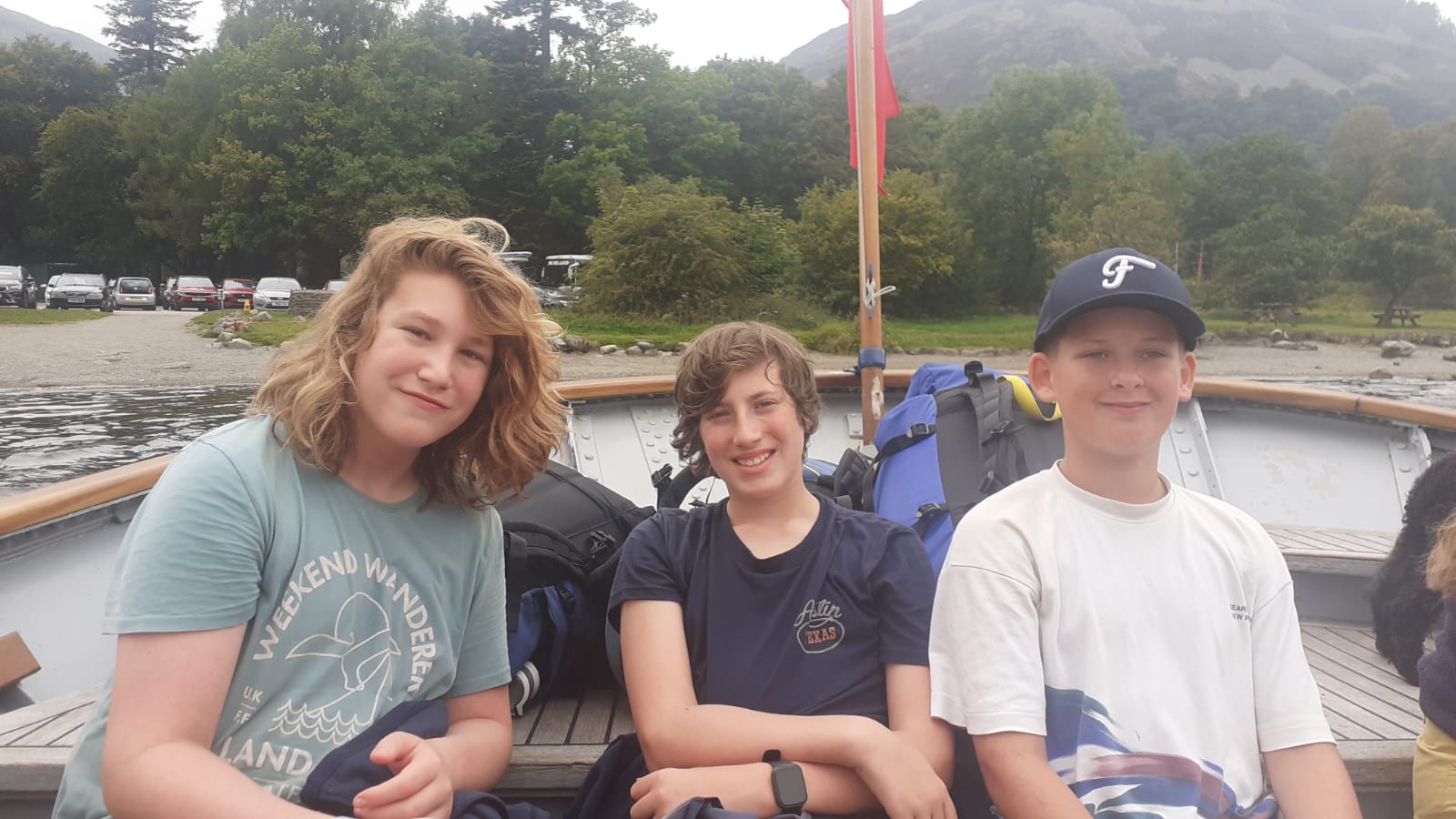
After a cold and damp day which concluded the trip, we made an eagerly awaited stop at a chocolate shop, conscious that the weather, fatigue and discomfort was a mere fraction of that experienced by those who fought on the battlefields over 100 years ago. 

See more photos from the trip below.

History BAC trip to Berlin

By Agnes Bathurst, Block 5

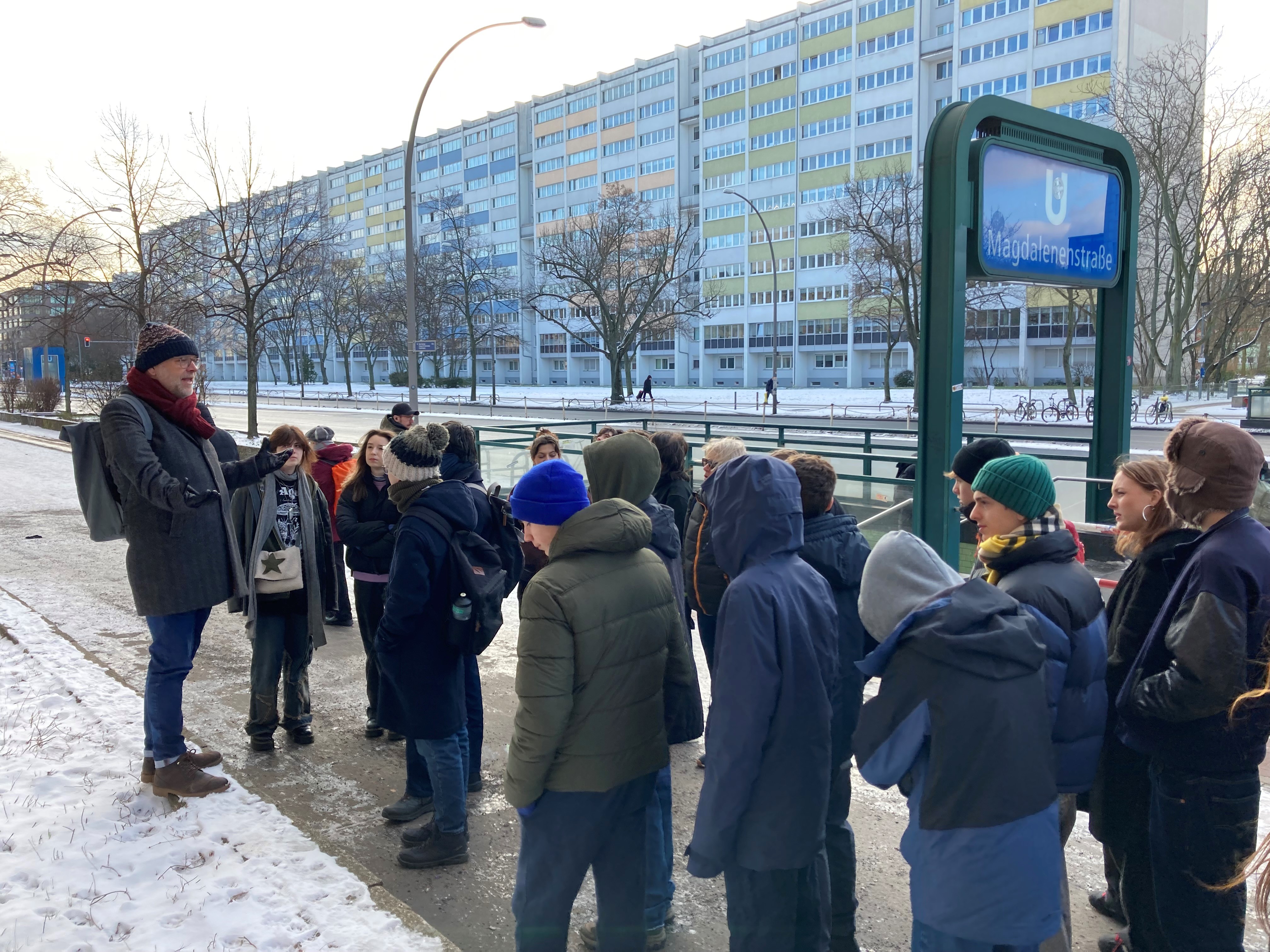
The Block 5 History trip to Berlin was a fantastic experience, jam packed with museum visits and tours. We had an early start on Thursday morning to fly to Berlin and as we arrived, we were greeted with lots of snow.

Despite the weather, we went on a walking tour of the city’s sights and walked through the famous Brandenburg Gate – one of Germany’s best-known landmarks, which dates back to the 1700s, and is now considered a symbol of German reunification – and visited more of the city’s famous monuments. In the evening, we went to the DDR Museum, where we found out about East Germany and how it used to be. 

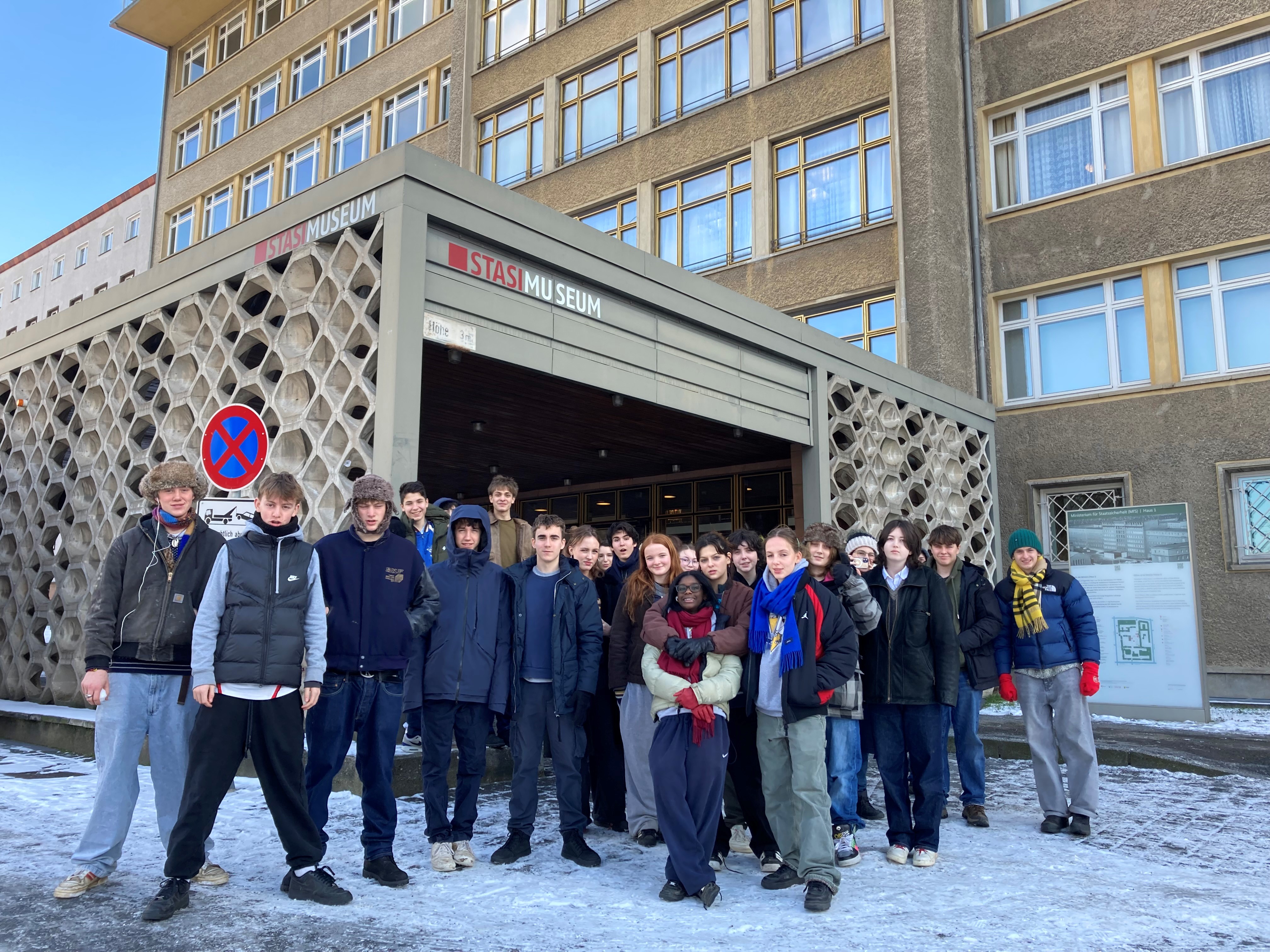
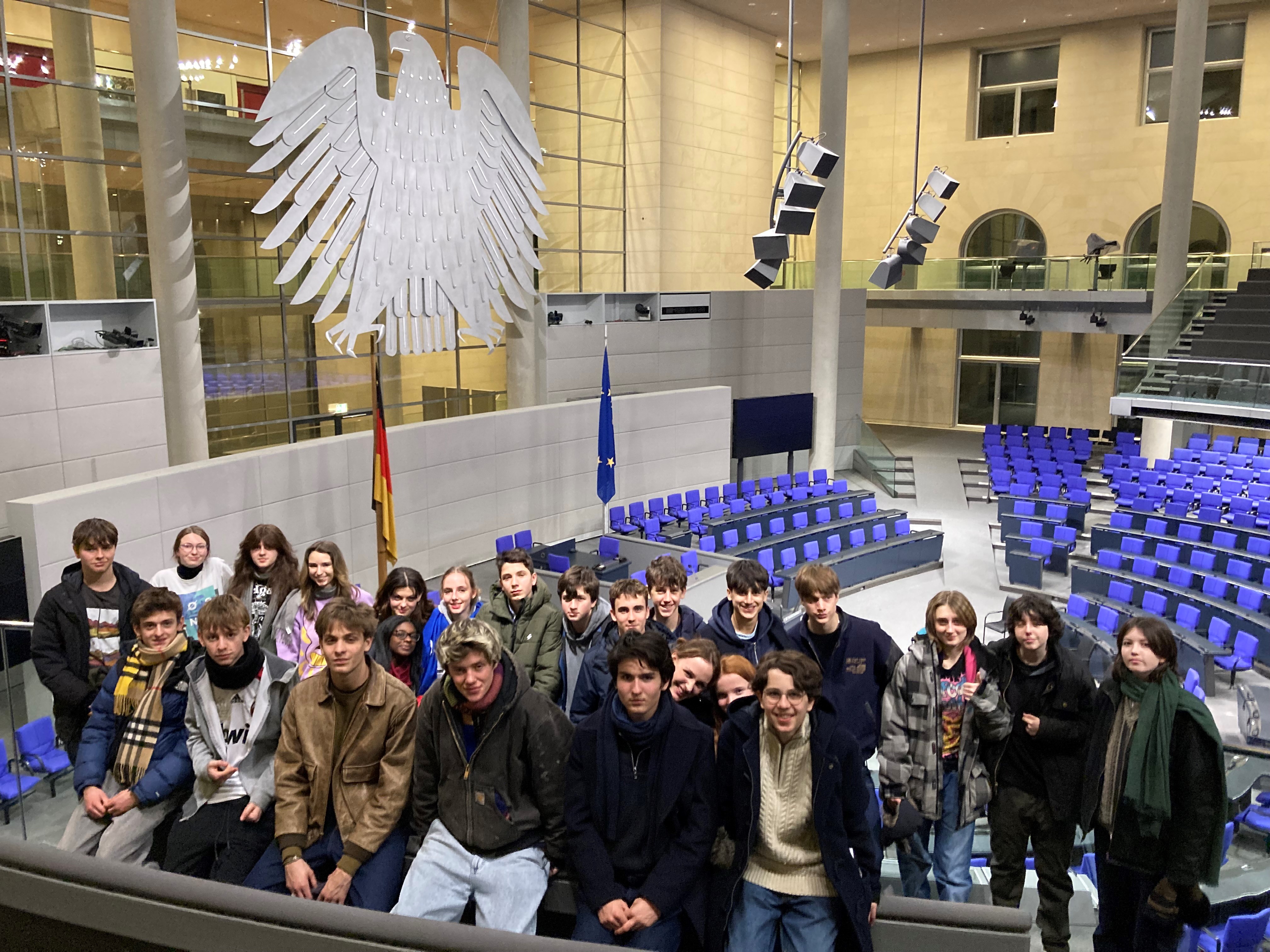
On Friday, we travelled by the U-Bahn and our first stop was the Stasi Museum, where we gained an understanding of the former political system in East Germany and the control they exerted on the population. The Berlin Wall was next on our list, and we viewed it from a watch tower. My favourite pat was going down to a nuclear fall-out bunker that was never used – it was very creepy! We went on a guided tour of the Reichstag, and seeing all the old graffiti from the Russian soldiers in 1945 – still preserved – was fascinating.

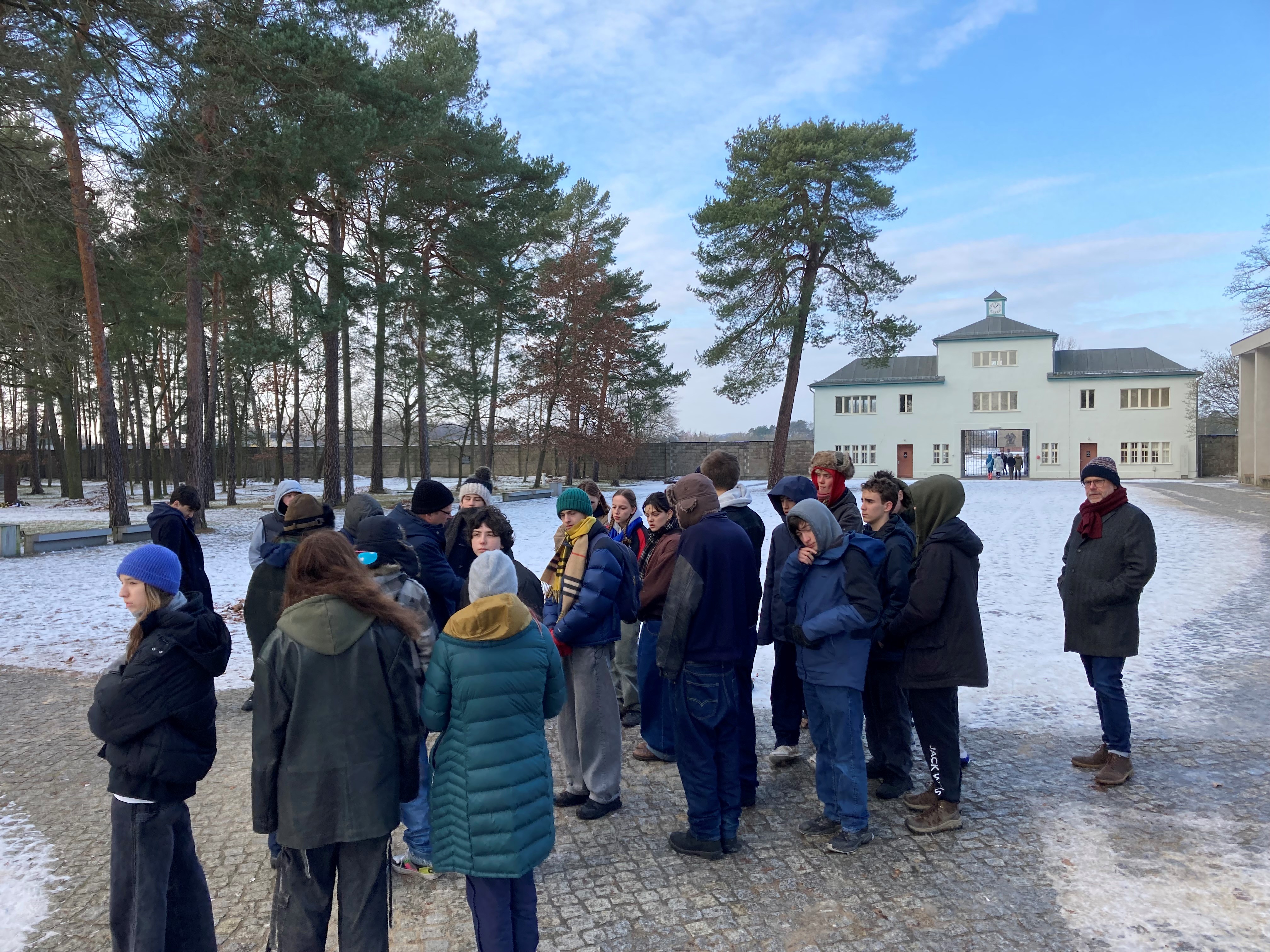
On Saturday, we had another early morning start and got straight on the coach to the Wannsee Conference House, where we learnt all about the meeting that actioned the Final Solution. We were there on 20 January – exactly 82 years since that terrible decision. We then took the coach to the Sachsenhausen concentration camp and learnt about its historical significance. This was one of the most affecting parts of the trip – visiting the site where prisoners of the Nazi regime were subjected to horrifying conditions and treatment.

On our final day of the trip, we also visited the Topography of Terror, which was built on the former Gestapo headquarters. The trip was hugely educational, and I enjoyed every bit of it. I learnt so much about Berlin’s culture and its complex history.

6.2 Physics trip to CERN, Geneva

By Dylan Hui and Sage Bidwell, 6.2

Last weekend saw the most recent iteration of the annual 6.2 Physics trip to Geneva, Switzerland, to visit CERN and the Large Hardon Collider (LHC). The trip began on Thursday 18 January, when we travelled to Geneva with Physics teachers Tobias Hardy, Allen Shone and Sarah Newnham. The journey went smoothly – although before we had left Geneva Airport, we had already left a passport on the plane and lost a suitcase (which was not in the itinerary!) We made our way to the Eden Hotel and got to explore the city for the first time.

On Friday, we had the chance to visit the UN Building in Geneva. We had an amazing tour guide, Lisa, who was a part-time interpreter working for the UN. She showed us around the different conference rooms in person and we had the opportunity to ask questions. Lisa was pleasantly surprised by our knowledge about politics and international relations (especially Allen’s!) In the evening, we took a stroll down the lakeside to the Old Town and explored the architecture of Geneva. To finish off the evening, we went to the Holy Cow burger restaurant, which was delicious, and finally we all sat in the lobby playing cards and sharing stories.

Saturday morning was an early one, since we had to make it to CERN in time for a 9am workshop. In the workshop we made our own cloud chambers and investigated background radiation, enhancing our previous knowledge of particle physics. It was very interesting to experience first-hand how these experiments changed particle physics, and we had the opportunity to speak to an expert who works at CERN. We then had a few hours of free time to wander around the CERN museum before embarking on our tour of the site.

We visited the main control centre of the LHC and saw how each component of the collider works. We then visited ALICE, another integral part of the LHC, focused on examining primordial matter. To finish the evening, we dined at Chez Ma Cousine, where most of us ate half a chicken accompanied by chips, salad and a hearty pint of Genevan beer. 

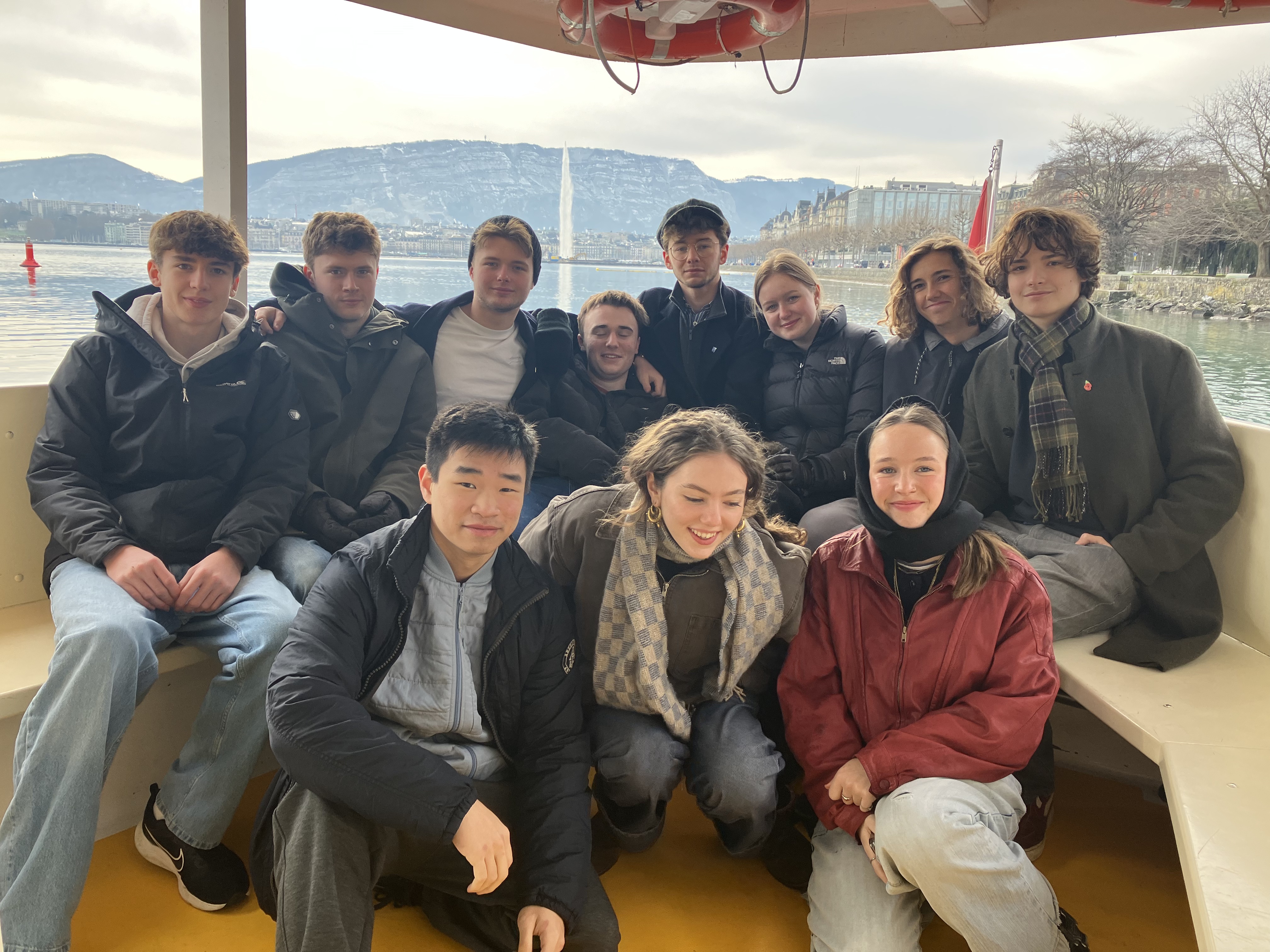
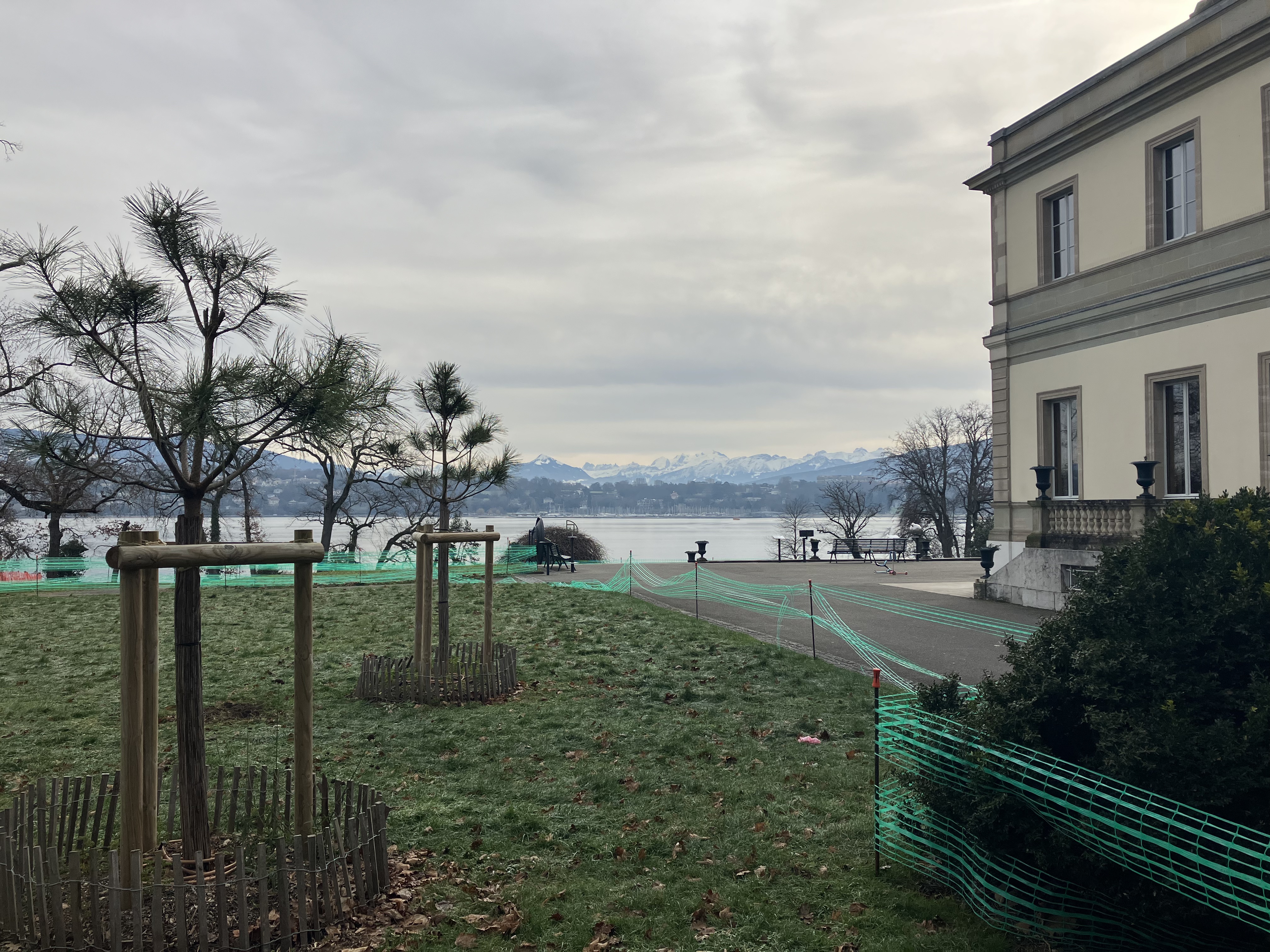
The next day, before we returned home, a few of us had time to hop onto a water taxi on the lake. We got to see the Jet d’Eau fountain, an impressive 140m tall fountain which has become one of the city’s most famous landmarks. We also enjoyed the view of the Alps and Mont Blanc before flying home, safe and sound, albeit with a bit of turbulence from Storm Isha.

Thank you to Tobias, Allen and Sarah for running this trip for us, and making it such a joyful and educational experience. We all thoroughly enjoyed it and will be remember it forever.

Bedales in the Greenpower International Finals

By Alex McNaughton, Head of Faculty: Art & Design

On Sunday 8 October, Bedales qualified to compete in the Greenpower International Finals 2023 at Goodwood Motor Circuit. This was quite something; racing on one of the most iconic tracks in the world, with clear skies against 90+ other cars, the day was set to be one to remember. Our place in the finals had been achieved by our consistent performance in the Goodwood and Castle Combe heats earlier in the year.

The Bedales Greenpower project is going from strength to strength; we have a great group of regular attendees at our weekly sessions and have a real thirst to do better each time we race. We are aiming towards fielding an additional car for the next season – watch this space for future developments.

Here, two Bedales Greenpower team members reflect on their experience in the finals.

By Elliot Cundy, Block 5 and Max Galgey, Block 4

The first event of the day was open practice; 70 minutes in which we could run our car non-competitively to check everything was running as it should be, practice our race strategy, see how our lap times compared to the rest of the grid, and give a few of our new drivers some all-important practice behind the wheel.

Thankfully the car ran without any issues, and our race strategy was proving effective; the use of a pit board enabled us to communicate with the driver as to how much throttle to use, allowing us to pace the car for the optimal balance between performance and efficiency so as to not run out of power (as has been a problem in previous races). As the practice session came to an end, we swiftly swapped the car’s batteries to a fresh fully charged set and lined up on the grid for the first race, the results of which would decide our grid position for the second.

The first race went according to plan, with the four drivers all completing three laps, and setting good times for our finishing position. The first driver came into the pitlane after a very good stint. We had a good pitstop that held our position, and out the second driver went. A very close call on the start straight, when another car illegally blocked us. The car was unscathed, and we kept going, the next few pitstops went well. All the drivers in the second race drove very well and gave us a qualifying position on 50th.

Heading into the second race, we qualified 50th out of 92 with a strong mindset and a clear strategy, calculated from previous results in an Excel spreadsheet. At the race start we swiftly moved up through the field at a steady but strong pace. We completed five laps before heading into the pitlane where the next driver was waiting. With a decent pitstop, we were back out onto the track. In the pitlane, we had lost a few positions, but we kept going strong.

On the second lap of the second stint, the driver clocked a new Goodwood team best of a five-minute and 10-second time. The next lap had a bit of confusion, letting the driver go 100% for another lap, a mistake that would later affect the car’s performance. The driver then pulled into the pits a few laps later, where the team completed a new fastest pit stop of around five seconds.

Out went the last driver, going as fast as he wanted to finish the race. Heading onto the final lap the car started to run low on power, but thankfully the car kept going. While heading into the final corner, the car’s speed dropped significantly and it rolled across the line to finish 18th of 52 in class and 48th of 92 overall.

Since last year’s finals, the Bedales Greenpower team have been working hard each week to fit a variety of upgrades and make modifications to the car, including new cooling inlets, aerodynamic vacuum-formed wheel covers and a custom-made telemetry system. Alongside this, we are currently in the process of designing a new car, completely from scratch. It was therefore very useful to get the chance to talk to the different teams at the race about what aspects have and haven’t worked for them and to take inspiration from their designs. 

Energise South Downs’ Future Energy Forum at Bedales

Energise South Downs (ESD)’s recent Energy Forum held in the Bedales Theatre was a great success, with more than 200 attendees. Members of the local community came to learn about the challenges and opportunities with the UK’s journey to net zero. If you weren’t able to attend, you can see the Future Energy Forum recording in five parts here.

After a brief introduction by ESD Director Catriona Cockburn, the evening was chaired by John Palmer (Deputy Director, Energy Performance of Buildings, Department of Levelling Up Housing and Communities). He oversaw a panel of experts including Professor Mark Gaterell, Professor of Sustainable Construction and Associate Dean for Research in the Faculty of Technology at the University of Portsmouth; Ollie Pendered, CEO of Community Energy South; Steve Shaw, Director of Power for People; and Steve Waygood, Chief Responsible Investment Officer, Aviva.

Professor Gaterell spoke about the importance of energy efficient housing, with a robust policy being essential to ensuring industry meets the standards for net zero. He also highlighted that abrupt changes in policy impact investor confidence in the construction sector, while clear consistent long-term policy ensures the development of appropriate products and skills. 

Community Energy South’s Ollie Pendered emphasised the positive impact community energy schemes can have on the health of the planet. Energise South Downs is just one of at least 400 not-for-profit community energy groups across the UK, which all enable renewable energy to be produced locally. This both powers and empowers local communities by providing energy security, helping to green the grid and delivering profits locally from their investment.

The speaker who most inspired the audience to take action was Steve Shaw from Power for People. Steve was instrumental in getting the Climate Change Act passed in 2008 and has now drafted the Local Electricity Bill. He explained the significance of this legislation for community energy schemes, the public and ultimately our ability to reach net zero. Before the evening began he had put cards on every seat in the auditorium for people to take home and send to their MPs requesting they support the bill. At the end of the evening it was pleasing to discover that all but five had been picked up. 

The final speaker, Steve Waygood, homed in on how financial institutions and governments can help tackle the climate emergency. “We’ve heard that money talks, about how many of us know what our money is saying on our behalf?” he asked. He told the audience that their money is shaping the world, so by taking more interest in how it is invested, they have the power to promote the kind of future they want for generations to come. With just 20 minutes to discuss a lengthy topic, Steve finished by highlighting two papers – Act Now: A Climate Emergency Roadmap for the International Finance Architecture and A Roadmap for Sustainable Capital Markets.

To close the evening, Catriona referenced Chris Skidmore’s report, which says that the most successful version of net zero will be delivered by unlocking the ambition of places and communities. She hoped the evening’s Future Energy Forum had helped kick start this process.

Attendee Amelia Gabriel praised the event, saying: “An inspiring set of speakers who raised the urgency of the situation and gaps in policy as well as giving positive examples and clear actions that we can take as individuals and as communities.”

Catriona commented: “Energise South Downs was enormously encouraged by the full Bedales Theatre. The event felt hugely positive, and people should feel optimistic about the future and the solutions that are available. ESD has been working with local communities who are passionate about powering the renewable energy transition and we are looking forward to continuing to work together to realise these ambitions and take the opportunities that will help deliver the commitments to net zero.”

Find out more about ESD and their renewable energy projects here.

A ‘Splendid’ workshop

By Ollie Dodd, 6.2 Drama Scholar

On Wednesday, A Level Drama students had the opportunity to be a part of a brilliant three-hour workshop with the Artistic Director of Splendid Productions, Kerry Frampton. Splendid create challenging, entertaining, politically engaging theatre for young audiences. The workshop taught us a great deal about their techniques and gave us invaluable devising skills.  

The workshop began with us becoming aware of the concept of dialectics (two polarising ideas coming together to create a final product), which would inform a great deal of the workshop. We were then led through a variety of techniques and exercises such as mime and sign language, each time honing and developing the skills.

The workshop was amazingly useful to us and gave us a much better understanding of the devising process and a great set of tools to use in our devised productions in March. You can read more about what the workshop entailed below:

We took to our feet as we began an exercise of walking around the stage in a straight line before turning suddenly. Simultaneously the technique of clocking – two people meeting each others’ eyes – was introduced. This exercise had layers introduced to it progressively, such as changing the speed, theatricality or energy of our walks. These factors were then brought into the exercise of mime-writing our name, to which the lenses of size and proficiency were added. 

With the skill of tweaking aspects of our work added to our repertoire, we split off into pairs, where we learned how to tweak others work. We were given a word such as ‘cut’ and had to build off the action our partner associated with said word. Following this, we described giving special attention to the texture and mimed an object that was special to us. Our partner would then mime the item back to us, before becoming that item and giving us a piece of advice as the item would. This activity taught us a lot about listening to our partner and creating through play. 

We moved into bigger groups of five and between us chose a fairytale or nursery rhyme that our group would adapt. We created five freeze moments that would be set off in canon and between them had moments of chaos, where each member was responsible for a different aspect such as asking questions, miming the scenery or describing the characters. We then put these on for each other and spoke about what we could do to improve. 

The final exercise gave us an understanding of how to sign eight different emotions in British Sign Language (BSL) before we were tasked to create massively over the top versions of a snobbish rich lady and a working class West Ham fan. In our groups we had to make these characters criticise a character from our earlier piece using the BSL signs as a basis to show their emotions. 

The workshop was amazingly useful to us and gave us a much better understanding of the devising process and a great set of tools to use in our own devised productions in March.

Reflections from Ullswater

By Clive Burch, Head of Block 3

Coming to the end of this first week back at school, Ullswater seems not only a long way away but also a long time ago. However, while it is still relatively fresh in the collective memory (and before I sound too much like the opening of a space opera), I wanted to pause to reflect upon what has been achieved by Block 3 as a year group already this year.

Knowing everything they need to know for their return to school in a day was always going to be a stretch, but getting familiar with the school systems, our expectations, additional offerings, subject areas (if not individual classrooms) and the school grounds was a good start.

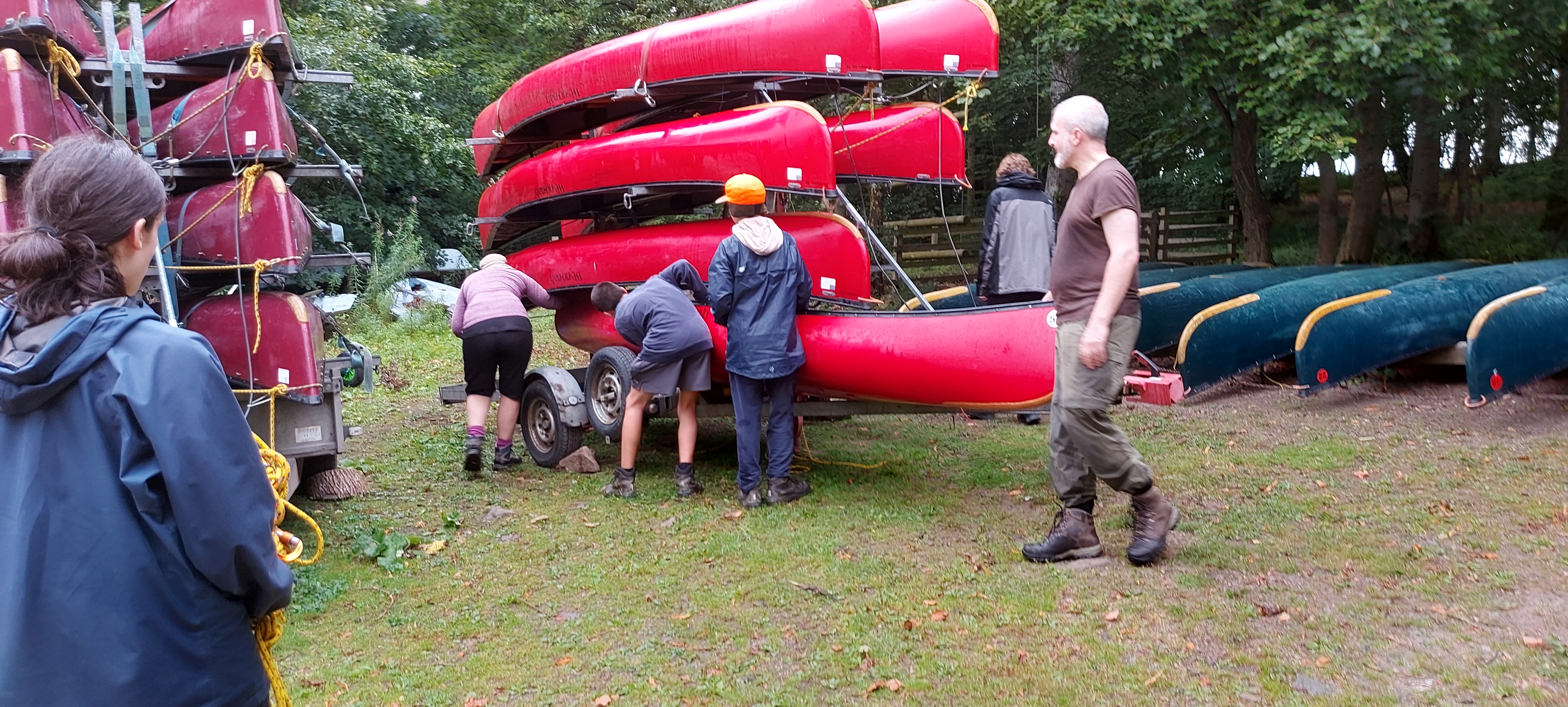
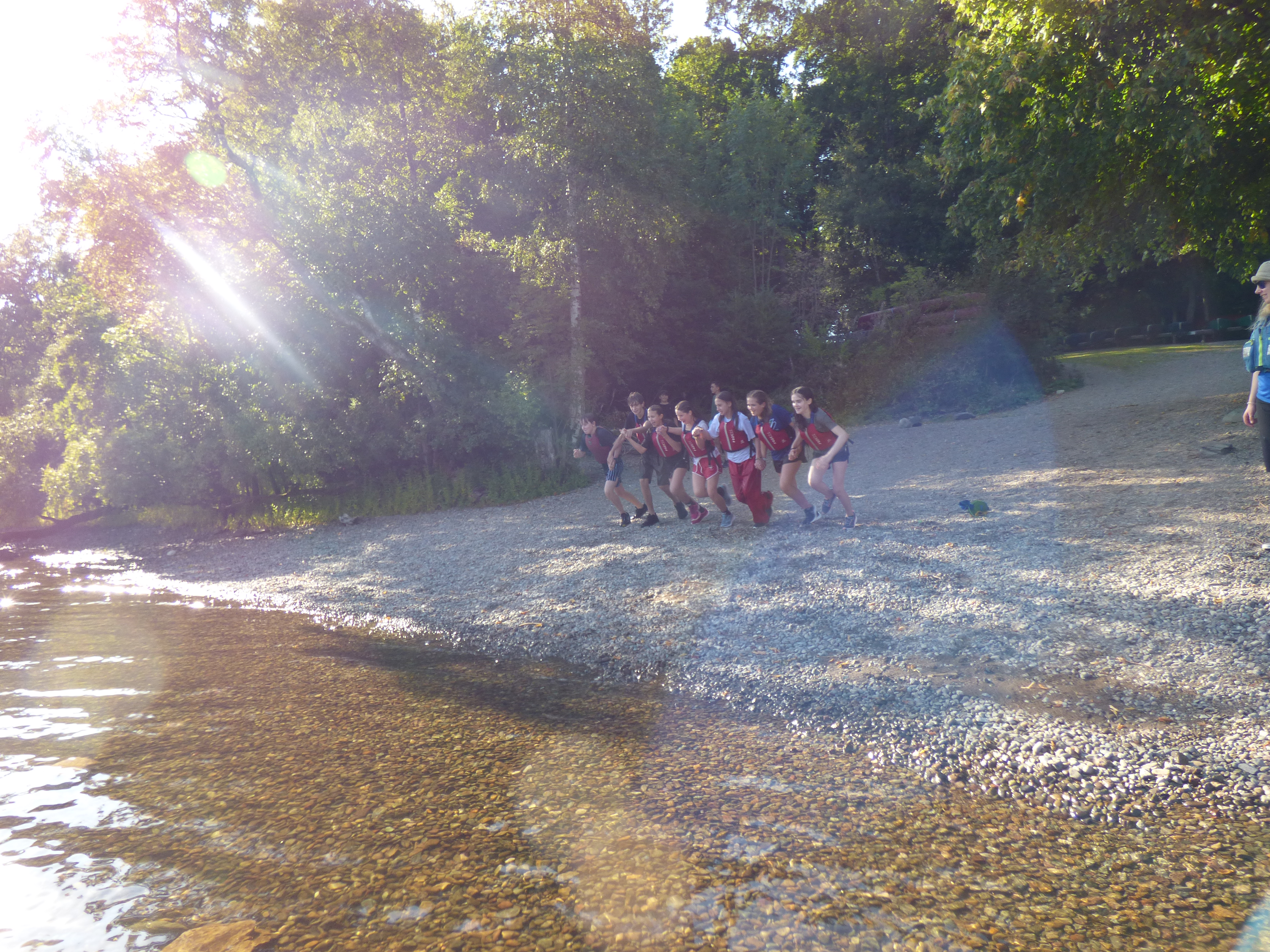
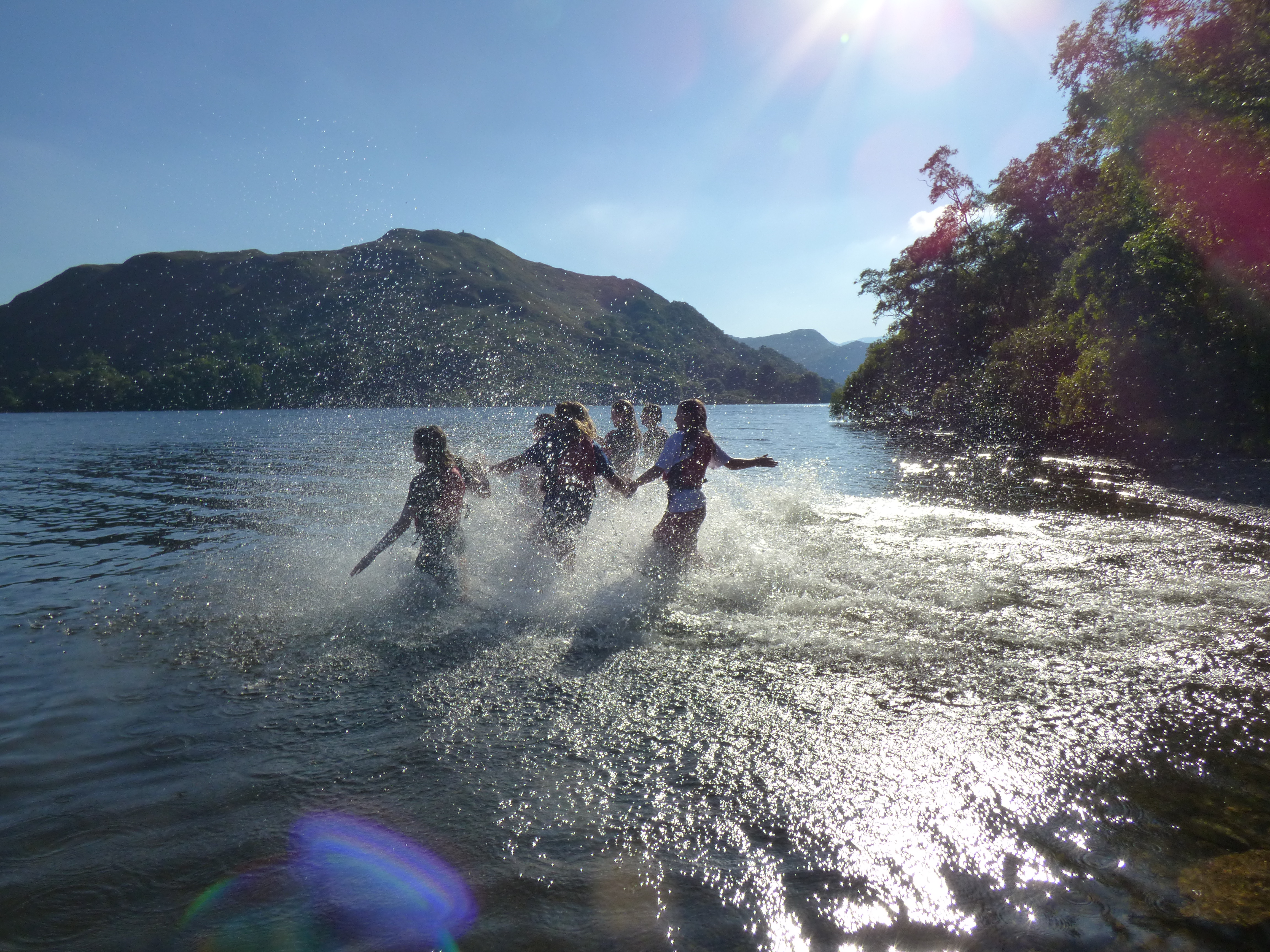
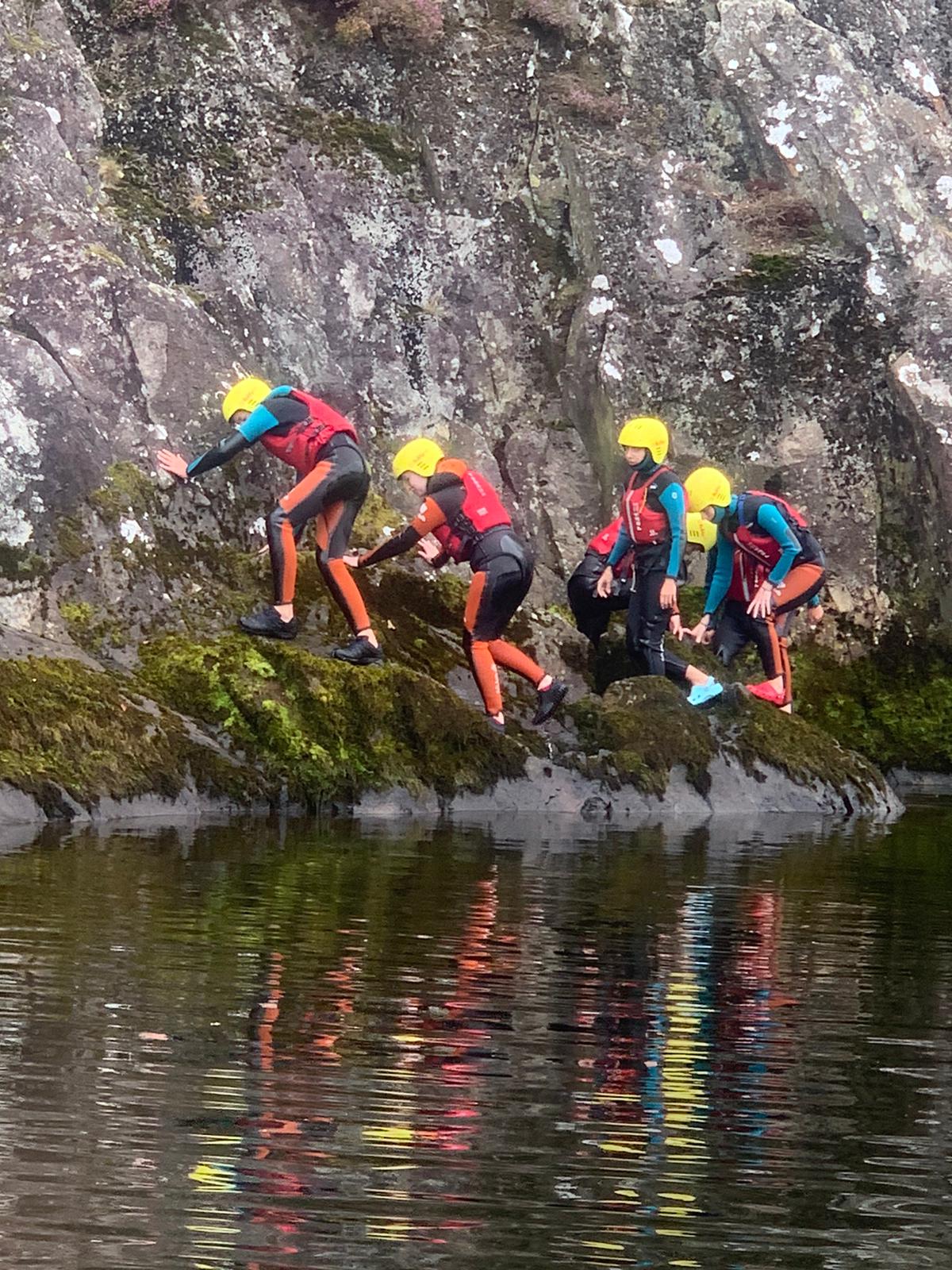
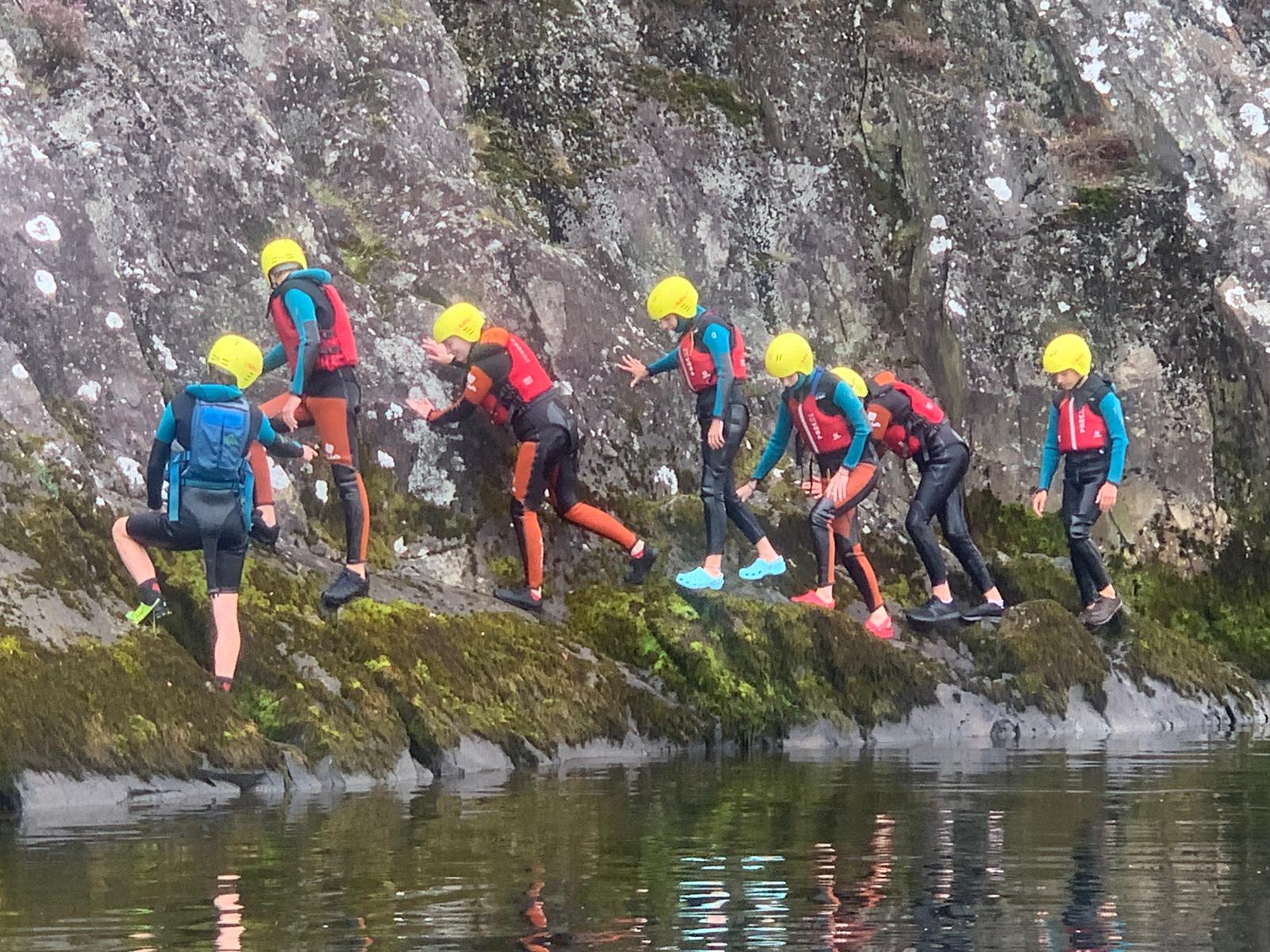
Then taking them away from all of this and placing them out of their comfort zone in the Lake District to do something they may not ordinarily do was a true test of character, which they passed with flying colours. There were some ambitious expeditions undertaken (one including a keen headteacher) and some mini adventures enjoyed. I certainly felt like I was part of a familiar fellowship when I joined a group for a gorge walk which culminated in a cliff jump. The whole group ended up doing this, much to my pride and joy.

Here, Block 3 student Maya reflects on the trip.

By Maya Tazi, Block 3

Ullswater was rich in life lessons, sometimes learned the hard way! Some moments were very fun, like the gorge scrambling, with its rushing current and beautiful views, or cliff jumping, which required the courage to jump in what felt like a frozen lake. Other parts were more challenging, like the dorm life, compromise with my roommates and organising turns to shower.

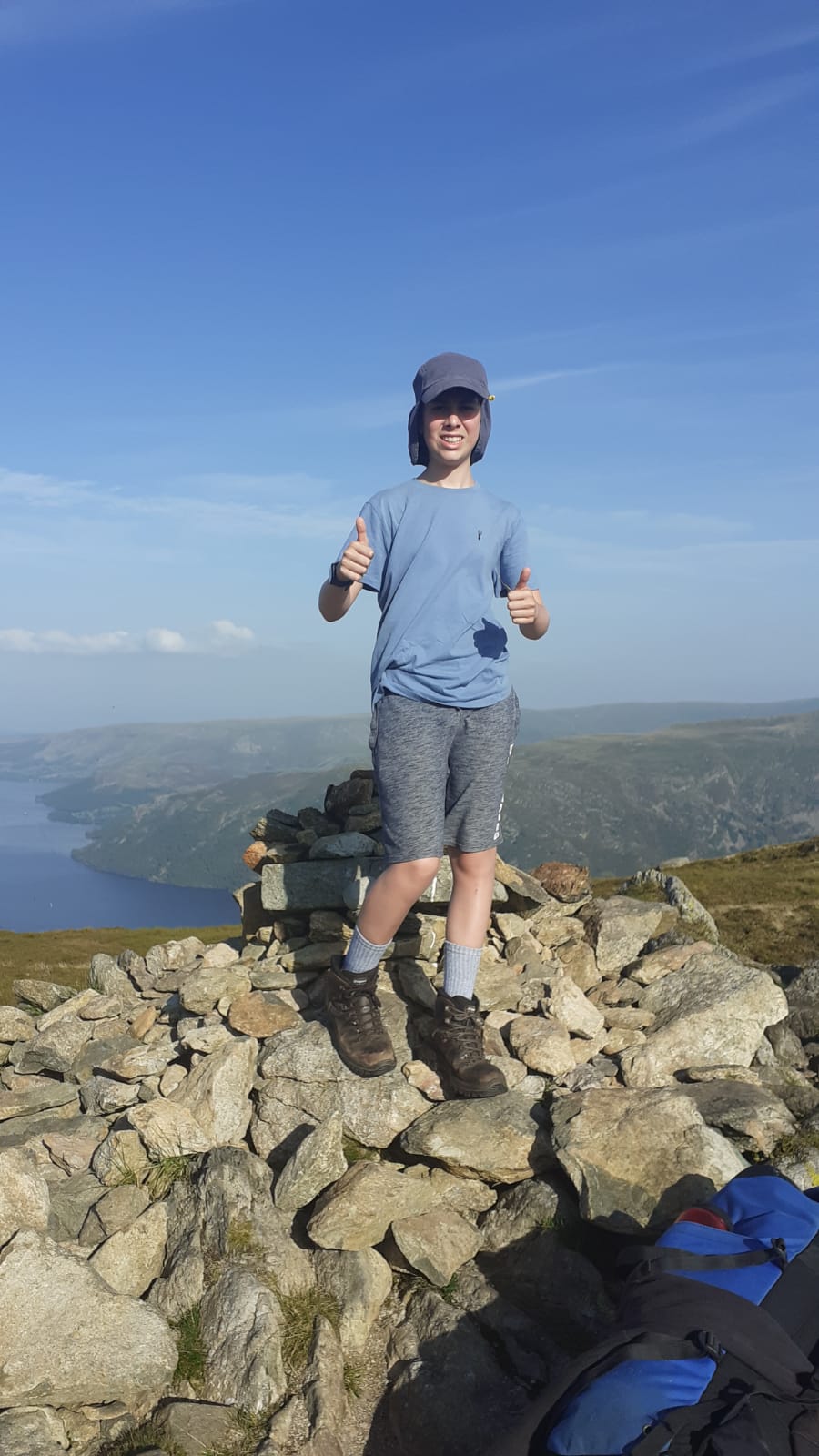
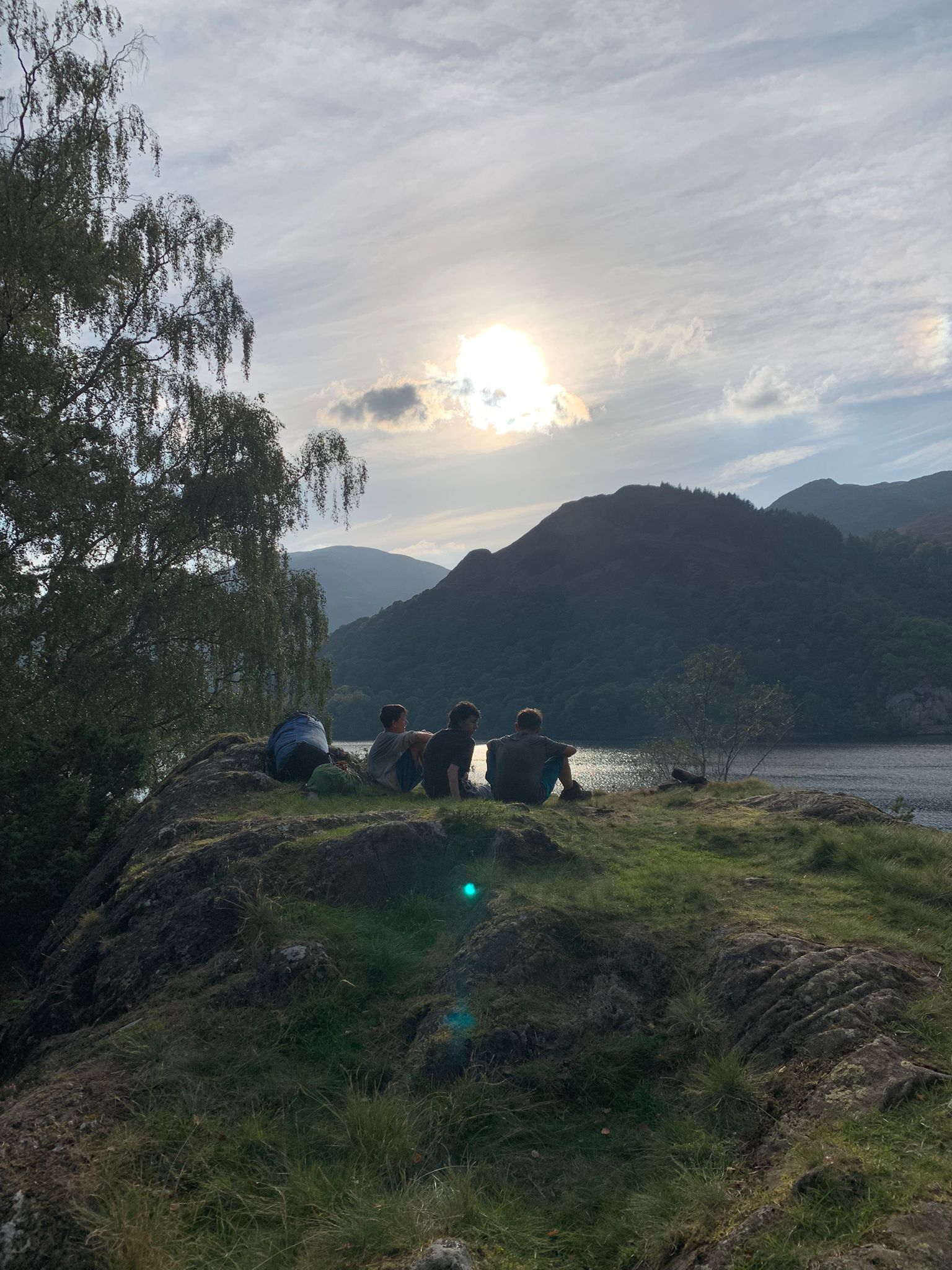
A big part of it was about teamwork; as a tutor group, we had to learn to work together as a team by learning coordination while rowing for hours, or working towards the same goals when hiking up a mountain or setting up camp for the night. Secrets were shared, laughs exchanged, tired groans echoed and friendships formed. Thank you to everyone who made the trip possible.

See more photos from Ullswater below.

Block 3 adventure

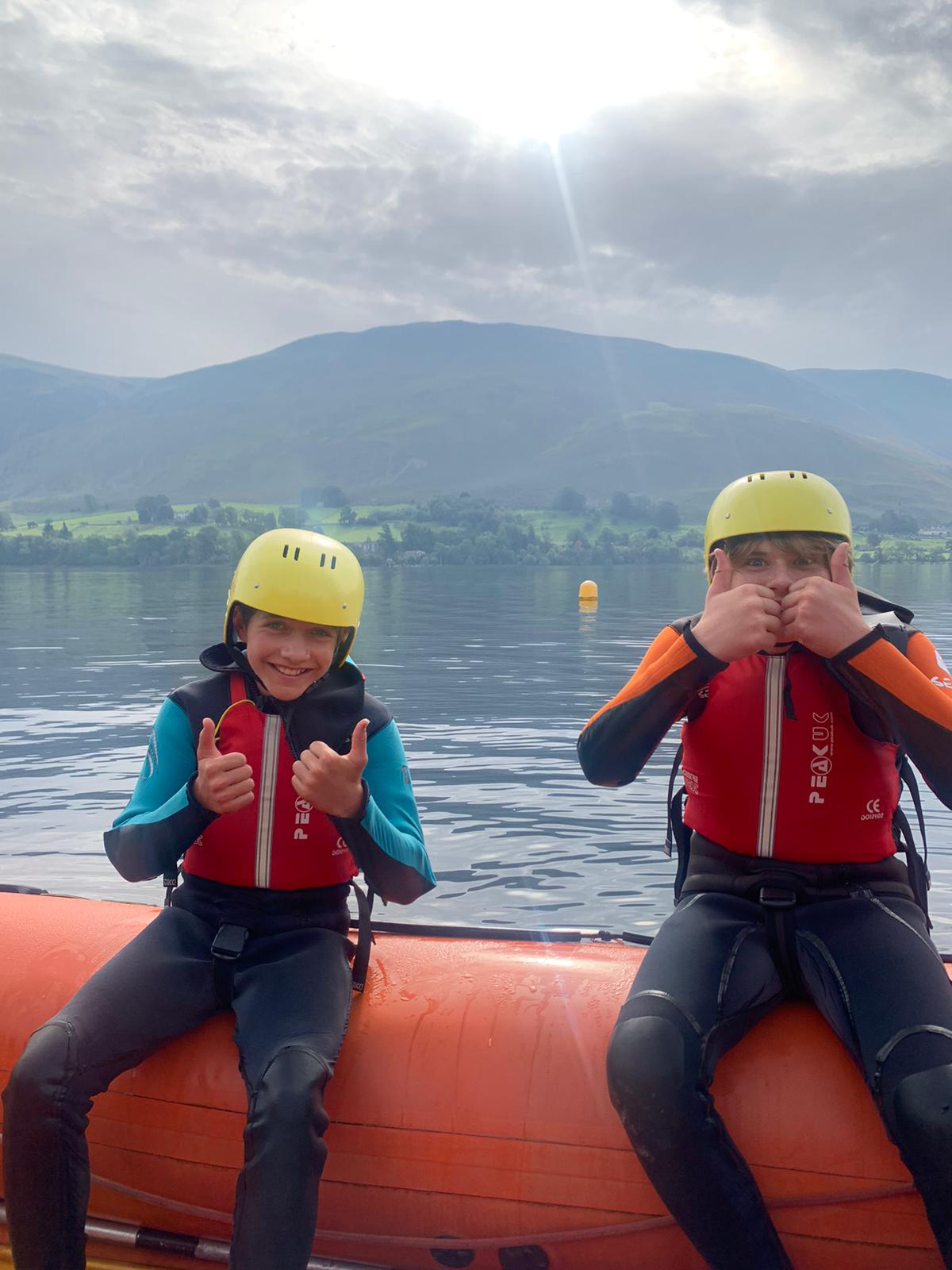
Following last week’s on-site induction, Block 3 students visited Ullswater this week, where they took part in a five-day multi-activity experience with their tutors. 

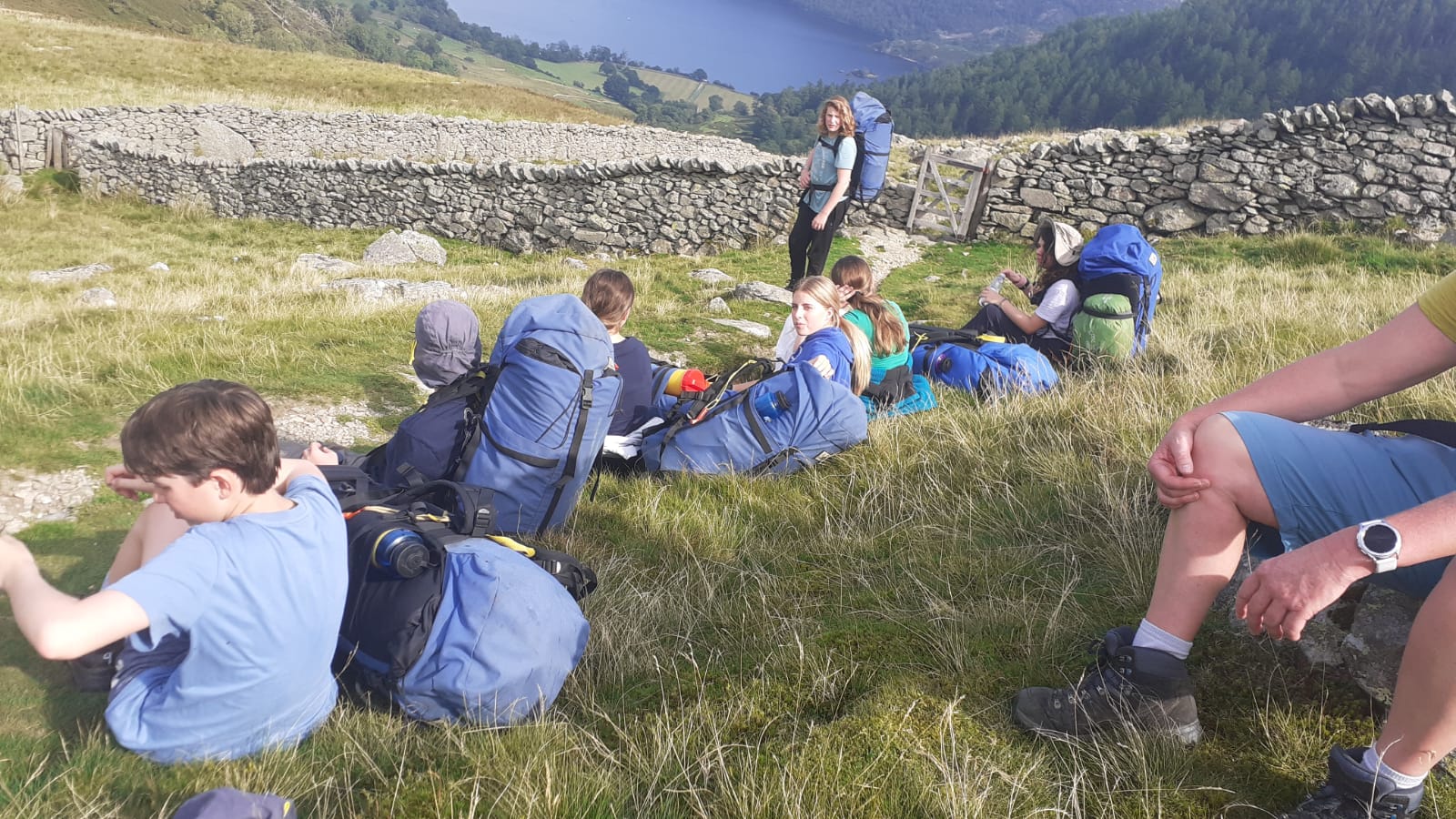
As well as trying their hand at activities such as gorge scrambling, rock climbing, abseiling, hiking, canoeing, kayaking and rowing, students completed a two-day expedition in the Lake District, before returning to Bedales on Friday afternoon.

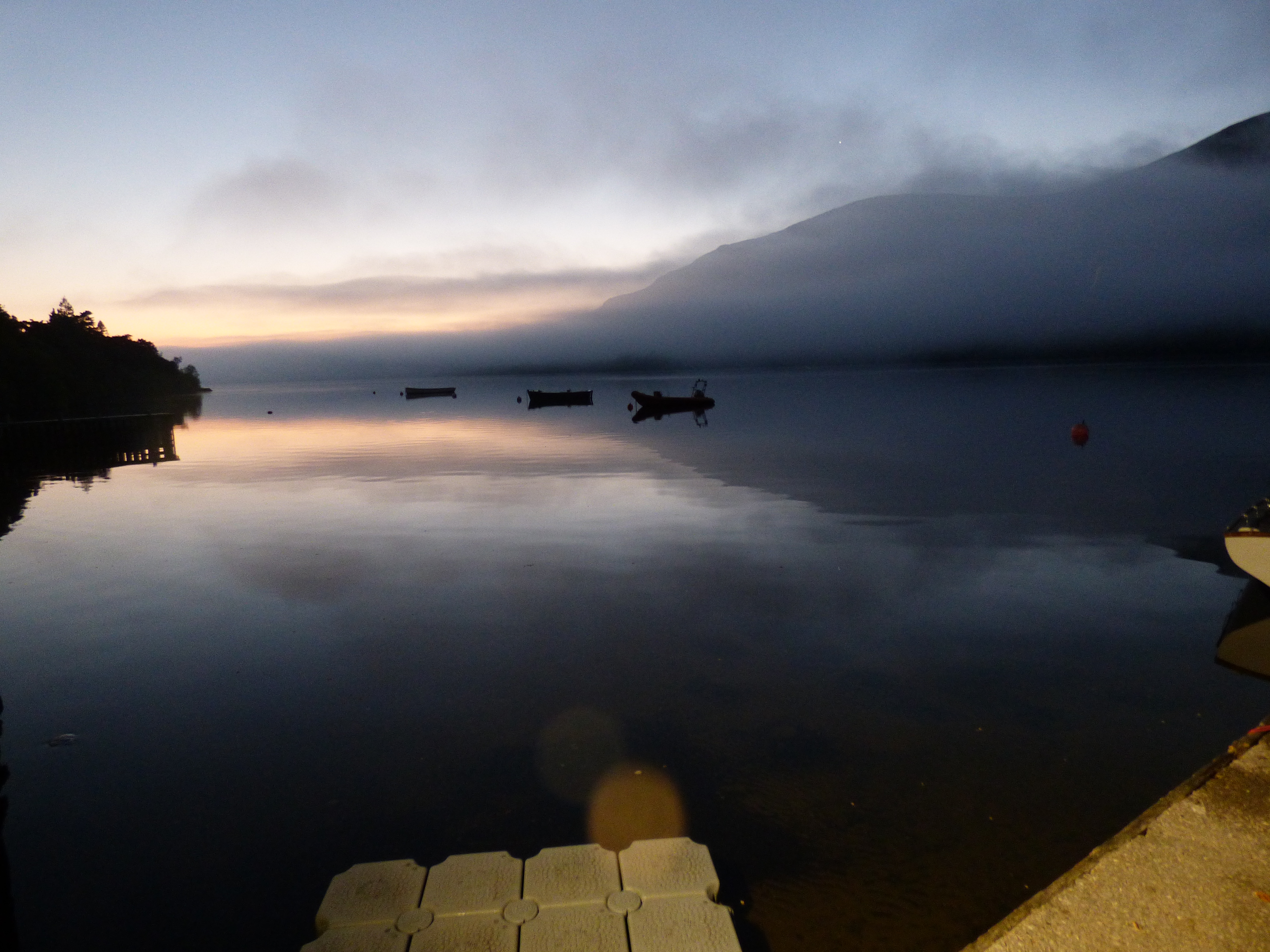
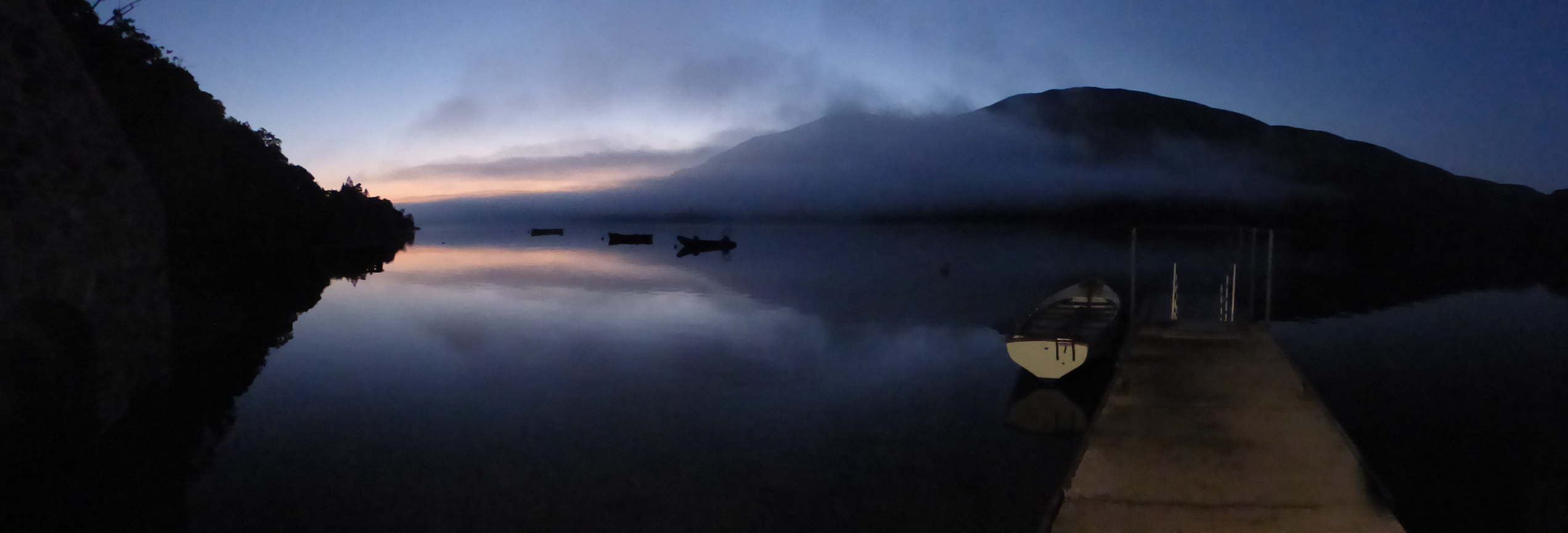
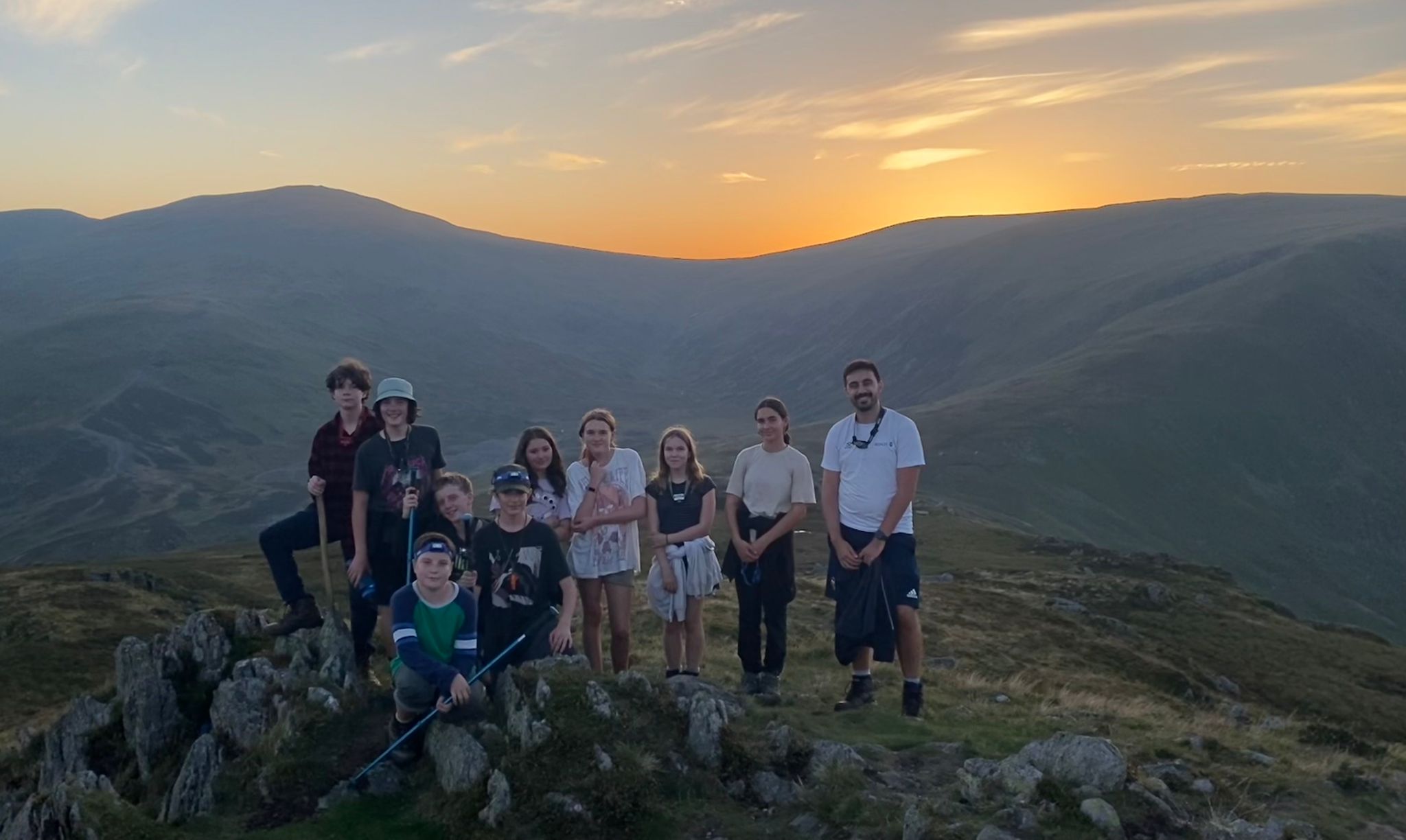
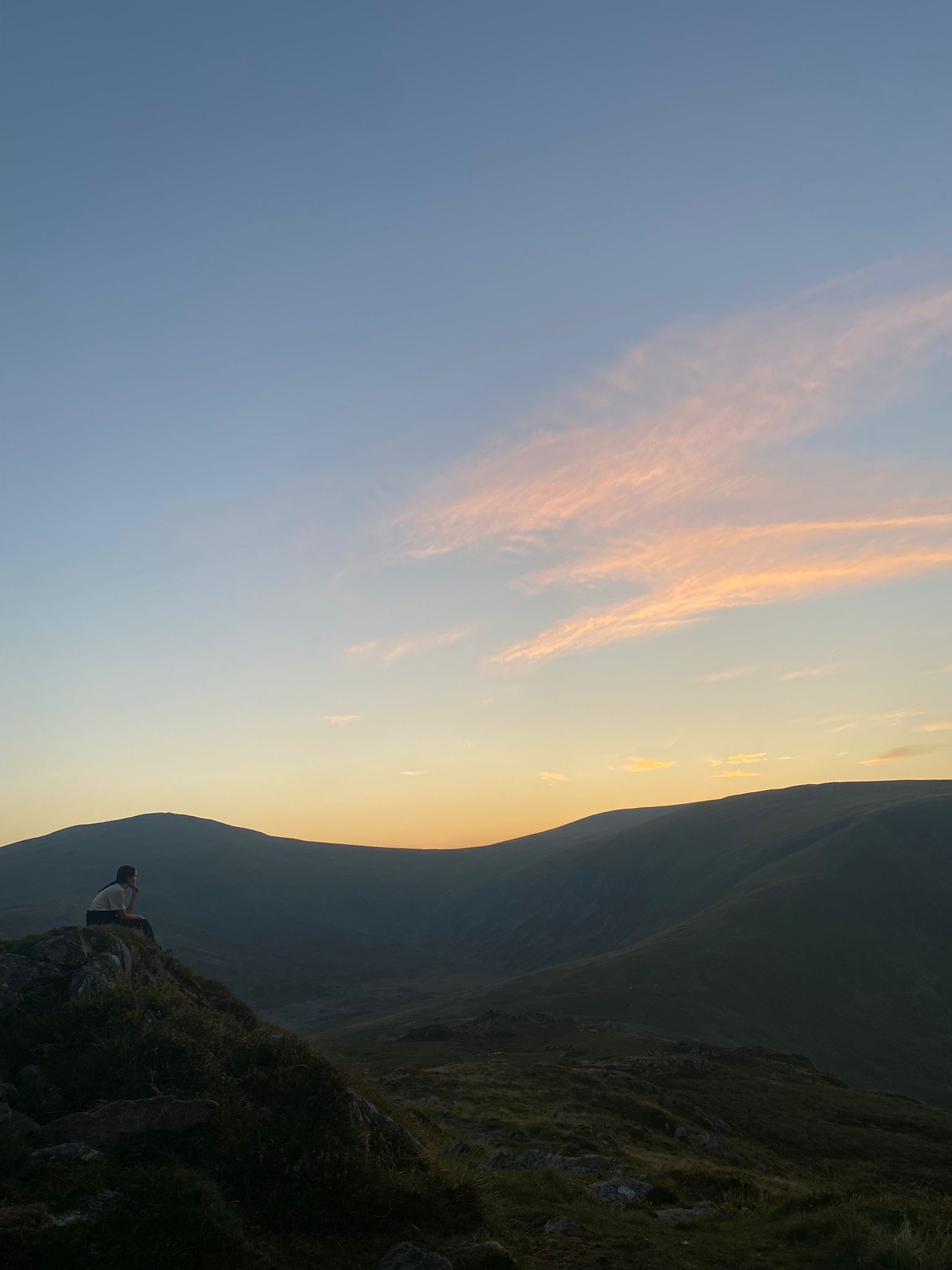
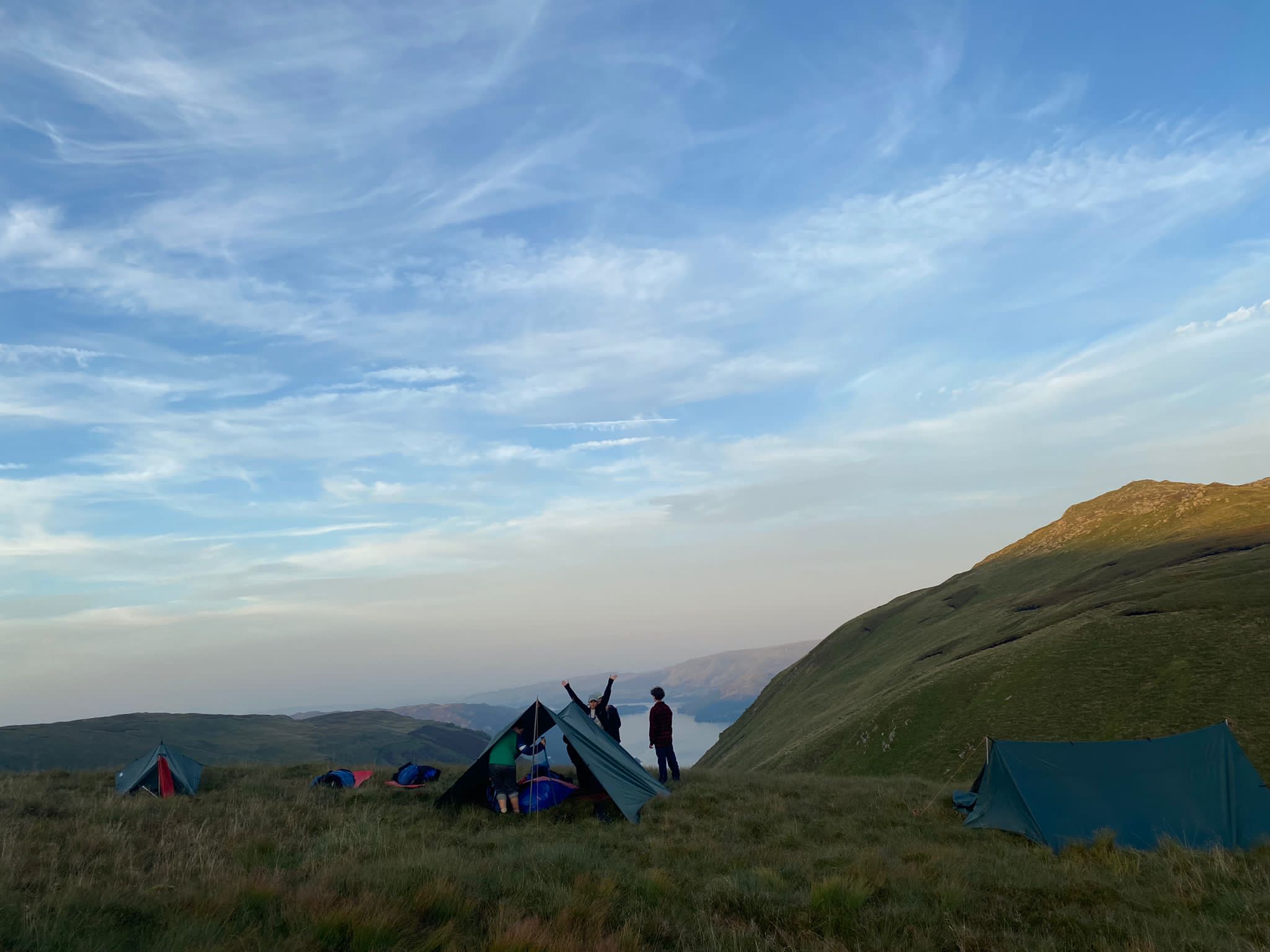
On Wednesday evening students climbed a mountain peak to reach their wild campsite in the Ullswater valley (pictured above). See more photos from the Ullswater trip below:

Tackling fast fashion with the return of the Free Shop

By Clare Jarmy, Assistant Head (Learning & Development)

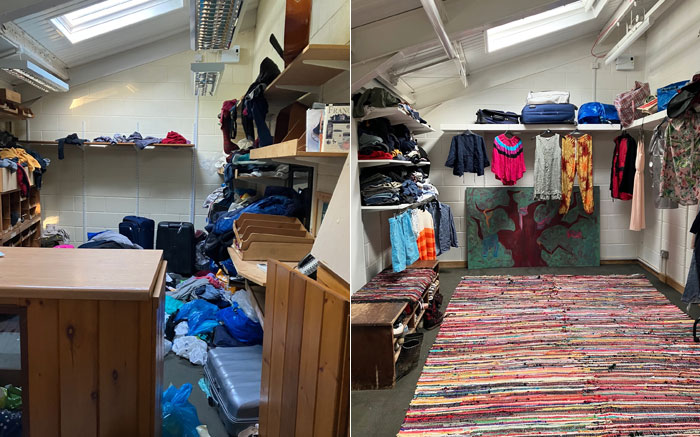
When, in September, we walked into what had been the Swap Shop (pictured on the left), I think all our hearts sank. It was a total mess. The shop had closed suddenly at the beginning of the first COVID lockdown, and it was our job to resurrect it.

Understandably, it had become a place where lots of lost property had been put, and amongst donations of clothes, other stuff had crept in: school books; stationery; lost DofE equipment; towels; broken electronics; suitcases. All the ephemerata of boarding life! 

Everyone in Block 3 has worked on this project and on Parents’ Day, we were able to welcome our first visitors to the transformed shop (pictured above, on the right). The Free Shop will continue to run next year, and will be a good opportunity for those doing community service at Bedales. Student volunteers and donations always welcome!

Phoebe Cake: When we started the project, the Free Shop was known as the Swap Shop and it was originally intended for clothing swapping, trading, and possibly buying. We got into the shop and continued cleaning the insides and sorting clothing, and halfway through this process we decided that the shop should be called the Free Shop. We were inspired by hearing of another shop that was coming from a place of generosity and giving rather than swapping. But how do we keep up inventory? We are hoping for donations – but this is only possible with help from the community.

Henry Driver and Noah Huston: Our contribution to the Free Shop was primarily communicating with the Design team, and painting and putting up the shelves. We started off the term by deciding what shelves we were going to be using by collaborating with students from the other group. Then we helped paint the shelves, put up the shelves, and organise the hangers. Design Technician Emile Gailly was a key part of the project. From creating the shelves to helping put them up and re-upholstering furniture for the store, Emile was a needed cog in our very rusty machine. But through all of the ups and downs of the project we came out with a workable shop that would be able provide clothes for the people who needed it.  

Olly Westwood and Guy Cumming: This term in the Free Shop, we have been assembling the shelves in preparation to open in time for Parents’ Day; thanks to Design Technician Emile for helping us put them up in his free time. We fully repainted the shelves, and arranged for the walls to be repainted, too, to give the shop a fresh look.

Aidan Casey: I helped the Free Shop by emailing a member of staff to ask how much funding we would have access to so we could plan what we would do with our first problem – the carpet. As the carpet was stained, we spoke to Facilities who suggested two solutions: clean the carpet to see if that would get rid of the stains, or buy a whole new carpet. We later decide that as it was over our budget to buy a new carpet, we would clean it, and were glad to find that after cleaning the stain was gone.

Tommy Hornsby: I worked with others to talk to Facilities about cleaning the carpet. They did such a great job once it was done, as at the start the carpet had many stains. After the preparations, in the last week we got the clothes into the shop and organised ready for the opening on Parents’ Day.

Paige Winstone: We created an ethical order form to establish whether any items we needed to purchase for the shop were ethical or not. In our form we questioned the ethics of the product so that if we did buy something, we would be able to make sure that the product fit with the Free Shop’s ethics. We had questions like ‘where was it made?’ and ‘who made it?’ We wanted to make sure that we got something that didn’t harm the environment, people, or animals. We couldn’t replace the carpet that was already there, so we decided to buy a rug and put it over top of it. Clare and I started looking for an ethically produced rug. We found one which, although it was from India, it was ethically made by women who were treated well with a good pay. It was also made from old scraps of fabric. It was reasonably priced, so we bought it with some of the £650 funding we received from the Bedales Parents’ Association (BPA). Now it looks great in the Free Shop and brings a lovely pop of colour to the room. 

Jack Laing and Iris Oliver: Throughout the renovation of the Free Shop we painted and put up shelves, cleaned the carpet, bought a new ethical rug, organised clothes and accessories, collected, cleaned and fixed clothes rails, fixed and renovated a shoe bench, and much more. We worked together using our Projects lessons and extra time (a special shoutout to Arthur Searby for his hard work in Badley Times!) along with Clare Jarmy, Matt Meyer and Mungo Winkley, Emile Gailly and the Facilities team to put it all together. 

Jamie Bolton: I helped re-upholster the leather shoe bench, where we had to ask Emile Gailly, Design Tutor Technician, for materials and tools to modernise the bench, but also keep its history there. 

Platon Lesnevskiy: I helped put up all the shelves up and spoke to Facilities to arrange for the carpet to be cleaned. We carried clothing donations from Boys’ Flat to the Free Shop, sorted the clothes and shelved them ready for Parents’ Day.

Aidan Casey: The final job was moving the donated clothing back to the Free Shop from Boys’ Flat and sort them, ready to go onto the shelves. This did take a bit longer than expected as a lot of the stuff was mixed up and we had to find pairing shoes!

Harry Burnell-Nugent: Working on the Free Shop made me think about the bigger picture of the world and the immense importance of today’s issues. Fast fashion is real, it is bad for the environment, and it is affecting how the world is run. We need to stop this and shops like this are the way forward. 

Leggy Vale: My experience with the free shop was mind opening; I learnt some things I would have never been interested in without this experience. We worked together as a team and had some great times. I have got to know many people and have seen what life is like without the true privilege many people at our school experience.