A letter to 6.2 A Level English

By Julia Bevan, Teacher of English

For the past two years, I have been in the unusual position of teaching a whole cohort of A Level English students. What a privilege this has been; first to get to know you all last year through studying the contemporary Poems of the Decade and an evening with Julia Copus, and then to guide you through some of the pressures of online learning.  

Certainly, my most fulfilling teaching moments last spring involved supporting many of you as you wrote your coursework essays. We worked together, adopting university-style tutorials that were really conducive to the task at hand. In this intimate learning environment, you rigorously dismantled and reassembled your analytical arguments, embedding close textual analysis and context into essays, and become young but impressive scholars of Seamus Heaney, and Arundhati Roy. It is wonderful that I have taught one or two of you since Block 4 and that a number of you are now determined to study English at university: what more could a teacher want?

In the autumn term of this academic year your focus and determination were remarkable. At times as a teacher managing the new COVID secure protocol on site was tough; but it was worth it so that I could introduce you to Mrs. Dalloway by Virginia Woolf in person and watch you draw comparisons between this novel and her older sister Wuthering Heights. Both novels deal radically with early forms of mental health, a subject on which you often edify me.You demonstrated such maturity and sensitivity in November, embracing hybrid teaching early on so that those of you at home self-isolating could stay part of the class discussion. You make me very proud and are a credit to your parents.

I believe passionately that we learn much from creating peak experiences inside and outside the class room and I had hoped to take you on a weekend trip to Haworth in Yorkshire, to visit the Parsonage where Emily Bronte died and to walk up onto the Moors to Top Withens, a remote, abandoned farm considered to be the inspiration for her only novel. Instead we returned to our homes and computer screens and I have had the challenge of trying to inspire you with the poetry of John Keats. 

A poet of the senses, he is a joy to teach in the winter and early spring in Steep, ideally in the Meditation Hut or the Lupton Hall, where two years ago I launched the first ‘Eve of St Agnes Experience’ with Lucy McIlwraith. 

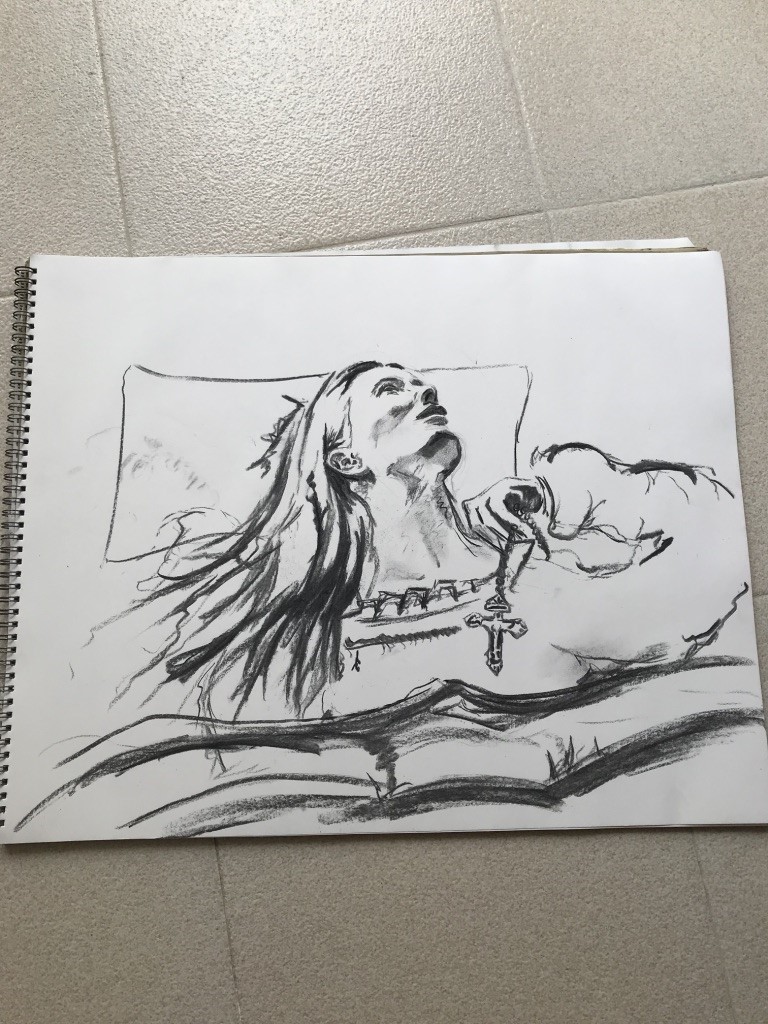
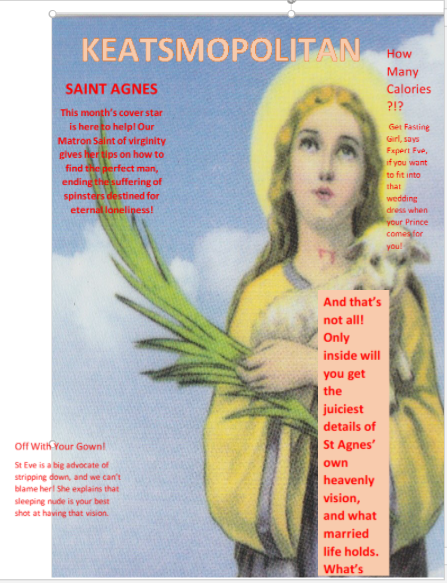
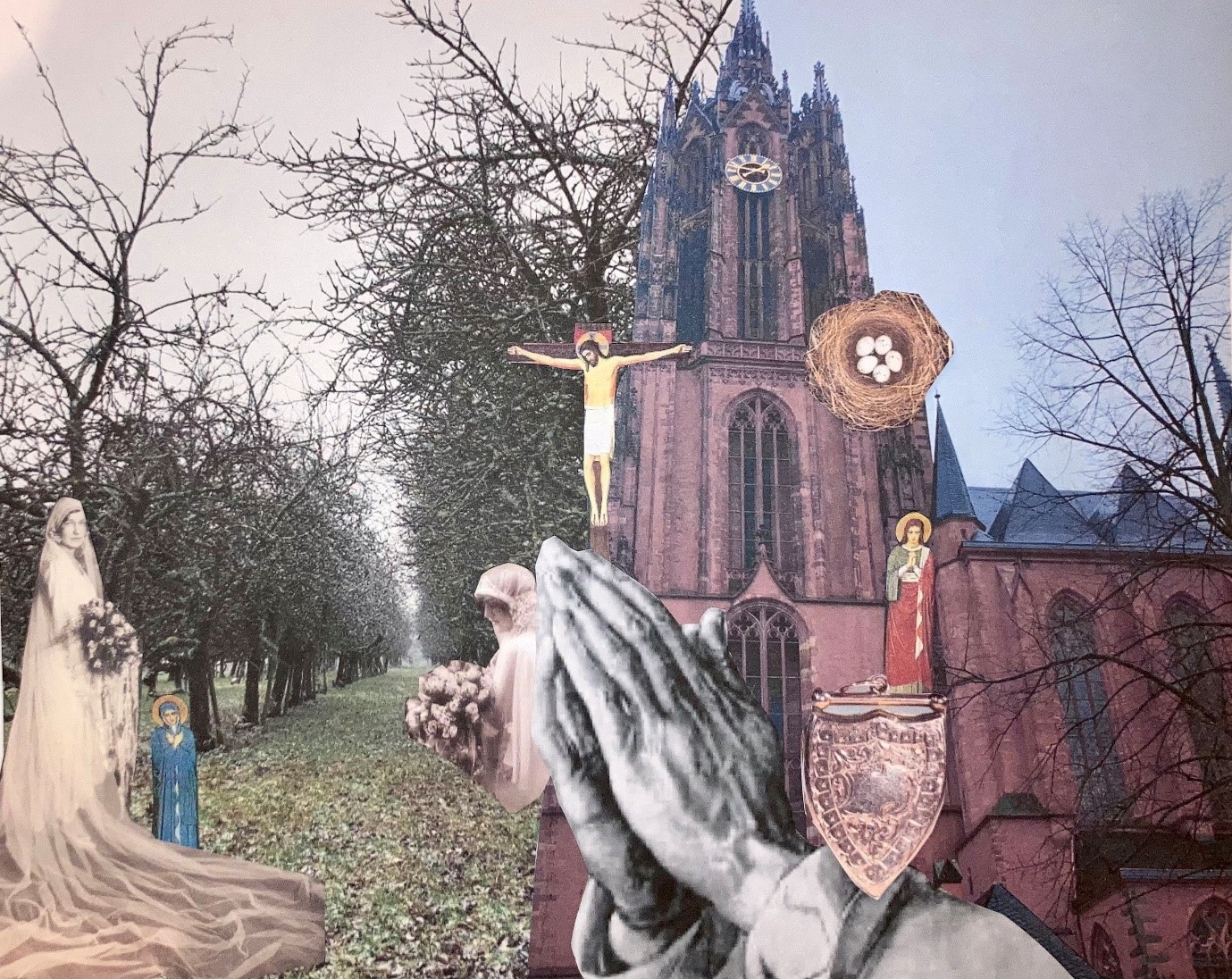
This year I asked you to work on collaborative creative responses to the poem and I have been amazed at what you have achieved from homes many miles apart. Your original work neatly coincides with the publication of an essay entitled ‘Weavers of Dreams in The Eve of St Agnes and A Midsummer Night’s Dream‘ in the English and Media Centre EMAG, co-authored with my partner in Keatsian crime, Lucy. I’ve decided this will be my third and last Keats’ experience, and hope to teach Shakespeare next year. It makes sense to end on such a high.

To all of my 6.2 English students: thank you. “St Agnes moon hath set.” 

Professionally mentored Design project

By Huxley Green, 6.1

6.1 Product Design students have been continuing with the first full project of their A Level studies: designing a learning space to be placed somewhere on the school grounds. This project was to be inspired by a notable designer and feature the use of two particular materials; each student was allocated a different designer and combination of materials. We were then asked to come up with conceptual ideas to be expanded upon at a later date. These would be represented by research and design work in our sketchbooks, a scale model and a CAD model using SolidWorks. Final presentation boards were presented to Old Bedalian Patrick Lewis, a practising architect based in London who is running the project alongside Bedales Head of Product Design Alex McNaughton.

Unfortunately, as we re-entered lockdown in January, most students have been unable to continue their model-making at home, so this has been delayed until later in the year. However, it was possible for us to continue our projects using Adobe InDesign and Photoshop along with SolidWorks from home on their own computers. In-house video tutorials aided us in progressing independently alongside our online classes and one-to-one instruction.

These sessions allowed us to create a wide range of impressive presentation boards, which were presented to Patrick. We each had a window of time to talk Patrick and Alex through our final design at the online group critique presentation session on 28 January, before we received feedback from Patrick about how we could continue and improve our projects.

My project was to combine the beautiful campus and the high-quality Music and Drama of Bedales into a missing element; an outdoor stage inspired by Charles and Ray Eames (my allocated designers), using concrete and plywood (my allocated materials). Other projects included quiet reading areas, sensory learning spaces for Dunannie, social areas and a library/café.

Patrick seemed to be impressed by a scope of designs produced by 6.1 students and we hope to be able to present our evolved and developed ideas, a scale model, and revised and improved presentation boards to Patrick in person later in the year.

Old Bedalian news – February 2021

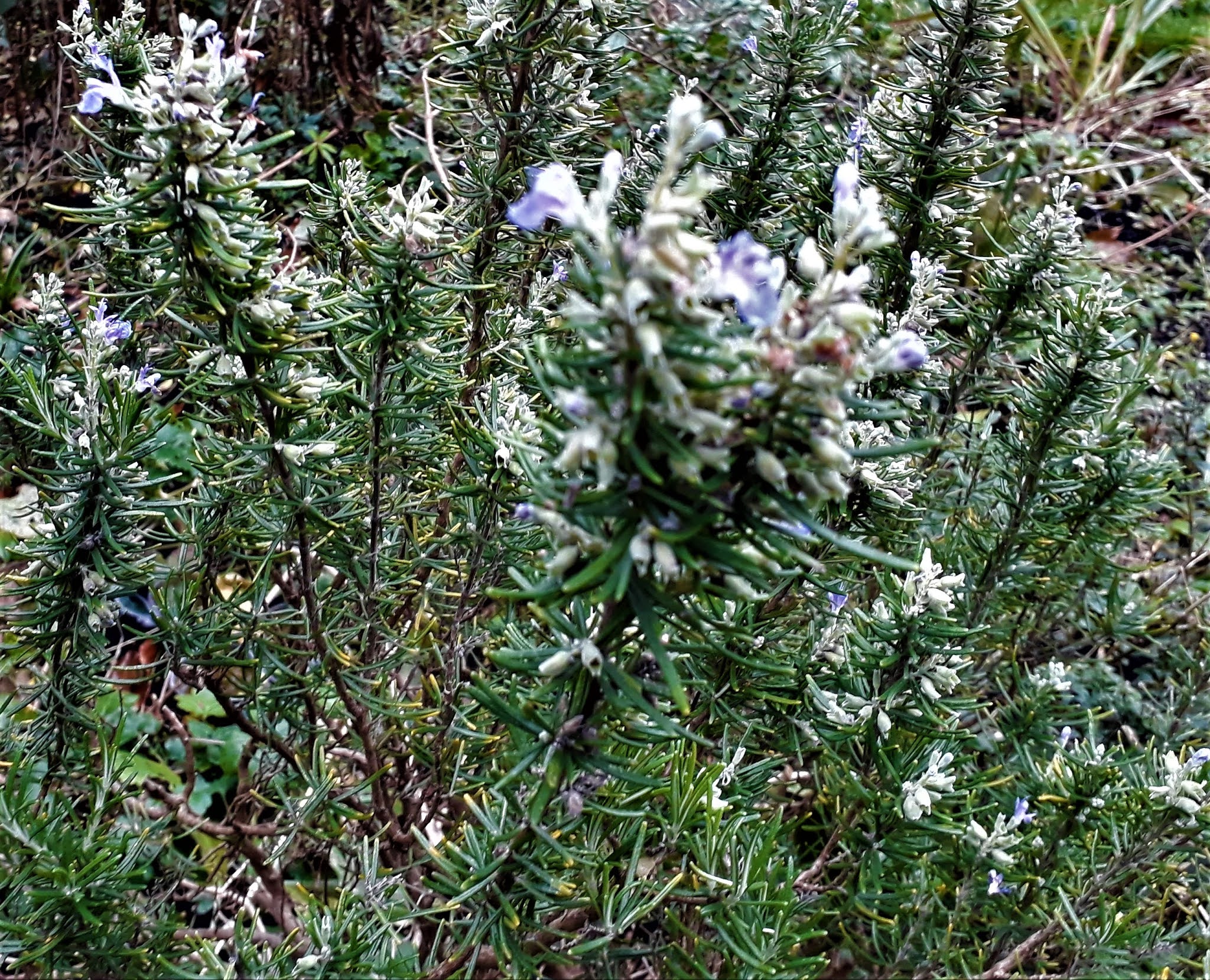
Barty Phillips (nee Brereton, OB 1946-1950), former Design Correspondent for The Observer who has written around 30 books on gardening and the home, has launched a blog to keep her focused in lockdown.

Barty’s Garden explores Barty’s passion for gardening through regular posts that focus on everything from winter flowers and Evergreen trees to observations from her garden in the snow, each illustrated with beautiful photographs.

Read Barty’s blog here.

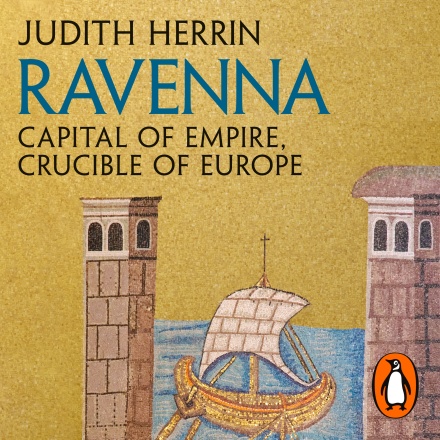
Judith Herrin has kindly gifted a copy of her new book, Ravenna: Capital of Empire, Crucible of Europe to Bedales’ Memorial Library, following the book’s publication in August 2020.

A TLS, Spectator and Telegraph Book of the Year, the University of Oxford’s Peter Frankopan describes Ravenna as “an outstanding book that shines a bright light on one of the most important, interesting and under-studied cities in European history. A masterpiece.”

Find out more about Ravenna here.

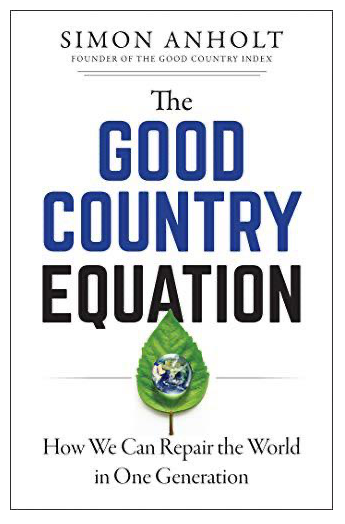
Simon Anholt‘s new book, The Good Country Equation: How We Can Repair the World in One Generation, was published in September and has now been chosen by #UNGenevaReads – the book club of the United Nations in Geneva – as their Winter Read. Find out more about the book here.

#UNGenevaReads is hosting an online conversation with Simon Anholt to discuss the book and tackle tough questions like ‘Why doesn’t the world work like it should? How can the world work together?’ on 26 February. Find out more about the event here.

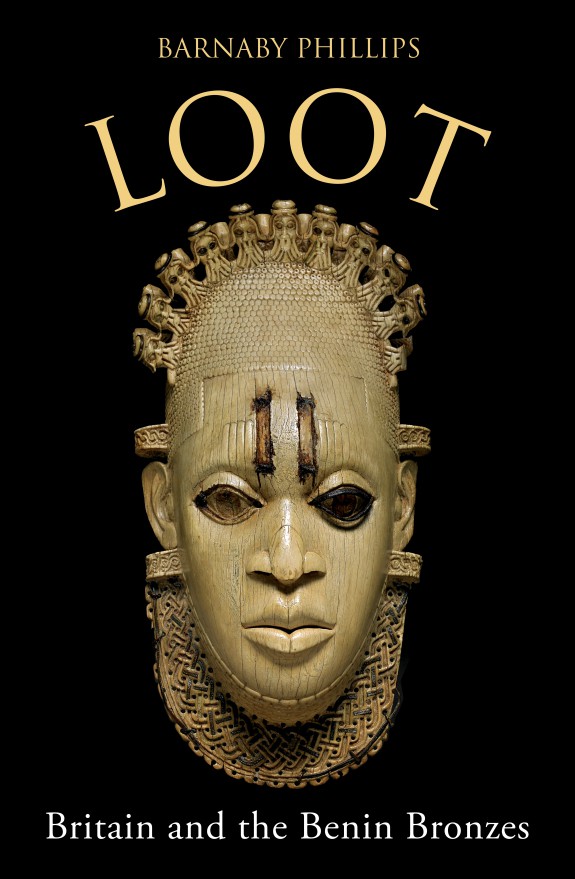
Barnaby Phillips’ new book, Loot: Britain and the Benin Bronzes, is set for publication on 18 March. Loot tells the story of a tragic and relevant chapter in British and African history, the defeat of an ancient kingdom and the story of some of Africa’s greatest works of art.

Gus Casely-Hayford, Director of V&A East and former Director of the Smithsonian National Museum of African Art, said: “This timely, thoughtful and beautifully crafted volume deftly guides us through a truly astounding passage of events. These are the kind of histories that change the way that we look at things we thought we knew – whilst shocking us at the things that we simply hadn’t grasped.”

Find out more about Loot here.

Delilah Montagu is celebrating the release of her new EP, This Is Not A Love Song, her first EP since 2019’s Gold.

The EP includes recent singles ‘Us’, ‘Loud’ and ‘Version of Me’, as well as three previously unheard tracks. Listen to the EP on Spotify here.

Jacy Wall (nee Davies, OB 1960-1968), tapestry weaver and printmaker, is represented in an extensive new craft show at Soshiro Gallery in Welbeck Street, London, along with nearly 100 other international makers.

Crafting a Difference runs from 21 January until 2 April 2021, although currently online due to COVID restrictions. A selection of work will also be streamed in the Crafts Council’s annual show, Collect, which also takes place online in February. For more information and to view the show, click here.

A changing approach for Further Maths

By James Welham, Head of Maths

With around 90,000 students in the UK opting for A Level Maths, and around 15,000 of those opting for Further Maths, Maths remains a popular choice, both at Bedales and in the UK, and highly regarded by universities.
 
Up to now we have taught Further Maths distinctly from Maths: different classes ensuring that those opting for further mathematics were taught separately. In 6.1, Further Maths students completed the Maths A Level, waiting until 6.2 to start – and complete within the year – the Further Maths A Level. Whilst this approach has many merits, it also has some negative impacts on both groups of students.
 
I am deeply conscious of the challenges that the current Block 5 students have faced.  Two periods of national lockdown and the uncertainty of grades this summer has meant that students starting their studies in September will do so from a very different point than might have done under normal teaching conditions.  With that in mind, giving students the best possible chance to succeed with maths has never been more important.  Therefore we are going to change the way we teach Further Maths next year.

Students opting for Maths and Further Maths in September will learn both A Levels in parallel. In 6.1, students will start both the Maths and Further Maths A Levels, taking the full two years to complete both courses.  They will learn mathematics alongside single maths students, mixing with their peers and importantly taking time to revise and build upon their work at IGCSE.  In Further Maths classes they will study Core 1, the first of the two compulsory modules, and be introduced to topics such as Complex numbers and Matrices.  They will also study Decision Mathematics, a new area of mathematics for many and one with applications to computer science.  Studying these two modules in 6.1 offer an early opportunity for pupils to be introduced to some interesting and challenging ideas whilst exploring new areas of maths.  In 6.2, students will complete their study of Maths and study two more modules, so completing Further Maths.

For those students whom this will affect, I hope that this explanation will bring both clarity and a sense of excitement about what next year might hold.

A selection of Sixth Form Art

By Andy Cheese, Teacher of Art

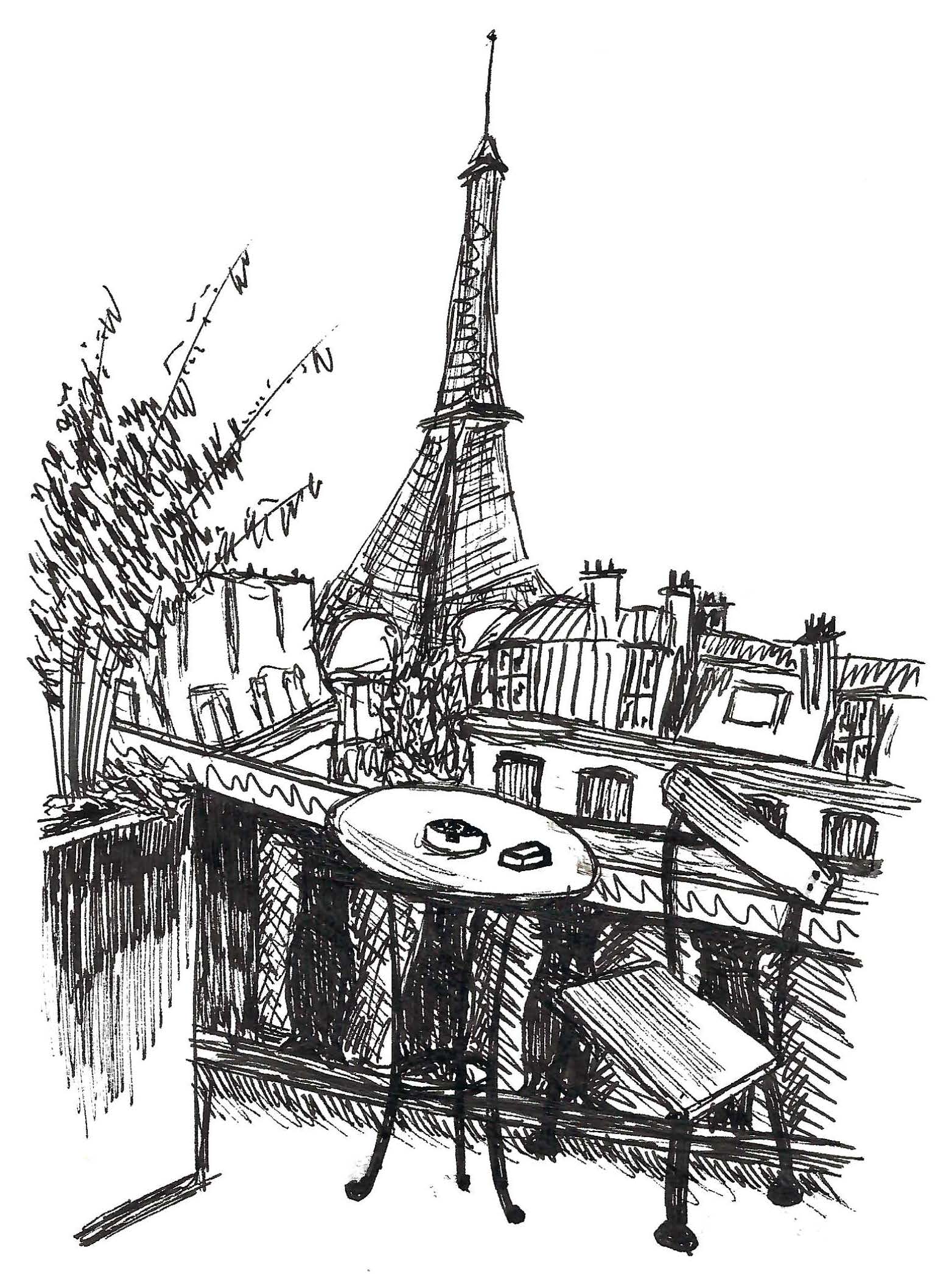
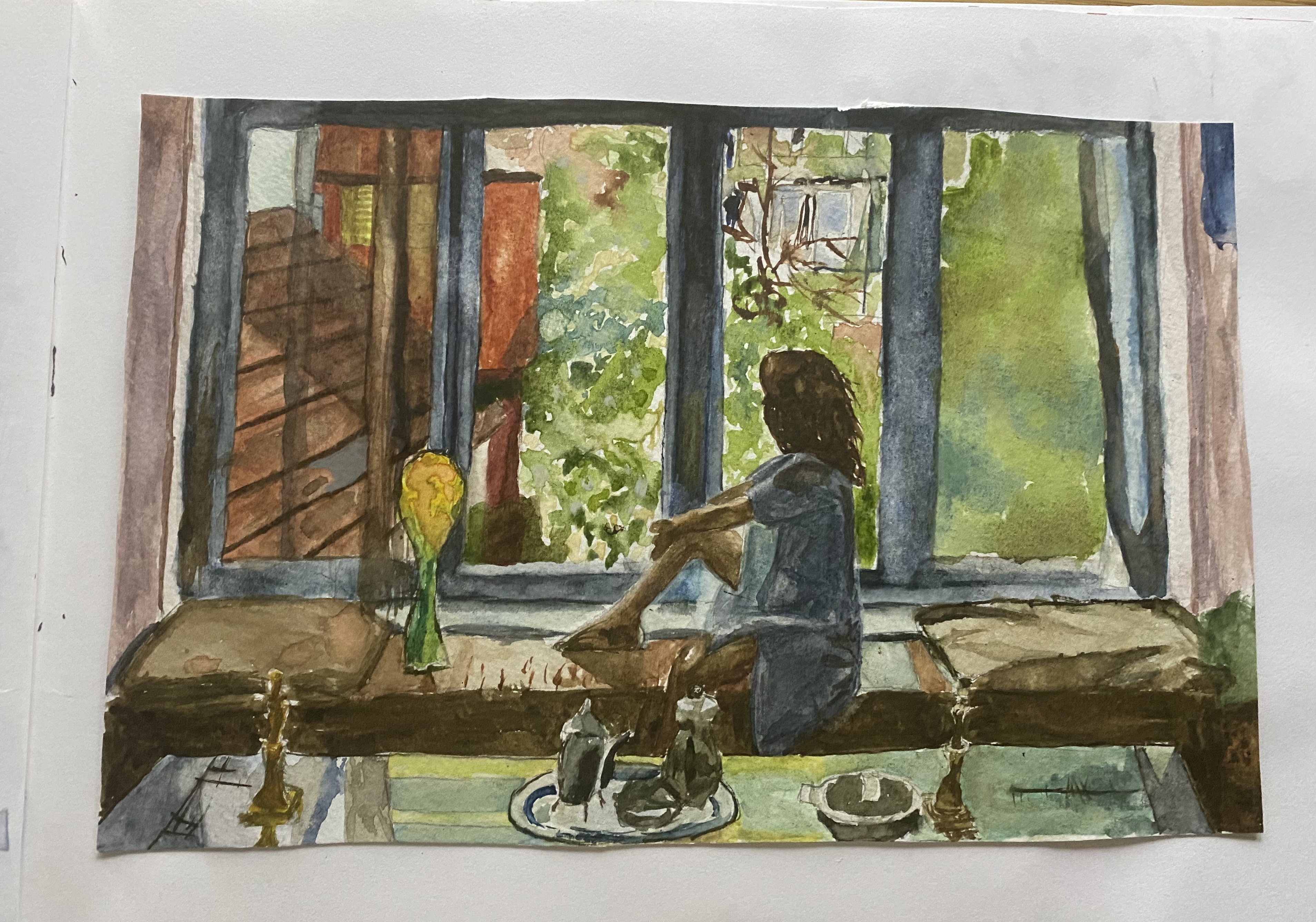
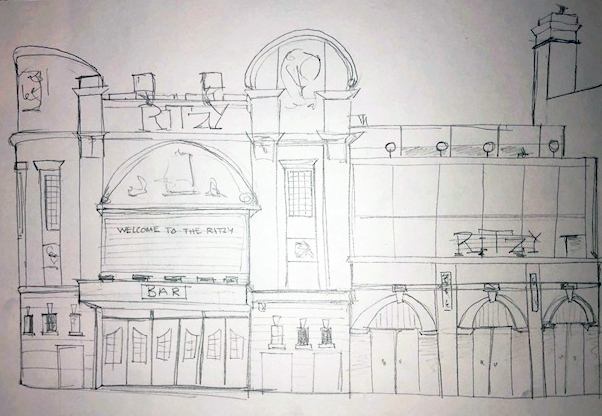
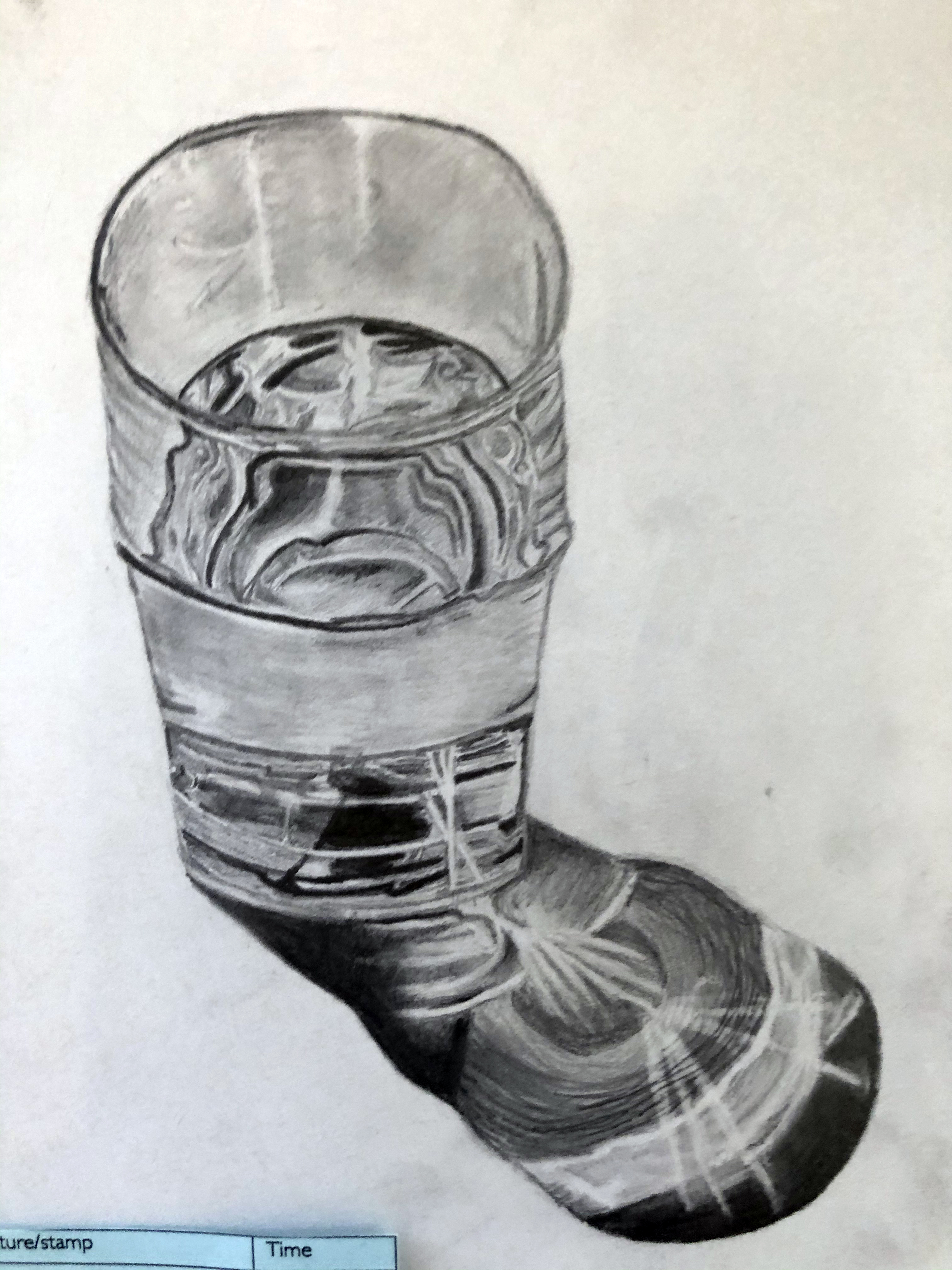
In this week’s Art update, I’m sharing some work from our Sixth Form students. These pieces are part of the work set over the Christmas holiday – some are prep and others are the students’ responses to mock exam papers. While online learning comes with its challenges, Art lessons have been very positive so far. See more of the students’ artwork below.

Filmmaking, comic strip designing, podcast recording and lecturing – English students embrace online learning

By Lucy McIlwraith, Teacher of English

As teachers, we’re very aware of the problems associated with screen-time and have been looking for ways to have students present their ideas that don’t involve toiling in the blue light of their laptops. So, over the last few weeks of online learning, Bedales students have had lots of opportunities to present their work in all sorts of ways. Here are a few of the things students have been doing with the English department.

In Block 3, students have been producing their book reviews as short films, some of which you can see here.

The Block 4 English Language students have been studying a variety of 19th century fiction genres and learning about what has made novels so successful. As part of this, many of them have been asked to make comic strips or Gothic films as a way to understand just why isolated castles, terrible weather and mysterious strangers have become such integral parts of Gothic literature. You may remember this is something we did with last year’s Block 4s in the summer term so maybe we have the makings of a yearly film festival at Bedales! See some great examples from Julia’s class here.

6.1 English Literature students are currently studying A Streetcar Named Desire and have been given a choice of performance tasks. We have some students writing re-creative scenes, re-imagining Blanche, Stanley and Stella in different times and places; some aim to learn and perform a key speech of one of the main characters with costume and full dramatic effects; others are working on mini-lectures about themes and ideas in the play such as how music is integral to an audience’s experience of the play in the theatre. 

Block 5 and 6.2 students have been preparing for internal assessments but they have still been able to get away from their screens to produce useful revision materials for each other. Block 5 have produced informative documentaries about something they know well such as climate change or chicken-keeping in order to practise the skills they need for paper 2 of their GCSE English Language exam.

Meanwhile, 6.2 English Literature students have been busiest of all, making lectures about ‘Othello’ either as audio files or filming themselves (in Jago’s case, filming his hands making meticulous notes!) 

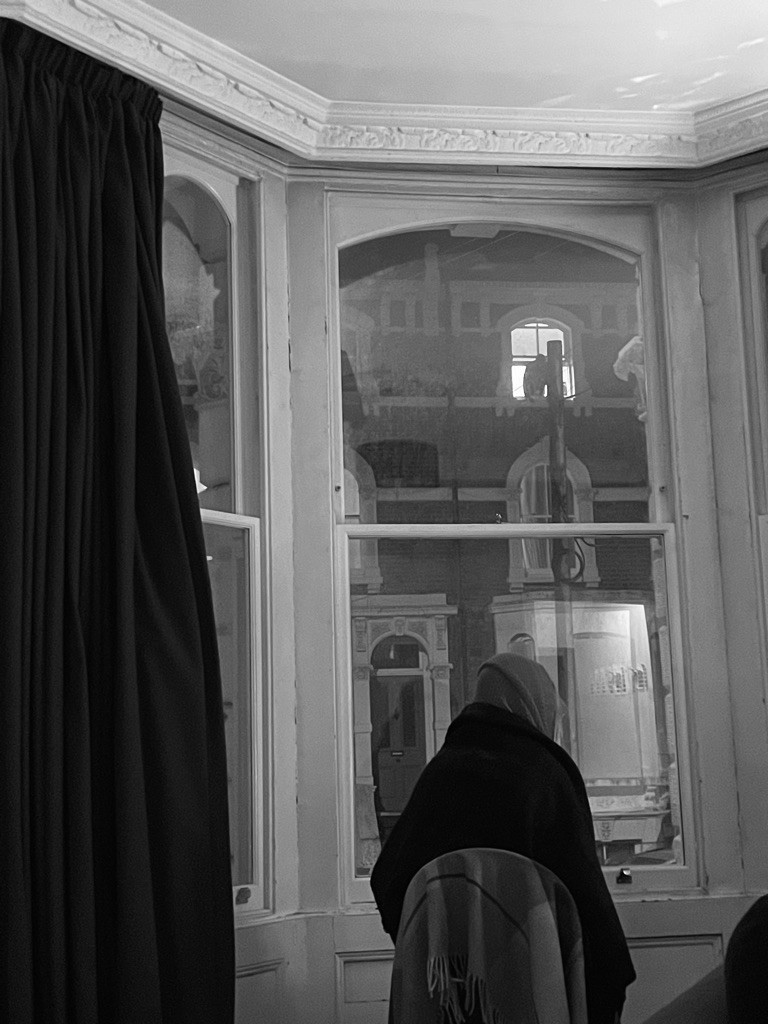
The pièce de résistance, though, will doubtless be the now traditional Eve of St Agnes Experience which this year has had to undergo some changes. Unfortunately, we can’t recreate the midnight feast enjoyed by the poem’s characters Madeline and Porphyro in the same way as in previous years, but can still wish ourselves into their world with photos re-creating key scenes and poetry workshops writing verses we think Keats would have included if he could! Look out for more on this from Julia in next week’s Bulletin.

Building resilience through self-awareness

By Kirsten McLintock, Head of Wellbeing

The focus for wellbeing this term is on cultivating resilience, the cornerstone of which is self-awareness. This week, students have completed a wellbeing assessment using the Warwick-Edinburgh Mental Wellbeing Scale (WEMWBS) to measure good wellbeing. The assessment was used to facilitate a discussion about how we need to be using our Wellness Jar to ensure we look after our mental health, which we hope will increase our scores on the WEMWBS when we complete it again in the coming weeks. You might wish to complete the assessment yourself as it could scaffold a reflective, sharing conversation. Access the WEMWBS here.

To aid introspection and develop self-awareness, Blocks 4 and 5 have been practising mindfulness. Jon Kabat-Zinn brought contemporary mindfulness to mainstream medicine and psychology through clinical intervention programmes such as Mindfulness-Based Stress Reduction (MBSR) and I trained in Mindfulness Based Cognitive Therapy (MBCT) at the University of Oxford. At Bedales, we are using meditations from Calm. Calm incorporates mindfulness practices from MBSR and MBCT without religious or spiritual discourse; it features meditation for sleep, anxiety, focus, motivation, self-esteem and gratitude, as well as gentle movement, stretching, nature panoramas and music designed to help you focus and relax. Calm provides the structure and guidance necessary to facilitate a daily meditation practice and mindful awareness. There is also an ‘Emergency Calm’ meditation that provides relief for feelings of being overwhelmed or stressed.

Students in 6.2 or Block 5 who are about to embark on a week of assessments may wish to consider using Calm’s ‘7 Days of Calming Anxiety’ course, which is available as a free trial on the Calm app. As we have been discussing in Wellbeing lessons, we must all take responsibility for maintaining our mental health and placing self-care alongside our other commitments. Key to resilience is self-awareness of stituations that may ignite stress and/or anxiety, and the actions we take (self-care) to manage them. The ‘7 Days of Calm’ series was a huge help to me and explained to me why we feel anxious, how to pause and feel those thoughts instead of pushing them away. It was insightful and, of course, calming.

Deanna Rodger inspires

By Jamie Thorogood, Block 4

At the start of this lockdown, I was worried we’d be missing out on all of Bedales’ brilliant talks and performances… but I stand corrected! This week we were visited by Deanna Rodger, a multi-award-winning slam poet, who joined us online to lead a workshop for Bedales students and give a poetry reading for Bedales Events’ annual Poetry Series.

For the workshop, there were about 12 of us, so it was easy to ask questions and get our voices heard. We started the workshop with an icebreaker – each of us had to write small sentences on what ‘freedom’ meant to us. Then, we compiled them all into one big, spoken poem, and Deanna performed it for us (I’m surprised at how good it sounded, honestly). In the end, I think we all concluded that ‘freedom’ for us meant not having to set an alarm in the morning!

Next, Deanna introduced us to free writing. Essentially, we had to write about something for three minutes without stopping or taking our pen off the page. It’s an exercise that really helps with writer’s block. Our first topic title was ‘A mother once said’, and we had three minutes to write a poem with that title. I did struggle a bit with it at first, but I got the hang of it eventually. After those three minutes we quickly moved on to the second title, ‘My face as a map’, then after that, the last one: ‘Home as a smell’. Once we’d put all our thoughts onto paper, Deanna told us to take our favourite sections from each of them and compile them into one, big poem. Although this stumped me slightly (I didn’t know where to start!), there were some absolutely gorgeous poems from everybody else.

After the workshop, there was just enough time for a quick dinner before Deanna’s poetry reading, talk and Q&A for Bedales Events. To open the event, Deanna led another icebreaker. We were told to think of the emotion we’d been feeling most that day, then write that emotion as a place, a food, a mode of transport and a person (I chose hopeful).

After that, Deanna started her talk. I bet it was hard talking to yourself in front of a camera, but she was so friendly it was like you were in the room with her. She performed two of her poems, Being British and Ode to Summer Infant Duo, both of which were engaging and beautifully structured. Afterwards, Head of English David Anson hosted a Q&A where Deanna talked about her inspirations (Mariah Carey, obviously), the time she wrote her first poem (after having a fight, obviously), and her plans to write a Disney musical (as does everyone else, obviously).

Both the talk and the workshop were excellent, and it was great getting advice from a real poet. I’m sure I can say on behalf of everyone that I hope Deanna comes back soon.

Maths gets messy

By Greg Clarke, Teacher of Maths

I am not sure what you are supposed to do first thing on a wintery Tuesday morning in lockdown, but how about an hour of mind-bending maths problem solving?! That is the reality for a flourishing community of Bedales students as we gather to address a range of enigmas, conundrums and posers that would challenge the intellect of any Bedalian, old or new, even – dare I say – that arch puzzler, Gyles Brandreth!

Messy Maths at 8.20am on Tuesdays in the Garrett Time activity slot has something for everyone. In the first week of lockdown, we looked at some of the hardest ever GCSE maths questions, including one or two problems that caused a furore on social media amongst students at the time. This was ideal for our most fearless students, particularly those thinking about doing or already doing Further Maths at A Level. For others, who understandably wanted a gentler start to a Tuesday morning, there were puzzles starting at one-star, such as: ‘A cage contains birds and rabbits. There are 16 heads and 38 feet. How many birds are in the cage?’

From there, you can move onto two-star problems. Just this week, we have introduced three-star problems and they are getting difficult: one mentions the radicals of a triplet of relatively prime positive integers, which gave me a queasy turn as I recalled baffling university lectures (it’s like that dream where it’s the night before your finals and you haven’t done any revision and you’ve forgotten everything because you haven’t been a student for 30 years!) So, it’s no surprise that I can’t find the inclination to contemplate the four-star problems just yet.

To complete the picture of what goes on in Messy Maths, we also offer the Oxford and Cambridge maths entrance questions for our serious-minded sixth formers. At the beginning, I thought I was going to be bombarded with questions, but everyone just gets on with thinking about what to do for themselves and the only time I ever get called upon is to answer the most popular question: “Can I check my answer?”

Block 3 student and Messy Maths regular Shoshana Yugin-Power says: “I have been really enjoying the maths and I am hopefully going to do some more work on sin and cos over the weekend.” Shoshana is one of around 100 Bedales students who entered the UK Intermediate Maths Challenge this week, an annual maths competition that has shifted online this year. Bedales has a good success record for several years, with plenty of Gold, Silver and Bronze awards, as well as invitations to the next challenge – the Kangaroo. 

Like I said, Messy Maths has something for everyone. Have you tried the birds and rabbits question yet? The answer is… Sorry, you’ll just have to come along to find out!

Spring Production prepares to go digital

The Spring Production is now well underway. 6.1 students are acting in ‘Machinal’ by Sophie Treadwell, one of our A Level set texts. It is a digital production and Joanne Greenwood and her team are already busy with the production elements. Sam Coleman, a member of theatre crew, tells us what is going on behind the scenes.

By Sam Coleman, Block 4

As the closure of school extends and we settle back into the routine of remote learning, the hard working stage crew bring their talented skillset to a new environment. Over last few weeks we have been working on Machinal, a stage show set in the 1920s, preparations for which will continue over the coming weeks.

With more time on our hands we are able to conduct more thorough research and find historically accurate sounds, videos and images for a more immersive and realistic experience. With the production team meeting for an hour once a week, each meeting consists of a brief rundown of tasks to fulfil, followed by a usually silent and hardworking 30 minutes of researching, sourcing, snipping and downloading. After we reconvene and share our findings, we work towards creating a scene or making edits, adding in and layering sound effects, finding visuals to go with our ‘soundscape’ and ensuring the highest quality possible.

The stage management team have been researching historically accurate props and locations to assist the actors in imagining their environment, whilst the wardrobe department have assigned costume supervisors to work with each actor to help them style costumes and hair from what they can find at home. As our soundscapes and accompanying visuals begin to fit together nicely, it will be great to see how the project progresses in the weeks to come.