At the end of September, our long-serving Head of Admissions, Janie Jarman, leaves Bedales after 21 years of unstinting service to the School. Annette McCormack has taken up the reins as the new Director of Admissions and she is already enjoying getting out and about meeting members of our community.
We are so grateful for everything Janie has done and given to the School. As one former colleague said: “Her knowledge of the place extends to its very roots – she believes in it and that shows when she is talking to any and everyone.” Janie will always be a special member of the Bedales community and a friend to so many colleagues, parents and students.
Staff and BPA reps recently thanked Janie and presented her with gifts at a gathering in the Sixth Form Social Space. Read the leaving speech for Janie given by Rob Reynolds, Director of External Relations, below.
I feel humbled that I am the one to talk about someone who has had such a profound impact on the lives of so many people. I will try and do justice to the huge impact Janie has had on this place.
Some of you will know I like numbers and when you look at admissions numbers, they are staggering.
During her time, Janie has overseen the recruitment of over 3,000 students to our three schools. To recruit that many new students means managing more than 15,000 enquiring families and organising at least 100 open mornings.
During this period, Janie has been wise counsel to all the heads she has seen come and go across the three schools – Keith Budge, Magnus Bashaarat, Chris Sanderson, Jonny Cully, Penny Watkins, Jane Grubb, Sarah Webster, Katie Potter, Jo Webbern, Victoria Homewood and the current trio of Will, Colin and Fiona.
Janie has been the face of this School for over 20 years. In Olympic cycles, that would have seen Janie compete in 6 games in Athens, Beijing, London, Rio, Tokyo and most recently at Paris.
When we decided to broaden admissions internationally, it was Janie who travelled the world to find the right students – leaping on planes to attend recruitment fairs. I’ve counted up 13 countries: China, Singapore, Malaysia, Hong Kong, France, Monaco, Jersey, Switzerland, Spain, Turkey, Dubai, Norway and the US.
In recent years, Janie oversaw admissions through the COVID pandemic, ensuring no reduction in the numbers and the right calibre of student continued to join us.
Since we launched the John Badley Foundation, Janie has helped to transform the lives of 37 young people on full bursaries helping them navigate their way through the school. When Russia invaded Ukraine, it was Janie who quickly helped 10 displaced young Ukrainians to join our school on fully funded places.
Of course, behind every number there is a human story.
This is what how one of the parents responded to the offer of a place:
“This opportunity has brought immense relief to our lives. Finally I can breathe out and begin planning for our future with renewed optimism. The magnitude of this gesture is truly awe-inspiring, and I am overwhelmed with gratitude…The joy and excitement that my children are feeling cannot be put into words…For the first time in a long time, I feel absolutely lucky and happy.”
Now I don’t normally turn to the Daily Telegraph for inspiration but I would like to quote from an article it published about the rudeness and arrogance of school admissions offices.
“Admissions never answer the phone.”
“The admissions office was so unfriendly I immediately struck it off my list of possibles.”
“When I called admissions to ask a few questions, I was told: ‘I have absolutely no idea, nobody tells me anything.”
The article likens independent school admissions staff to bouncers at a premium night club or a GP’s receptionist on the Monday morning after Christmas.
The piece then changes tack, saying, and I quote:
“There is beauty to celebrate in the world of admissions.”
It goes on to hand out a few gold stars or to continue the Olympics analogy, gold medals – including this one:
“The registrar at Bedales really understands the word ‘empathy’ and cares hugely about each visitor: she should be mentioned as exceptional.”
‘Empathy’ and ‘exceptional’ – to add to those descriptions of Janie, I turned to some former Heads and governors.
One governor said she is “emollient and adaptable”.
I had to look the first one up. Emollient means “attempting to avoid confrontation or anger; calming or conciliatory”.
Maybe that’s one side of Janie?!
He went on to explain that Janie provides that reassurance to so many parents who might be apprehensive, or sceptical or even too straightlaced to accept that Bedales can and does actually work. And that sometimes Janie has had to put right the damage done by others, be that an unusually-dressed tour guide, a disgruntled parent or a gruff colleague.
This showed through in research we conducted with parents who chose to go elsewhere, but still chose to tell us and I quote:
“I thought Janie was brilliant, really warm and helpful”
“Janie is incredibly communicative – nothing was lacking”
A former deputy who left us to take up a headship said of Janie:
“When I started at Bedales, Janie was already known as the doyenne of schools’ admissions and offered a model of warmth and engagement that other schools sought to emulate. That persists to this day. Her knowledge of the place extends to its very roots – she believes in it and that shows when she is talking to any and everyone. She has the uncanny knack of making all sorts of people (and at Bedales you really do meet all sorts) feel that they are welcome and part of things even before they cross the threshold. If admissions teams have people who capture even a small fraction of her subtlety and warmth, they are lucky indeed.”
Another former Head said:
“Janie always puts everyone before herself. She is totally devoted to Bedales and its ethos. She personifies John Badley’s founding motto ‘Work of Each for Weal of All’. She is a walking, or in Janie’s case, running Debretts and if Janie doesn’t know someone they aren’t worth knowing!”
Only Janie comes to work on a Monday morning having been chatting to the Queen of the Netherlands or a former US president over the weekend.
Another previous Head talked of Janie’s intricate knowledge of each individual student’s background and her intuitive understanding of their needs; the occasional look she’d give said Head when she thought he was going down the wrong path (head slightly tilted, pause in speaking); and her characteristic jog across the Orchard to try and cram so much in her overpacked day.
Many staff at Bedales change responsibilities, moving around to find the right role for themselves and to become a part of the school. Janie started as part-time Music Administrator, then Registrar at Dunhurst and progressed to lead admissions for the Whole School….. and has also become Hampshire’s go-to pre-eminent estate agent.
Janie – you are a true Olympian in the world of admissions, a multiple gold medal winner. We will miss you and we are so grateful for everything you have done for us. THANK YOU. You will always be a special member of the Bedales community and a friend to so many colleagues, parents and students; and we insist that you come back regularly.
Please raise a glass for the emollient, empathetic, warm, intuitive, adaptable, amazing, encyclopedic, running who’s who, the exceptional Janie.
Six adventurous 6.1 (Year 12) students headed to Morocco over May half term for a 10-day World Challenge expedition. It was an absolute pleasure to enjoy this adventure alongside such resilient, light-hearted and kind students.
It was, for all of us, a challenge on many levels. The travel, heat, physical activity, budget management, washing and sanitary facilities (or lack of) and management of our kit provided opportunities to problem solve and collaborate. We were, more often than not, away from access to data and technological entertainment, however, we recorded memories and quotes from the day in a diary and in the evening read out messages from home.
It was lovely to see what each individual student brought to the experience: Ciara had done her research and was great at letting us know about both the itinerary and the places we were visiting; DJ Gaby kept us entertained with music and humour; Miranda knows so much about everything, especially things science related – I had no idea that mules are infertile! Poppy sung her way up the mountain and teased us all; Niko (the mountain goat) drew some amazing caricatures and led the way on the hike; and Mila looked after us, showing a quiet leadership, making sure we were all ok and hydrated and generally being fantastic. I am sure, on reflection, that the students learned a great deal about each other and themselves.
Here, students and staff reflect on their experiences.
Community Initiative, by Ciara, 6.1
After a long day of travel and our first meal in Morocco, we had an earlier start than we are accustomed to. The day started with a four-hour bus trip filled with music, laughter and desert vistas, and we were overwhelmed by our first views of Ouarzazate. We were there for a community project and all expected it to be a little village but, in fact, we were in a city known as the Hollywood of North Africa.
We met our host Hussain, an English teacher who welcomed us into his home. After some welcome mint tea and biscuits that looked too beautiful to eat, we applied our sunscreen and set off to explore the city. With Hussain as our guide, we started off by passing the school we would return to work at. Soon we arrived at the Cinema Museum Ouarzazate. Having confirmed it was in budget, we bought our tickets. We began to explore and were quickly fascinated by the detail and realism of these sets, despite being made of flimsy material. Within moments we were transported from the throne of Cleopatra to prison cells of Gladiator and to artefacts used in Lawrence of Arabia. Next, we headed across the road to Taourirt Kasbah, a historical fortified residence made from rammed earth and mud brick. We explored the little souk before heading to the supermarket for some well-earned ice creams. Back at the house and out of the sun, it was siesta time. We ended the day with some homecooked chicken tajine and more tea. We learned card games from one another and Hussain’s daughter, Yasmin, taught us how to write our names in Arabic. It was then time for some much-deserved sleep.
The next morning, we again woke earlier than usual. We enjoyed some fresh bread and an array of toppings as fuel for the hard day ahead. We headed over to the school where we were met by the Headmistress and her son. With our hats on and the students in class, we started to garden, preparing the garden for rosemary and rose bushes. Lots of different people started to get involved and helped us, including the security guard and a French teacher. Making sure to constantly rehydrate and keep out of the beaming sun when we could, we made some progress. As a group we were treated to a mid-morning meal that consisted of French pastries and Moroccan delicacies such as Beghrir. Once the garden was prepped, a couple of us went down to the local garden shop and came back with a load of plants. Meanwhile, the remaining group members were given a tour of the school which has been set up to retrain young farmers who can no longer farm because of the lack of water over the past five years in trades such as welding, carpentry and electrical work. Getting back to work, we planted rosemary and roses and took a group photo to commemorate the day. It was very rewarding to see the difference we had made to the school environment once the plants were in the ground. We also purchased and fitted a long hose to ensure the garden was regularly watered.
We later headed to the Higher Institute of Audiovisual and Cinema Professions and were toured around by one of their students. We saw all sorts of things, from their costume room to the prop weapons and nicely air-conditioned CGI room. We parted ways from our new friends and headed back to our temporary home for some lunch. That night, some of us made our way into the square where we heard music and explored another souk. After two amazing days we got some sleep in preparation for the next long day we had ahead of us.
Trek to the top of Mount Toubkal (the highest mountain in North Africa), by Alex Kerr, Deputy Head (Co-curricular & Operations)
This, for me, was the part of the expedition I was quietly dreading. I quickly realised, as we drove up into the Atlas Mountains, that my weekly Poet’s Stone hike was no real preparation for what was ahead. The sheer scale of it was overwhelming. Our base camp Gite was in the village of Aremd, which is at 1900m above sea level – a fantastic setting for a base camp where we were treated to delicious Moroccan food. On trek day one, we did an acclimatisation hike of 8km and a 550m climb to the Tizi h’Mzik Pass. This was a useful activity in helping us to learn to regulate our walking pace carefully, drink properly and wear the correct protective equipment because it was very hot.
Day two was the start of the hike and this meant packing our overnight camping equipment onto mules and preparing for the hike to the mountain camp site. We climbed over 1000m taking seven hours in high temperatures. I know that we were all quietly thinking, “can I do this, is it possible?” This hike, in itself, was a real achievement. We were spurred on by Gaby and her speaker, listening to some banging tunes including Baddadan, which was a bit of a theme tune for the trip. We encouraged fellow hikers into a little dance and a smile as we passed each other on the path. We arrived at camp exhausted and faced with the task of erecting our tents in a field of rocks and dust, and exploring the toilet tent which was, in itself, a challenge (say no more). Over supper we discussed the plan for the following day – the hike to the top. Niko, Gaby, Mila and Poppy agreed to give the hike a go and we planned a 4.30am departure. Head torches charged; we went to bed. None of us slept especially well, but we got up, had an early hearty breakfast of porridge mixed with chocolate spread, and set off in the dark. We were very quickly met by a rock-face scramble which went on and on. We all felt nervous given the torch light visibility, so we took it slowly and encouraged each other to keep going. As we climbed, it became difficult to take deep breaths and we tired easily. On many occasions we stopped to talk through how we were feeling and motivated ourselves to walk to the next big rock or the next turn in the track. Gaby and Niko found the upward hike far easier than the rest of us, but we stuck together. We had some great laughs, told jokes, listened to music and kept morale high. At one point we all had a giggle at Poppy who said, “Alex, I’m not a walker”. It was emotional but we all reached the top, 4167m above sea level; it felt great. Unfortunately, we all knew that the next challenge was to walk back down to camp. Almost more difficult than walking up due to the loose rocks and scree. We needed to be very careful, and the hiking poles were essential at this stage. After the 10-hour round trip, we were starving on our arrival at camp and greeted by a lovely pasta and salad lunch, cooked by the Moroccan support team and served in the cosy camp tent.
We returned on foot to Aremd and enjoyed a hot shower the following day. Never have we appreciated washing our hands with soap and warm water more. I think we all appreciate the everyday comforts that we take for granted a little more following this adventure! Well done to everyone; we couldn’t have done it without the mutual support that we shared.
By Mila, 6.1
After the walk up Toubkal, we ended up in Marrakesh for two days, to explore the souks and the culture of the capital of Morocco. When we first arrived, we went straight to the souks and looked around to get a sense of what everyone was selling and the prices. We soon realised that before you can even look at something there would be the shop owner looking over your shoulder and making sure you like something. I think we all found this experience very exciting but also very overwhelming. There was everything from leather bags, spices, ceramics and rugs, to insane amounts of jewellery. When we decided to start buying, Poppy was an amazing barterer and got all of our prices reduced to almost half off or even below by saying, “I’m just a student, I don’t have that much money”.
Later on, we decided to explore the square to look for somewhere to eat; it was quite overwhelming as there was music, prayer calls, monkeys on chains and cobra snakes everywhere, and all the venders were calling you to come and buy whatever rip off thing they were selling (they would even come up to you while you’re in the restaurants) There was also a range of smells from delicious food to the all the spices. Whilst we were they we mainly lived off of Tagines and couscous (which was delicious!)
The next day, we divided into two groups. One group was keen to return to the souks and buy some more goodies, the other, to soak up the culture in the city. First, we visited the Maison de la Photographie which was an amazing traditional Moroccan home converted into a photography museum with images dating back to the 1800s. We then visited Ben Youssef Madrasa, a historic Islamic school built in 1564–65 CE. This was a stunning example of architecture with delicately hand-carved walls and intricate tiles.
At lunch we all went to see the Mosque and the beautiful gardens and then half of us went to the spa, which was very much needed after the hike. We then went and explored the souks (the souks were a frequent destination). Our final meal was in a rooftop restaurant followed by Nutella crepes in the café next to our hotel. All in all a great visit to an amazing city.
The Block 5 History trip to Berlin was a fantastic experience, jam packed with museum visits and tours. We had an early start on Thursday morning to fly to Berlin and as we arrived, we were greeted with lots of snow.
Despite the weather, we went on a walking tour of the city’s sights and walked through the famous Brandenburg Gate – one of Germany’s best-known landmarks, which dates back to the 1700s, and is now considered a symbol of German reunification – and visited more of the city’s famous monuments. In the evening, we went to the DDR Museum, where we found out about East Germany and how it used to be.
On Friday, we travelled by the U-Bahn and our first stop was the Stasi Museum, where we gained an understanding of the former political system in East Germany and the control they exerted on the population. The Berlin Wall was next on our list, and we viewed it from a watch tower. My favourite pat was going down to a nuclear fall-out bunker that was never used – it was very creepy! We went on a guided tour of the Reichstag, and seeing all the old graffiti from the Russian soldiers in 1945 – still preserved – was fascinating.
On Saturday, we had another early morning start and got straight on the coach to the Wannsee Conference House, where we learnt all about the meeting that actioned the Final Solution. We were there on 20 January – exactly 82 years since that terrible decision. We then took the coach to the Sachsenhausen concentration camp and learnt about its historical significance. This was one of the most affecting parts of the trip – visiting the site where prisoners of the Nazi regime were subjected to horrifying conditions and treatment.
On our final day of the trip, we also visited the Topography of Terror, which was built on the former Gestapo headquarters. The trip was hugely educational, and I enjoyed every bit of it. I learnt so much about Berlin’s culture and its complex history.
On Sunday 8 October, Bedales qualified to compete in the Greenpower International Finals 2023 at Goodwood Motor Circuit. This was quite something; racing on one of the most iconic tracks in the world, with clear skies against 90+ other cars, the day was set to be one to remember. Our place in the finals had been achieved by our consistent performance in the Goodwood and Castle Combe heats earlier in the year.
The Bedales Greenpower project is going from strength to strength; we have a great group of regular attendees at our weekly sessions and have a real thirst to do better each time we race. We are aiming towards fielding an additional car for the next season – watch this space for future developments.
Here, two Bedales Greenpower team members reflect on their experience in the finals.
By Elliot Cundy, Block 5 and Max Galgey, Block 4
The first event of the day was open practice; 70 minutes in which we could run our car non-competitively to check everything was running as it should be, practice our race strategy, see how our lap times compared to the rest of the grid, and give a few of our new drivers some all-important practice behind the wheel.
Thankfully the car ran without any issues, and our race strategy was proving effective; the use of a pit board enabled us to communicate with the driver as to how much throttle to use, allowing us to pace the car for the optimal balance between performance and efficiency so as to not run out of power (as has been a problem in previous races). As the practice session came to an end, we swiftly swapped the car’s batteries to a fresh fully charged set and lined up on the grid for the first race, the results of which would decide our grid position for the second.
The first race went according to plan, with the four drivers all completing three laps, and setting good times for our finishing position. The first driver came into the pitlane after a very good stint. We had a good pitstop that held our position, and out the second driver went. A very close call on the start straight, when another car illegally blocked us. The car was unscathed, and we kept going, the next few pitstops went well. All the drivers in the second race drove very well and gave us a qualifying position on 50th.
Heading into the second race, we qualified 50th out of 92 with a strong mindset and a clear strategy, calculated from previous results in an Excel spreadsheet. At the race start we swiftly moved up through the field at a steady but strong pace. We completed five laps before heading into the pitlane where the next driver was waiting. With a decent pitstop, we were back out onto the track. In the pitlane, we had lost a few positions, but we kept going strong.
On the second lap of the second stint, the driver clocked a new Goodwood team best of a five-minute and 10-second time. The next lap had a bit of confusion, letting the driver go 100% for another lap, a mistake that would later affect the car’s performance. The driver then pulled into the pits a few laps later, where the team completed a new fastest pit stop of around five seconds.
Out went the last driver, going as fast as he wanted to finish the race. Heading onto the final lap the car started to run low on power, but thankfully the car kept going. While heading into the final corner, the car’s speed dropped significantly and it rolled across the line to finish 18th of 52 in class and 48th of 92 overall.
Since last year’s finals, the Bedales Greenpower team have been working hard each week to fit a variety of upgrades and make modifications to the car, including new cooling inlets, aerodynamic vacuum-formed wheel covers and a custom-made telemetry system. Alongside this, we are currently in the process of designing a new car, completely from scratch. It was therefore very useful to get the chance to talk to the different teams at the race about what aspects have and haven’t worked for them and to take inspiration from their designs.
Following last week’s on-site induction, Block 3 students visited Ullswater this week, where they took part in a five-day multi-activity experience with their tutors.
As well as trying their hand at activities such as gorge scrambling, rock climbing, abseiling, hiking, canoeing, kayaking and rowing, students completed a two-day expedition in the Lake District, before returning to Bedales on Friday afternoon.
On Wednesday evening students climbed a mountain peak to reach their wild campsite in the Ullswater valley (pictured above). See more photos from the Ullswater trip below:
By Clare Jarmy, Assistant Head (Learning & Development)
When, in September, we walked into what had been the Swap Shop (pictured on the left), I think all our hearts sank. It was a total mess. The shop had closed suddenly at the beginning of the first COVID lockdown, and it was our job to resurrect it.
Understandably, it had become a place where lots of lost property had been put, and amongst donations of clothes, other stuff had crept in: school books; stationery; lost DofE equipment; towels; broken electronics; suitcases. All the ephemerata of boarding life!
Everyone in Block 3 has worked on this project and on Parents’ Day, we were able to welcome our first visitors to the transformed shop (pictured above, on the right). The Free Shop will continue to run next year, and will be a good opportunity for those doing community service at Bedales. Student volunteers and donations always welcome!
Phoebe Cake: When we started the project, the Free Shop was known as the Swap Shop and it was originally intended for clothing swapping, trading, and possibly buying. We got into the shop and continued cleaning the insides and sorting clothing, and halfway through this process we decided that the shop should be called the Free Shop. We were inspired by hearing of another shop that was coming from a place of generosity and giving rather than swapping. But how do we keep up inventory? We are hoping for donations – but this is only possible with help from the community.
Henry Driver and Noah Huston: Our contribution to the Free Shop was primarily communicating with the Design team, and painting and putting up the shelves. We started off the term by deciding what shelves we were going to be using by collaborating with students from the other group. Then we helped paint the shelves, put up the shelves, and organise the hangers. Design Technician Emile Gailly was a key part of the project. From creating the shelves to helping put them up and re-upholstering furniture for the store, Emile was a needed cog in our very rusty machine. But through all of the ups and downs of the project we came out with a workable shop that would be able provide clothes for the people who needed it.
Olly Westwood and Guy Cumming: This term in the Free Shop, we have been assembling the shelves in preparation to open in time for Parents’ Day; thanks to Design Technician Emile for helping us put them up in his free time. We fully repainted the shelves, and arranged for the walls to be repainted, too, to give the shop a fresh look.
Aidan Casey: I helped the Free Shop by emailing a member of staff to ask how much funding we would have access to so we could plan what we would do with our first problem – the carpet. As the carpet was stained, we spoke to Facilities who suggested two solutions: clean the carpet to see if that would get rid of the stains, or buy a whole new carpet. We later decide that as it was over our budget to buy a new carpet, we would clean it, and were glad to find that after cleaning the stain was gone.
Tommy Hornsby: I worked with others to talk to Facilities about cleaning the carpet. They did such a great job once it was done, as at the start the carpet had many stains. After the preparations, in the last week we got the clothes into the shop and organised ready for the opening on Parents’ Day.
Paige Winstone: We created an ethical order form to establish whether any items we needed to purchase for the shop were ethical or not. In our form we questioned the ethics of the product so that if we did buy something, we would be able to make sure that the product fit with the Free Shop’s ethics. We had questions like ‘where was it made?’ and ‘who made it?’ We wanted to make sure that we got something that didn’t harm the environment, people, or animals. We couldn’t replace the carpet that was already there, so we decided to buy a rug and put it over top of it. Clare and I started looking for an ethically produced rug. We found one which, although it was from India, it was ethically made by women who were treated well with a good pay. It was also made from old scraps of fabric. It was reasonably priced, so we bought it with some of the £650 funding we received from the Bedales Parents’ Association (BPA). Now it looks great in the Free Shop and brings a lovely pop of colour to the room.
Jack Laing and Iris Oliver: Throughout the renovation of the Free Shop we painted and put up shelves, cleaned the carpet, bought a new ethical rug, organised clothes and accessories, collected, cleaned and fixed clothes rails, fixed and renovated a shoe bench, and much more. We worked together using our Projects lessons and extra time (a special shoutout to Arthur Searby for his hard work in Badley Times!) along with Clare Jarmy, Matt Meyer and Mungo Winkley, Emile Gailly and the Facilities team to put it all together.
Jamie Bolton: I helped re-upholster the leather shoe bench, where we had to ask Emile Gailly, Design Tutor Technician, for materials and tools to modernise the bench, but also keep its history there.
Platon Lesnevskiy: I helped put up all the shelves up and spoke to Facilities to arrange for the carpet to be cleaned. We carried clothing donations from Boys’ Flat to the Free Shop, sorted the clothes and shelved them ready for Parents’ Day.
Aidan Casey: The final job was moving the donated clothing back to the Free Shop from Boys’ Flat and sort them, ready to go onto the shelves. This did take a bit longer than expected as a lot of the stuff was mixed up and we had to find pairing shoes!
Harry Burnell-Nugent: Working on the Free Shop made me think about the bigger picture of the world and the immense importance of today’s issues. Fast fashion is real, it is bad for the environment, and it is affecting how the world is run. We need to stop this and shops like this are the way forward.
Leggy Vale: My experience with the free shop was mind opening; I learnt some things I would have never been interested in without this experience. We worked together as a team and had some great times. I have got to know many people and have seen what life is like without the true privilege many people at our school experience.
This year, Bedales parent Don Amstad kindly inaugurated and funded what will be an annual Bedales Politics & Global Perspectives Essay Prize. In February, students in two categories – Blocks and Sixth Form – were invited to write a 1,500 word essay with the title ‘If I was Prime Minister for a day…’
Read the essays submitted by Sixth Form students below.
Max Chassels, 6.1
The UK is in a state of crisis. Hundreds of issues dominate the political landscape ranging from the Cost-of-Living Crisis to Immigration to the war in Ukraine. Inflation is at 10.1%, Britain is the only country in the G7 whose economy is forecast to shrink, the current NHS backlog is at around 7 million people and strikes continue to dominate the political landscape. Unfortunately, the Conservative party which has been in power for the past 13 years has failed and Labour`s policies are vague and unambitious. I could write about hundreds of things I would change if I was Prime Minister for a day, but to keep it short and readable I have chosen the most pressing topics which I would prioritise in a hypothetical situation. The Cost-of-Living Crisis, the immigration crisis, and foreign policy.
It is no surprise that the Cost-of-Living crisis is my first talking point. People across the UK, especially low and middle-income families are struggling to pay their bills, and something needs to be done to solve this. Inflation wouldn’t necessarily be my main priority because it will eventually half, but I believe that taxes and the budget deficit are important. I believe that our current taxation rates are broken. Low and middle-income people across the UK are being hampered down by the unjust tax system. I believe that taxes for low and middle-income families should be reduced. From the BBC, council taxes are rising from 5% from April which would add about £100 a year to the average band D property. I would support an increase in the personal allowance from £12,570 to at least £13,000, I would also support a cut in the basic rate from 20% to 19%. These cuts would help low and middle-income people save up more money which will enable people to spend in our economy and support businesses across the UK. I do believe that we will have to make cuts to public spending to reduce the ridiculous budget deficit that the Conservatives have built up. From the House of Commons Library, for the 2021/22 financial year the budget deficit was £125B or 5.4% of GDP, this is not sustainable. I believe that to reduce the budget deficit which in the long term is going to prove immensely beneficial, we do have to make the hard decision of cutting public spending. I believe that Education, Defence, Public Order and Safety should receive the least number of cuts because education should be protected because we need to improve the skills for our youth, any defence cuts would only worsen our already weak defence forces and public order and safety are incredibly important especially as crime rates have increased by 8.21% for the 2022/23 year (From CrimeRate) which means any further cuts for public order and safety will influence crime rates. Also, these three receive very little amounts of spending, £95.6B for education, £44.6B for defence, and £39.1B for public order and safety. I also believe that a windfall tax would help to reduce the budget deficit. Gas and energy companies have made ridiculous profits during the cost-of-living crisis and have profited whilst the average British person loses out. From the BBC, BP saw its biggest profit in 14 years as they saw “underlying profits” hit £6.9B between April and June 2022. As the Guardian says, a windfall tax would generate around £1.2B. This money would be able to pay back the energy scheme that the government introduced which has supported low and middle-income families during the winter.
Since the early 2010s, immigration has been a constant issue, however, it has become more of a crisis than we have seen before. For the past decade the Conservative party has over-promised and under-delivered on their immigration policies, and I doubt that the current Illegal Migration Bill will do anything to solve the immigration crisis. Firstly, the cost of the immigration crisis. From the Home Office, the government is spending £4.7m a day on housing asylum seekers. This is not sustainable, especially as we are in a cost-of-living crisis which is why we need to solve this crisis urgently. I do believe that asylum seekers can bring benefits to our economy. Currently, we have a worker shortage. From the ONS, there was 1.2 million job vacancies in the “three months” running up to November 2021. This is proving to be an issue for our economy. If we were to utilise asylum seekers and place them into our worker force, we could reduce the number of job vacancies and thus improve our economic output. Also, security is a big issue. Once asylum seekers are housed in
temporary accommodation like hotels, they are not monitored and are free to roam around. Another issue with this was the uncovering on asylum seeker children being kidnapped from hotels. From the Guardian, about “600 unaccompanied children” that were sent to a “Sussex hotel” around 136 were reported missing. I believe that more money needs to be put towards security and monitoring of unregistered asylum seekers who some have the potential to be a threat to national security. Not to mention that we have a duty to protect unaccompanied asylum seeker children and this current government has failed in that regard. I would scrap the very unsuccessful Rwanda policy that was introduced by Johnson and Patel. The government have given Rwanda around £120m in return for taking in around 400 asylum seekers despite not one flight leaving from the UK to Rwanda taking place. Not to mention that more asylum seekers are arriving in the UK per day than would be leaving to Rwanda.
Foreign policy may not be a dominant issue, but it does still play a role in politics, and it is also a subject that interests me. International politics has been shaken to put it mildly, Russia`s invasion of Ukraine has seen the biggest war in Europe since WW2 and China`s increasing superpower status has begun to change international stage, but where does Britain lie in the world now? Since Brexit we have completely diminished our influence in Europe and it has also strained them to all-time lows, for example, with France. Not that long ago in late 2021, we had the fishing boats crisis with France and during the summer Conservative leadership contest, Liz Truss said the “Jury is still out” over whether President Macron was a friend or foe. I believe firstly that we should re-approach leading EU countries such as France and Germany and the EU itself as our current relationship with these countries is at a low point even after Brexit and not to mention it would benefit us economically and reduces the likelihood of a trade war. I believe that the biggest threat posed to us is, to an extent, not Russia but China. Although Russia geographically poses a bigger threat us than China does, and with the war in Ukraine and nuclear threat, but China will, I believe, play a bigger threat to us and globally in the future. We can already see signs of this taking place. Their continuing threats to the independent island of Taiwan which if a war where to break out it would destroy global trade as Taiwan is the leading nation for semiconductors. China has also violated national sovereignty on numerous occasions. Undercover Chinese police stations have been uncovered across the UK in cities like London and Manchester. I believe to counter this threat we need to take a harder line against China as advocated by former Prime Minister Liz Truss and which Rishi Sunak is so far failing to do.
So, to summarise, if I was PM for one day my main priorities and focus would be on the-cost-of-living crisis, immigration crisis, and foreign policy. As mentioned, I do believe that the best ways to help the cost-of-living crisis is to reduce the tax burden on the low and middle-income person and to reduce the government`s budget deficit. I would like to mention other factors which I believe to be important like housing, productivity, and growth, but I do need to keep this essay short. Immigration is going to continue being a big issue, as it has been used as a front for the new populist right in politics. I believe that we can use asylum seekers as a benefit to our economy. Foreign policy may not be a big issue for the average person, but I do believe that we are heading in the wrong direction. I honestly believe that our sympathetic opening up relation with China is going to bite back just like what happened when Blair tried to mend relations with Putin and Russia. Unfortunately, I doubt that anything is going to get better with these issues due to the failure of the Conservative party which has had 13 years to improve Britain and has failed.
Eben Macdonald, 6.2
As major economies, the UK included, undergo rampant inflation and are stuck with dire prospects for 2023, there has arisen an urgent need for bold and creative radicalism among public policymakers, not only to address contemporary social and economic problems, but further issues which have long predated the current climate. In this paper, I will make the case for one policy in particular which policymakers should consider – and which I would enforce were I to be the UK’s prime minister for the day: the abolition of import tariffs. Given the simplicity of the measure, it could be easily accomplished even within a day of political office. Not only would greater ‘openness’ to free trade bring substantial benefits to the UK’s economy but would contribute to raising living standards in developing nations, in which Britain should have a moral interest.
Despite high levels of ‘trade openness’ by global standards, Britain continues to maintain at least some tariffs on imports. According to the World Bank, the UK’s average unweighted tariff stands at 1.3 percent. Although lower than figures of comparably developed nations – the European Union’s average rate stands at 1.5 percent – this does not dent the moral and economic necessity for bringing the rate to zero. Furthermore, historical data show that we shouldn’t underestimate the wider welfare impacts that superficially small economic disruptions which reductions in free trade can bring. Studying the Smoot-Hawley tariff implemented during the US Great Depression, economist Vincent Geloso argues that the impacts could have been large, contrary to the popular observation that trade was only a small component of America’s GDP, as firms had to find substitutes for imports now made more expensive, hence disproportionately inhibiting production.
Regardless of the impacts of current tariff rates, copious amounts of empirical evidence indicate that reforms to increase trade openness, typically by reducing tariffs, bring large benefits to developed economies, such as the UK. One benefit indicates the urgent necessity of trade reform – inflation reduction. According to the Peterson Institute for International Economics (PIIE), a program of trade liberalisation in the United States, rescinding tariffs on popular goods and services, could save the average household $797. Since America’s average tariff rate – 1.5 percent – is virtually identical to the UK’s, such cost-of-living benefits of trade liberalisation could easily be replicated in Britain, as they already have done in Europe; in fact, economists estimate that the Uruguay Round of tariff reduction saved EU consumers a total of 60 billion euros. Although the inflationary crisis may well be turning a corner in most places, households continue to struggle and suffer under the boot of high bills and expensive goods.
However, the benefits of tariff reductions run far beyond cutting inflation. To address urgent concerns related to employment, labour force productivity and geographical economic disparities, the UK must prioritise GDP growth. A popular perspective holds that trade openness and globalisation have damaged GDP in developed countries, by allowing domestic industries to be supplanted by cheap imports from abroad. While this is true – studies have indicated that the two such forces have played a large role in the decline of the Western manufacturing industry – it ignores the flip side of the coin: that tariff reductions help grow the economy through saving firms money with cheaper imports. Such an effect explains PIIE’s ground-breaking result, that since 1950, free trade has raised US GDP by an astounding $2.1 trillion. Further reductions in tariffs would support economic growth even more, as the cost-saving effect described would remove obstacles to additional job creation and industrial growth. To illustrate this, consider the following anecdote: the United States maintains especially high tariffs on imports of sugar cane, to
protect its own industry. However, investigation by the US Department of Commerce has found that for every job in the sugar cane industry protected by the tariffs, three are destroyed in the confectionary industry which is hamstrung by high sugar prices.
Reducing business costs isn’t the only way in which the UK’s abolition of all tariffs would stimulate economic growth. Another is through the inevitable results of breaking down the (small) brick wall the nation’s tariffs have placed around our border and exposing British firms more to international competition. Competition between firms unequivocally benefits the public – through raising wages, reducing prices, raising productivity, and increasing innovation, to name a few advantages. Thus, when measures to increase trade openness bring firms to compete with entrepreneurs beyond their own borders, these effects are amplified. For instance, the impacts of trade reform on business productivity have been studied. In the decades after the US-Canada Free Trade Agreement was passed, economists observed, the productivity of the Canadian manufacturing sector rose by as much as 15%.
Productivity aside, essential to long run economic growth is innovation. Many policies can help promote innovation, tariff reform being one of them. Not only does intensifying competition put pressure on firms to produce innovations but breaking down the economic barriers between nations allows a more efficient diffusion of knowledge. Hence, a 2016 study estimated that the declining tariffs brought by the Uruguay Round of the 1990s had a significant impact on innovation; an estimated 7% of the increase in the global knowledge since then can be attributed to the reform itself.
A need to abolish tariffs doesn’t just pertain to improving the UK’s economic situation, but also to helping living standards in developing countries. A popular method of giving ‘reparations’ to countries with histories of colonial exploitation is simply direct transfer payments. However, perhaps a more effective measure to compensate for the
treatment of poorer nations would be to allow more private trade between the West and those nations.
Although the UK’s rescission of tariffs alone wouldn’t do an awful lot to improve the plight of the global poor, the even small contribution such a reform would make makes a moral case for trade liberalisation, while signifying the inherent oppressiveness of tariffs. Exports are an important instrument at their disposal for developing nations to boost growth, increase real wages and reduce poverty; according to IMF data, the commodity boom of the 2000s and 2010s was a large driver of poverty reduction throughout South and Latin America, as it enabled those countries to export goods at higher prices. In 2001, a large trade agreement with the United States significantly boosted exports from most Asian countries; a study identified that Vietnamese provinces more exposed to trade with America saw sharper reductions in poverty and faster growth in real wages.
Increasing the volume of trade doesn’t just reduce global poverty through a direct channel (by raising real wages), but also through boosting economic growth, which has been shown to be an effective way to slash poverty rates. In fact, following an end to chaotic political turmoil and the aftermath of the AIDS crisis, exports from Sub-Saharan Africa began to rise (as did imports into the region, due a wave of liberalisation reforms). According to a 2016 study, the effects of these changes on Sub-Saharan economic growth were overwhelmingly positive; a 1 percent increase in ‘the ratio of trade’ (exports plus imports) of GDP was associated with a 0.8 percentage point increase in per capita income growth over the long run.
Of course, problems which afflict developing nations run far beyond just poverty and a lack of economic growth; another is chronic gender inequality. Many obvious remedies to such a problem are frequently advertised – improvements in education, greater access to contraceptives, more liberal abortion laws, and the removal of
regulations which prevent women from attaining high status positions. However, trade liberalisation is an unintuitive and oft-neglected solution. Lowering tariffs by all nations must serve as a valuable instrument to promote women’s economic status. This is because in the developing world, firms which export disproportionately employ women; logically, therefore, if developing nations are allowed to boost exports because of tariff reductions by the West, women’s’ wages and employment levels should rise, as has been frequently observed following the initiation of major free trade agreements, like in Mexico after NAFTA.
This does not mean, of course, that developed countries abolishing tariffs should be the best solution to any of the problems for poorer nations mentioned; however, given the empirical evidence that such a reform would almost certainly ameliorate them, the UK is under a moral obligation to remove an impediment to rising living standards, and begin the dismantlement of the remnants of the Western protectionist system.
Holding political office for one day wouldn’t allow significant legislative reforms within the UK. However, it would be possible to pass quick, simple policies which have the potential to bring both domestic and worldwide benefits – and which the UK is under a moral obligation to implement. Although British tariffs are low, complete trade liberalisation would nevertheless make significant contributions to repairing Britain’s economic situation and improving living standards globally.
Tom Montagu, 6.2
In a sentence, I would increase the UK’s investment in foreign aid to 1.4 percent of GDP. European powers were responsible for unspeakable crimes during the colonial era, which remain significantly undercompensated for. It would be financially impossible to pay for them in their entirety, but countries such as the UK, which committed a vast amount of sin, can make far larger efforts to help developing nations victimised by it and other powers. It can do this by massively increasing the amount of money spent on foreign aid. In 2021 the UK spent a mere 0.5% of its GDP on foreign aid, down from 0.7% the previous year. This amount is insultingly low. If I were prime minister for a day, I would bring it to 1.4%, double of the 2021 level – still a small amount, but nevertheless with the potential to make a large difference.
First, it is important to set out the amount of harm done by European powers, the UK included, and thus the obligation we owe to former colonies today. The level of crime committed by those powers varied by country, but a fair assessment is that they were universally negative and have stunted the long run development of the colonies, regardless. Take English occupation of India. Before England’s colonisation, India was one of the largest economies in the world, generating a whole quarter of the world’s GDP and had a formidable manufacturing sector. Estimates indicate that India produced a quarter of the world’s manufacturing output. Workers’ living standards were high, too. Evidence presented by historian Prasannan Parthasarathi shows that textile workers in the areas of Bengal and Mysore earned more than equivalent workers in Britain. However, the colonisation of India by British forces and the subsequent implementation of economic policies changed this completely. Most infamously, the British East India Company placed significant tariffs on the global exports of Indian cotton and forced cheaper British cotton to flood Indian markets, as well as imposed a regime of hefty taxation. The effects of this, along with other policies aimed at dismantling Indian industry, were devastating: India’s manufacturing output fell to a mere 2 percent of the global total, and India’s contribution to the global economy fell from 25 percent in 1750 to 2 percent in 1900. De-industrialisation wasn’t the only social and economic problem incurred by British rule; so was famine. British rule of India saw a large series of famines, claiming millions of lives, like the Bengal famine of 1770 (1-10 million dead), the Great Famine of 1876-78 (5.5 million dead) and the Bengal Famine of 1943 (1.5-3 million dead).
India is not the only example of severe exploitation by colonial powers. Belgian atrocities in the Congo were unspeakably horrendous, as the enslavement of a population to support Belgium’s mining interests precipitated a genocide which claimed 15 million lives. Why do I mention atrocities which the UK wasn’t responsible for? Dostoevsky once said, “there is only one way to salvation, and that is to make yourself responsible for all men’s sins”. The UK has a responsibility to help put right the wrong done not just by itself, but by all European powers, given how clear it is that the inherited effects of colonialism are a major reason why some nations are so underdeveloped. In fact, according to historian Daron Acemoglu, the main economic policies left by colonial powers – restrictions on free trade, disregard for the rule of law, and extreme infringement on private property rights – are the biggest drivers of global economic inequality. In fact, in 1995, these inherited effects from colonialism were responsible for half of the variation in global income per head. Since the effects of colonialism are a major reason for the persistence of poverty across the world, and the UK massively partook in it, we have an obligation to help with economically and socially developing and rebuilding countries which were victims of oppression by European powers.
Another reason, meanwhile, why the UK has such a strong obligation to do this is because colonial exploitation was a major force in driving the industrial revolution, and hence why Britain enjoys such a high standard of living compared to the rest of the world. Since we benefited from the suffering of others, we are obliged to help alleviate it. Colonial exploits helped drive industrialisation in Europe for numerous reasons: industries were directly supported, for example, by exports to colonies, and the money accumulated from slavery was often invested back into Britain’s infrastructure. A major study found that in 1830, areas of Britain with more slave-holding wealth were “less agricultural, closer to cotton mills, and (had) higher property prices”. Without slavery and colonisation, the authors conclude, Britain would have been “substantially poorer”.
Now that the obligation Europe and Britain owe to developing countries and former colonies has been described, I will now set out how that obligation can best be fulfilled. Some would say that we should be careful not to equivocate ‘developing countries’ with ‘former colonies’. However, an astounding 80 percent of the world’s land mass was conquered by Europe between 1492 and 1914.6 Many countries which today are seen as ‘developing’ were governed by European powers.
Many people propose reparations to these countries. However, the form in which these ‘reparations’ should take is hotly debated. One idea might be to compensate countries for all the wealth which was stolen from them. However, this is an unworkable proposal due to the sheer amount of what was stolen; renowned economist Utna Patnaik estimates that Britain stole $45 trillion from India from 1765 to 1938. A cheaper and perhaps more efficient initiative would be for European countries, such as the UK, to simply increase foreign aid transfers to improve public services and infrastructure and reduce poverty. Currently, very little money is spent on doing this, especially by the UK. Although in 2019, the UK’s spending 0.7 percent of GDP on foreign aid was above the EU’s average of 0.46 percent, this subsequently declined to 0.5 percent in 2021. It is imperative that this amount is substantially increased; I propose at least 1.4 percent, double of the 2021 amount.
The advantages of foreign aid spending are frequently doubted; in The White Man’s Burden, William Easterly made the case that aid is simply colonialism in another guise and does very little to help developing countries. But the evidence says something different. Firstly, the effectiveness of foreign aid is revealed by how harmful reductions in spending can be to developing countries. For example, when the UK’s spending on foreign aid declined from 0.7 to 0.5 percent of its economy, the International Development Committee announced that over 9 million women and girls wouldn’t have access to contraception as a result of the cuts, 11 million children under the age of 5 would be at risk of malnutrition, and nearly 4 million fewer girls would have access to decent education.
Furthermore, the effectiveness of foreign aid initiatives is demonstrated by how successful private charity has been at improving peoples’ lives in less developed nations. For example, in 1983 Mohammed Yunus established the Grameen Bank which was focused on giving out loans to small entrepreneurs in Bangladesh. According to Microcredit Summit, this program alone helped lift around 10 million people out of poverty in Bangladesh from 1990 to 2018.
However, many question the benefits of foreign aid programs more. For example, Dambisa Moyo expressed concern in Dead Aid that they won’t – and don’t – work because of high levels of corruption in developing countries, so funds are expropriated and spent inefficiently. This is a very legitimate concern. If I were Prime Minister, not only would I substantially raise the UK’s aid commitments, but also establish guidelines for what aid should be invested into – and there are many things worth investing in, beyond the usual, such as increasing phone access. A study found that the expansion of mobile phone services in Kenya directly lifted 194,000 people – 2 percent of the population – out of poverty. Much of this effect was due to providing people with the means to become entrepreneurs, as 185,000 women are estimated to have left agriculture and set up businesses.
Many people would want to focus on domestic challenges if they became Prime Minister. However, Britain has historically neglected its obligation to those it has sinned against – the people who, in today’s global economy, are suffering the most. I believe measures can be taken to help fulfil this obligation, like by doubling the UK’s spending on foreign aid from the 2021 level to 1.4 percent of GDP.
This year, Bedales parent Don Amstad kindly inaugurated and funded what will be an annual Bedales Politics & Global Perspectives Essay Prize. In February, students in two categories – Blocks and Sixth Form – were invited to write a 1,500 word essay with the title ‘If I was Prime Minister for a day…’
Read the essays submitted by Blocks students below.
Guy Cumming, Block 3
Dear reader,
The United Kingdom right now is in some parts a critical state, so if I were Prime Minister for the day, I would do many things to try and help not only our country – but also the rest of the UK. We are facing a political and economic crisis, and politics in the commons is slowing actual work down, we need a government that has all of parliament’s confidence.
To tackle this issue, I would first set out a plan to form a political party that consists of previous politicians from the Conservative party, Labour, SNP, Green party, Liberal Democrats etc (like a coalition government). This will ensure that future decisions represent the UK rather than just the ideas of a few politicians that share the same views (not just right-wing or liberal ideology). Political views being constantly exchanged in parliament is not good for any of us.
If we look at the value of our currency (Great British Pound), inflation has risen by approximately 115.35% since 2000 (according to a Consumer Price Index calculator) which is over 40% higher than the U.S dollar. The pound needs a commodity traded like oil (oil is traded with the US dollar) at the London Stock Exchange to keep it stable. The U.S may have taken over as the dominant currency since the end of the war, but with China (the largest importer of oil globally) now buying oil from Saudi Arabia in Chinese Yuan, the UK has a chance to join the race to be a major competitor of global trade as it seems trade is now less central.
Right now, we have a big problem with immigration, thousands cross the channel each year costing us billions of pounds. Immigration across the channel also costs thousands of lives when people should be able to seek safe refuge. Deportation to Rwanda was a huge mistake by the Conservatives, it uses a lot of taxpayer’s money inefficiently and in my opinion isn’t morally right. Really, we need a deal with the EU to return immigrants if it is safe to do so and if they are refugees then they should be given aid across Europe – not sent away.
Strikes from unions are creating delays and chaos for some people’s daily lives, so we need to make a fair deal with the Unions that are both fair for the workers and possible for the government and for companies to fund. This deal will secure fair pay and allow people to have access to a fully functional rail service and the NHS. It will increase numbers of staff in essential services and help level-up salaries.
Also, we need to stop UK based companies from exploiting tax loopholes by registering overseas – so that all these ideas can be funded for, as the last thing we want is a pile of national debt. This will also include putting limits on how much electricity can be sold for to prevent our privatised energy companies bankrupting households. Construction developers will also be taxed to fund local communities and upgrade old roads near new large developments, this should create a massive improvement of infrastructure.
Furthermore, I would decrease corporation tax for the least valuable companies to 15% to increase economic growth and retain the rate of 25% for the better off companies. This should make new startups more profitable allowing them to have lower prices, meaning more purchases will be made with startups making the public pay less for some goods. This chain effect of course will not apply to customers who stay loyal to more valuable big brands.
Our GDP is – 0.6% (the lowest in the G7 according to parliament), we need growth in our economy now.
To boost the UK economy, I would create a new trade deal with the economic centre of the world – the US. The North of England and Scotland would benefit from this because they are currently a large exporter of high-quality meats, therefore it is vital we get a deal with low export and import tax. Whereas in southern England companies in the tech industry and digital trade would benefit from this too. One of five exports from the Midlands go to the US – that’s 20% of trade so we must take advantage of that with a new deal. We also need to get the deal with the EU finished because right now we are facing unsustainable trade costs and issues.
Adding on to trade deals, the UK economy has great potential in the sector of green energy, so we need to take the lead in sustainable energies globally. Right now, the UK is investing in research and development of high-tech nuclear fusion experiments, but that is not enough if we are to go net carbon-neutral by 2050. We need to understand the full potential of green fuels such as hydrogen; hydrogen can tackle our problem of electric vehicle charging times and lack of infrastructure. Solar energy is clearly not the most efficient energy source for our British Isles, which is why it is important new methods are noted. One way in which we can become the leading nation for green energy globally is by becoming a home to manufacturing of electric and hydrogen vehicles. This will provide new well-paying jobs and will make the purchase of new vehicles lower due to the absence of import tax, however our government will still gain the advantage of tax collecting from vehicles being exported to foreign countries.
Also on the topic of the environment, we need to start inviting leaders from world leading companies to COP meetings if we are to get anywhere. The governments around the world can’t solve the climate crisis alone, they need the help from the companies that effect it. And the ones that make the real deals in the trade world – the companies that effect our lives more than any government can. We need to convince companies that they benefit from going green too, otherwise they won’t agree to our proposals; green energy must still be profitable enough for them. The last thing we want is green technology collapsing global economies, we need to make it a swift transition for corporations.
We should feel safe when moving around our country, and that’s why I think that tackling crime should be on our high-priority list. Countless stories of crime have been from young offenders in recent years, so we need to make sure every generation has access to safe education to avoid going down the route of crime. We also need to crack down on the illegal weapons that are being imported without detection and make more weapons that could be used offensively illegal. We know the impact that guns have around the world, but we have overlooked the problem of knife crime in the UK for decades.
NATO and the world have let Ukraine down. The organization established after World War Two has failed in its main goal – to end the threat of war from the Russian (previously USSR). So why have we decided not to react just because the victim country was not a member of NATO, we still have a duty regardless of the victim. Infact, we haven’t even invited Ukraine despite being the neighbouring country of Russia. Had this deal been made, we could have secured peace in our world. Global leaders are letting us all down, and that is why if I was prime minister for the day, I would reform NATO to serve its purpose. NATO must stop corruption of governments worldwide that lead others to war.
On top of that, the UK is not doing enough to help reach the UN’s global goals, nor are our neighbouring countries and that is why we need to encourage ourselves and others to meet those goals. At current rates, 574 million people will still be living in poverty in 2030 (according to the UN foundation) which will be about 7% of the population. We cannot just except the extreme difficulties of others, we need to take action and give aid. The UN’s goals must be prioritized by our nation because believe me they will help us a lot in the long run; the goals will make our planet a much better place.
It is only a matter of time until we will face a climate, economic and political catastrophe. My day as prime minister would be much more than setting out a plan for Britian, it would be about trying to bring the world together, to help others. I do truly believe that our generation can help solve these global and national issues that we are facing today. We need to take the opportunity and leap towards a better future for our country and others.
Thank you for your time,
Guy C.
Arthur Dove, Block 4
If I had the honour of serving as Britain’s prime minister for a day, I would take executive action to establish ‘A National Bank’. This bank would function almost like any other private corporation, in that it would accumulate its funds from people making voluntary deposits and wouldn’t rely heavily on funding from taxation or government borrowing. However, unlike many major private entities, the bank’s sole goal wouldn’t be profit maximisation: in fact, it would consciously forgo the generation of a profit margin, to finance generous interest rates for both depositors and borrowers and make investments in home seekers and small entrepreneurs with little collateral. I believe that this project has the opportunity to correct major economic and geographical disparities in the UK.
It’s vitally important for the economy that banks lend – it’s what greases the wheels of the economic system and helps benefit the most vulnerable in society. A study by Ajay Chhibber found that the amount of credit available to the private sector is one of the most important determinants of how effective economic growth is at reducing poverty. Another by Mathjis van Dijk found that the creation of ‘liquidity’ – money which can be lent out – strongly correlates with the rate of economic growth.
Right now, however, financial institutions lack interest in certain parts of the UK. This is best demonstrated by the fact that throughout the country, there are huge disparities in how businesses are set up and thrive the most. For example, government statistics indicate that London is far and away the most entrepreneurial part of the UK, with 1,452 businesses per 10,000 people. Meanwhile, the North-East of Britain trails the rest of the country substantially in last place, with only 704 businesses per 10,000 people. However, other historically deprived parts of the country, like Wales, Scotland and Northern Ireland massively trail the UK average of 1,014 businesses per 10,000 people. While this could be the result of many different factors – like the number of educated workers available and the quality of local infrastructure – loans by banks are a crucial variable. Without loans, businesses can’t take risks, hire new people, expand, or purchase new assets. The main reason why banks are often unwilling to give out loans to smaller businesses is to do with risk – smaller businesses are less stable, less profitable and their futures are more uncertain. For the sake of safeguarding their own profits, banks refuse to invest in the smaller entrepreneurs, and stick with more established firms.
The idea I am proposing would help bring an end to this dynamic, however. A government-owned bank would invest in businesses and home-seekers, with a focus on deprived parts of the country to actually achieve the task of ‘levelling-up’. Since its primary focus would not be profit-maximisation, not only would the bank willingly invest in these very people, but they would be offered very generous interest rates.
There is real-world evidence that this policy would work to increase peoples’ living conditions and make them better off. Brazil established a system of government run banks which did just this. Studies have found that the investments they made helped create and grow businesses, which in turn raised wages.
However, unlike Brazil’s banks, this one in Britain would not be subsidised significantly by government borrowing or government spending. Instead, it would accumulate its money just like all other banks do – through offering interest rates on savings accounts, in order to attract depositors, whose money is then invested. You could say that it would be much more efficient for the government to simply fund the bank in these ways, so a greater quantity of loans could be made. However, this would put a considerable economic burden on the government, which would divert investment from elsewhere, or lead to higher debt and higher taxes. These, in turn, would harm the economy, and reduce the advantages of the National Bank. When debt exceeds 90% of GDP, the country’s economic growth rate begins to radically decline afterwards. Since Britain’s debt is 85% of GDP, we can’t afford significantly more government spending without damaging the economy. At the same time, the economic harm brought by raising taxes would massively exceed the benefits of the revenue being raised. Adam Michel did a survey of the literature and discovered that this notion is popular among empirical findings; in fact, it is not uncommon for studies to find that the amount of money lost in GDP due to tax hikes is far greater than the amount of government revenue raised (often by a ratio of between 2 and 3).
Besides, the Bank operating like a private business wouldn’t prevent it from successfully accumulating funds. This is because it would be operating on a not-for-profit basis, meaning all surplus money would be spent on reducing borrowers’ interest rates, or increasing depositors’ interest rates. Because of this, it is likely that depositing in the National Bank would be far more profitable than with any other Bank.
Another reason why it would receive plenty of deposits is because it would be government-owned. People tend to have greater faith in the government as a borrower because the risk of default is minimised by the fact it can bail itself out easily with taxation. While it would be preferable that the Bank wouldn’t be supported by the tax money, for the reason described, in times of crisis, the government would have the capacity to bail it out with tax-payers’ funds (as happened with all banks in 2008).
Although the Bank would have a huge opportunity in generating economic growth, especially in deprived areas of the country, like the North of England, some would argue that other policies could do the job better; for example, instead of giving low-interest loans out to businesses, some say, the government could just directly invest money instead in improving infrastructure and public services. This issue is too complex to study in great depth here, but a lot can be remarked of it, nevertheless. Firstly, it is wrong to assume that more government spending will translate into higher economic growth. Economists are aware of the fact that there is a curved-shaped relationship between spending and growth. If spending were zero, then growth would be slow, because the government couldn’t do anything to provide the social infrastructure which we need to grow the economy. So, when spending rises beyond zero, growth should increase. But there comes a point above which additional increases in spending reduce economic growth. This is because more spending incurs higher taxes and higher levels of debt, both of which harm the private sector. So, then, there must be a rate of government spending which maximises growth. One study found that for developed countries, the rate of ‘government final consumption expenditure’ which maximises economic growth is 17.96%. This is actually below the UK’s current level of 22.9%. In other words, the UK could reduce spending and still increase growth.
A popular response to such an argument holds that certain types of government do more to increase economic growth than others, and that the UK could with increasing those kinds of spending, especially if it wants to correct regional economic disparities. For example, infrastructure spending might do more to boost growth than military spending, as roads and bridges are much more useful to businesses and workers than bombs and tanks. To test the popular claim that massive increases in infrastructure spending would help deprived parts of the UK, we can look to Italy’s experience. One of the things Italy is famous for is large geographical economic inequalities; throughout the 20th Century, the South has had a significantly lower per capita income than the North. Far back in the 1950s, the government tried to rectify this by transferring ‘significant resources for infrastructure and business subsidies (slightly less than one percent of Italy’s GDP, on average for four decades)’. The results have been unimpressive, however, as those very inequalities have widened, not declined, since the spending spree began. In 1951, Southern Italy’s per capita GDP was 70% of the North’s; in 2020, it was 55%. If the UK spent a similar amount of money on trying to reduce the divide between the North and the South, we could experience the same lacklustre outcomes.
The National Bank would massively help the UK – it would bring capital to small entrepreneurs who hadn’t been able to get them before. This would bring a huge stimulus to communities across England, but especially ones which have been out of touch with the financial system, like entrepreneurs in the North.
Charlie Clarke, Block 5
Over the course of the last two decades, the conservative party has presided over a plethora of negative developments. Motivated by Brexit, inflation, and COVID-19 backlash; there is an increased urgency for the government to step up and improve. In this essay I will discuss my solutions to what I believe are the most conspicuous and foundational issues the UK is facing. I will address poverty, energy, and climate change. Combat discrimination and the economic/social divide; and develop education, healthcare and individual freedoms and rights, all whilst transforming and advancing the current social institution. This essay serves as my manifesto, If I had Governmental power for one day, I would use it to release this, and show the people of the UK how I would run our country.
To begin, I must first acknowledge that in order for a Prime Minister to pass agendas, their political party must be in cohesion and unity. As seen in the coalition governments of the Weimar republic during the 1920s, a lack of unanimity could strike disaster for a democracy. Preventing such divergence amongst my political party would prove a challenge, due to the individualism and sentiments of members, however, I believe that the strong leadership, communication skills, and capability to compromise and resolve conflicts that I would deliver, would prevent disunity, and create a cohesive, collaborative party to work with.
The current UK economy is in calamity; inflation is at a 40-year high, GDP is violently decreasing, and the pound has plunged more than 15% against the dollar in the last year. To break free from the shackles of an economy with double-digit inflation, I will establish my solutions, that could be put in place to save the economy. The increase in inflation, energy prices, and rise in costs, creates a dual problem of a lack of demand, as lower income houses, simply cannot afford to buy superfluous goods. This causes businesses that sell those goods and services to collapse and close, slowing GDP and mounting inflation. Social disorder spreads, as people struggle to pay for necessities, with lower wages and higher prices. My first short-term solution is to lower corporation tax from 19% to 12.5%, competing with Ireland and Switzerland who both have some of the best economies in the world. Although at first this may seem crippling for the Country, as 9% of the HMRC’s tax returns come from corporation tax, it will turbocharge the economy, sending tax receipts to record highs. the countries with lower corporation tax will attract the best businesses. These businesses will contest for the best staff, paying higher salaries and boosting the amount people earn and spend in the UK. The low taxes will abet smaller businesses to get back on their feet after post Brexit lows, whilst giving the government more money to reinvest. My next solution is to introduce a land value tax for everyone, unless they have a GLAA license, and qualify as a farmer under the UK’s agricultural property regulations. This will generate a massive amount of money with very few bad consequences, and would put pressure on multiple-homeowners to sell their houses at lower prices. For my last solution at re-establishing a post Brexit economy, I will raise wealth taxes, and update the current tax margins for income tax, which have been bent by capitalism’s aim to benefit the top 1% of wealthy individuals, and suppress anyone else. I would put a 1% wealth tax on assets over ten million, this would target the super-rich and raise ten billion pounds from only 0.04% of the population. Next, I would raise the ‘additional rate’ for income tax by 10%, and lower the ‘higher rate’ to 30%. I would add in a ‘further rate’ column that charges those making more than £500,140 65% income tax rate. Finally, taking inspiration from Australia’s Prime Minister, Anthony Albanese, I would fund the HMRC to make it harder for people to avoid these taxes, and easier for people to go through the process of paying them. Implementing these changes will benefit the majority in the UK, and create an economy that serves all the people in it, not just the top 1%.
A shared characteristic amongst the great prime ministers of the UK, is the ability to make a pivotal or monumental decision that has a significant positive impact on the nation’s future, whether It is the abolishment of slave trade in 1807 by William Wilberforce, Clement Atlee’s creation of the National Health Service in 1948 or David Cameron’s legalization of same-sex marriage in 2013, these achievements signify a substantial step towards an equal, compassionate and collaborative society. American activist and author Helen Keller said in her 1903 book ‘the story of my life’, “alone we can do so little; together we can do so much” Drawing inspiration from her words, and the actions of the aforementioned former PM’s, my pivotal decision as prime minister would be to revoke Brexit and strengthen relations between our neighbouring countries, Ireland, France, Norway, Belgium, Germany, and Denmark. Accomplishing this would be an undeniably complex and lengthy process, which would require me to go through a number of steps including, application by submission of a request to the European council, and comprehensive deliberations of economic changes and removal of current agreements; However, in order to have a more united and collaborative society, this would be necessary.
As a student, and a son of a pedagogue I believe that education is the most important thing in a country, it innovates, inspires, and informs the younger generation, allowing personal and individual development of skills and subjects. It creates a productive, democratic society, and a well-educated population that can make beneficial and cerebral decisions. However, the UK’s current system needs to be reformed and improved to suit our modern, progressive society. My first change to the education system would be a substantial increase in funds to the public sector. This would give schools access to more resources, providing students with more modern technology, and educational appliances. It would attract more People to go into teaching careers, because of the higher salaries and better working conditions, and would improve work standard, and productivity amongst students. I believe that an increase in funding would also decrease the high rates of anxiety and mental health issues amongst students, as counsellors and special education teachers would be financially feasible, providing more support staff, and smaller classes. These changes will have a brilliant positive impact on students and, grant them more of an opportunity to develop as individuals and thrive in a better working environment. My next enhancement of schools in the UK is to introduce a mandatory PSHE class, which educates primary school students on our current social institution. This class would instruct kids about being inclusive and equitable, in an understandable way with simple terminology. Students would be taught about the LGBTQIA+ community and to be respectful and inclusive to everyone, no matter their class, race, or gender. This change would incorporate a much-needed level of diversity into the curriculum, and allow students to develop a sense of individuality through perspectives and their own critical thinking. Lastly, I would raise the minimum wage for qualified teachers in primary and secondary education to £30,000 per annum, I believe this would encourage more people to go into teaching careers, and improve standard of life for young teachers in the UK. These changes in education, and the updates to the economy, would slowly bring balance to the economic/ social divide and create a more equal society that combats discrimination instead of encouraging it. In December 1964, Malcom X said in his ‘the ballot or the bullet’ speech, “you cannot legislate good will-that comes through education”; my changes will prove that statement true.
Building on my forecited principle of increasing equality, I would take three steps, to combat discrimination and improve representation of minority groups around the country. Firstly, I would begin work to promote greater diversity and level of inclusion in the workplace, by introducing bias-free hiring processes, and a diverse recruitment strategy. I would create an employee-optional, blind hiring process, that removes a job-candidate’s name and any identifying information about them on a resumé if requested, and have a mandatory training for hiring managers to recognize and avoid all unconscious bias. Next, I would take inspiration from Canadas ‘foundation for change’ strategy and begin much stronger regulation for online content in the country. I would increase the penalties for online hate speech, and begin partnering with social media groups to develop reporting, and create more effective moderation strategies; I would encourage companies to promote equality, and advocate for underrepresented communities on their platform, while increasing age limits on addictive or potentially dangerous sites. Finally, I believe that the advertisement of gambling, alcohol, and pharmaceutical drugs should be constricted, as they are misleading and pose potential risks to individuals and society at large. Implementing these changes would significantly reduce discrimination, and foster greater social cohesion, leading to a more unified and harmonious society.
The current situation for public sector workers is less than ideal. Strikes and stress are rampant, and people are underpaid and overworked. To fix this, I would introduce two strategies. Firstly, I would invest much more money into public sector groups and especially the NHS; to begin providing better equipment and higher salaries. I would also increase the minimum wage for a junior doctor to £35,000 to encourage people to go into medicine careers, and give a better standard of life to those already incorporated. Secondly, I would pull money away from the HS2 project. In 2020, the UK government estimated that this project would take, 102 billion pounds to complete; and with our existing railway organisation under pressure, I deem it disgraceful, and absurd that so much money is to be put into the project rather than our current system. I would delay the HS2 project and divert 60% of the funds into helping our current railway system get back on its feet, and the other 40% into various other sectors, like law enforcement, and local governments. These large investments will help our country recover and return to a stable level.
Recently, our suboptimal former prime minister, Lizz Truss, suggested trickle-down economics, where money and wealth are provided for the top 10% and is expected to ‘Trickle Down’ into the working class. This was fashionable with Thatcher and Reagan in the eighties, and -of course- did not work at all. My suggestion to aid our working class, and those in poverty, is the opposite. I would invest in local communities and introduce benefits for those in poverty and in the working class. I believe that this would feed into the economy, and help those living in worse conditions. Furthermore, I would address the most critical issue we face as a country and as a world, Climate change. Inspired by the Green party, run by Siân Berry, I would introduce three strategies, to save our planet. I would begin by promoting sustainable agriculture, establishing a law that requires every new house built, to be fitted with a heat pump and full insulation. Next, I would massively increase investments into renewable energy, and say that all forms of fossil fuel energy, will have to be removed by 2045, and lastly, I would introduce policies to prevent issues like: Fast fashion, an unhealthy meat industry and the petrol car commerce. Although this would prove a challenge, it is essential for our world that we resolve the issues that we created.
In conclusion, this manifesto introduces how I would run the government, My policies, my views, and my solutions. To reiterate what I began with; there is an increased urgency for the government to step up and improve. This essay shows that I could make, and regulate that improvement, pulling our country out of the slough it is in. Thank you.
Jake Heslop, Block 5
The UK’s political climate is chaotic. Over the last three or four years we have lurched from crisis to crisis, poorly overseen by a bumbling government. Anyone who has lived through the last few years has witnessed the failures of our government first hand. Due to checks on absolute power dating back to the 13th century, it would be impossible to be effective as prime minister in twenty-four hours. The average law in the UK takes up to ninety days to pass , so I will ignore factors that would impede my actions as Prime Minister, such as party support, royal assent, or the logical flow of time itself. Before Big Ben chimes Midnight, I will have implemented radical, ground-breaking improvements to the country.
Contradicting Plato’s “ship of state” analogy, a major factor behind most of my policies will be the will of the people. Therefore, my first act of power will be to remove the House of Lords, an obsolete and antiquated sector of government, and replace it with a People’s Council, with individuals serving in a manner akin to serving jury time. Advising elected government, it will allow ministers to understand the view of the man on the street, as well as providing an essential check on parliamentary power . The House of Lords is an unmeritocratic system. Boris Johnson appointed seventy-nine peers to the house and Liz Truss, in her resignation honours, plans to appoint two Tory donors and her personal aide to the Lords. If I was Prime Minister for the day, this undemocratic system would not last an hour.
In a recent YouGov survey, the most pressing concern for the British people was the state of the economy. Following the slump caused by Tory failures during the pandemic, the economy has limped through the cost-of-living crisis. The IMF forecasts UK GDP growth in 2023 to be -0.3 percent, the lowest out of the G79. To combat this, I would raise income tax for the wealthiest, creating a new tax bracket of 55% for those with a pre-tax net income of over £200,000. I would impose a residency tax on non-doms. At the same time, I would tax remittances, forcing people to think twice before sending substantial amounts of money abroad. For most items, VAT would be reduced, encouraging people to purchase luxuries. However, status symbols such as private jets and high-end cars, would suffer a dramatic rise in VAT. These changes would lead to a boom for British businesses. Due to increased tax revenue, public services would improve with high quality free healthcare, schools, and pensions. I shall not increase corporation tax as I feel that doing so, we run the risk of losing the much-needed jobs created by multinational companies.
To combat the extraordinary profits made by energy companies over the last couple of years, I would nationalise British Gas and other suppliers. This would allow the government to control the prices of these commodities, meaning cheaper energy for all. Cutting back HS2 would provide the £2.8 billion needed to nationalise the top five UK energy providers. My nationalisation would not cease there. Railways, airlines, and postal services would be quick to follow. Because the revenues that these companies haul in will flow into government’s coffers, I will have the capability to raise the budgets of the NHS, chools, and police, allowing public services to rejuvenate following 12 years of Tory austerity. The extra budget would help to reduce hospital waiting times, increase staff wages and boost social care. Despite the neo-liberal perspective rammed down people’s throats, higher taxes are an economic catalyst. Narrowing the rich-poor divide, boosting public services, improving the safety net for those in economic deprivation, raised taxes benefit all. Denmark, frequently described as “the happiest country in the world”, has one the highest income tax rate in Europe, at 56 percent, for the top bracket. This is no mere coincidence.
With funds for public services secured, I turn to the environment. I shall give grants to enable people to put solar panels on their houses and replace boilers with air source heat pumps. I shall make it obligatory for new houses to be fitted with cavity wall insulation, and solar panels. This would allow everyday folk to contribute to the national grid. I shall build windfarms across the northwest of Scotland, the windiest place in the UK. These farms will create thousands of jobs for Britain’s green economy. The state-owned power these farms would generate would be cheaply distributed across the UK, freeing up people’s wallets for restaurants, cinemas, and shops. After a brief period of belt tightening caused by my higher taxes, the rewards will be reaped. I shall increase vehicle registration taxes for petrol and diesel cars, and remove all extra tariffs on electric cars, encouraging people to switch to a more environmentally friendly form of transport. Due to oil companies being nationalised, my government will raise petrol and diesel costs over time, weaning the population off hydrocarbon-based fuel.
Another issue that the British public care about is immigration. Today’s government has proved stunningly incapable at showing even basic levels of empathy towards those entering the UK in search of a better life. Despite the families of many leading members of our government fleeing to the UK from foreign oppression, our government has failed the British people and foreign immigrants alike. Look at the horrors of immigration detention centres, Tory plans to ship immigrants off to Rwanda, or to block refugees from claiming asylum. Policies that break the European Convention on Human rights and that are condemned by the UN must be vilified.
Recent surveys by YouGov2, Oxford University1 and IPSOS3 revealed that the prevailing opinion among UK adults was to maintain immigration levels (42 percent), and to see migration in a positive light. (46 percent). Whilst 40 to 50 percent of respondents had positive views on economic migration, only 19 percent thought well about cross channel migration. My goal as prime minister would be to wean migrants in France of small boat crossings, in favour of the legal routes outlined below. I shall work with French government to crush the people smuggling gangs that sow the seeds for tragedy in the icy waters of the channel. With funding from the UNHCR, and with millions of pounds4 seized from the people smuggling gangs, I shall implement a safe and effective method for ferrying those in need over the sea . The average number making this dangerous crossing daily is 120, meaning that all it would take to process and transport such numbers to the UK would be a couple of ferries and border control posts in Calais. Under my watch, immigrants will be allowed to enter the UK regardless of their circumstances. This would negate illegal crossing attempts. Only when they were in the UK would they be judged on visa eligibility. As the British people favour controlled immigration maintained at present day levels, it makes sense to introduce immigration quotas.
With only limited numbers of visas available annually, I shall prioritise highly skilled people whose knowledge and passion will aid society, those with family connections, or those fleeing persecution. On arrival in the UK, people will report to an immigration centre where their eligibility will be decided. Failing to qualify, they will be offered temporary work or residence visas that would last between 3 months and 2 years, depending on circumstance. Refugees, unable to claim permanent visas, would be most eligible for this scheme .This fair, regulated and empathetic system would consider immigrants’ individual needs.
Due to this safe and legal method for entering the country, there will be no need for people smugglers, silencing the death throes of illegal immigration. Those attempting to cheat the fair and simple system I shall create, will be deported without delay. With such an easy, accessible scheme in place, there will be no excuses for irregular immigration.
A democracy is a precious, and fragile thing. All too often has the concept of free choice been perverted and twisted. As Prime Minister, servant of the people, my priority would be to battle for the people’s need and right to a more representative style of government. Every decision I make, every change I implement, every brisk step I take into the unknowable future, would be constructed around the will and need of the people. I am a believer in direct democracy. In a country built upon pillars of tolerance, freedom and empathy, the people shall dictate the course of the future. It is my role as Prime Minister to carry out their will to the best of my ability, and to defend their rights the last ounce of my strength, ere the breaking of my back. As prime minister, I will not yell “advance”, but simply, “follow me”.
After 11 weeks, 33 games and 91 students having signed up, we reached the conclusion of Hockey Fest this week, with the final match played out between Team Walton and Team Stewart.
Fittingly, the final was played at tremendous pace, despite the heat, and there were excellent passages of play, the ball moving quickly and both teams getting into advanced positions early. Team Walton struck the first blow with a ferocious far corner strike from Hari Walton, the score 1-0 at half-time with the game well balanced. However, the balance shifted heavily in favour of Team Walton when birthday boy Henry Bott put the team 2-0 up.
Time was ebbing away for Team Stewart but with a minute to play, captain Zach Stewart gave his team hope with an excellent deflected finish. Zach wasn’t finished there and won a penalty corner with 30 seconds remaining on the clock. A drag-flick heading towards the top corner was neatly dealt with by goalkeeper Mike Wei, and despite the best efforts of Team Stewart, it was Team Walton who came out on top, 2-1 winners.
A wonderful final, but equally as pleasing was the way in which there has been such a huge mix of students not only taking part but blending nicely into various teams this year. The camaraderie, leadership and development shown across the board has been incredibly encouraging. Well done and thank you to everyone who took part.
Every year, Sports Day is a wonderful opportunity for all Bedales students in Blocks 3 and 4 to have a go at a traditional style athletics-based competition, following a period of four weeks where athletics has been the main focus of Sports lessons. There are also a series of open events for students in Block 5 and Sixth Form to enter.
Students are divided into four teams by colours to make for some meaningful competition. This year, there were a total of 32 track events and 27 field events completed. The emphasis is on participation, not performance, and it is our aim that all students feel they have the skills and experience to enter at least one individual event. There are also a number of track relays, and this provides the opportunity to compete against the powerful mixed staff quartet, who were victorious this year.
Teams may enter two athletes per event and each event is scored 8pts to 1pt in order. Students are allowed to wear sports kit in the colour of their team’s name to add to the spectacle. This year, eight Bedales athletes qualifed for Hampshire County Finals and 47 Bedales athletes competed in the South East Hampshire District Finals. Athletics is a great sport for all abilities as we all work to improve our personal best and improve our technique.
The results of this year’s Sports Day are as follows:
1st place – Yellow team, 212 points
2nd place – Blue team, 202 points
3rd place – Green team, 157 points
4th place – Red team, 144 points
Well done to everyone who took part and made the day such a success.
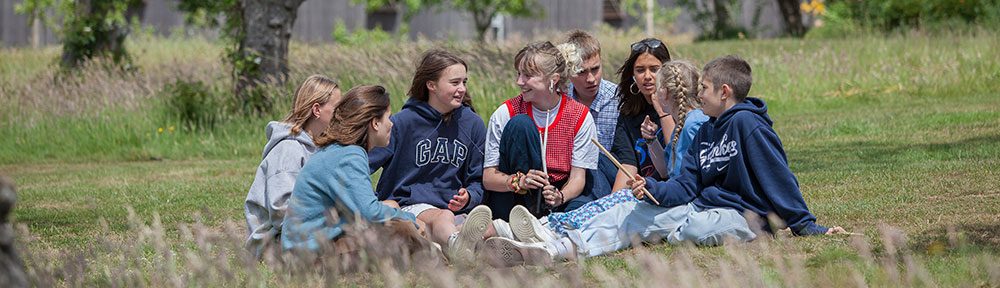


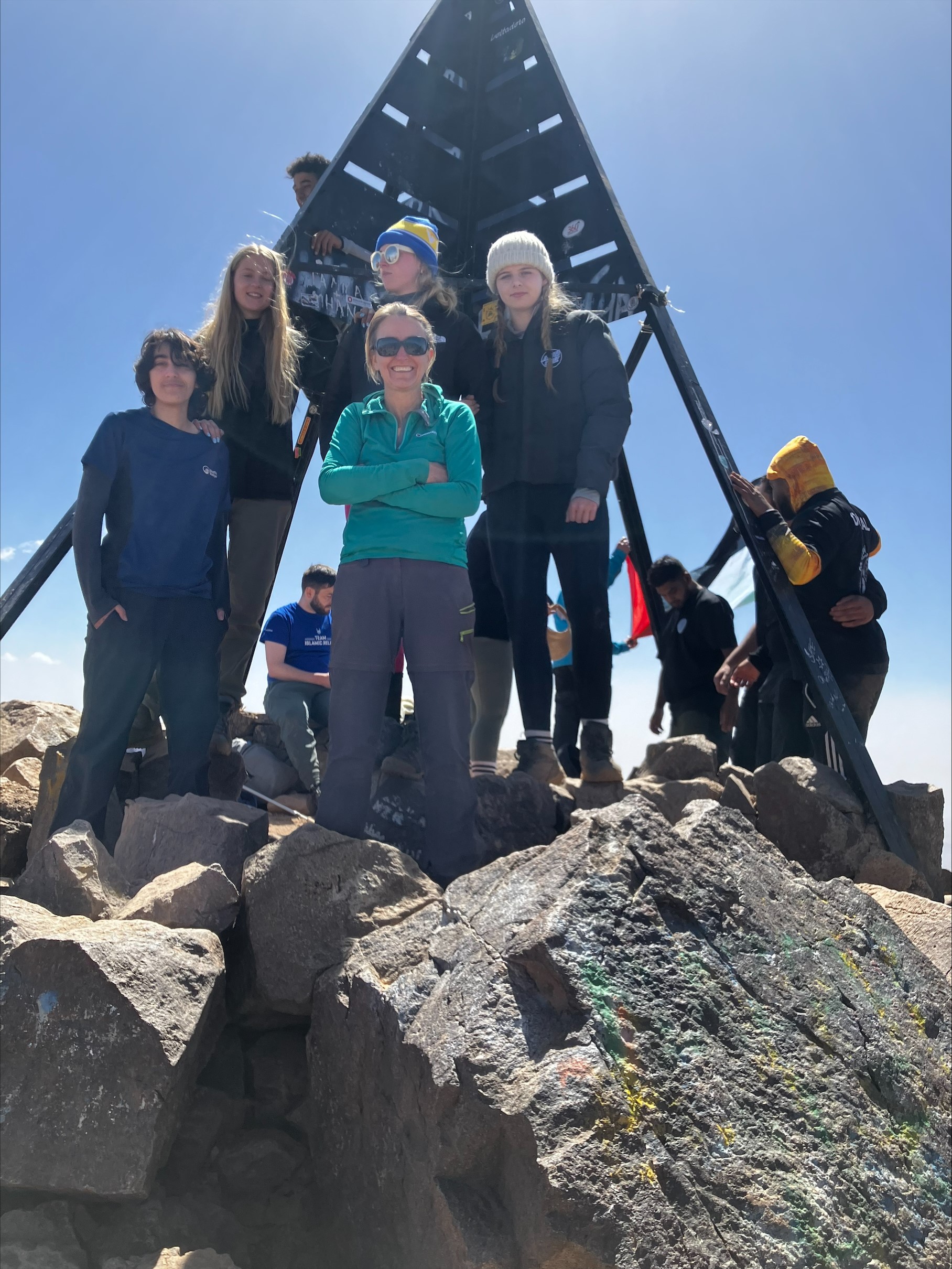


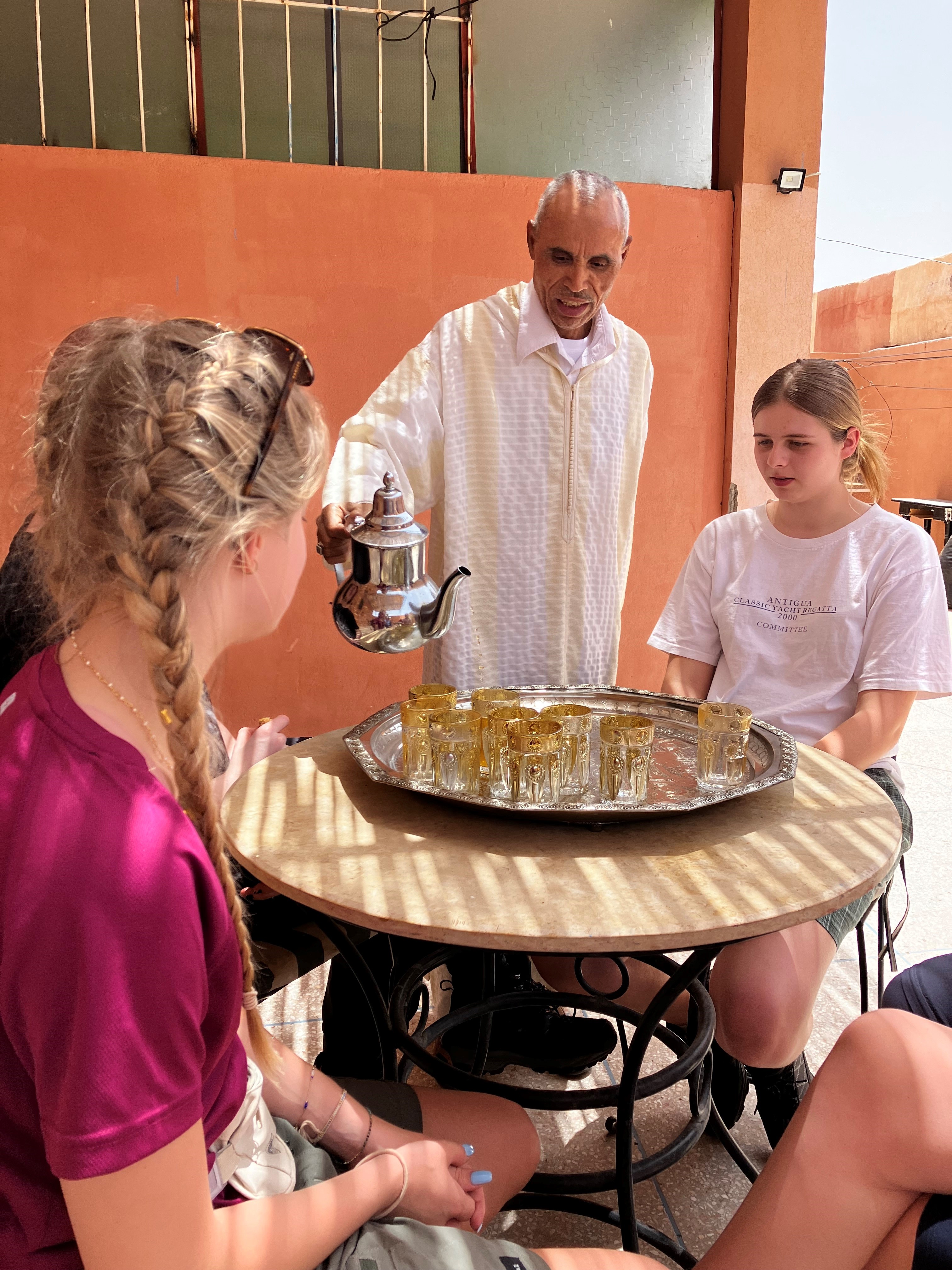

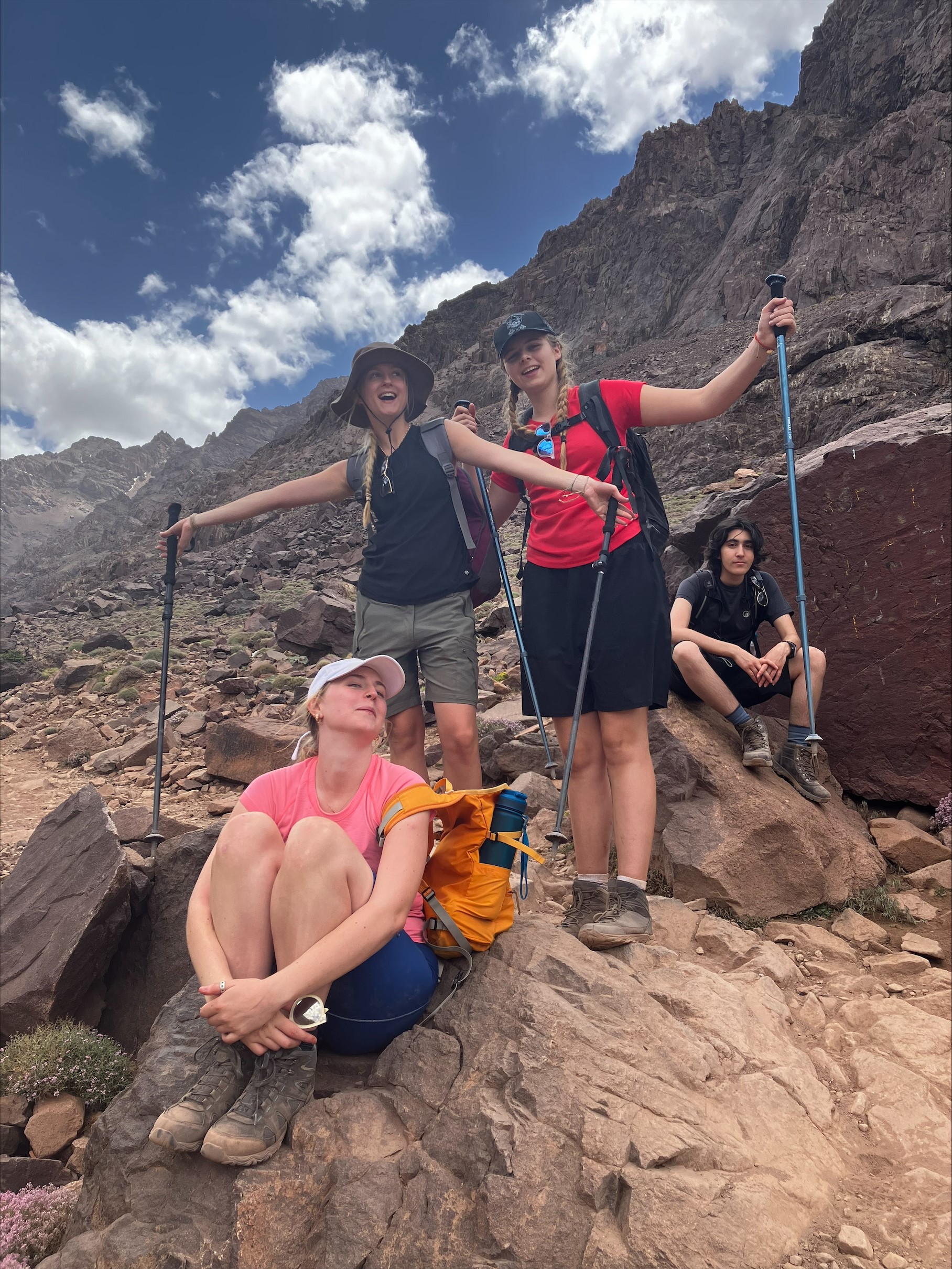


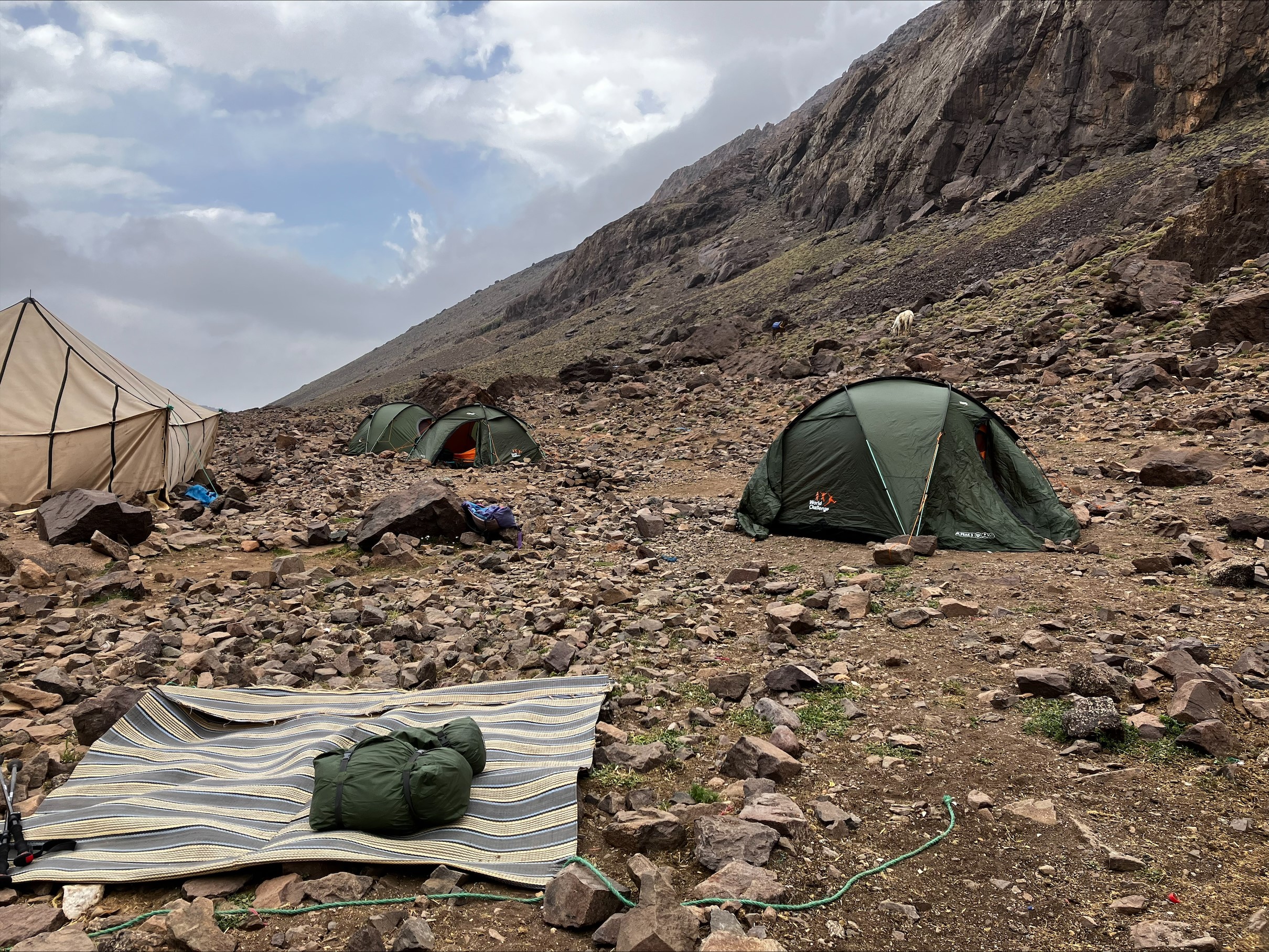


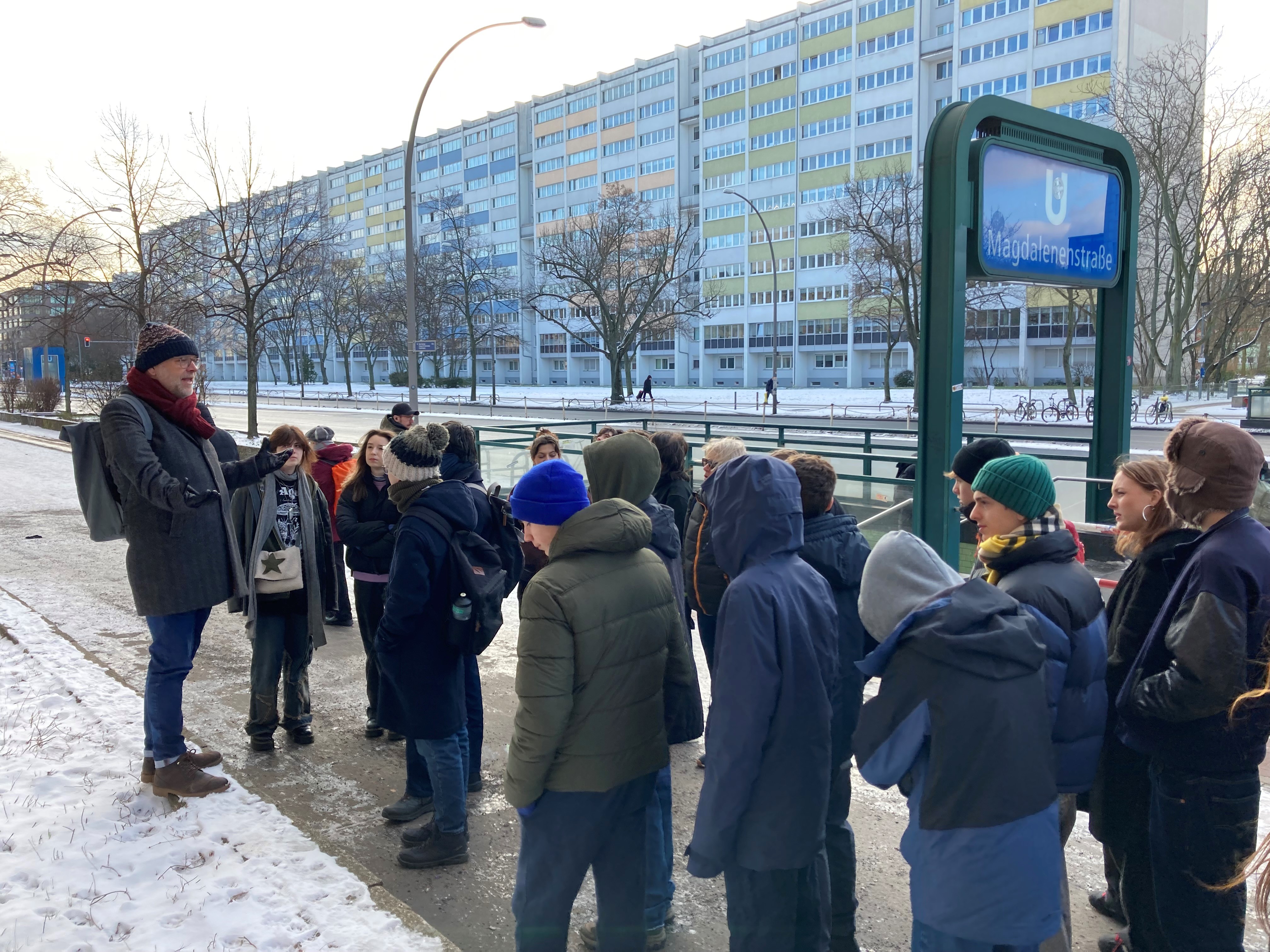
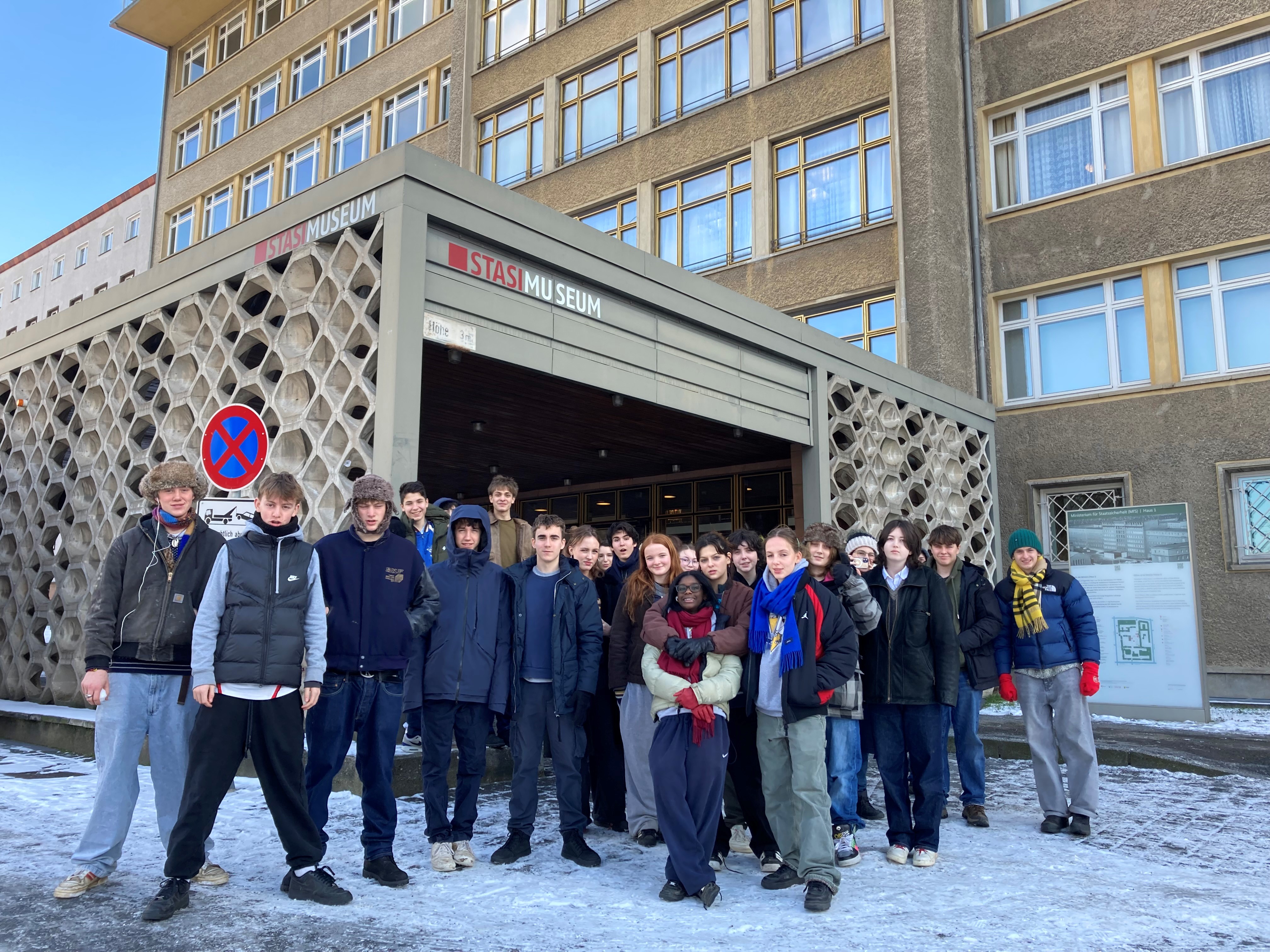
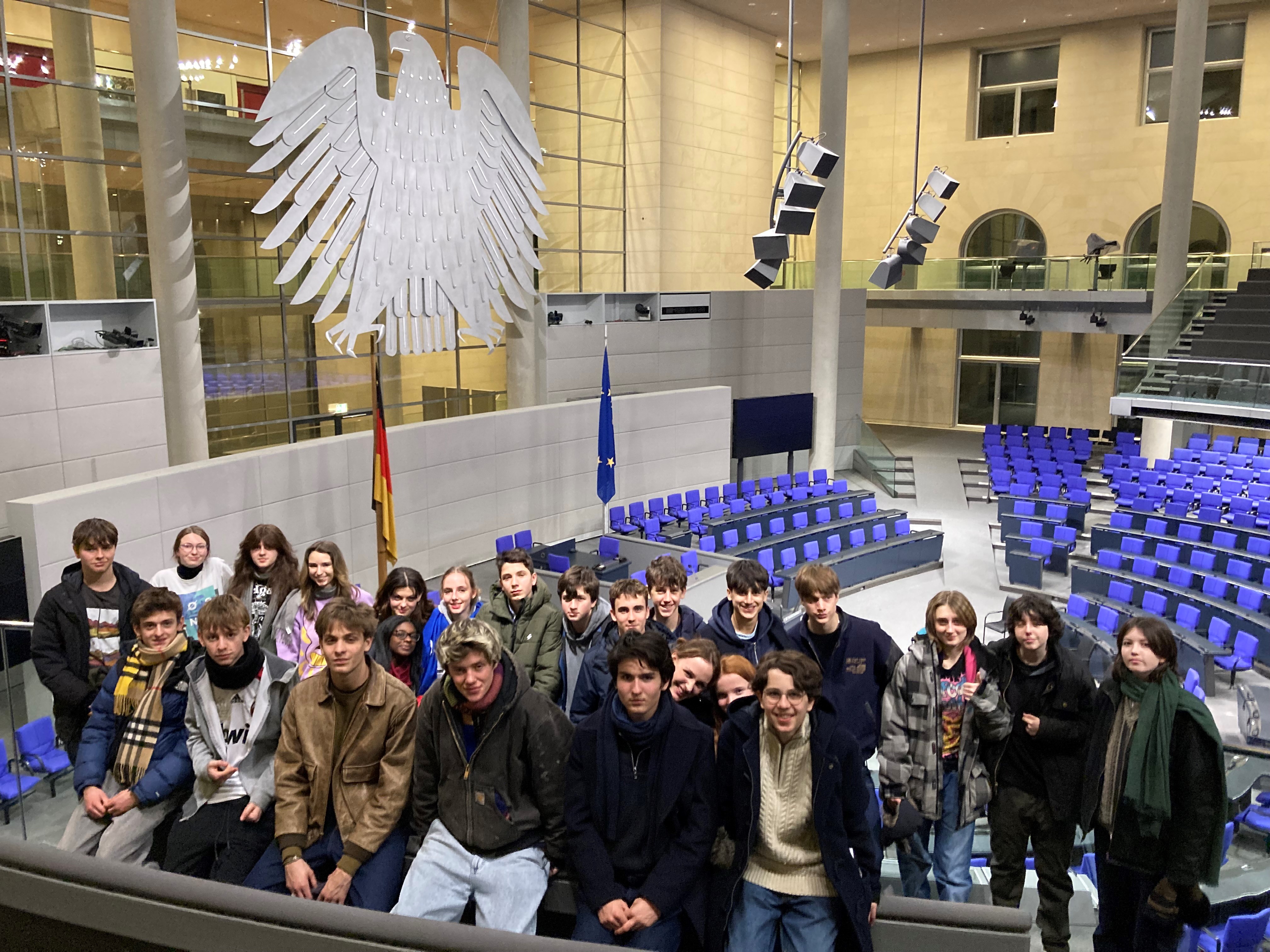
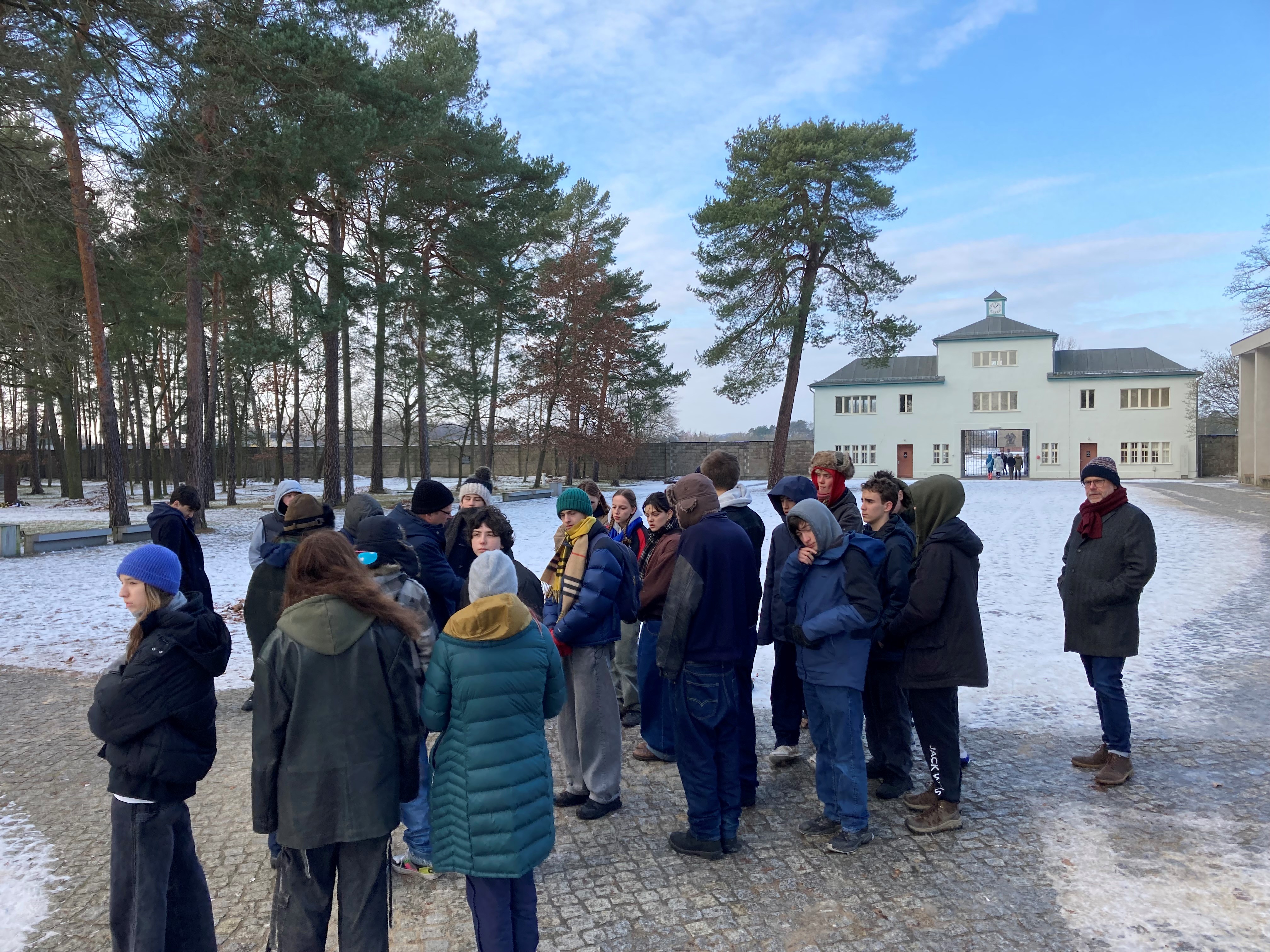

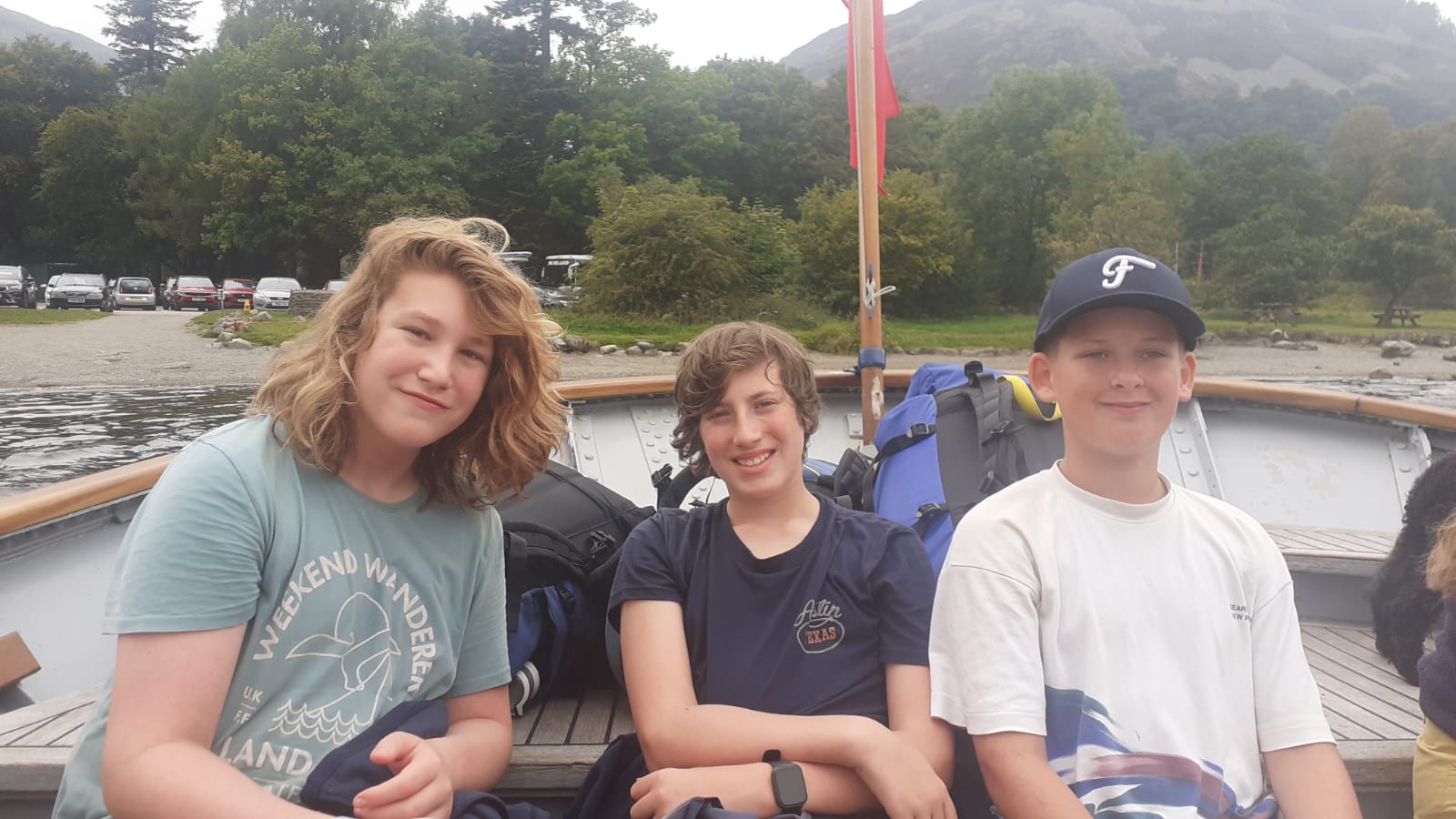


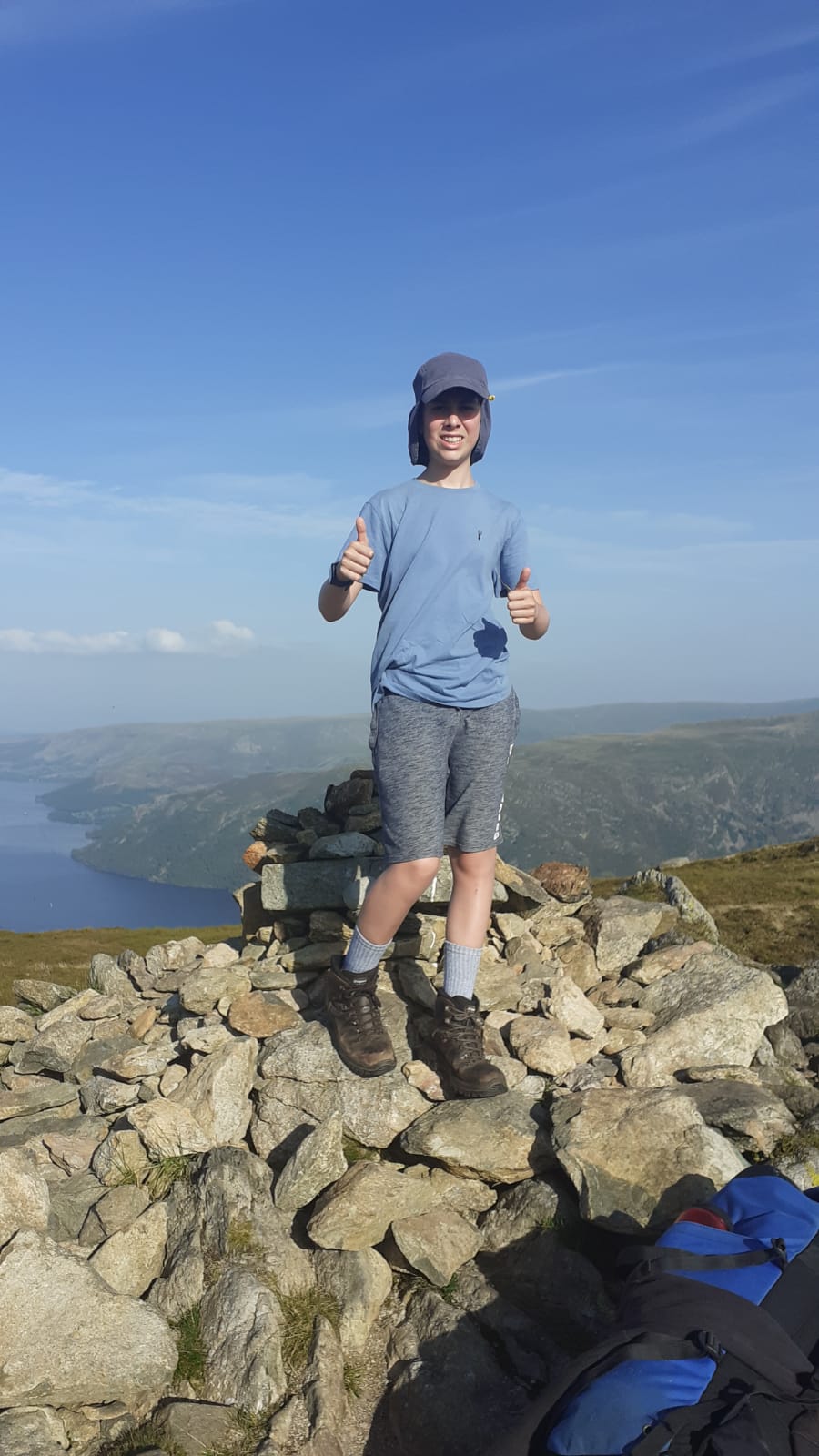
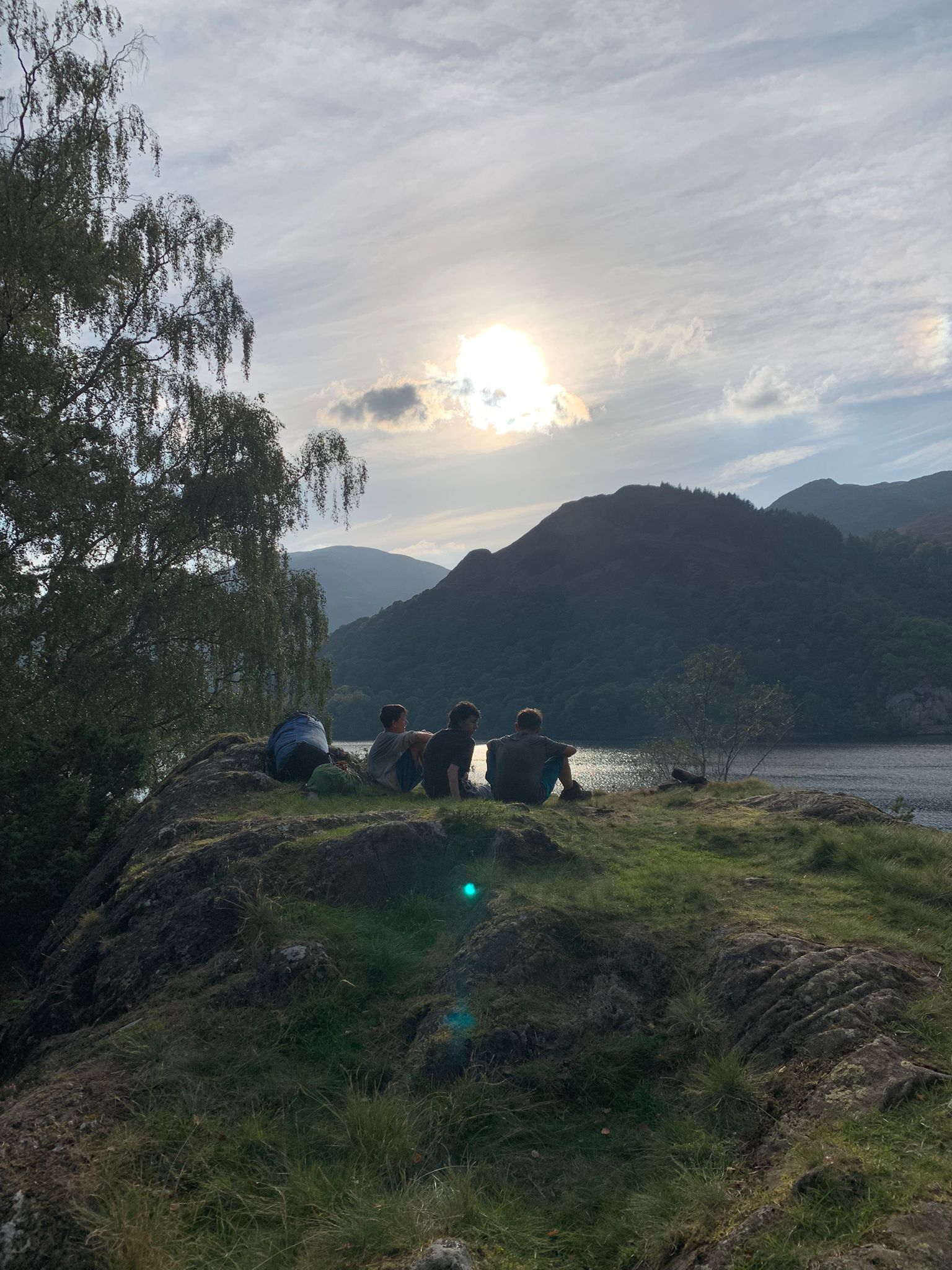
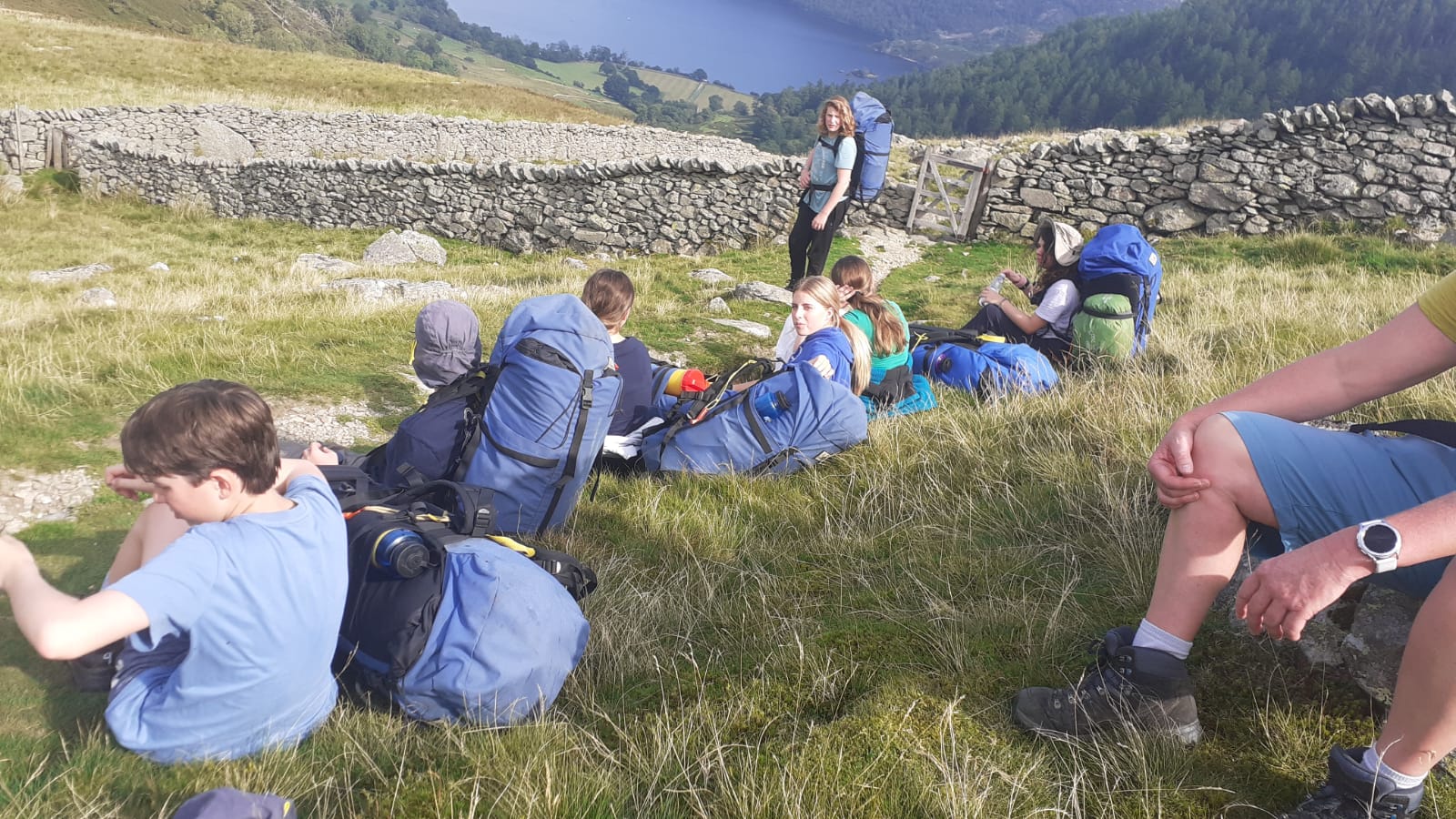


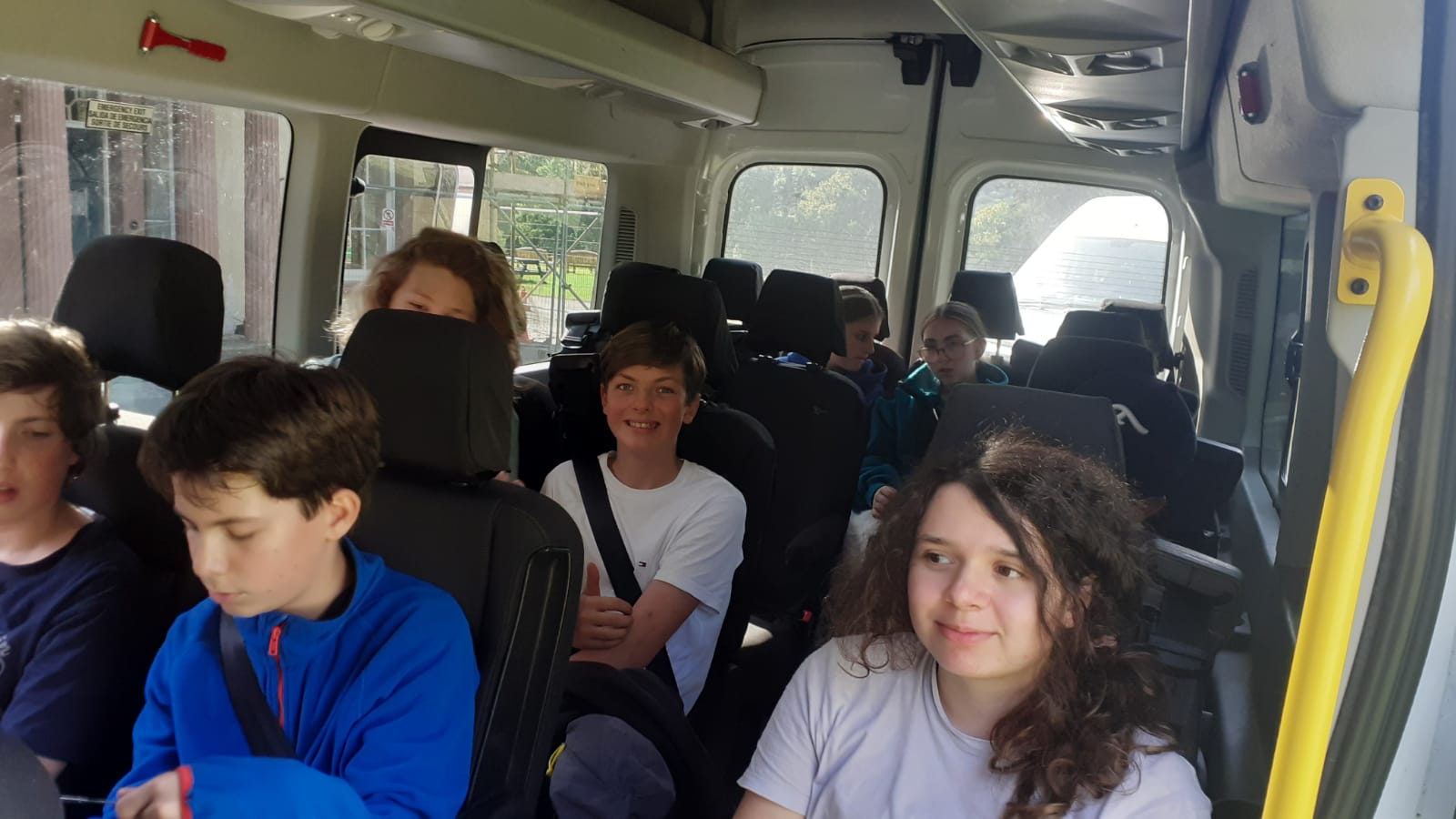


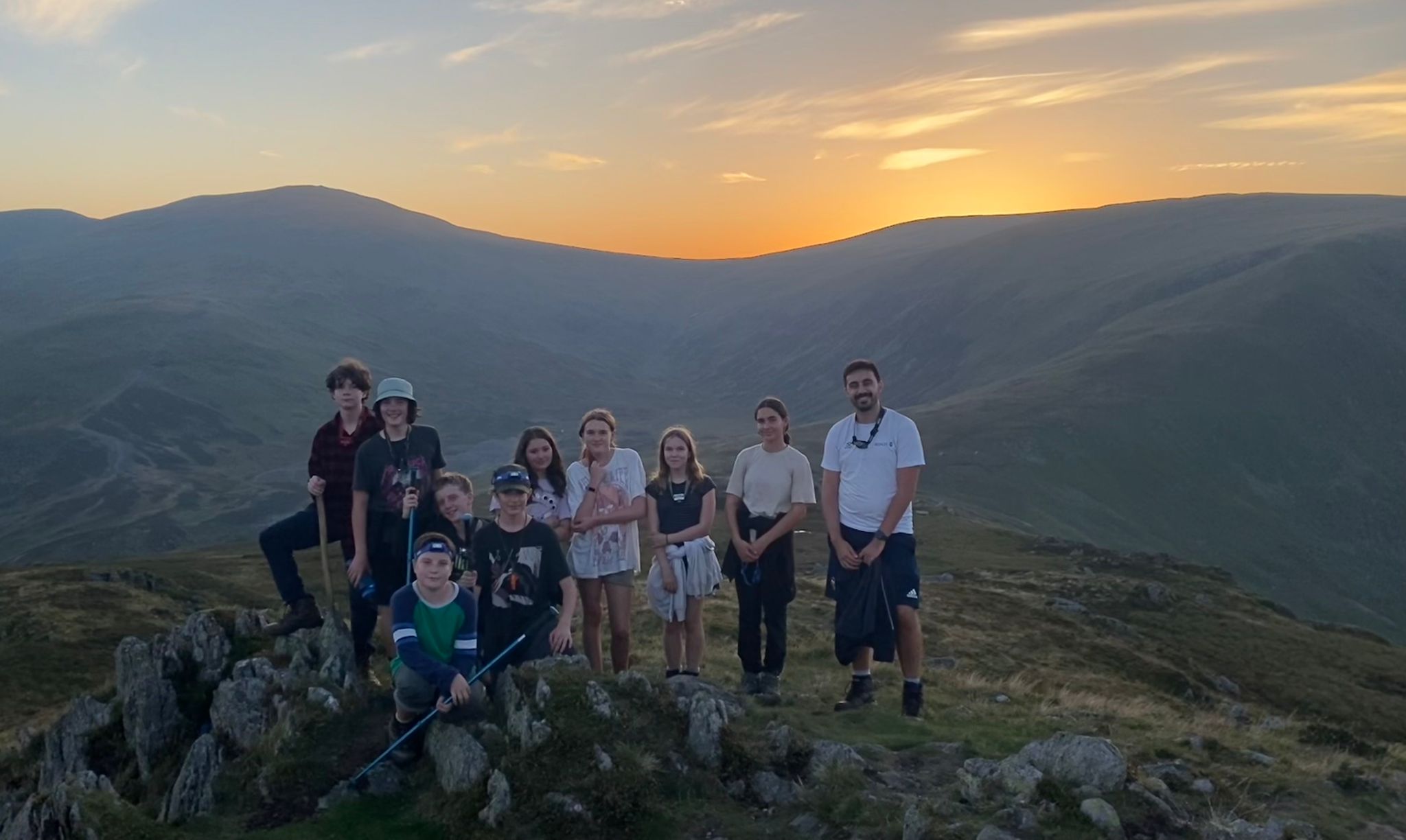
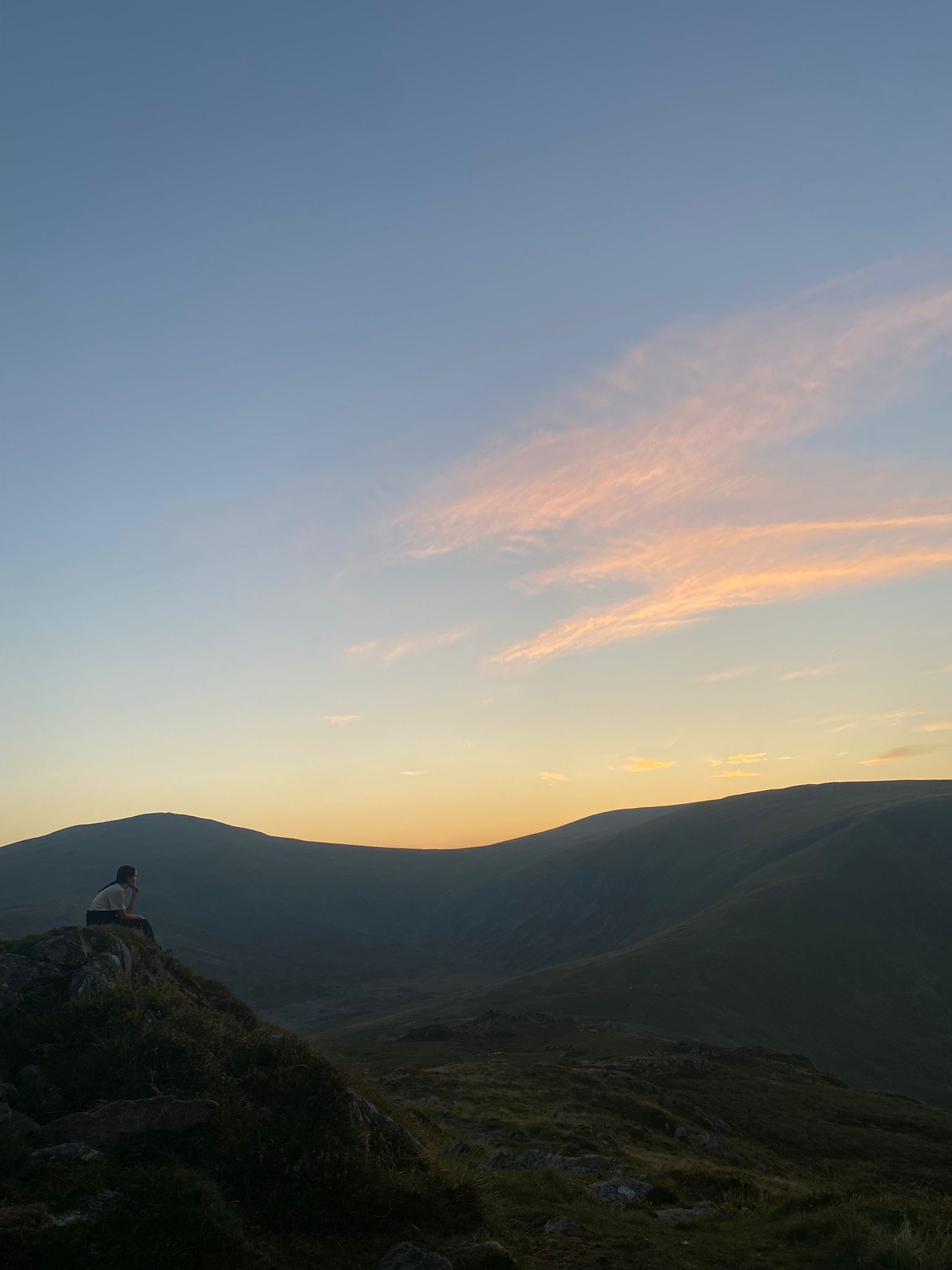

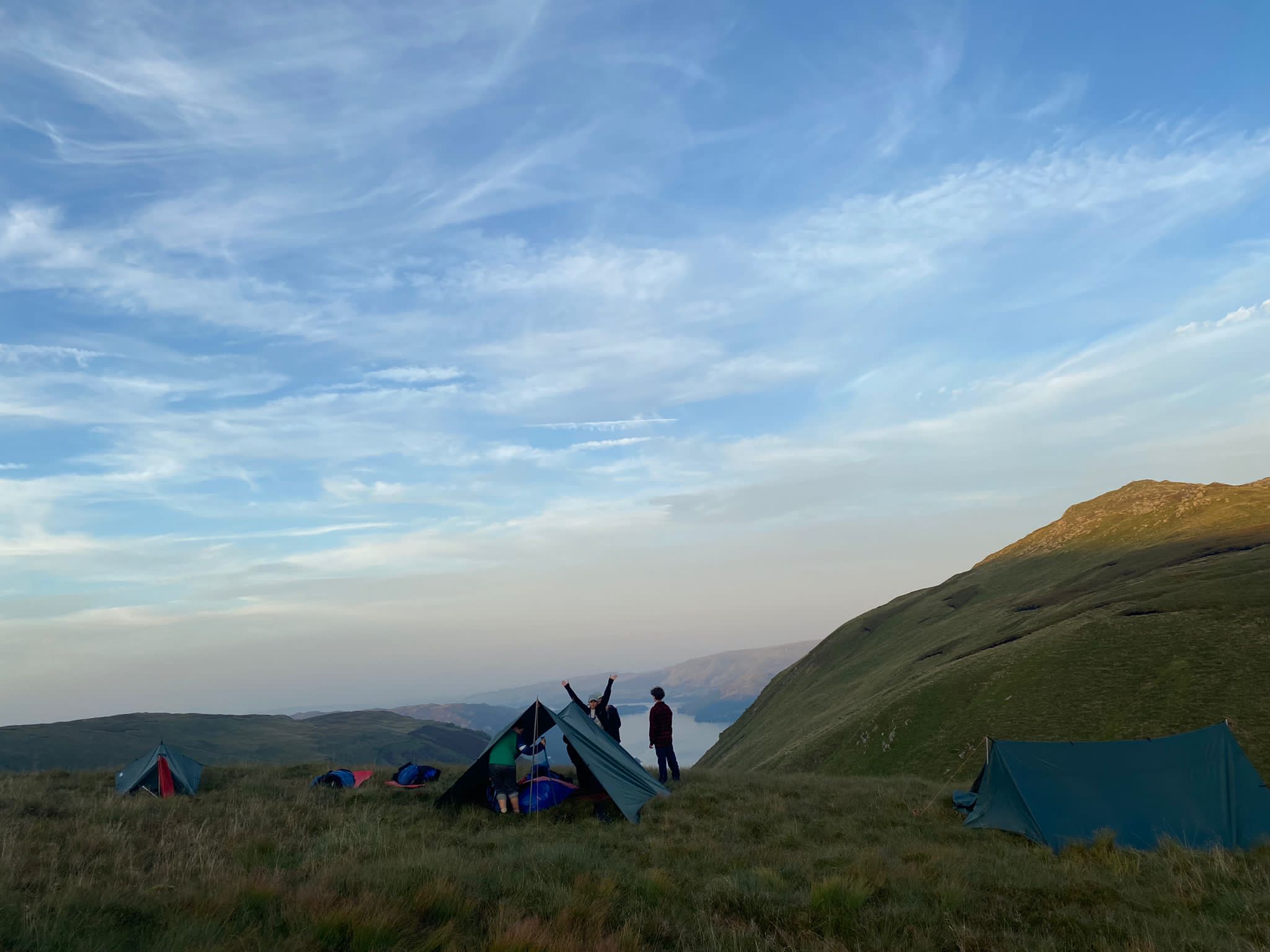


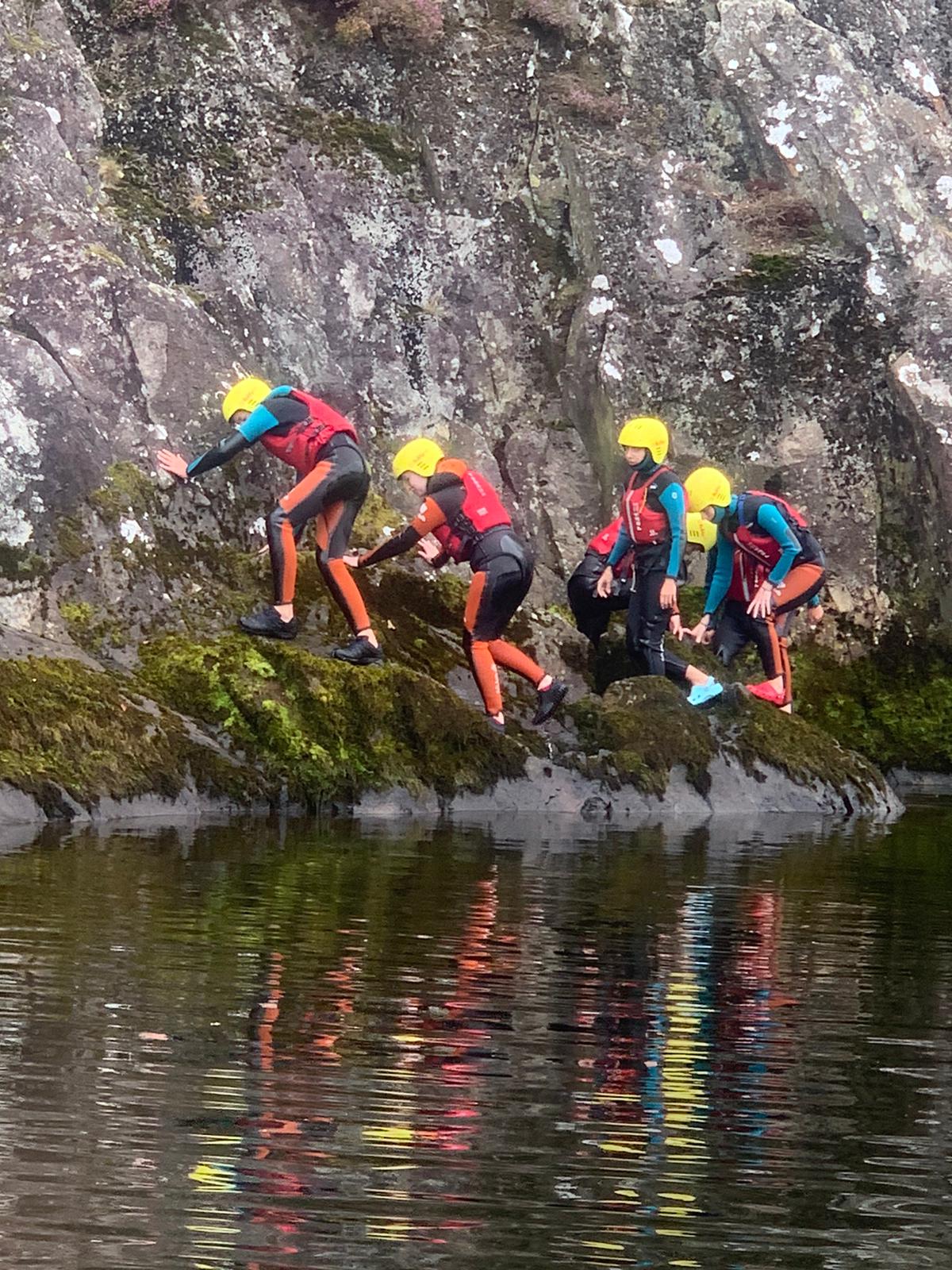
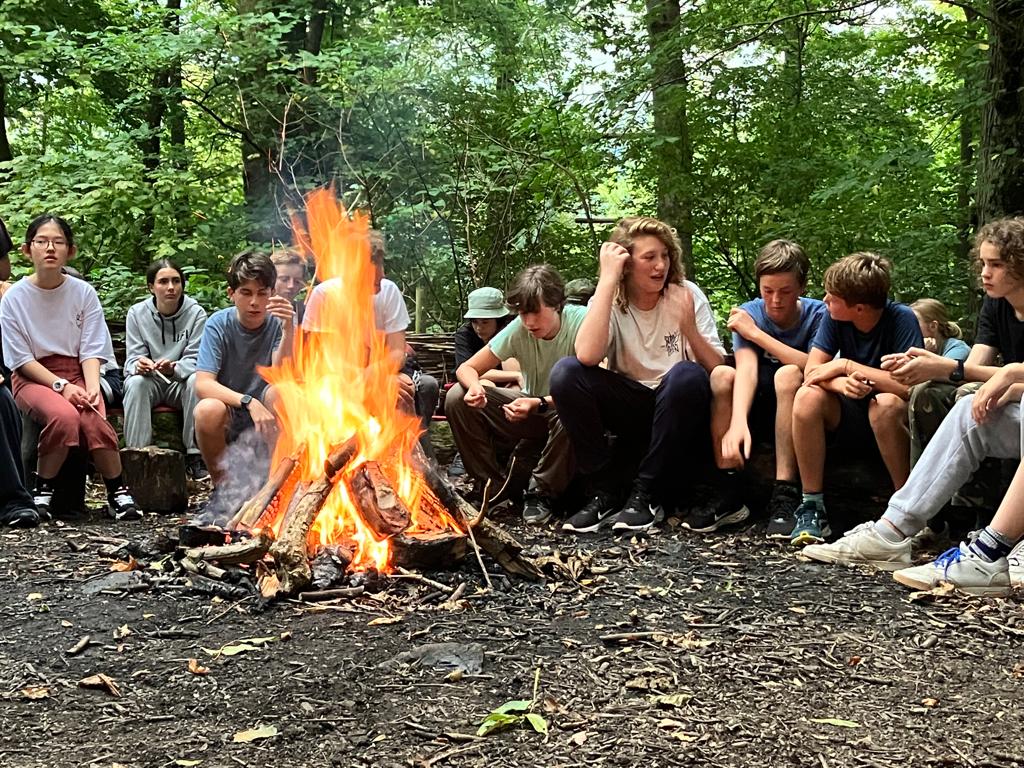
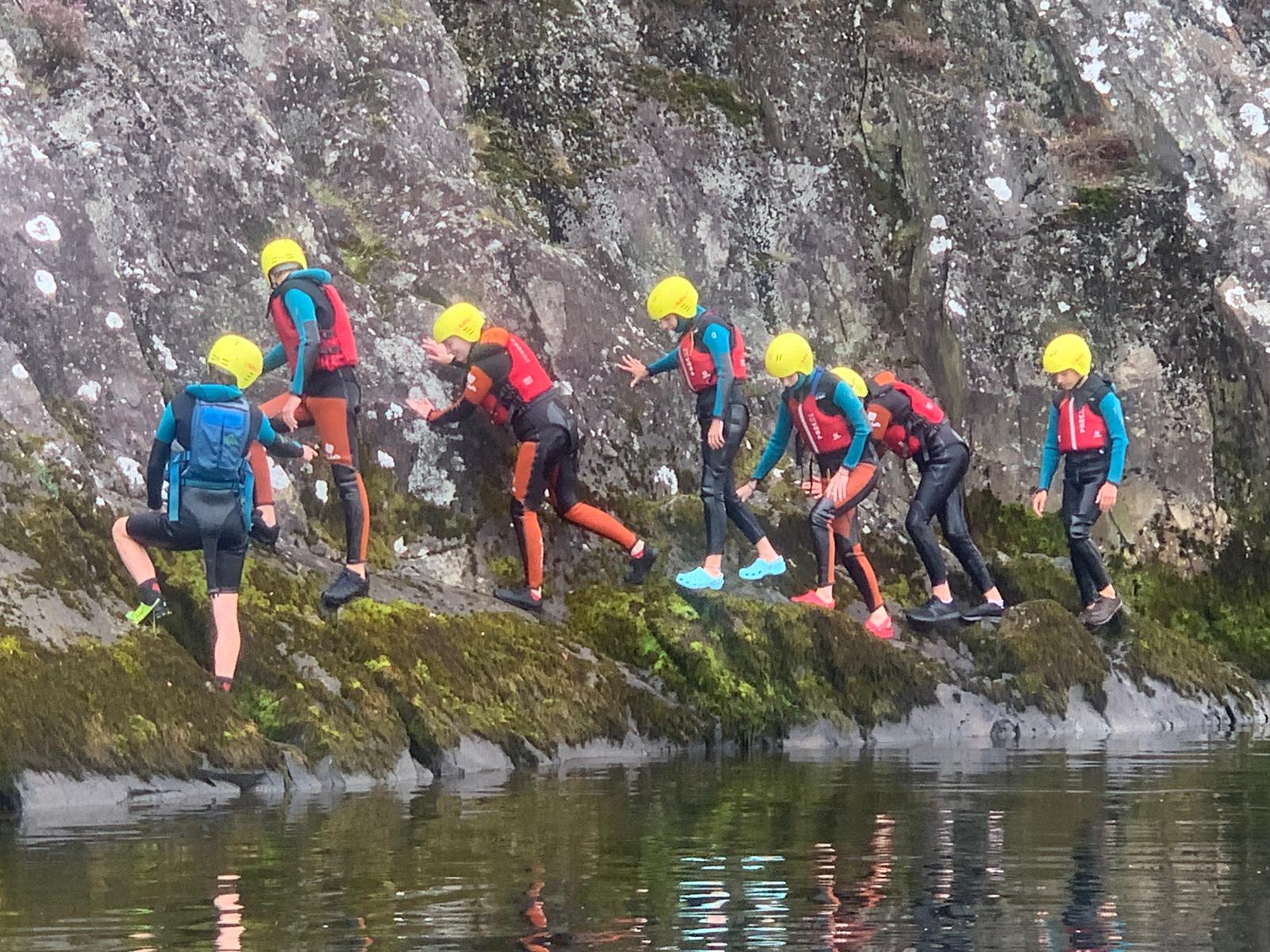


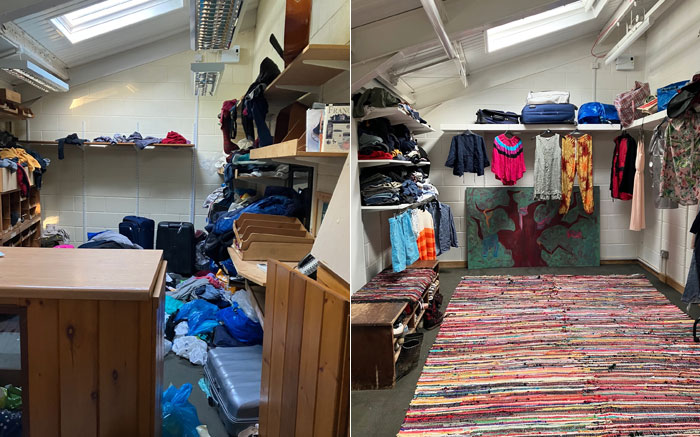

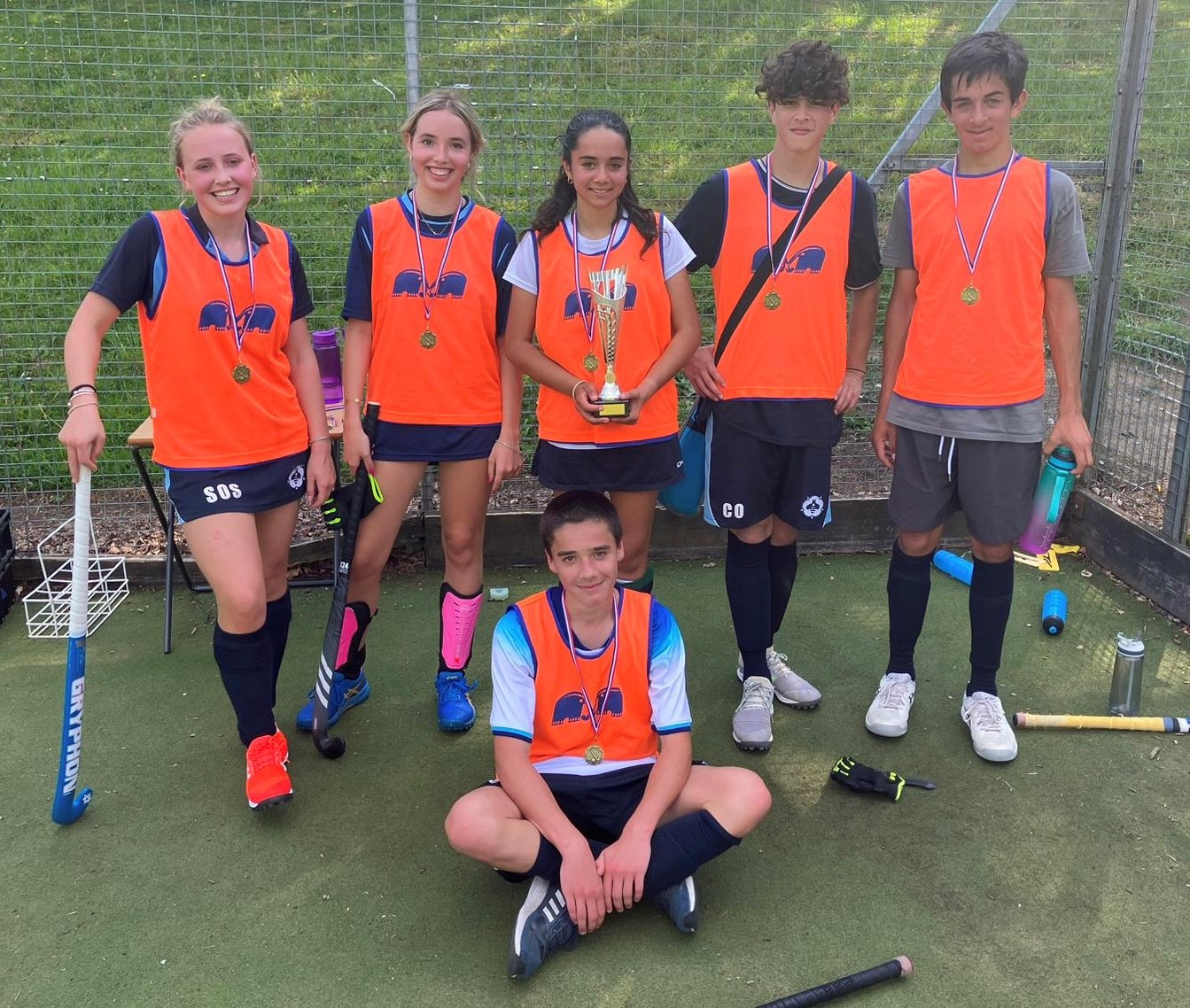
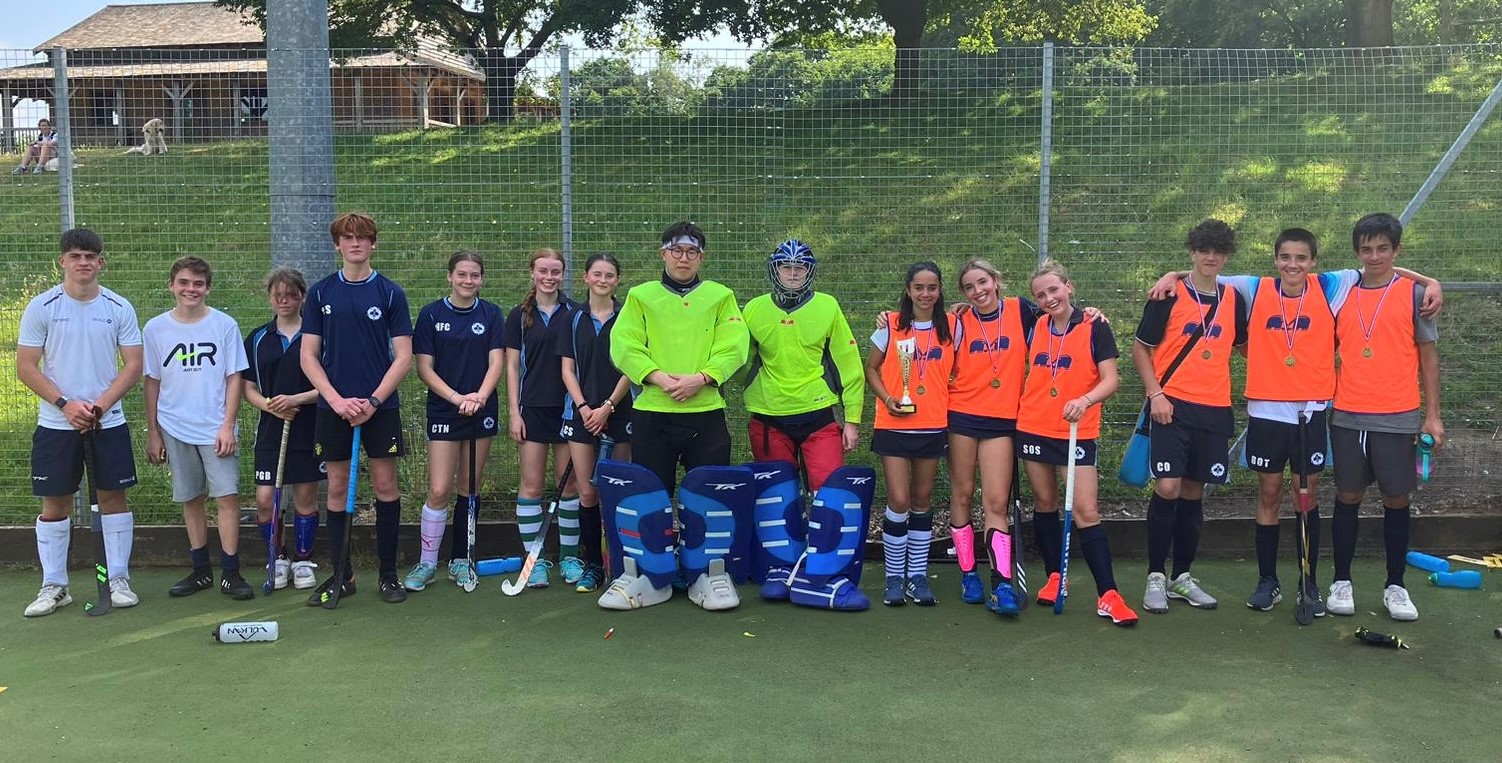




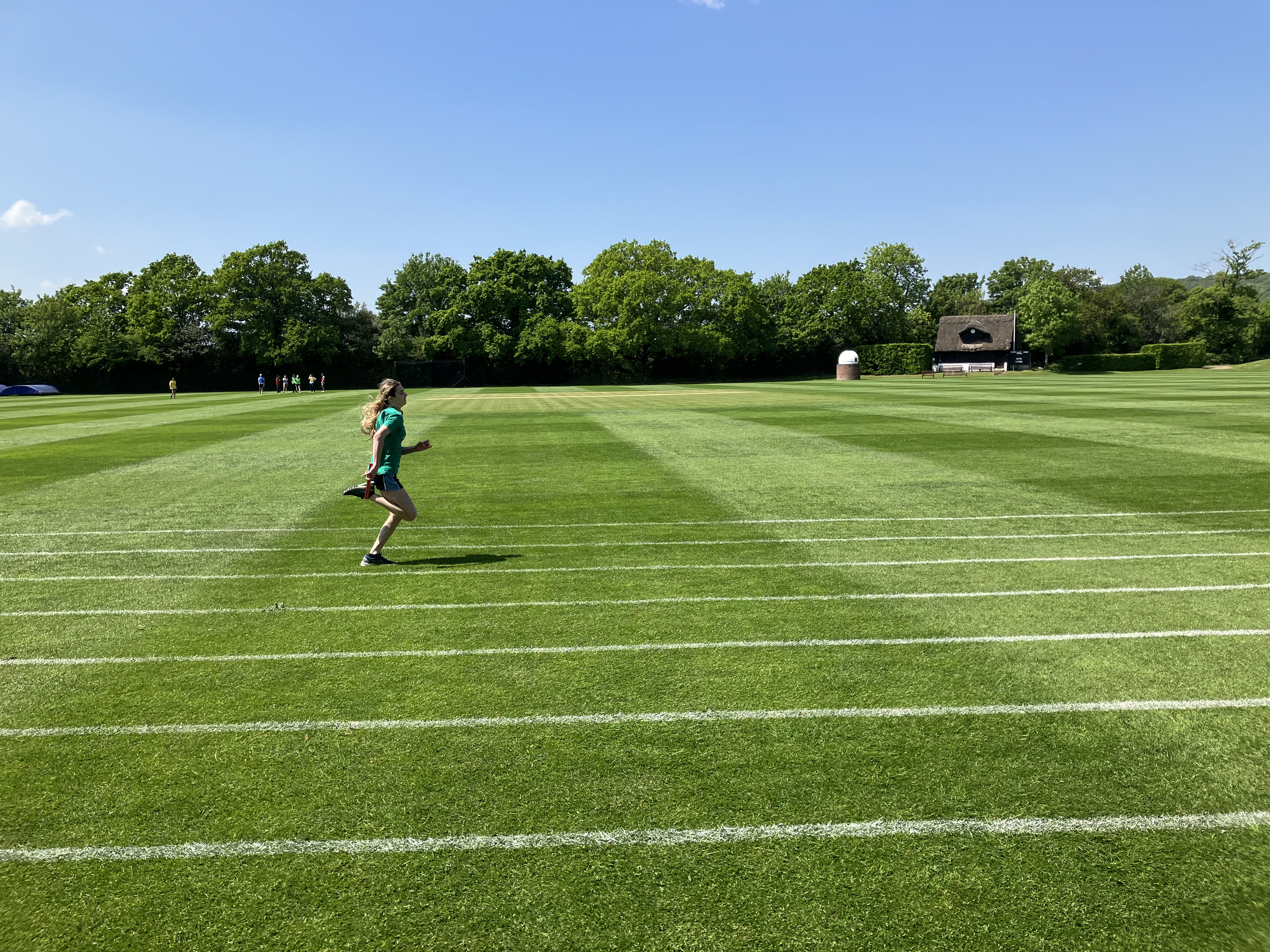


 Bedales School Blog
You must be logged in to post a comment.