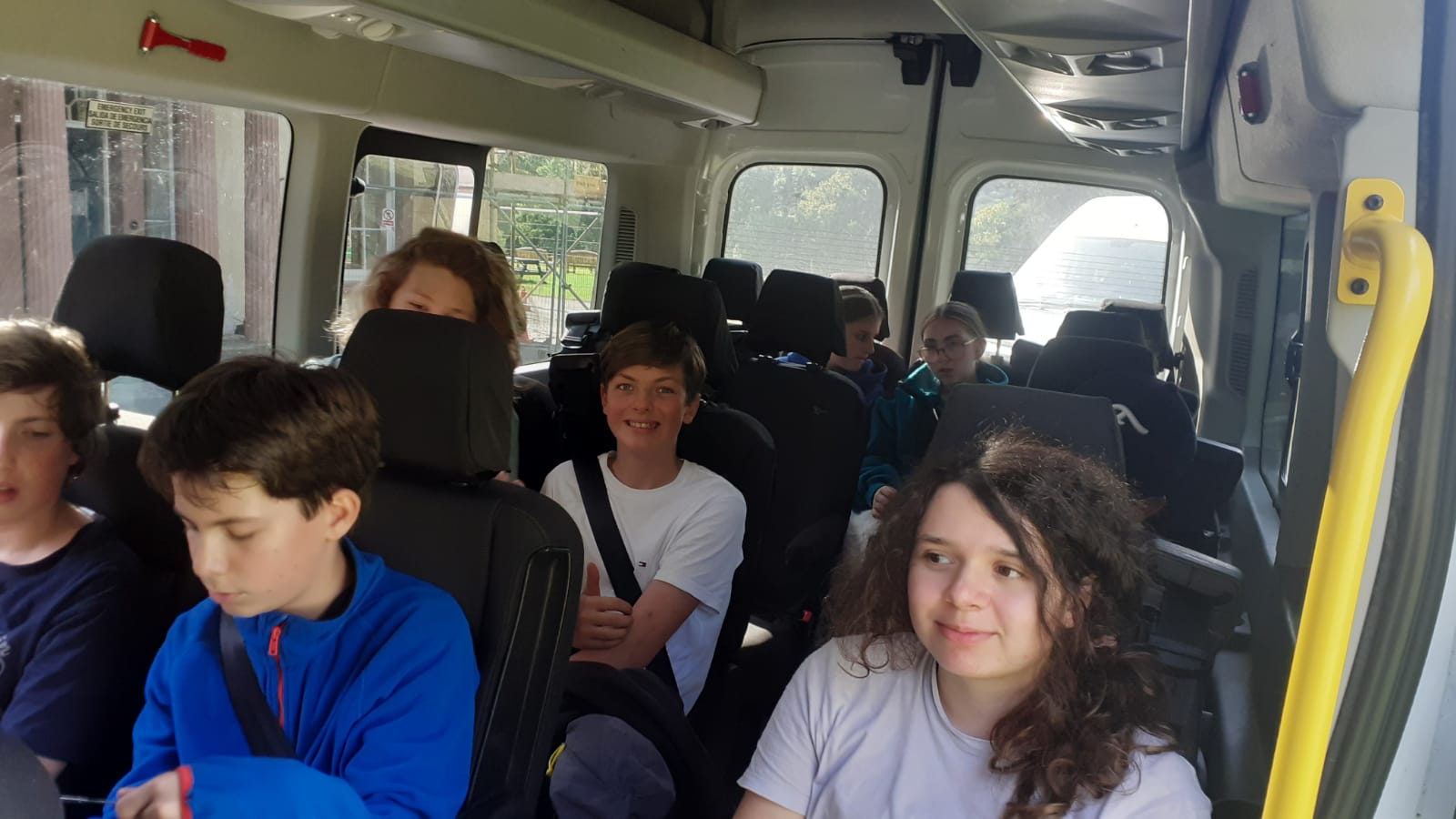
This week, Block 3 students have been Belgium and France to visit the historic battlefields which are a stark reminder of the impact of war, as the resting place for hundreds of thousands of servicemen who were killed in combat in World War I. Having focused on the war, anthroposphere, conflict and ethics in their humanities subjects this term, the trip gave students an opportunity to reflect on the historical, cultural and ethical aspects of their studies.
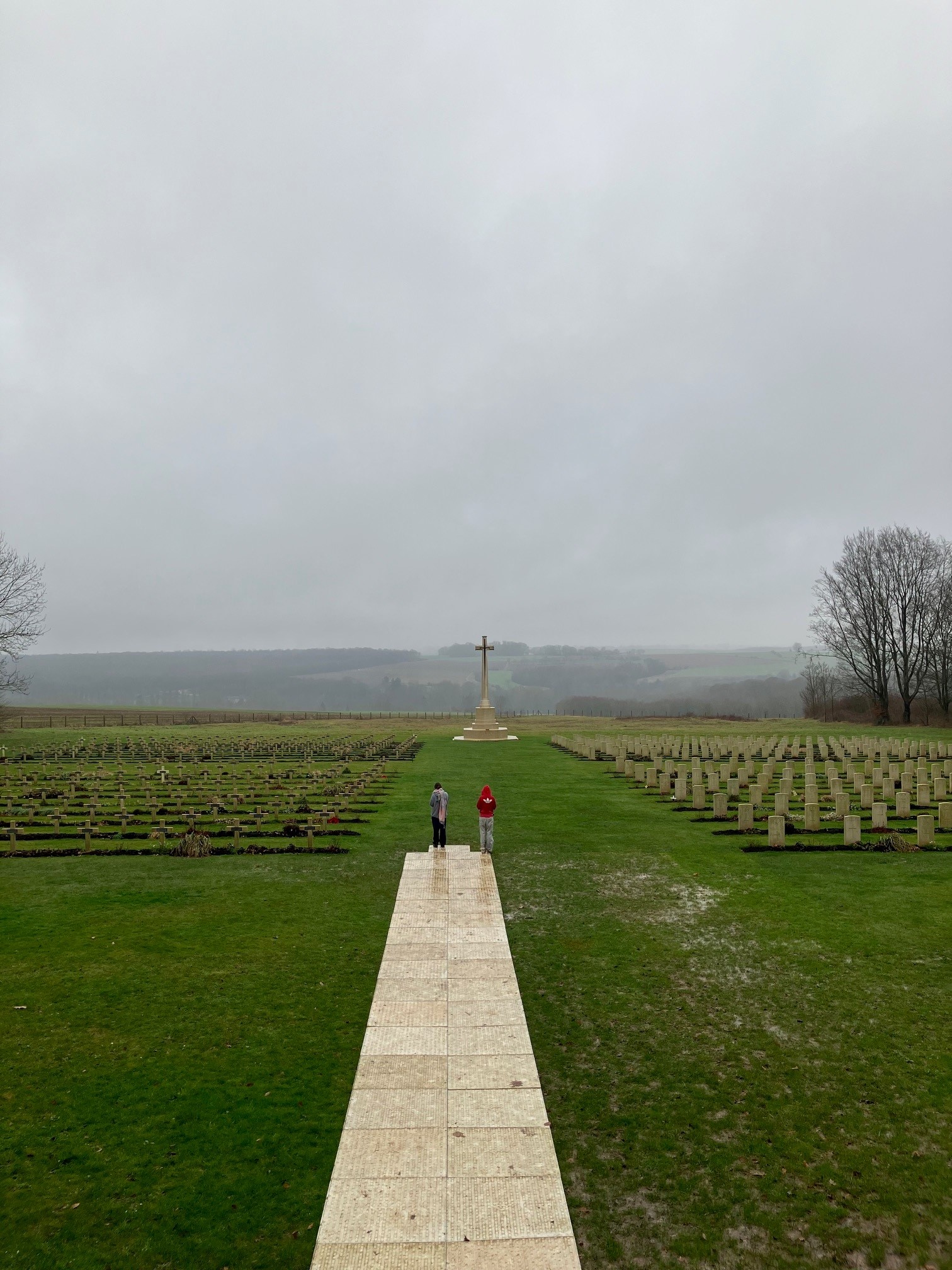
On the first day, students visited Essex Farm, which famously moved John McCrae to write the poem In Flanders Fields while stationed there in 1915. They also visited Tyne Cot, the largest Commonwealth war cemetery in the world in terms of burials, and Langemark, where nearly 24,917 German servicemen are buried. Ending the day at Menin Gate, which bears the names of over 54,000 servicemen whose graves are not known, Felix Albizua and Alice Rawlence laid a remembrance wreath on behalf of Bedales.
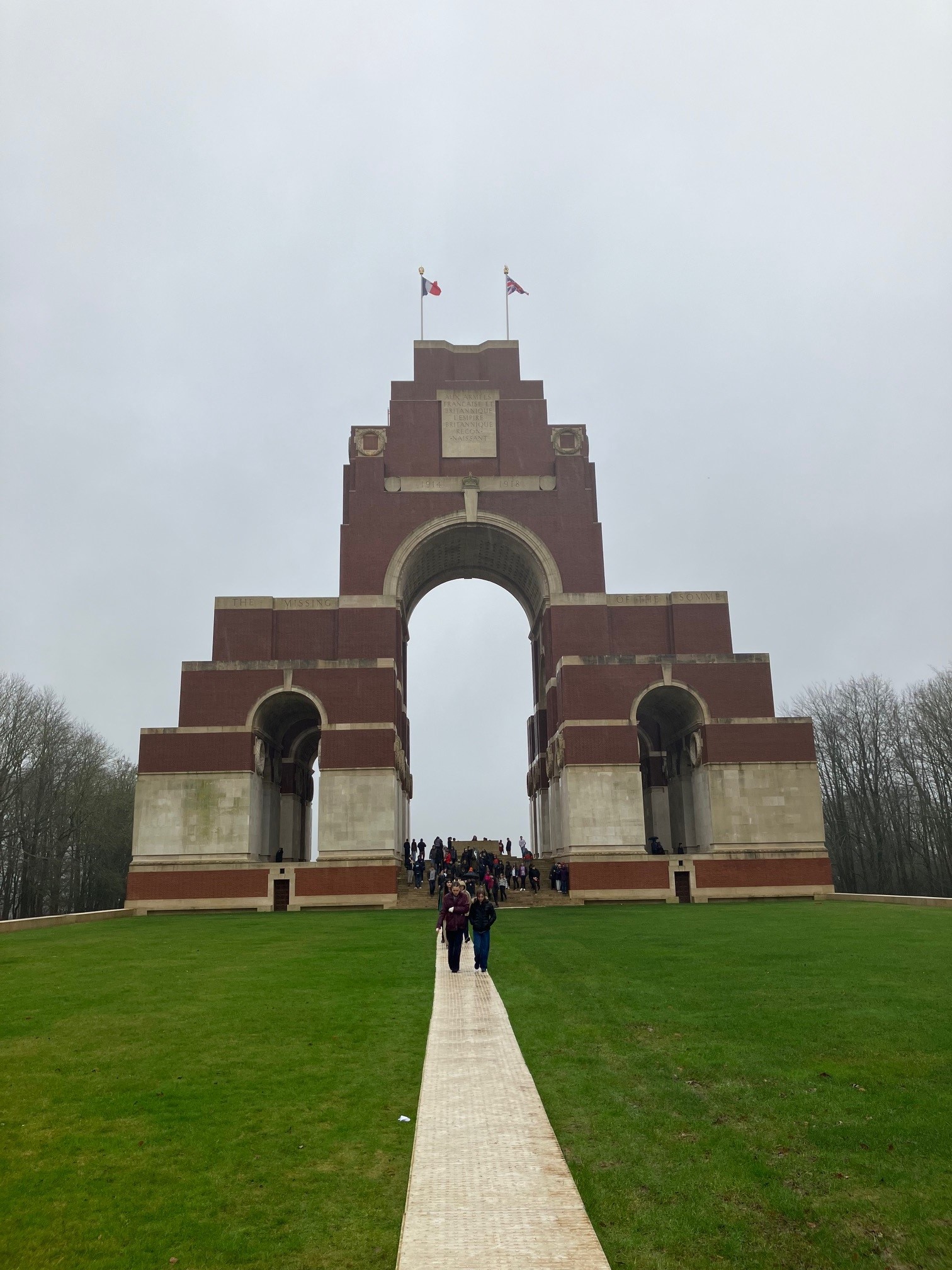
The following day, students visited Vimy Ridge, where the four divisions of the Canadian Corps fought side by side in the Battle of Arras in 1917, and the 36,000 Canadian servicemen who lost their lives in World War I are commemorated. They then visited the Somme, taking in Beaumont Hamel, Newfoundland Park, the Thiepval Monument and Lochnagar Crater. The Battle of the Somme was one of the largest and bloodiest battles of the war, with over 57,000 casualties on the first day, and over 150,000 British troops buried in the battlefields. The Thiepval Monument bears the name of over 72,000 servicemen of the United Kingdom and South African forces who died in the Somme before March 1918 and have no known grave.
After a cold and damp day which concluded the trip, we made an eagerly awaited stop at a chocolate shop, conscious that the weather, fatigue and discomfort was a mere fraction of that experienced by those who fought on the battlefields over 100 years ago.
Coming to the end of this first week back at school, Ullswater seems not only a long way away but also a long time ago. However, while it is still relatively fresh in the collective memory (and before I sound too much like the opening of a space opera), I wanted to pause to reflect upon what has been achieved by Block 3 as a year group already this year.
Knowing everything they need to know for their return to school in a day was always going to be a stretch, but getting familiar with the school systems, our expectations, additional offerings, subject areas (if not individual classrooms) and the school grounds was a good start.
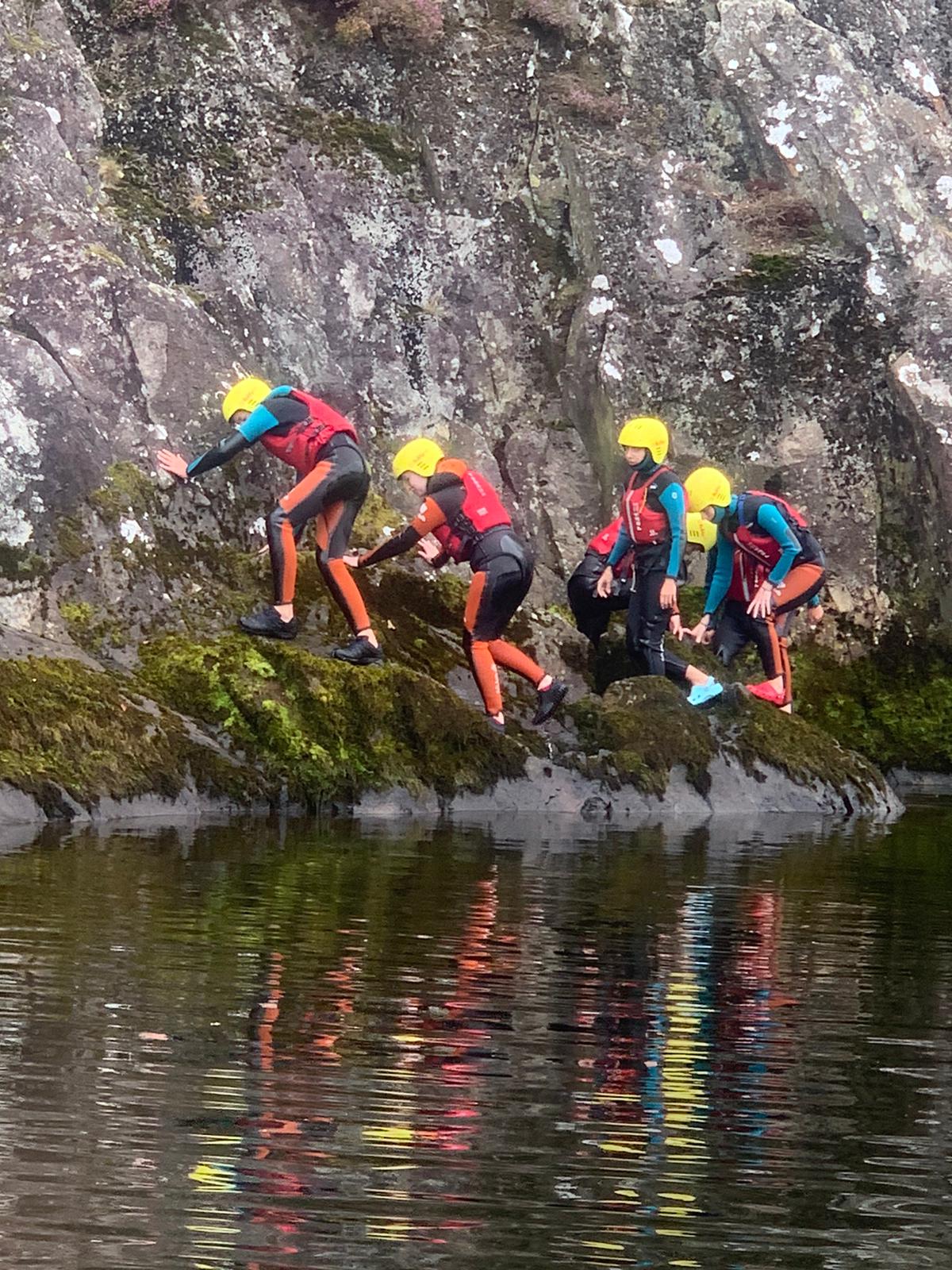
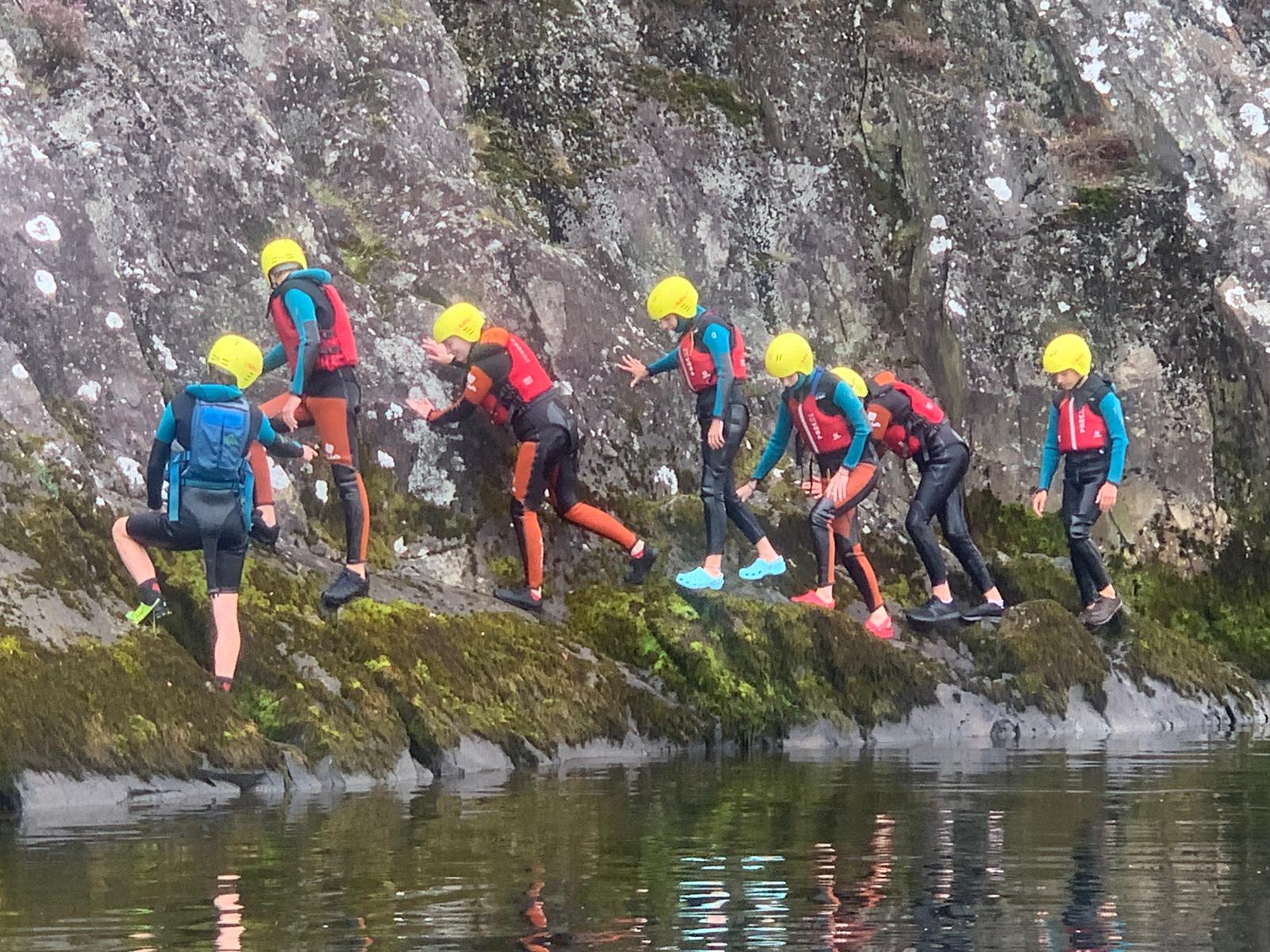
Then taking them away from all of this and placing them out of their comfort zone in the Lake District to do something they may not ordinarily do was a true test of character, which they passed with flying colours. There were some ambitious expeditions undertaken (one including a keen headteacher) and some mini adventures enjoyed. I certainly felt like I was part of a familiar fellowship when I joined a group for a gorge walk which culminated in a cliff jump. The whole group ended up doing this, much to my pride and joy.
Here, Block 3 student Maya reflects on the trip.
By Maya Tazi, Block 3
Ullswater was rich in life lessons, sometimes learned the hard way! Some moments were very fun, like the gorge scrambling, with its rushing current and beautiful views, or cliff jumping, which required the courage to jump in what felt like a frozen lake. Other parts were more challenging, like the dorm life, compromise with my roommates and organising turns to shower.
A big part of it was about teamwork; as a tutor group, we had to learn to work together as a team by learning coordination while rowing for hours, or working towards the same goals when hiking up a mountain or setting up camp for the night. Secrets were shared, laughs exchanged, tired groans echoed and friendships formed. Thank you to everyone who made the trip possible.
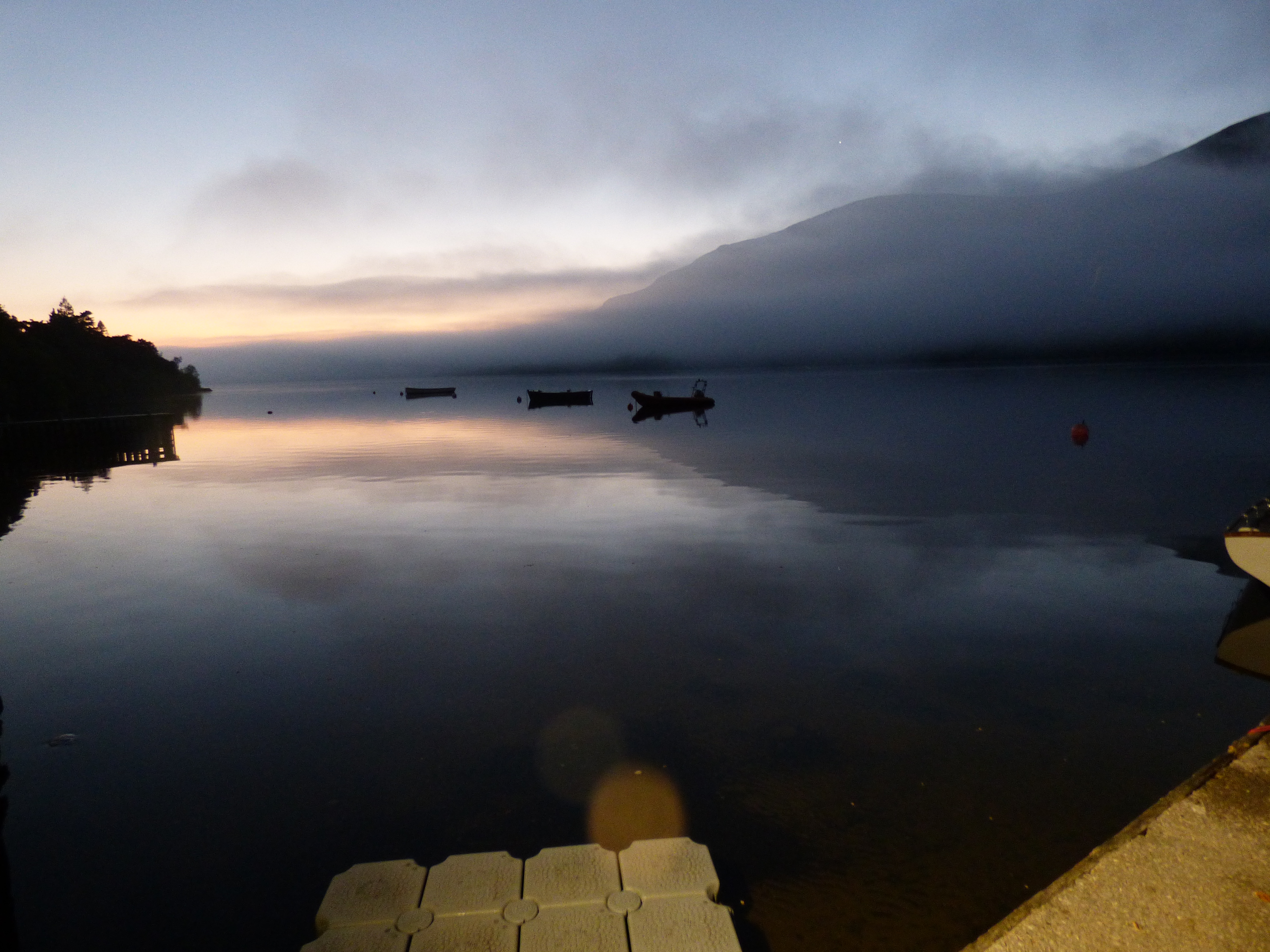
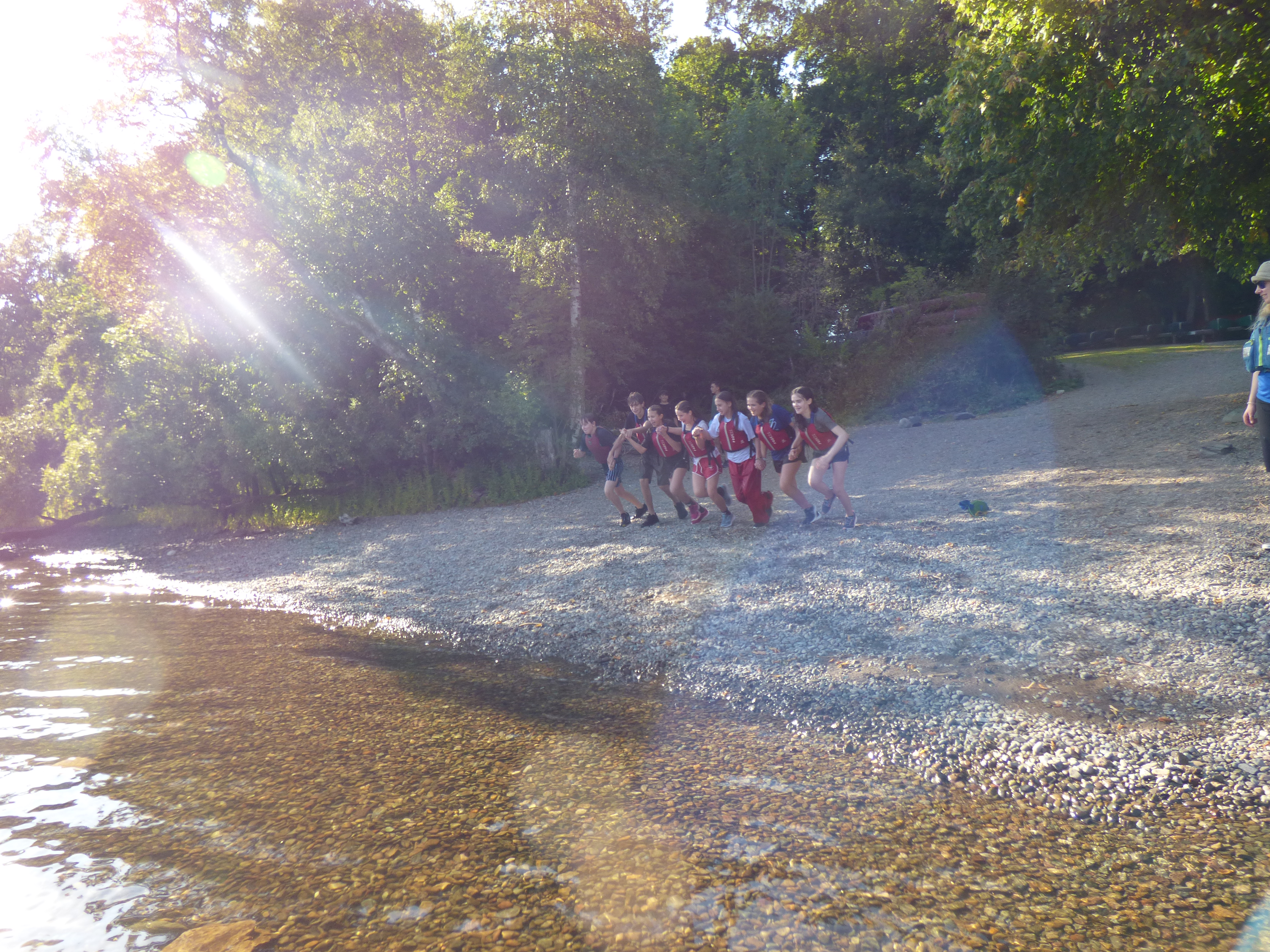
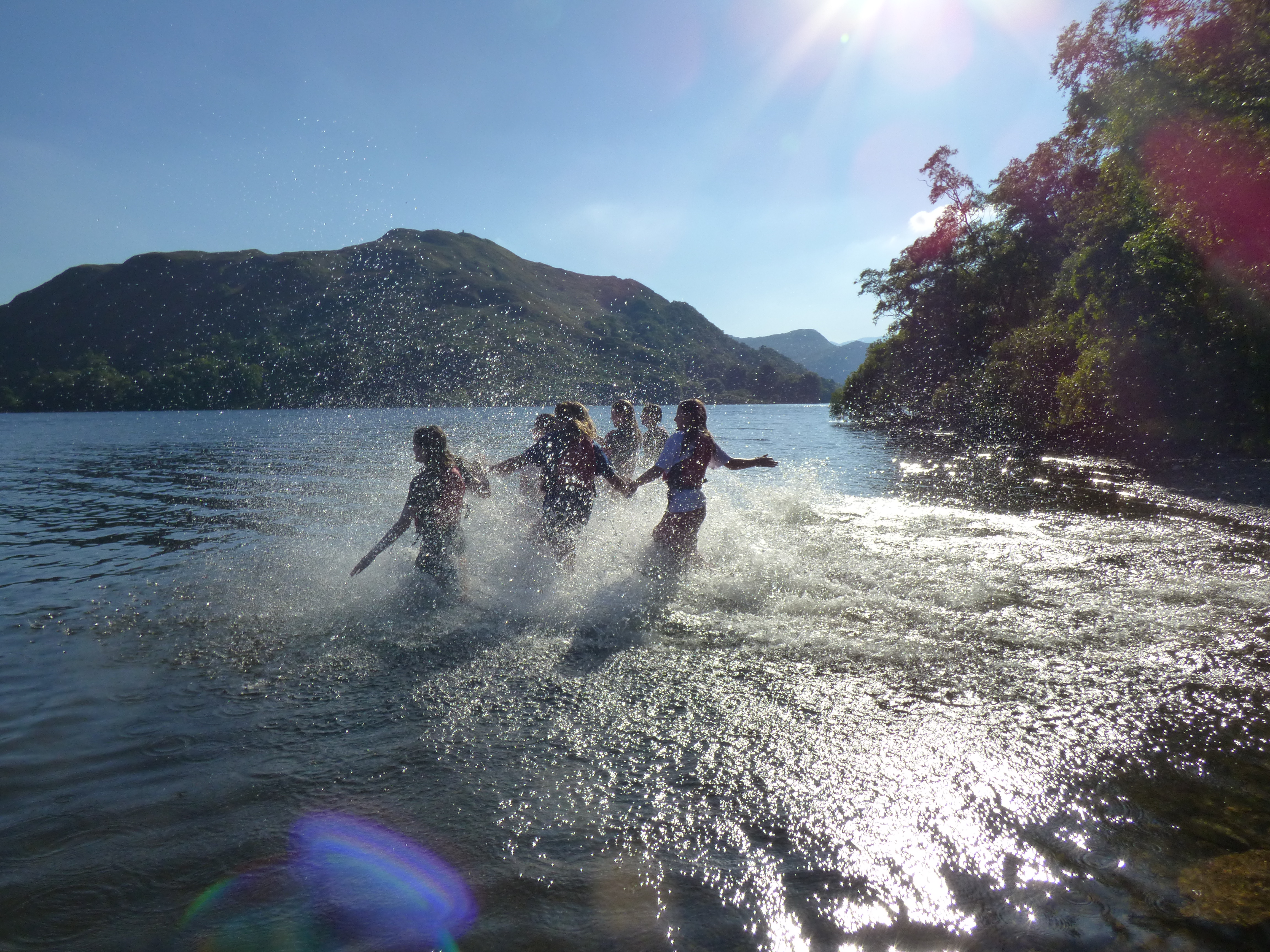
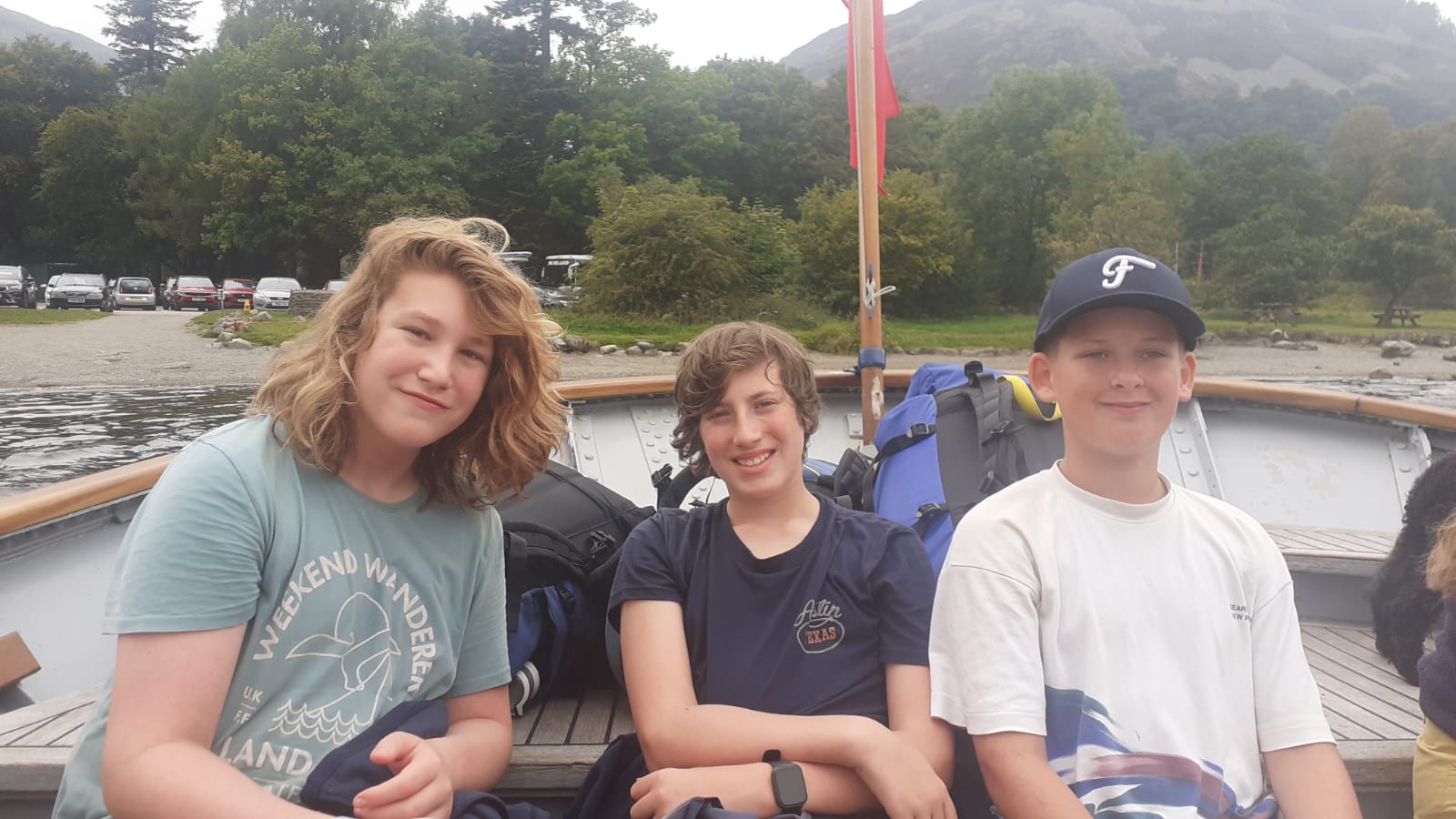
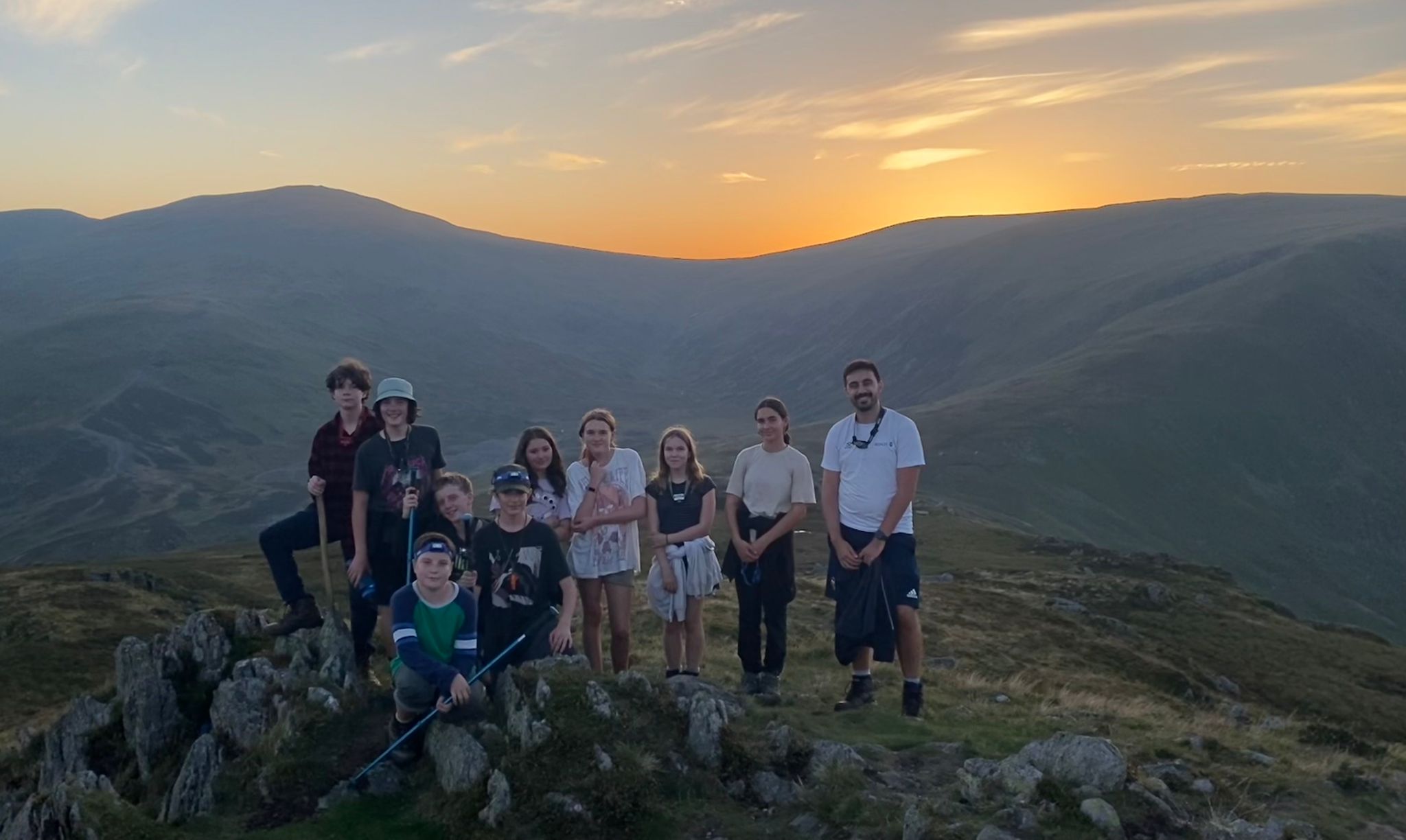
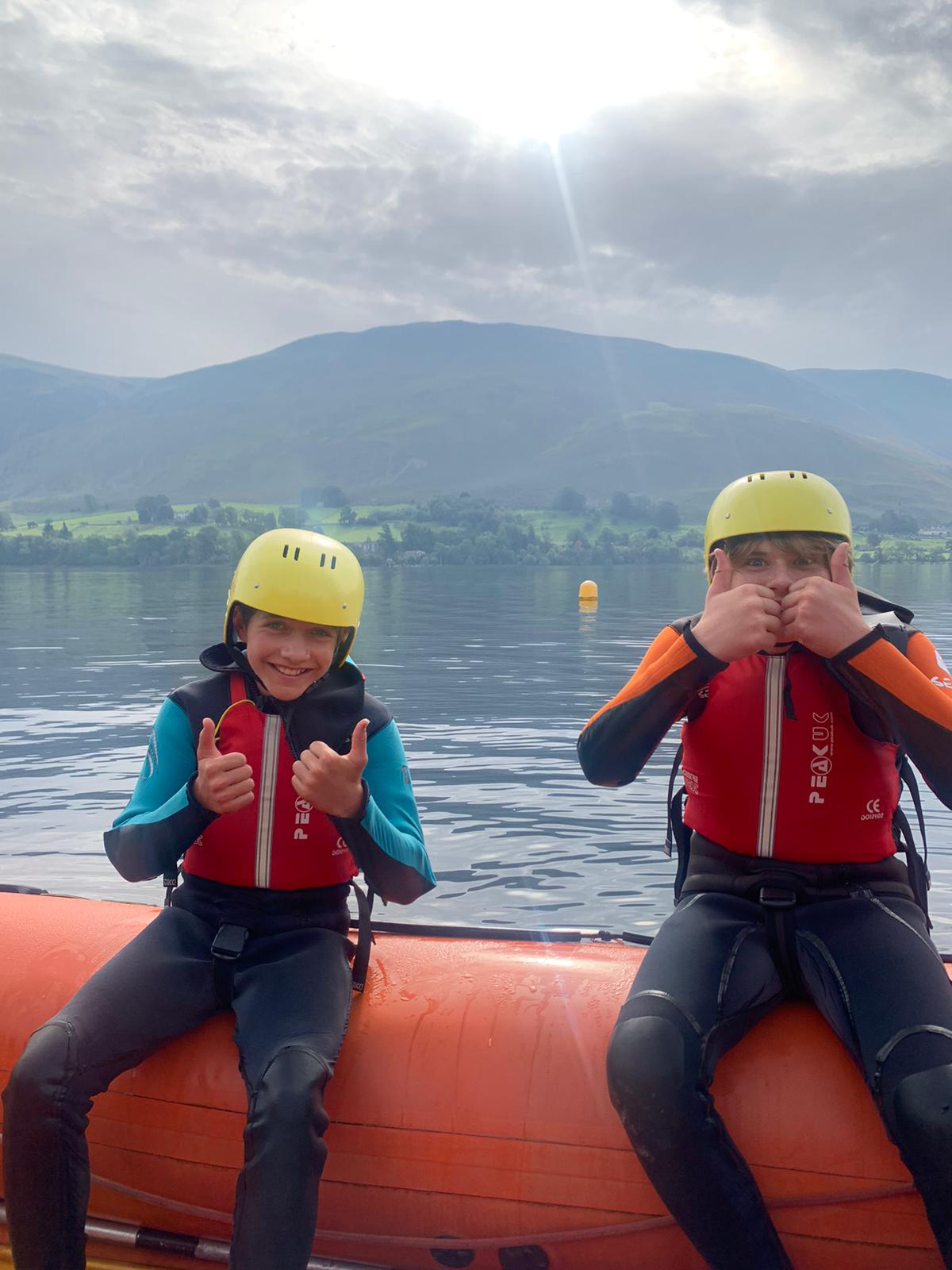
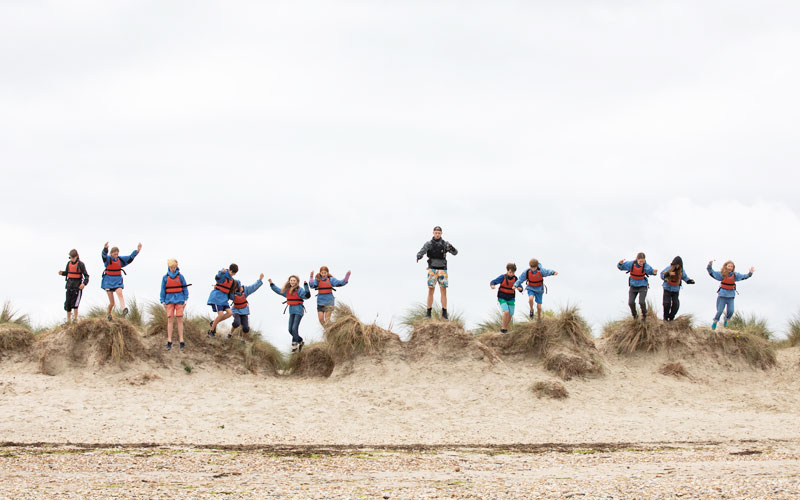
Following last week’s on-site induction, Block 3 students visited Ullswater this week, where they took part in a five-day multi-activity experience with their tutors.
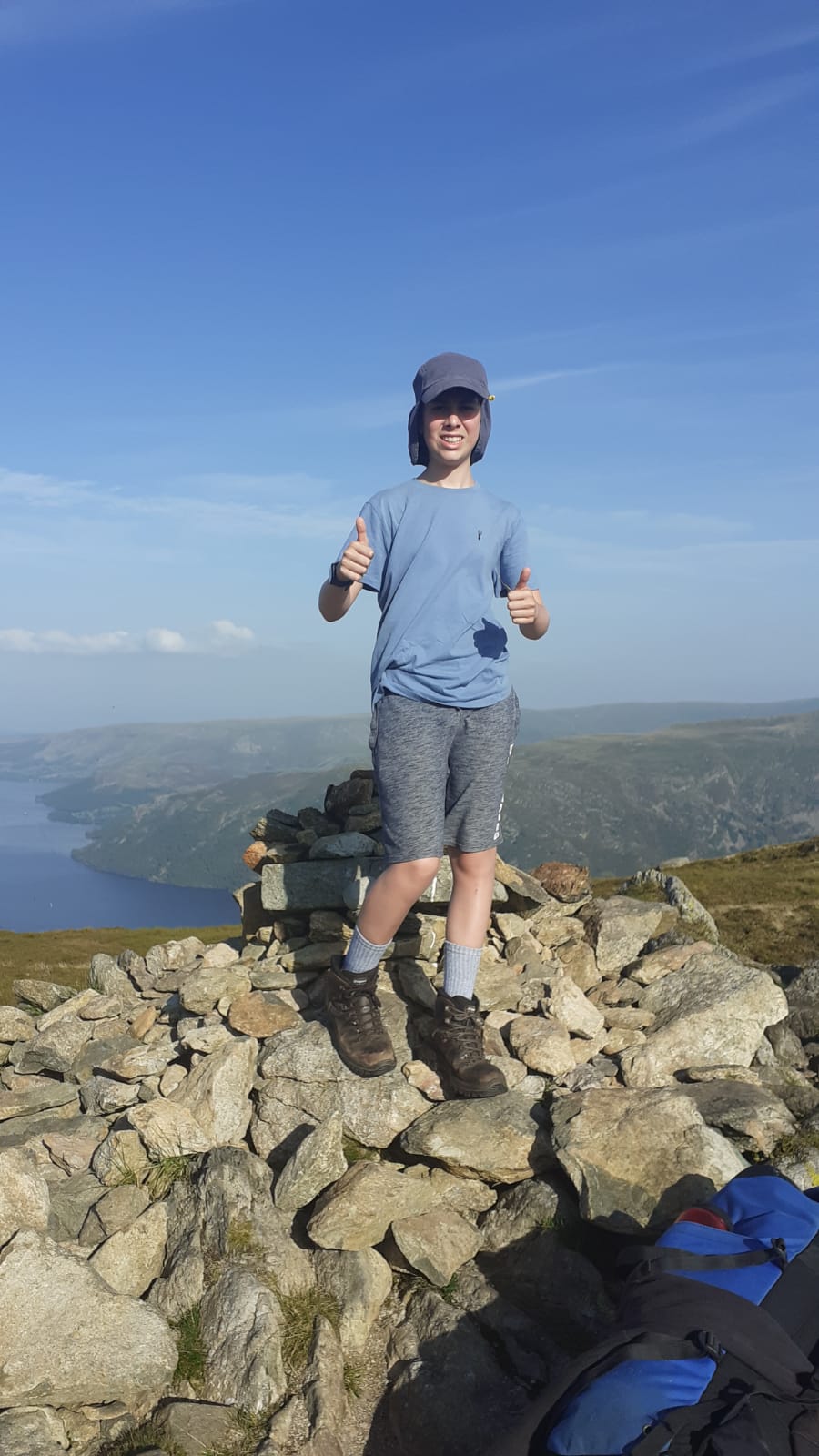
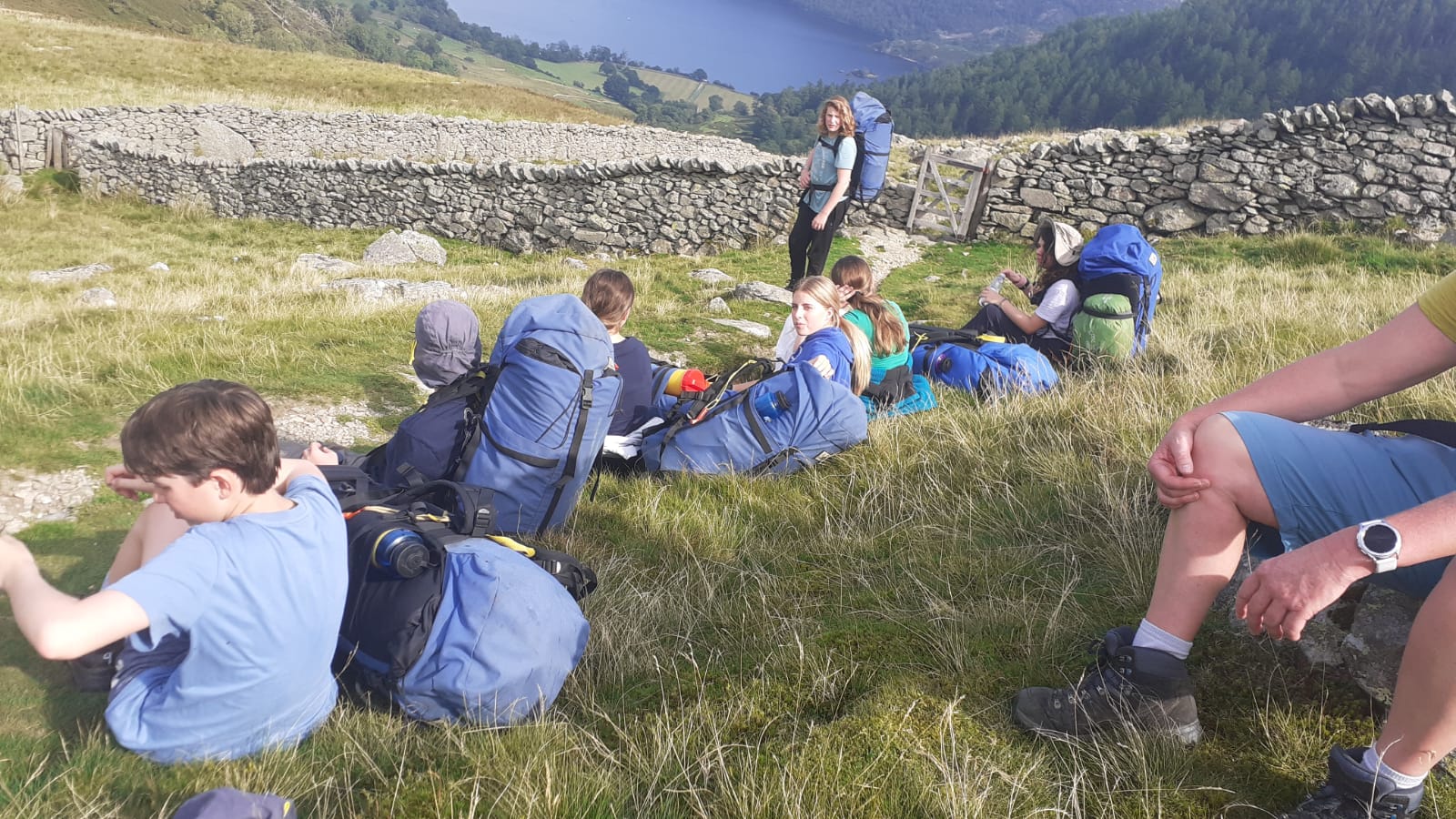
As well as trying their hand at activities such as gorge scrambling, rock climbing, abseiling, hiking, canoeing, kayaking and rowing, students completed a two-day expedition in the Lake District, before returning to Bedales on Friday afternoon.
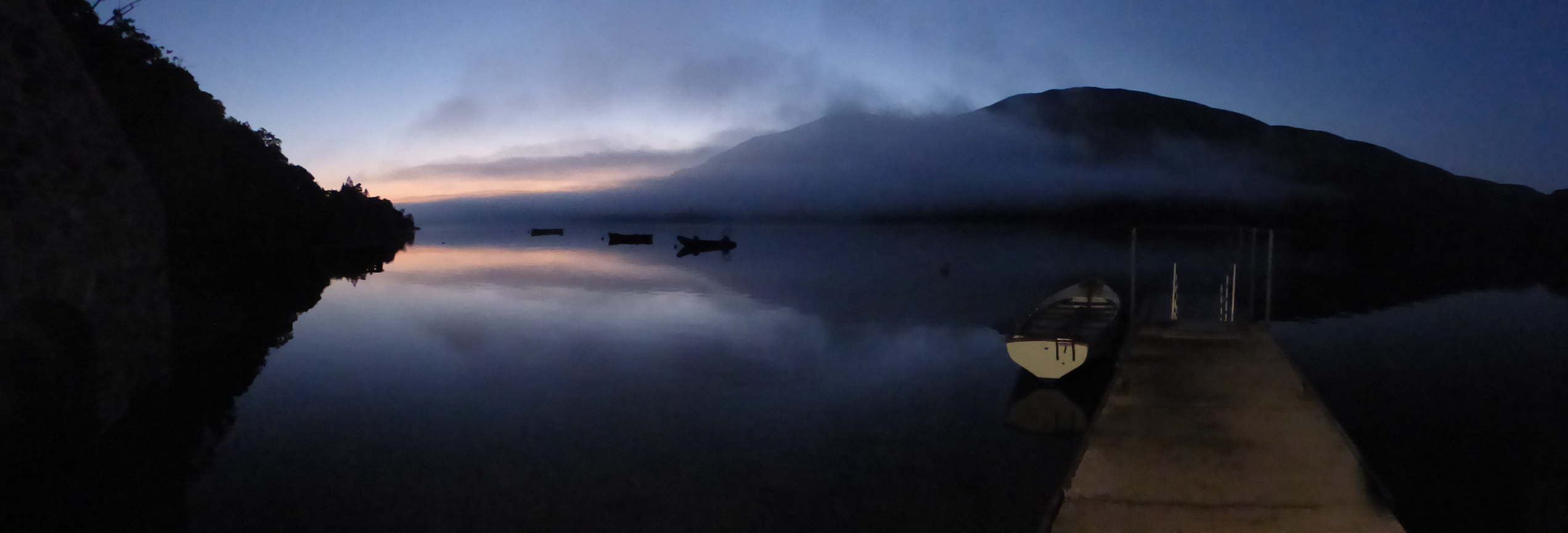
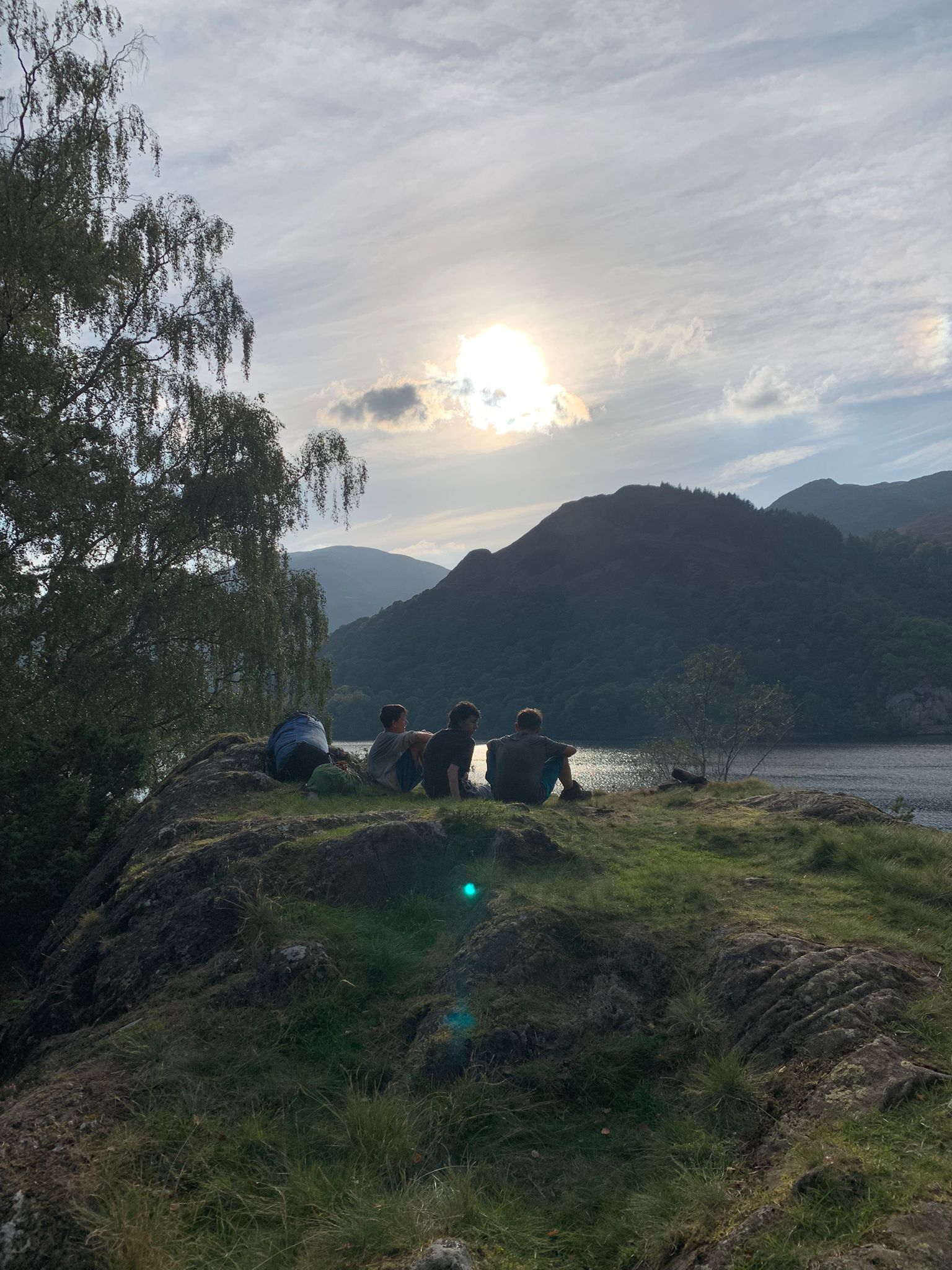
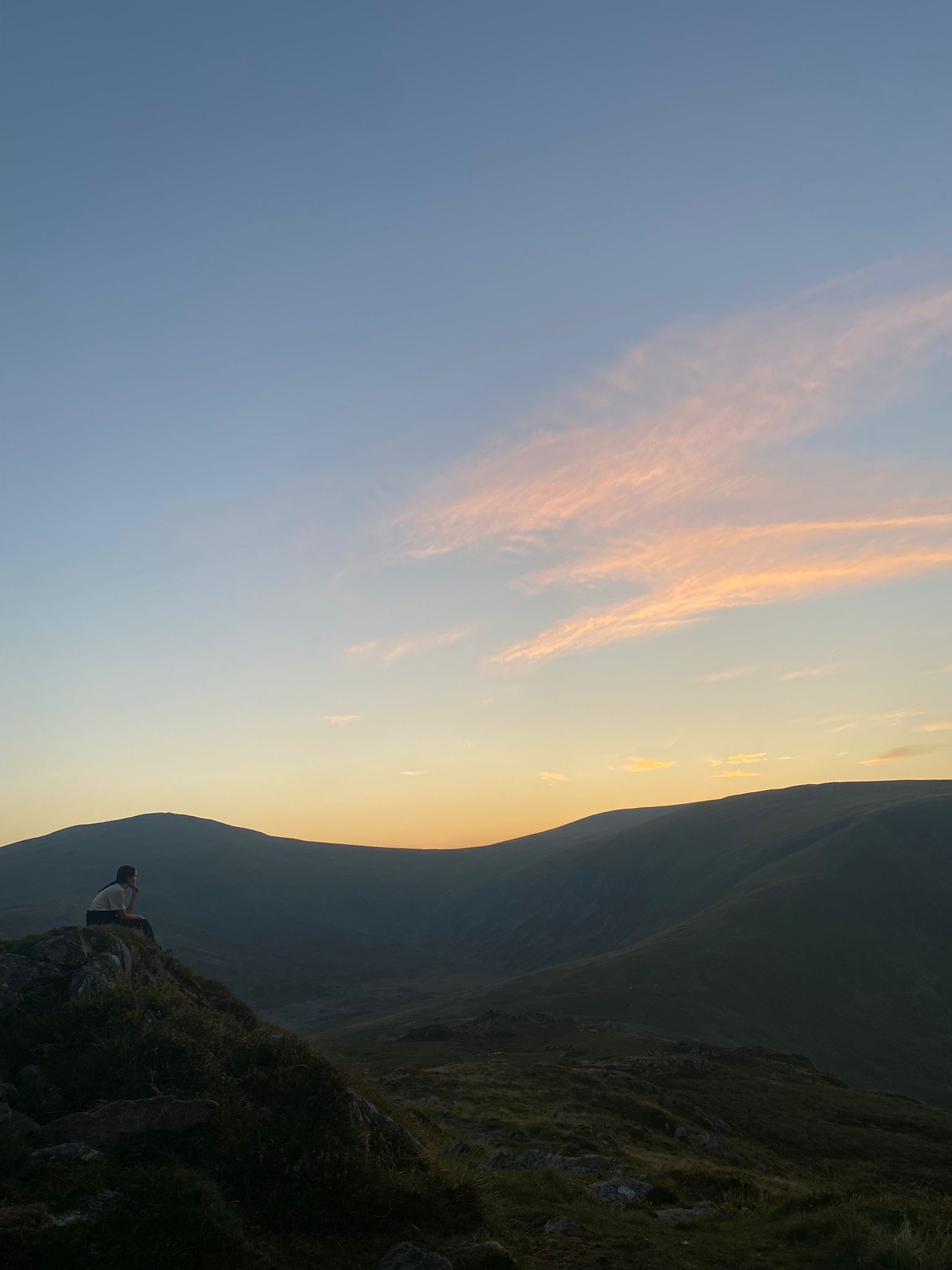
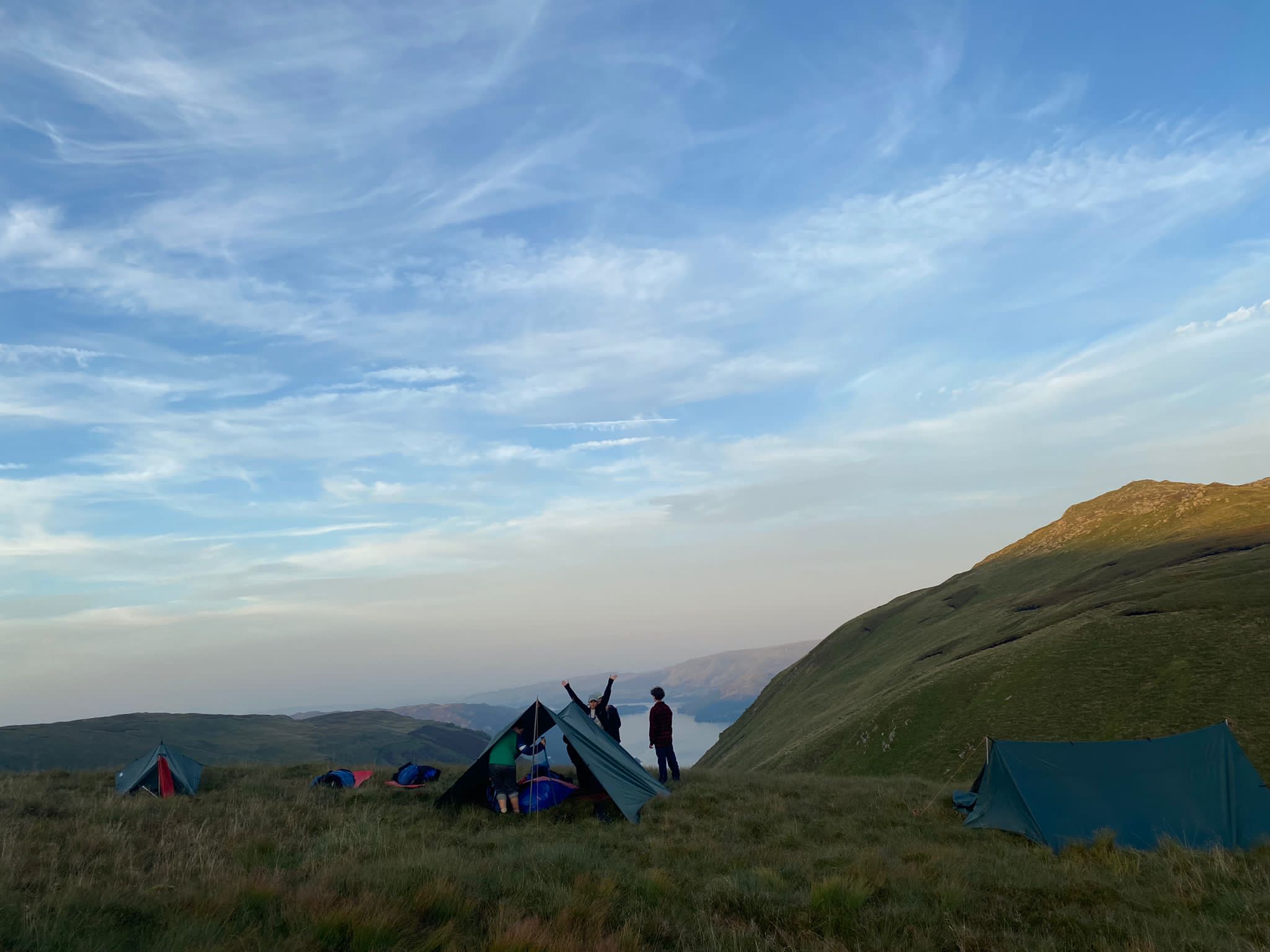
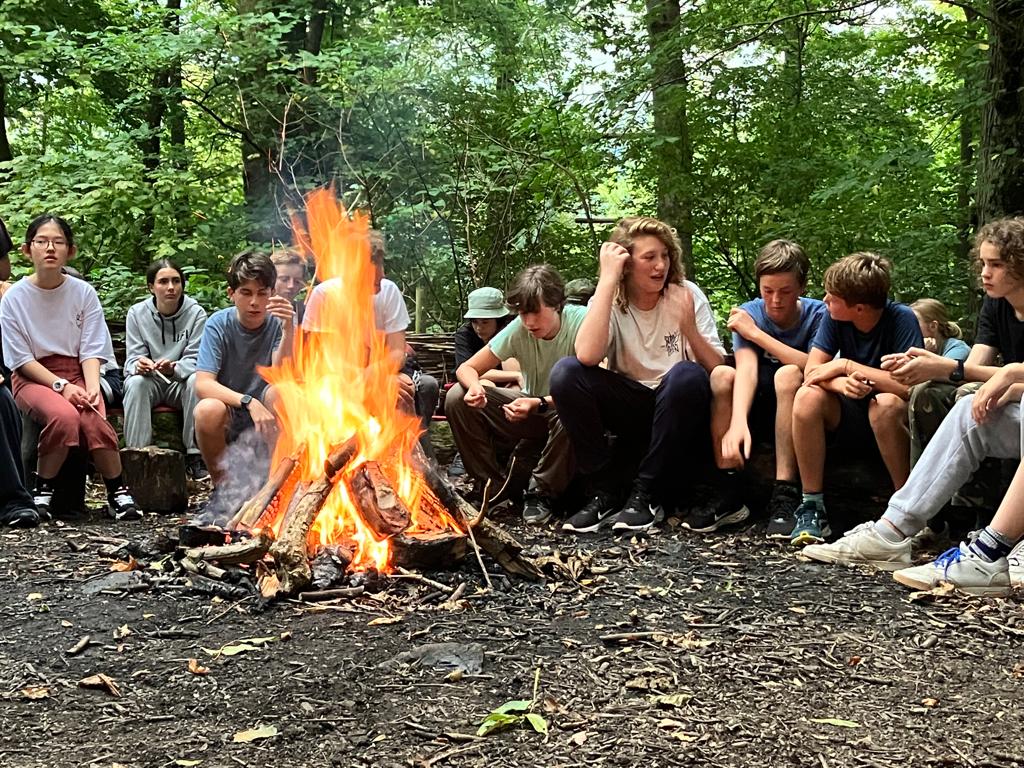
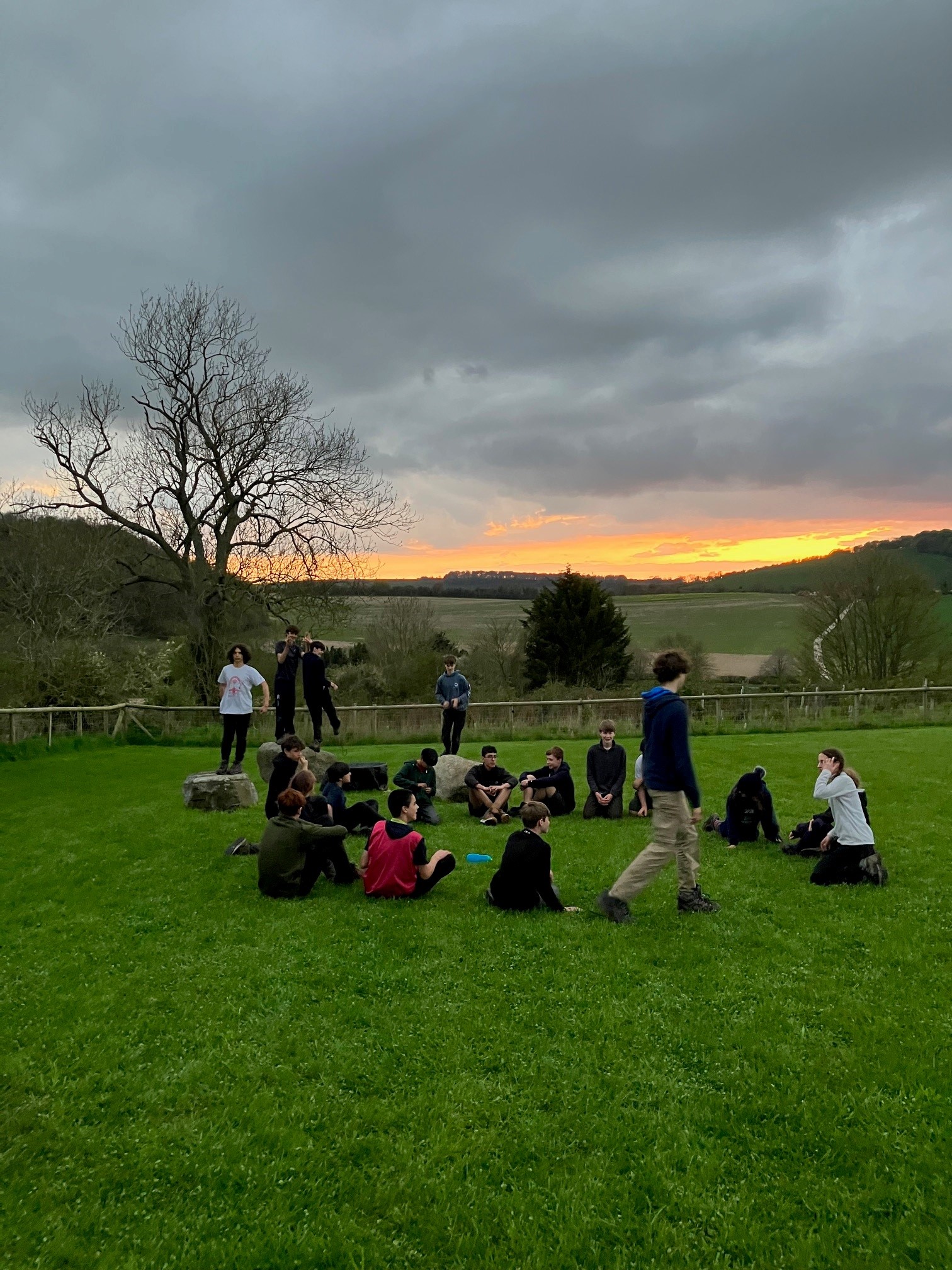
On Wednesday evening students climbed a mountain peak to reach their wild campsite in the Ullswater valley (pictured above). See more photos from the Ullswater trip below:
By Clare Jarmy, Assistant Head (Learning & Development)
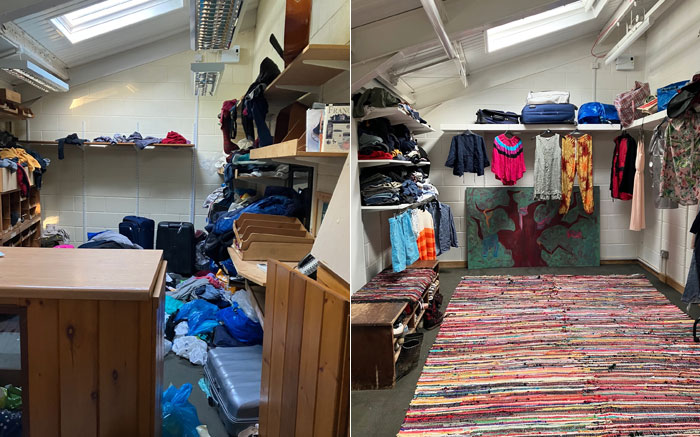
When, in September, we walked into what had been the Swap Shop (pictured on the left), I think all our hearts sank. It was a total mess. The shop had closed suddenly at the beginning of the first COVID lockdown, and it was our job to resurrect it.
Understandably, it had become a place where lots of lost property had been put, and amongst donations of clothes, other stuff had crept in: school books; stationery; lost DofE equipment; towels; broken electronics; suitcases. All the ephemerata of boarding life!
Everyone in Block 3 has worked on this project and on Parents’ Day, we were able to welcome our first visitors to the transformed shop (pictured above, on the right). The Free Shop will continue to run next year, and will be a good opportunity for those doing community service at Bedales. Student volunteers and donations always welcome!
Phoebe Cake: When we started the project, the Free Shop was known as the Swap Shop and it was originally intended for clothing swapping, trading, and possibly buying. We got into the shop and continued cleaning the insides and sorting clothing, and halfway through this process we decided that the shop should be called the Free Shop. We were inspired by hearing of another shop that was coming from a place of generosity and giving rather than swapping. But how do we keep up inventory? We are hoping for donations – but this is only possible with help from the community.
Henry Driver and Noah Huston: Our contribution to the Free Shop was primarily communicating with the Design team, and painting and putting up the shelves. We started off the term by deciding what shelves we were going to be using by collaborating with students from the other group. Then we helped paint the shelves, put up the shelves, and organise the hangers. Design Technician Emile Gailly was a key part of the project. From creating the shelves to helping put them up and re-upholstering furniture for the store, Emile was a needed cog in our very rusty machine. But through all of the ups and downs of the project we came out with a workable shop that would be able provide clothes for the people who needed it.
Olly Westwood and Guy Cumming: This term in the Free Shop, we have been assembling the shelves in preparation to open in time for Parents’ Day; thanks to Design Technician Emile for helping us put them up in his free time. We fully repainted the shelves, and arranged for the walls to be repainted, too, to give the shop a fresh look.
Aidan Casey: I helped the Free Shop by emailing a member of staff to ask how much funding we would have access to so we could plan what we would do with our first problem – the carpet. As the carpet was stained, we spoke to Facilities who suggested two solutions: clean the carpet to see if that would get rid of the stains, or buy a whole new carpet. We later decide that as it was over our budget to buy a new carpet, we would clean it, and were glad to find that after cleaning the stain was gone.
Tommy Hornsby: I worked with others to talk to Facilities about cleaning the carpet. They did such a great job once it was done, as at the start the carpet had many stains. After the preparations, in the last week we got the clothes into the shop and organised ready for the opening on Parents’ Day.
Paige Winstone: We created an ethical order form to establish whether any items we needed to purchase for the shop were ethical or not. In our form we questioned the ethics of the product so that if we did buy something, we would be able to make sure that the product fit with the Free Shop’s ethics. We had questions like ‘where was it made?’ and ‘who made it?’ We wanted to make sure that we got something that didn’t harm the environment, people, or animals. We couldn’t replace the carpet that was already there, so we decided to buy a rug and put it over top of it. Clare and I started looking for an ethically produced rug. We found one which, although it was from India, it was ethically made by women who were treated well with a good pay. It was also made from old scraps of fabric. It was reasonably priced, so we bought it with some of the £650 funding we received from the Bedales Parents’ Association (BPA). Now it looks great in the Free Shop and brings a lovely pop of colour to the room.
Jack Laing and Iris Oliver: Throughout the renovation of the Free Shop we painted and put up shelves, cleaned the carpet, bought a new ethical rug, organised clothes and accessories, collected, cleaned and fixed clothes rails, fixed and renovated a shoe bench, and much more. We worked together using our Projects lessons and extra time (a special shoutout to Arthur Searby for his hard work in Badley Times!) along with Clare Jarmy, Matt Meyer and Mungo Winkley, Emile Gailly and the Facilities team to put it all together.
Jamie Bolton: I helped re-upholster the leather shoe bench, where we had to ask Emile Gailly, Design Tutor Technician, for materials and tools to modernise the bench, but also keep its history there.
Platon Lesnevskiy: I helped put up all the shelves up and spoke to Facilities to arrange for the carpet to be cleaned. We carried clothing donations from Boys’ Flat to the Free Shop, sorted the clothes and shelved them ready for Parents’ Day.
Aidan Casey: The final job was moving the donated clothing back to the Free Shop from Boys’ Flat and sort them, ready to go onto the shelves. This did take a bit longer than expected as a lot of the stuff was mixed up and we had to find pairing shoes!
Harry Burnell-Nugent: Working on the Free Shop made me think about the bigger picture of the world and the immense importance of today’s issues. Fast fashion is real, it is bad for the environment, and it is affecting how the world is run. We need to stop this and shops like this are the way forward.
Leggy Vale: My experience with the free shop was mind opening; I learnt some things I would have never been interested in without this experience. We worked together as a team and had some great times. I have got to know many people and have seen what life is like without the true privilege many people at our school experience.
By Allen Shone, Teacher of Physics and DofE Manager
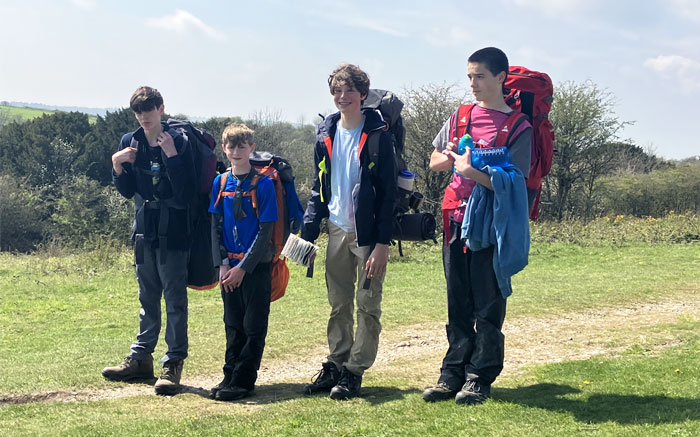
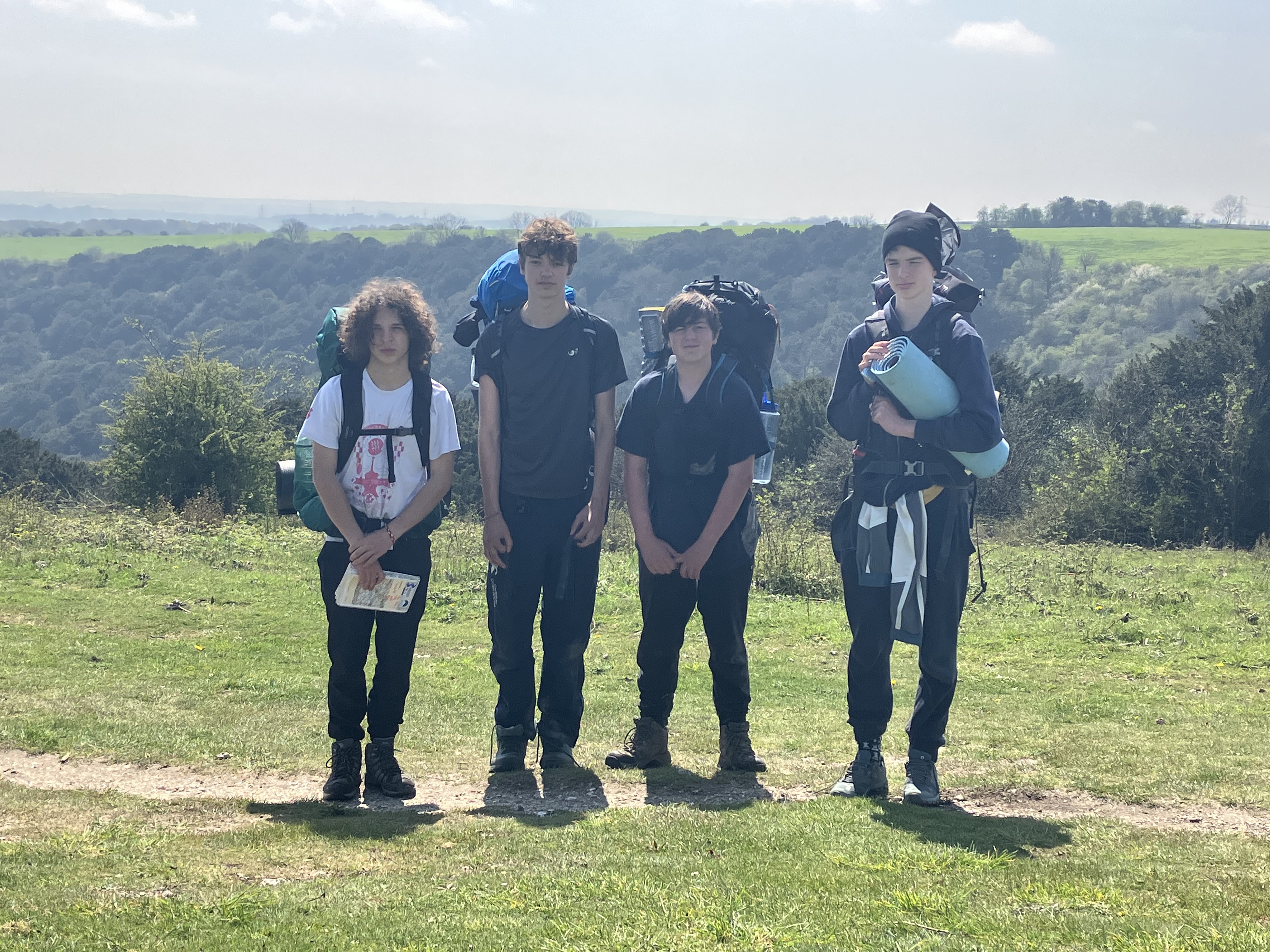
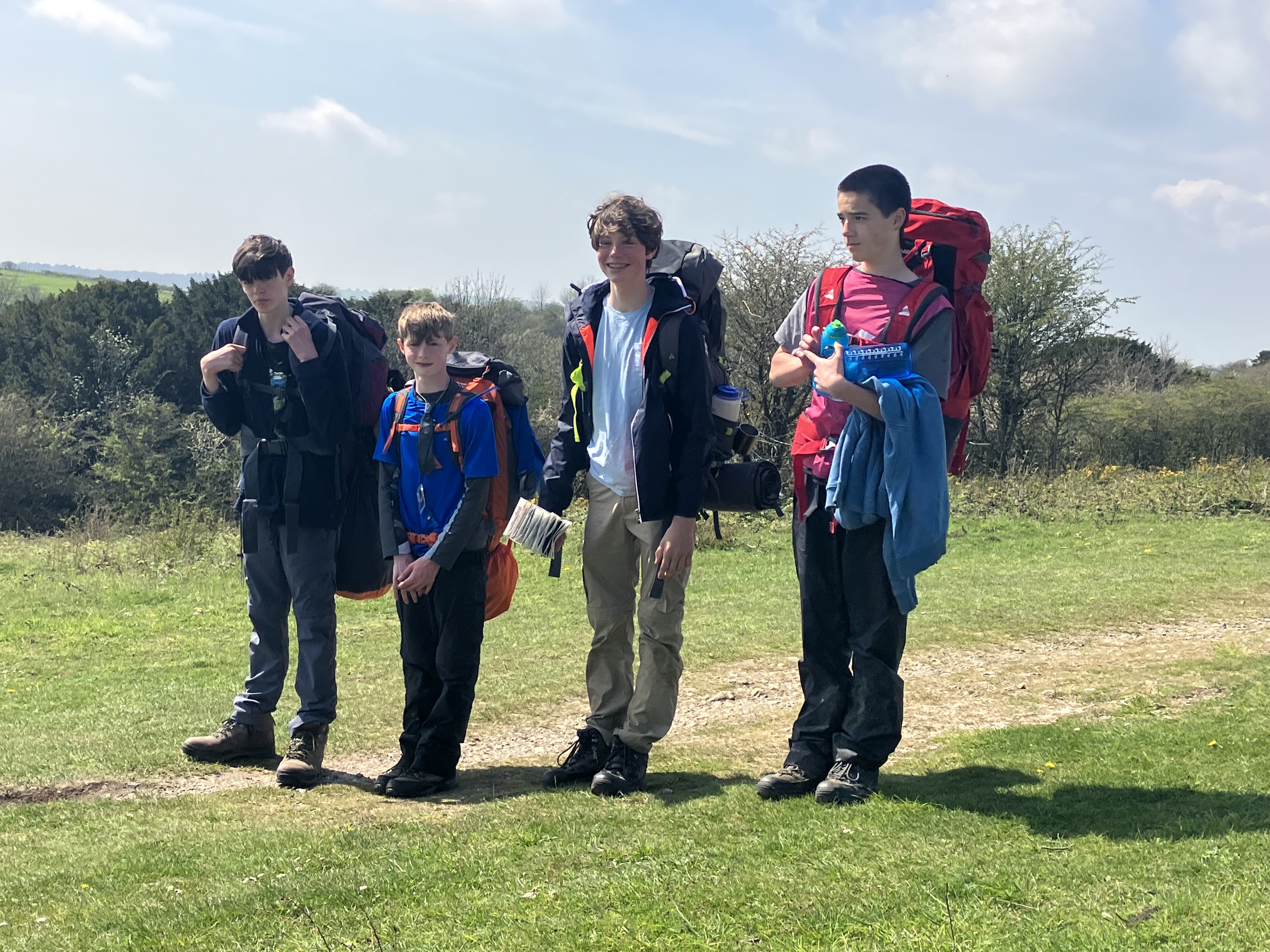
Last Friday, 22 Block 3 students set off from school on their Bronze Duke of Edinburgh (DofE) Qualifying Expedition. Under slightly overcast weather, they worked in groups to walk to Dunscombe Farm, East Meon, where they set up camp for the night.
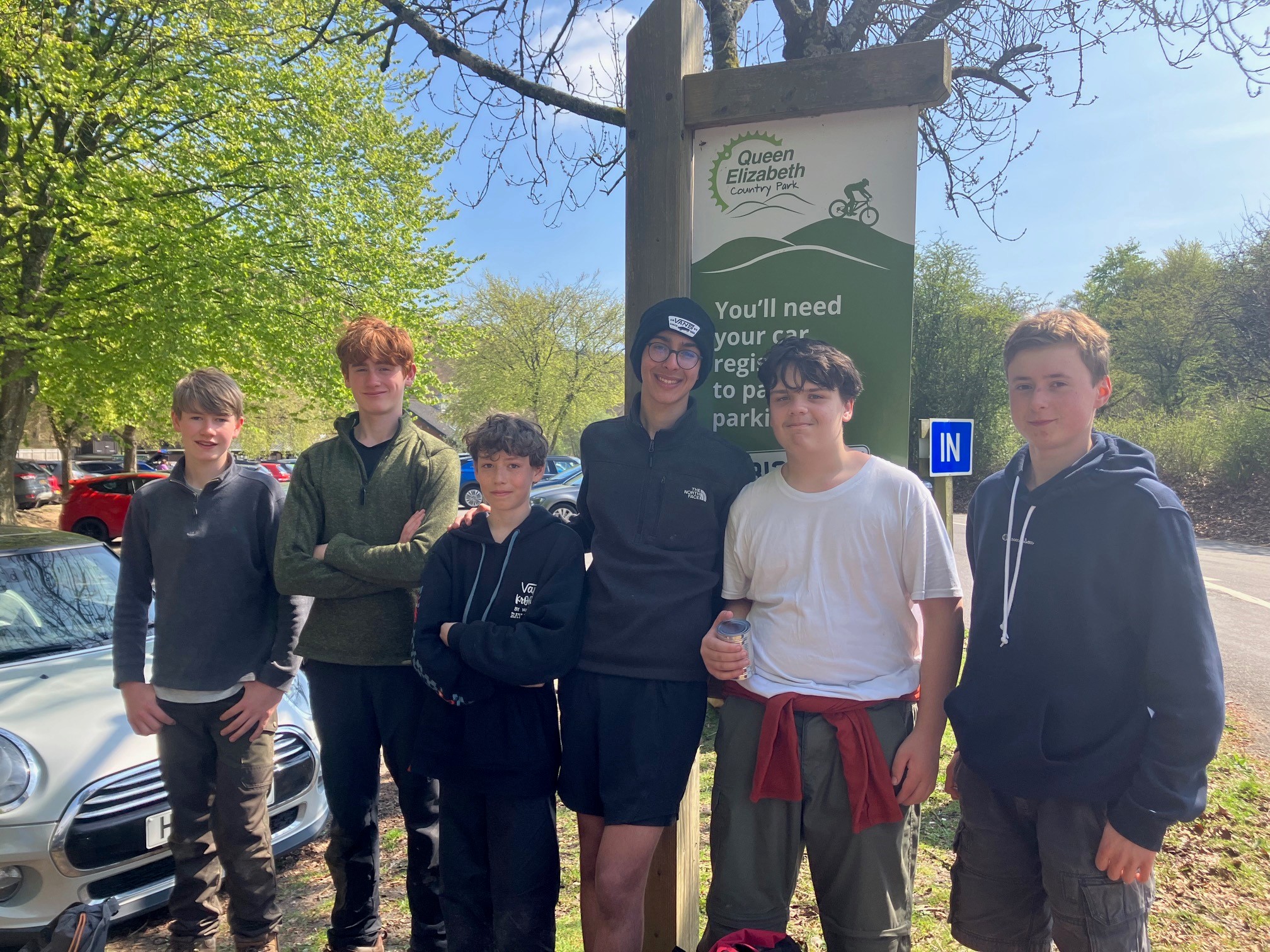
As students settled into camp they tucked into their evening meal, with food varying from pasta and noodles all the way to fried salmon with gold leaf! Waking up to sunny weather on Saturday morning, the students set off before 9am and arrived at the Sustainability Centre for lunch, finishing at Queen Elizabeth Country Park that afternoon.
See photos from the expedition below:
The DofE adventures continue this weekend as 6.2 students head to Dartmoor for a four-day practice expedition ahead of the qualifying expedition in June.
Two Block 3 Projects classes are acting as the two opposing campaign groups in a school-wide referendum next Thursday, 24 March, on the question of whether the Royal Family should be abolished. Here, both sides of the campaign have set out their arguments as they each appeal to students and staff to vote in their favour.
Yes, Revoke the Royals By Lolo Gaio, Wulfie Smith Pink and Anthony Harvey, Block 3 We are campaigning to remove the Royal Family and revoke the Queen’s power as Head of State. We believe that the monarchy is not needed in our democracy, as it is exactly the opposite of democracy; you are born into power, which means achieving or gaining power is based on who you are or who you know or which family you were born into, rather than what you know and what you have done. Here are a few arguments for removing the Royal Family.
One of the main criticisms against the Royal Family is their cost. The Royal Family’s lifestyle is just too expensive to maintain. Staffing costs, catering, hospitality, executive management and any ceremonial functions cost £85.9m of taxpayer’s money. That could be spent on things like education, housing, policing and countless other things.
Monarchs can also be unfit to be heads of state. They shouldn’t be chosen by birth to have huge responsibilities over a country; it seems unfair for someone who could be an incredibly good leader to not have the chance to become a head of state, instead to be replaced by someone who was born into the job, who could be absolutely terrible at it.
Yet, despite the fact that the Queen is Head of State, she has no legal powers. Instead, most of her privileges are exercised by ministers acting on behalf of the Queen, who can act without parliamentary approval. The Prime Minister abuses the Crown’s entitlement, and Parliament has no jurisdiction to take away or limit these rights because they themselves are derived from the monarchy’s privilege!
A well-rehearsed argument from the monarchist’s side is that the Queen brings in tourists and promotes Britain abroad. If the Royal Family bring in tourists to visit the royal palaces, they wouldn’t be demolished if the Monarchy was abolished! And in Versailles, the palaces of the long-gone monarchy receive six million visitors per year, put against Buckingham Palace, which is only open for ten weeks during the summer. Neighbouring Paris in general also receives 35 million visitors per year, against 20 million for London. The argument just doesn’t make sense.
These are a few of the things that we believe should happen if we win the referendum, and a few reasons why keeping the monarchy is a bad idea. If you feel that you agree with any of these arguments, you should vote to revoke the royals in the referendum on 24 March.
No, Save the Queen By Ella Foster-Hill, Miles Farmer and Owen Griffiths, Block 3 In our campaign, we are arguing for the Royal Family to stay, and in this article, we will put across our points as to why we believe this is so important.
The first and probably most crucial argument is simply the huge amount of tourism from overseas that the Royal Family bring to the UK each year. In a report from The Guardian, it was reported that they bring in over £500m every year from overseas tourism alone. Not to mention the fact that they add an overall £1.2bn to the British economy every year!
Another great thing that the Royal Family bring is their charity work. Without them, some huge charities such as the Duke of Edinburgh Award and The Princes Trust wouldn’t exist at all. Two charities which both help so many young people all over the country today.
To take a look at the Queen specifically, she is such an important figure in this country. She is Head of the Commonwealth which makes such great strides towards global peace. In the UK, she provides a neutral status amongst politics in the largely divided government of today. She is the only person who can call a meeting with the Prime Minister to discuss and even overrule decisions made by the government. She also provides hope and clarity to so many in all the small things she does – from her annual Christmas speech, to her messages of reassurance during the pandemic. And she is even on our currency! Getting rid of the Queen would be stripping us of a historic and greatly important figurehead of this country.
The Royal Family give us a sense of tradition but have also adapted to modern day society. We have no reason to dislike them or want them abolished. Support and enjoy the Royal Family because whether you think it or not, they do an awful lot for this country and the world around us.
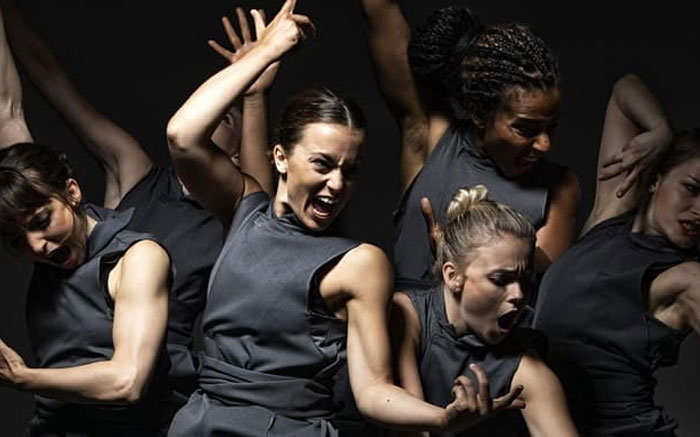
Block 3 and 4 Dance students took part in a two-day workshop with choreographer and director of Chhaya Collective, Kay Crook. Kay worked very intensely with the dancers, giving them the experience of what it might feel like to be in a professional dance company and the students rose to the challenge. They were then fortunate enough to perform the piece they had learned and created as part of the curtain raiser for Chhaya Collective’s performance in the Theatre last week. Here are some comments from the students who took part.
By Phoebe Land, Block 3 This was such an interesting experience because we were introduced to lots of different styles of movement. In the first day we learnt the first phrase, which was choreographed around animals, and this was especially interesting for me, as I haven’t done a lot of proper dances with a storyline. Kay mixed the Block 4s with the Block 3s to create individual duets, with different parts of the music. Kay made sure everyone was happy with the movements and showed us how to execute them to make us look professional. Then on the second day, we learnt the next phrase which was the opening movement. This involved two different hand gestures, which were later used again in the Bharatanatyam by me, Biba, and Annabel. This was so fun, and everyone really enjoyed it!
By Milly Trench, Block 4 Kay worked very well with us to create the curtain raiser for us to perform. We started off by doing an intense warm up which was a great taster on their style and how we were going to be dancing for the next two days. I thought this was great because it allowed us to warm up how the professional dancers do and experience a higher level of intensity. We were taught the movement but were given sections to work creatively in groups to add to the overall performance. We were also asked to choreograph duets with an animalistic style and a connection with your partner.
By Biba Hardy, Block 4 Throughout the workshop we were given different creative tasks where we were able to use our own ideas in sections of the dance. One task that we were given was to make a duet – we were put into pairs and each pair was shown a video of other dancers doing a duet to gain inspiration from their piece KHAOS. Each one was slightly different and had different techniques that were used in the duets. None of them were the same, but all of them had some things in common, for example they were all quite animalistic and used a lot of eye contact between the two dancers. Once each pair had watched the dance that their duet would be inspired by, we all had some time to think of new moves and ideas, while also incorporating some of the moves from the sections of the dance that everyone had been taught in unison. Each pair had a section in the dance to perform their duet one at a time, so that everyone’s ideas could be seen.
By Sophie Lee, Block 3 Kay taught us about a side of dance I haven’t come across before. She lived in India for a while, so she taught us some dance moves from Indian culture. The Indian style she focused us on was Bharatanatyam and she taught us the unique hand movements. There were two main phrases she taught us and they were in her own style. She focused in on specific movements, making sure we all were making them very sharp and clean. She split us into two lines and showed us how to effectively be in sync with our line but also mirror the line opposite. By letting us choreograph a duet after a day of working with her, we found that we were all heavily influenced by the new dance moves we were introduced to, and with Kay’s help we made the duets in a different style than we normally would.
By Greg Clarke, Teacher of Maths and Block 3 Tutor
This year’s intake of Block 3 – plus their form tutors and Head of Transition Clive Burch – spent last week at Cobnor Activities Centre on Chichester Harbour in West Sussex. The week is designed to assimilate the students as they settle into Bedales, with camping, an expedition, and a range of outdoor pursuits – plus plenty of card games, snacking and UNO – helping everybody enjoy the bracing coastal air, reacquaint with old friends after the summer and find lots of new friends with whom to enjoy the next few years at Bedales.
At various times in the week every group enjoyed kayaking, canoeing and sailing around the bay in a Hawk, working as a team to launch their craft from the little jetty. We also built rafts to race one another in, crafted from wooden posts and plastic barrels lashed together with ropes knotted into bowlines and half-hitches. I’ll leave you to imagine how sturdy one or two of those rafts were.
For landlubbers there was archery with the instructor who had a keen interest in history, aeroball (think of vertical basketball on a trampoline inside a cage, if you can), and practice at all the camping skills necessary for the expedition: pitching a tent; lighting a stove; cooking pasta in a mess tin; bending tent pegs; and packing a rucksack.
The expedition was a tough two days’ worth of hiking along the South Downs Way, in what turned out to be glorious sunshine that lifted spirits, drained sunscreen supplies and provided vital vitamin D for sustained walking. On my night at the campsite at Cocking, folk from the RAF entertained us all with several flypasts and stunts in their Chinook, and I feasted upon a gourmet pasta pesto (topped with parmesan) prepared by a team of Block 3 chefs.
After a lot of fun, by Friday afternoon there ensued a frantic all-hands-on-deck clean up and pack up to leave Cobnor looking miraculously even tidier than when we arrived. A big well done to everybody for surviving the rollercoaster up-and-South-Downs experience that was Cobnor 2021.
See photos from the Block 3 induction trip to Cobnor here.
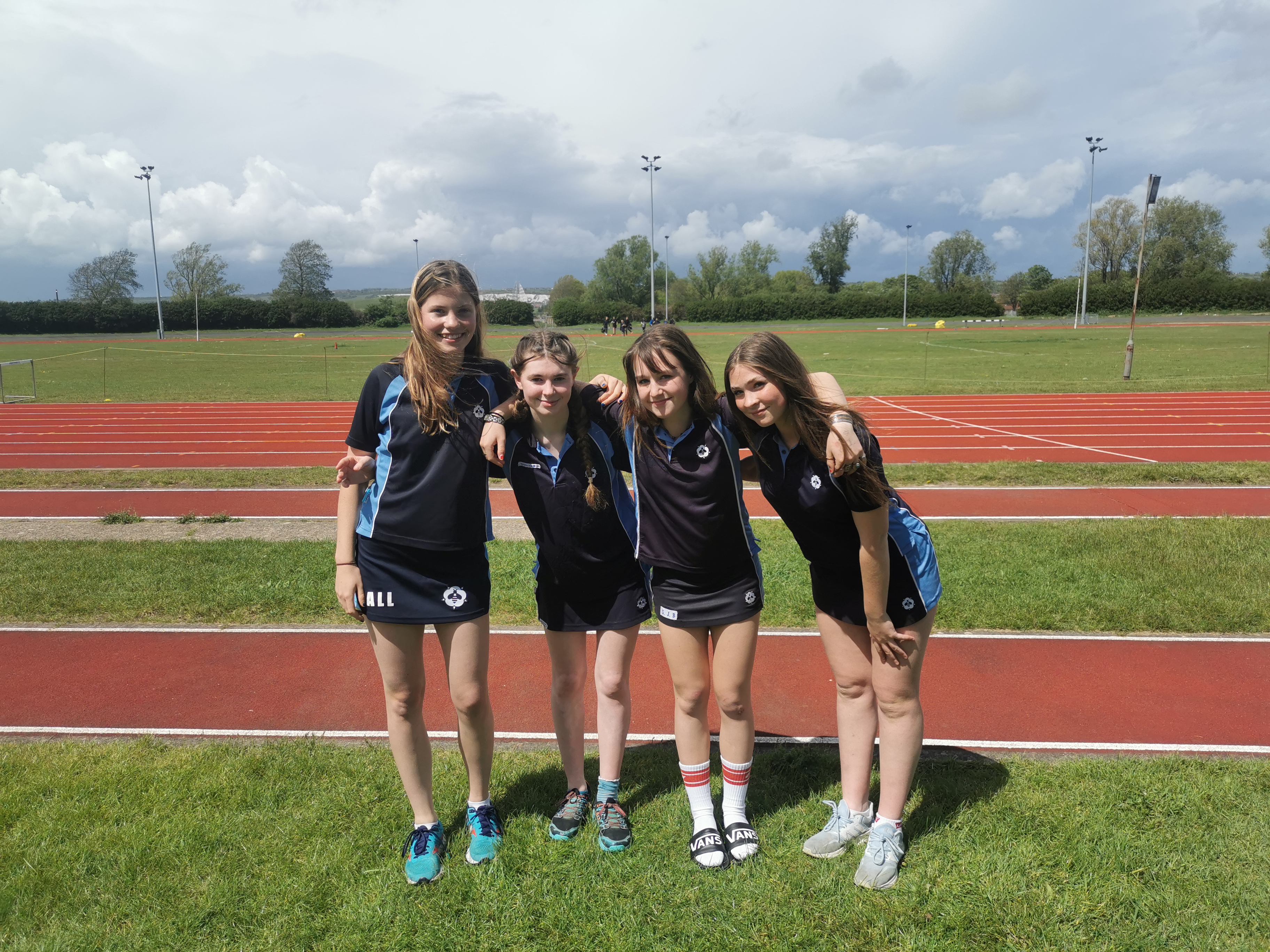
On 18 May, we took 18 of our Block 3 and 4 athletes down to the Mountbatten Stadium for the District Athletics event. In previous years we have taken 40 or 50 of our top athletes down to compete, but due to COVID restrictions, our numbers were limited meaning we took smaller teams and required all of our athletes to compete in multiple events.
Despite the rain in Petersfield the sun shone down on us in Portsmouth, and thanks to the excellent commitment displayed by our Bedales students, we managed to fill each event and get some exciting podium finishes!
Sage Bidwell cinched the win in the Inter Girls’ 200m, Greta Stillwell took first place in the Junior Girls’ Shot Put and Sol Arbib comfortably won the Inter Boys’ 1500m, with a time of just 4.55. First place finishes also went to Bruno Heggie, Louis Pattison, Sam Gibbon and Lola Mackay. Jago Levine qualified for the next round and will have the opportunity to compete at the Regional Athletics meet for Shot Put. He will be joined by Gordon Thistleton-Smith, who qualified with his 100m time.
After a successful day of events both of the Block 3 teams finished in fourth position of eight, which was a great effort. Our Block 4 boys team finished in second place out of nine, and our Block 4 Girls team took home the win, coming first out of seven teams.
By Julia Bevan, Teacher of English and DofE Manager
Last weekend, the team from the approved activity provider Ridgeline Adventures returned to run a two-day Duke of Edinburgh (DofE) Bronze Expedition from Bedales to the Queen Elizabeth Country Park.
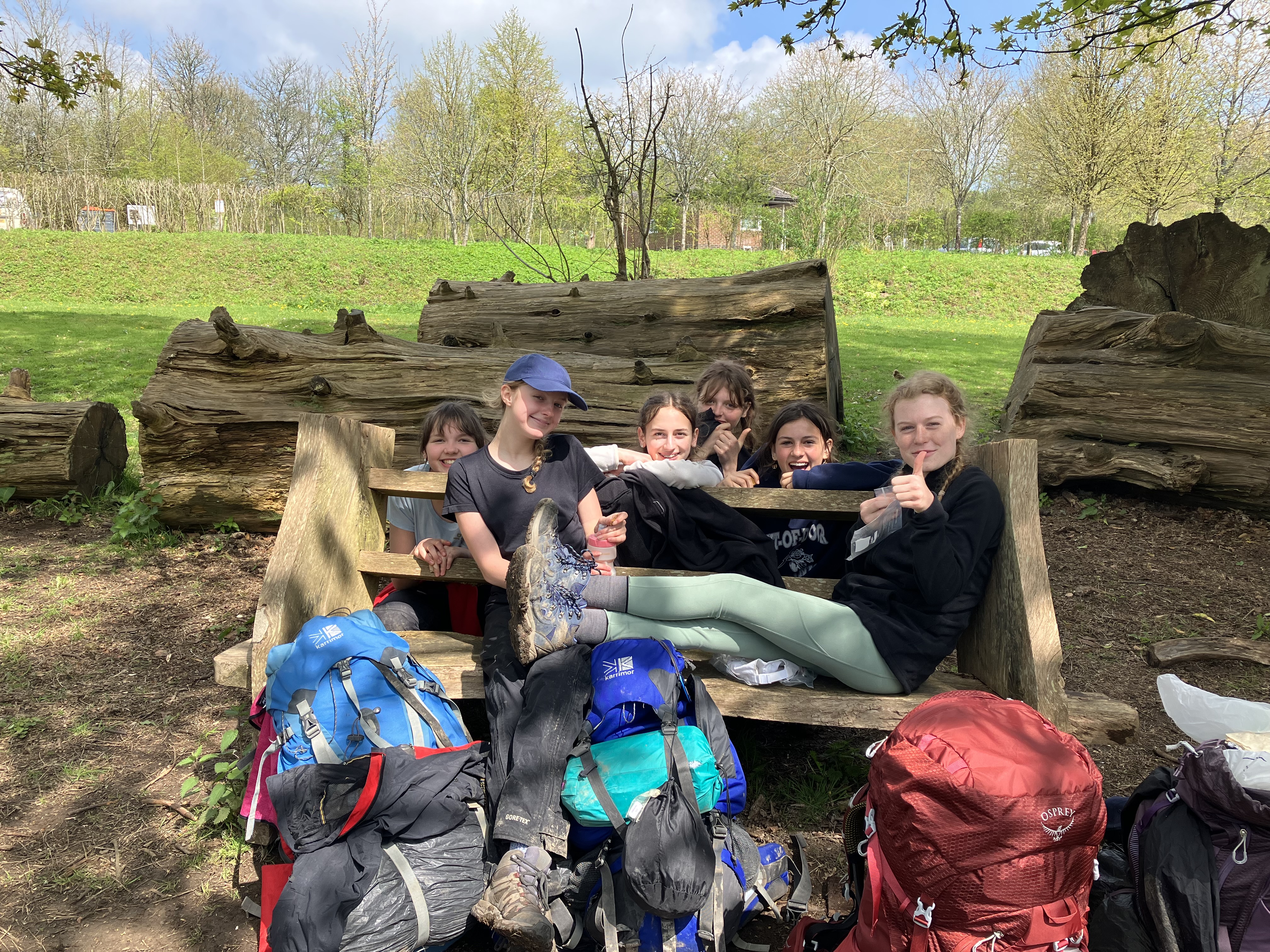
On Saturday morning, 33 Block 3 students walked out of Bedales in five groups for the first leg of the expedition to Duncombe Farm, East Meon. Each group, supported by an assessor from Ridgeline Adventures, had planned a different route to East Meon, which is around 2.5 hours from Bedales in a straight-line distance.
Although each of the groups were required to pass the Seven Stars pub on the A272 as part of their journey, the different routes they followed varied their experiences, as one group – who found themselves lost en route, and were forced to backtrack to get back on course – can testify! There were other challenges, too, such as loose soles on one student’s walking boots, which she successfully repaired after improvising with some duct tape. With the first group arriving at Duncombe Farm at 3.30pm, and the last group arriving at 6.30pm, the first day proved that you don’t always need to travel far for an adventure.
After camping overnight in East Meon, early morning birdsong at 3.30am provided an unwelcome wake-up call on day two. However, despite the birds’ morning chorus, the start of the day was deferred until 5.30am, when one student decided it was time to start dismantling his tent ready for the second part of his journey – much to the exasperation of his campmates!
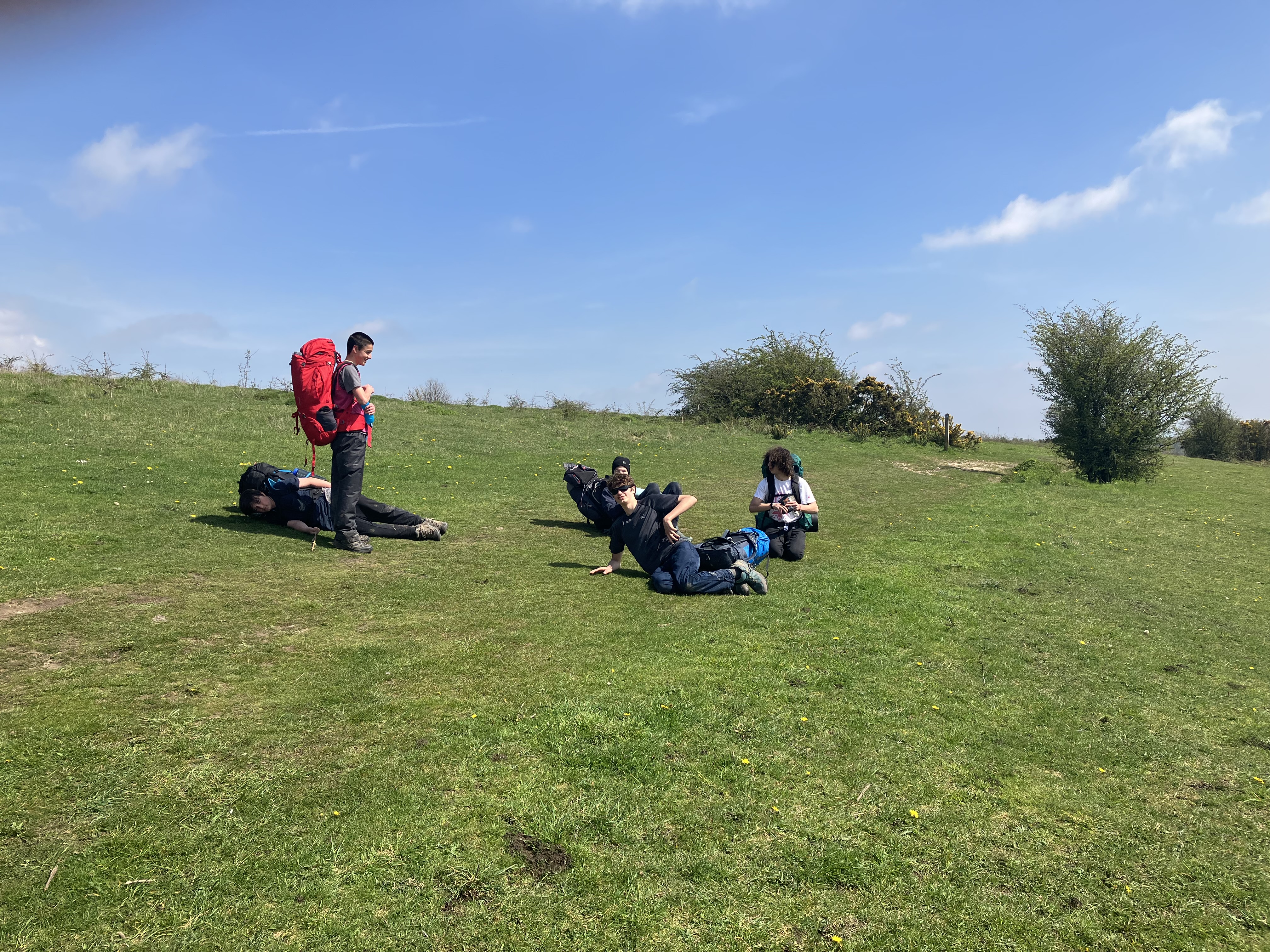
Once everyone was up for the day, the students continued onward on their expedition to the Queen Elizabeth Country Park, ploughing their energy into scaling Butser Hill from the North side. On reaching the top, groups were met by assessors for a debrief, before they triumphantly walked down to meet the school minibuses and parents in the Visitor Centre car park. “How long will it take us to get back to school?” a student asked me as we reached our destination, to which I replied it would take around 10 minutes. “We’ve only travelled 10 minutes?!” was his bewildered response.
Thank you to everyone who made the weekend a success – the enthusiastic Block 3 students, the exceptional team from Ridgeline Adventures, and accompanying Bedales staff Gordon Dale, Clive Burch and Paul Beauchamp. This weekend it is the turn of Block 4 & 5 students as they complete their Silver Practice Expedition, also with Ridgeline Adventures.

























 Bedales School Blog
You must be logged in to post a comment.