When I joined the Outdoor Work team as a Tutor Technician in January, Andrew Martin shared one of my main priorities in a Saturday Bulletin article – to get the wool room in the Sotherington Barn bustling with students spinning, weaving, knitting and all sorts of other traditional yarn skills.
First though, I needed to organise the wool room on the barn’s mezzanine level which had become quite disorganised. In my spare time I have been busy sorting, clearing out and clearing the room, transforming it into a beautiful, calm and peaceful space that is conducive to learning, will inspire creativity and enhance the barn’s stunning structural features.
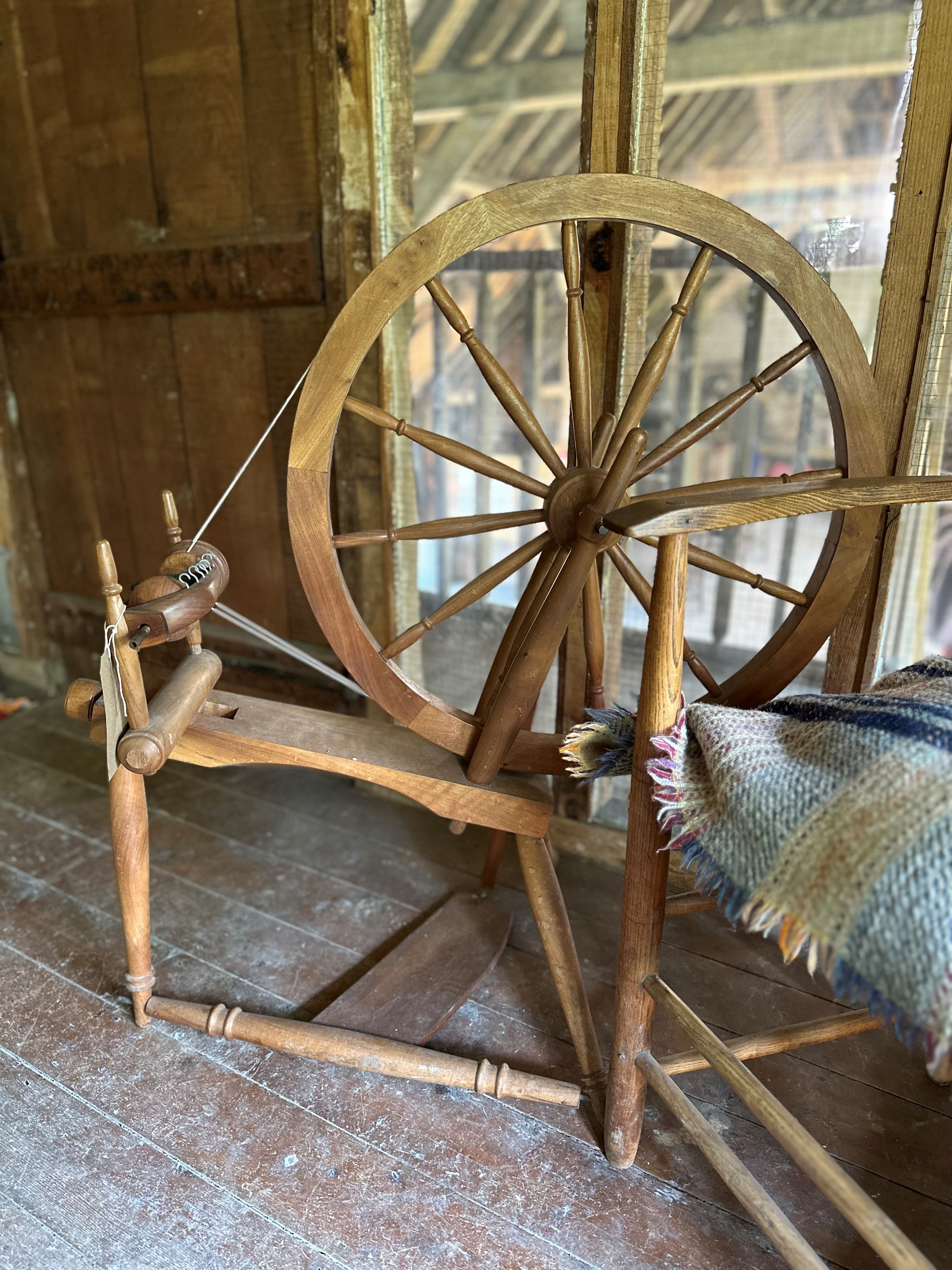
In keeping with our recycling and sustainability ethos, we appealed to the Bedales community for furniture, storage baskets and wool to help replenish and coordinate the space. Thanks to the generosity of the community (and a little extra help from Facebook Marketplace!) the wool room is now a fabulous teaching space with organised areas to promote independent working. You can see more photos below:
A cabinet donated by Bedales parent Courtney Winstone is now being used as storage for felting, sewing and needlework equipment. The old school uniform pigeonhole unit has been repurposed as storage for individual students’ work in progress, whilst a dresser from Facebook Marketplace is displaying vintage spinning and weaving equipment, carding paddles, Lazy Katie’s, Bobbins and a small library of reference books and patterns. Bedales parent Eliza Kenan also donated lots of vibrant coloured chunky wool, which will be great for teaching beginners. A huge thank you to everyone who donated and made the makeover of the wool room possible.
I am passionate about heritage crafts such as crocheting, so I also decided to decorate the room with pieces I crocheted myself, including a blue dreamcatcher hanging from one of the beams. It will be so exciting to teach Bedales students these traditional crafts and to utilise the wool from Bedales sheep for creative expression. As ‘flow’ activities, crafts such as spinning, weaving, knitting and crochet are also super beneficial for mental health and wellbeing, as people can fully immerse themselves in the crafts and feel energised focus, involvement and enjoyment in the process.
Giving the room a makeover has also inspired me to crochet items of clothing using Bedales wool, and you can currently see a bolero I crocheted on display in Reception. Knitting and crochet kits will be coming to the Outdoor Work Farm Shop soon, so watch this space!
The reaction to the room has been incredible and I can’t wait to see it used by students in the weeks, months and years to come. If any students are keen knitters or crocheters, please get in touch with me as I would love to discuss project ideas.
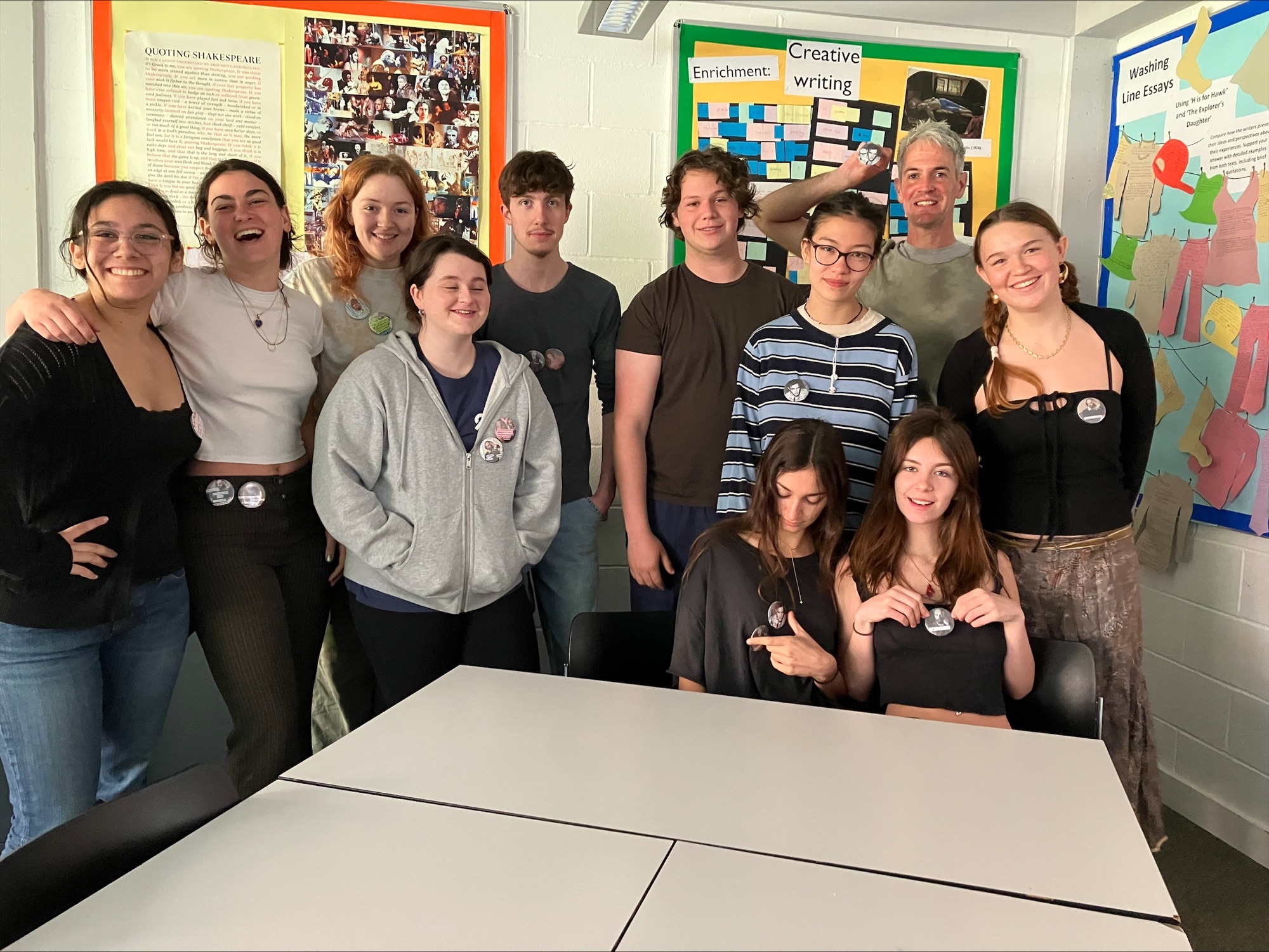
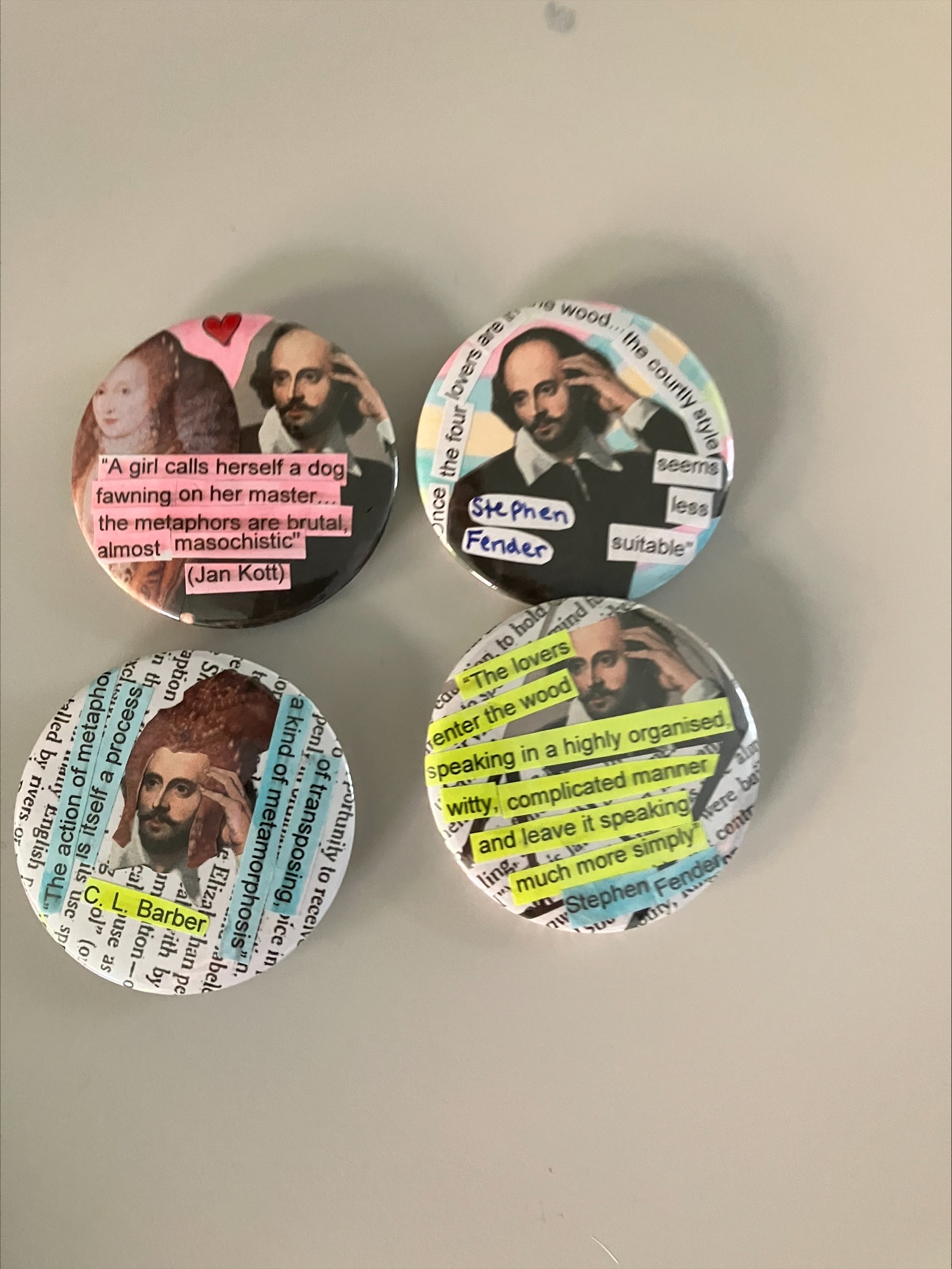
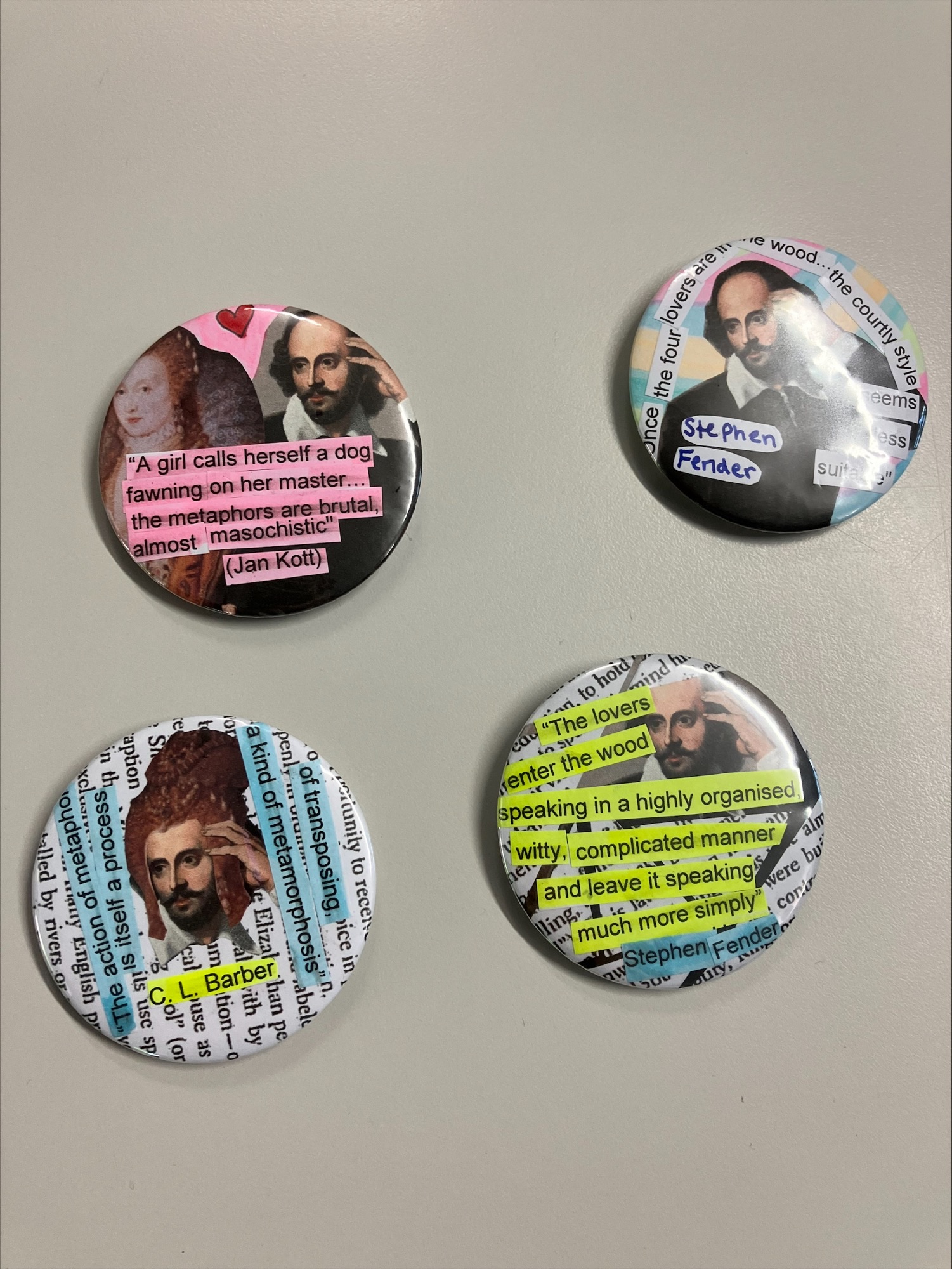
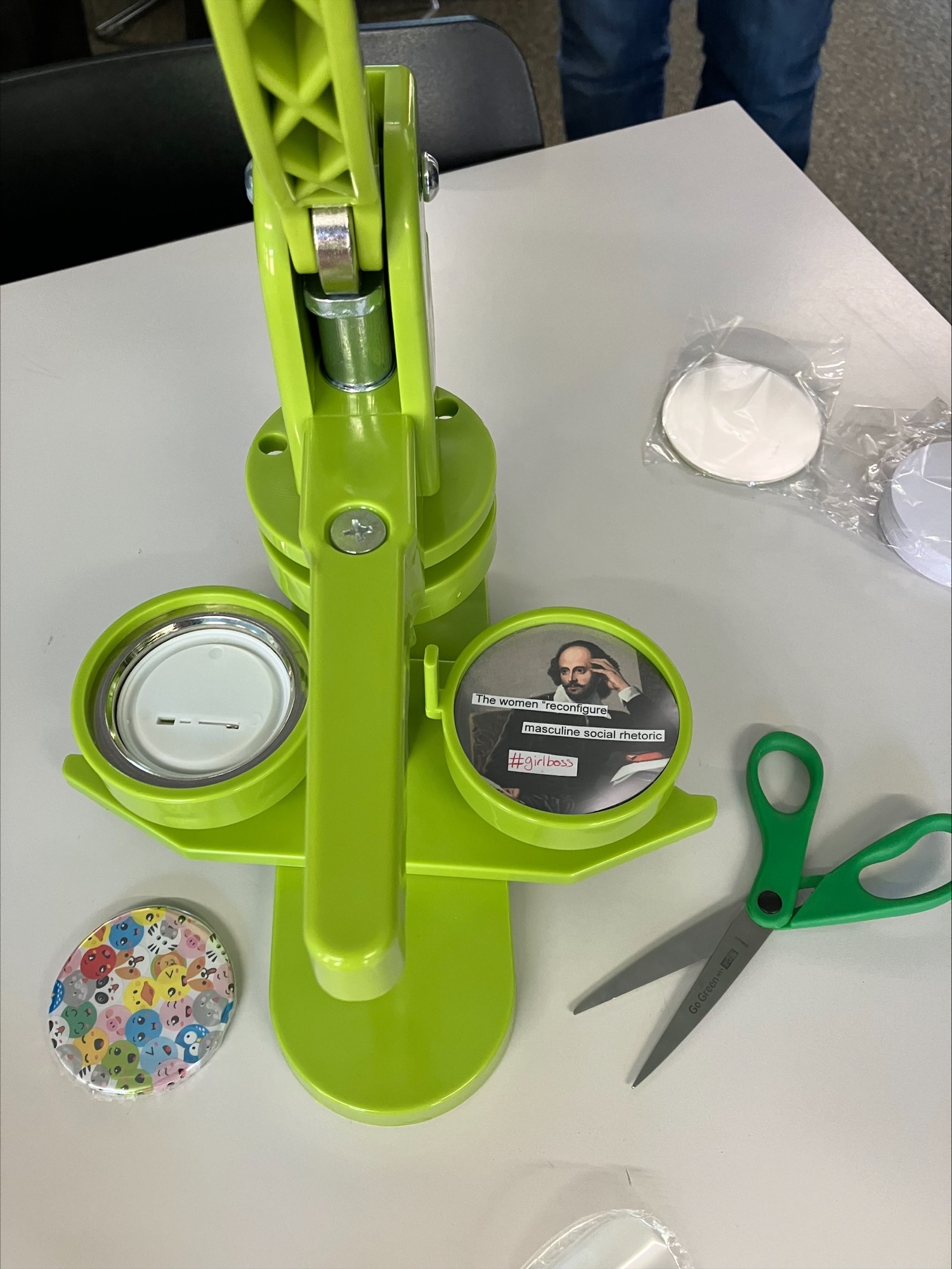
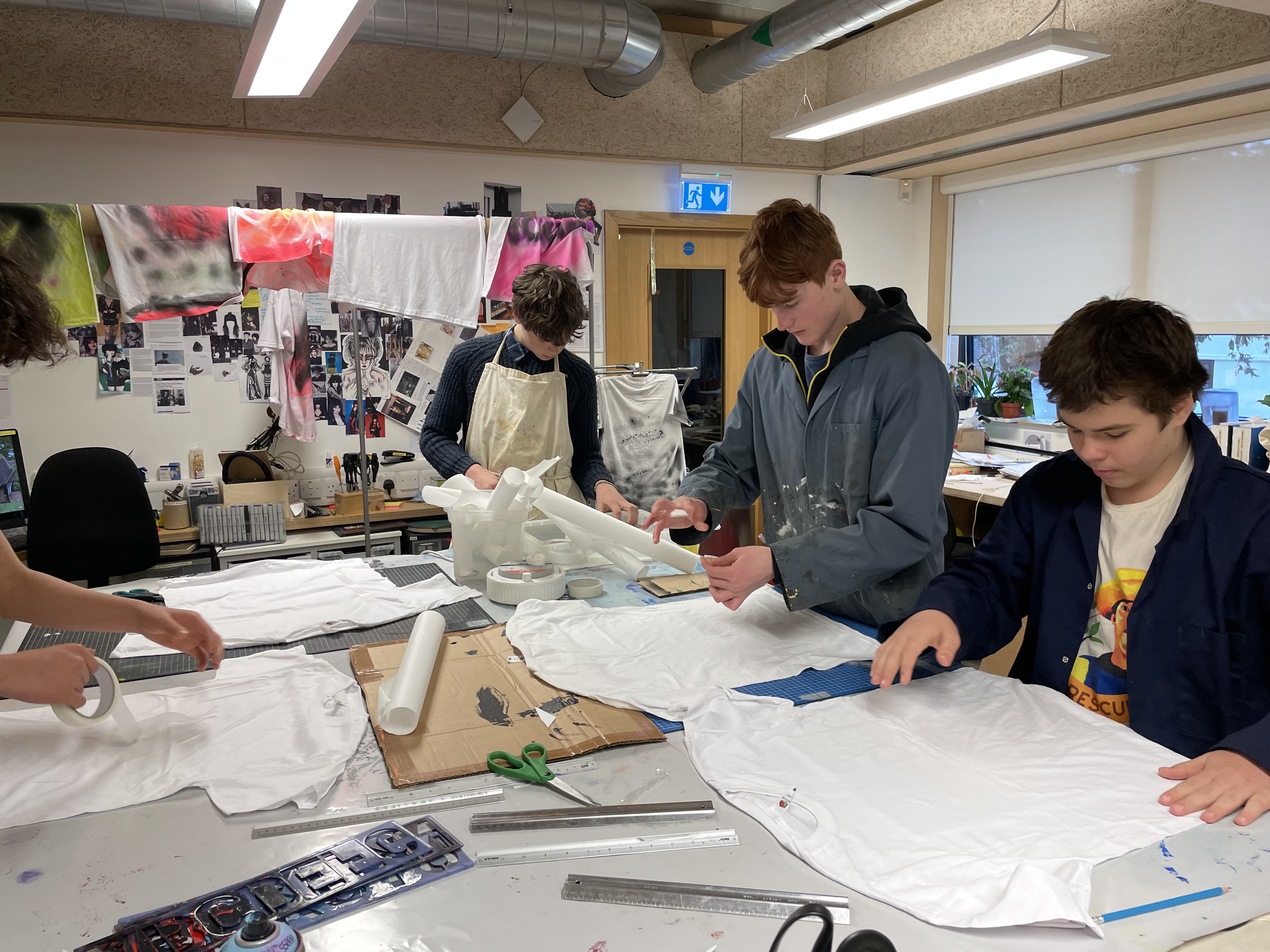
Last Saturday occasioned final lessons with our 6.2 before going on exam leave. In my 6.2 English Literature class we have been revising Keats and Shakespeare in particular and, girded with coffee, orange juice and croissants, we spent the lesson making contextual and critical badges.
Students had to link pictures and criticism in their creations and to establish a clear line of argument to explain their connections. In the Craft of Learning lessons this year, students have been taught the values of interleaving and distilling information and the badges come to symbolise information learnt and knowledge held ready to be used under timed conditions.
If nothing else, it was fun and, hopefully, memorable. Good luck 6.2, you are brilliant, and we wish you all the very best for your final exams. See more photos from the lesson below:
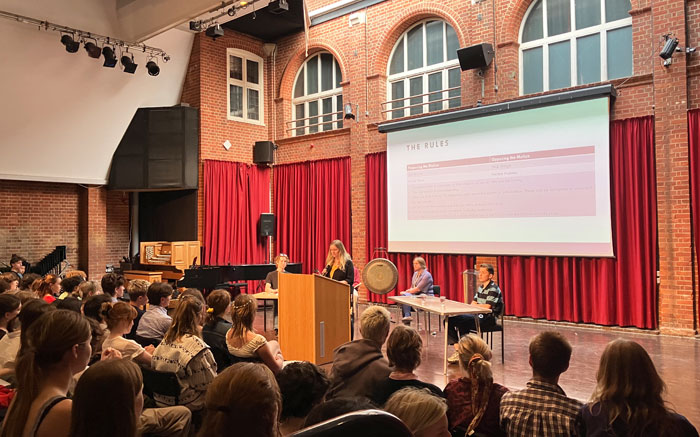
With the controversy surrounding the Twitter social media channel since Elon Musk took control, this week’s Jaw debate, ‘This house would close Bedales’ Twitter accounts’, saw a high quality well-informed debate from two student/teacher teams. The audience was introduced to the discussion with the commitment that a poll that would follow the discussion would be binding, and that the school would enact the results, so the stakes were high.
Jen Moore (Teacher of English) kicked off speaking against Twitter and was followed by Nick Meigh (Head of History) who countered; the two student speakers then continued the arguments: Arthur Dove (Block 4) speaking for the motion and Herbie Holness (6.1) against. All four spoke eloquently and persuasively raising the pertinent issues and good order was kept by the debate Chair, Clare Jarmy (Assistant Head, Learning & Development). Arguments against Twitter included its addictive nature driven by its algorithms, its tendency to be divisive, polarise and misinform, the relaxation of its security, re-instatement of the accounts of far-right activists and increased hate speech and impact on minority groups; arguments for the channel included giving people a choice, freedom of speech, its positive role in activism, and to inform, educate and offer alternative views, that a new CEO has been announced to make improvements, and that people should be educated in its use rather than banning all social media channels.
Thank you to all the contributors and to those who voted. Of the 206 students and staff who participated in the poll, 59.7% voted for the school to retain its Twitter accounts; 32.5% voted for the school to close its accounts and 7.8% were undecided.
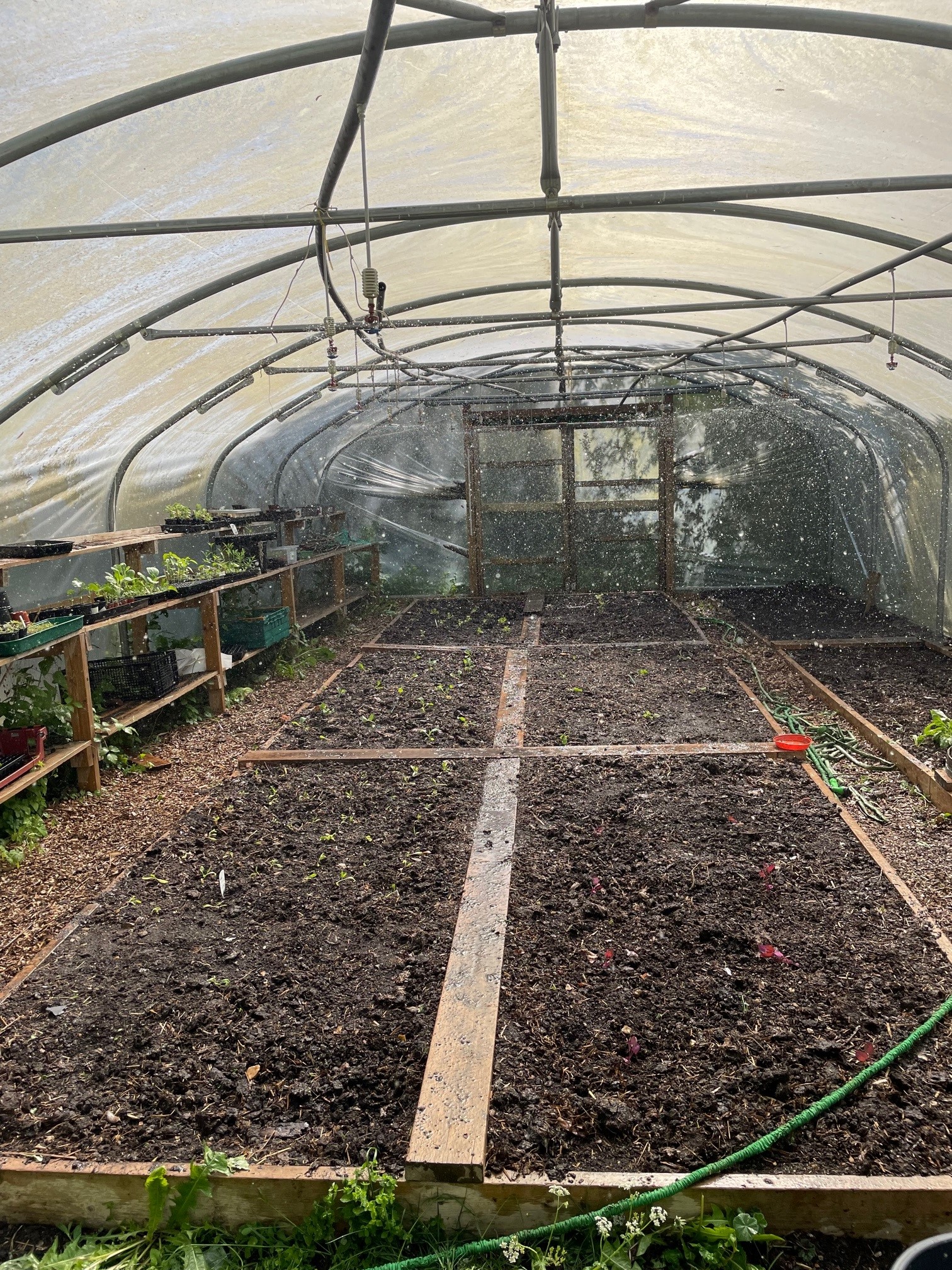
Growing season is well underway in the ODW vegetable patch. Maintaining or improving biodiversity is always at the forefront of our minds whenever we change or impact the land. With the veg patch, we try to incorporate companion planting to maximise our yield and help reduce pests naturally. Planting carrots next to our onions helps to work symbiotically to reduce carrot flies and onion flies on the respective crops, for example. Equally, we try to grow all our crops chemical free, so all our manure is provided by our own livestock and vulnerable shoots are protected with snug woollen wraps to deter slugs and snails.
When selecting potential plants, we try not only to think of what will be good to use in the Bakehouse, but also to incorporate plants which serve a purpose in nature. Leaving beds of nettles and dandelions not only provide us with edible plants, but are also vital early food sources for bees and habitats for butterfly and moth larvae. Similarly, our circle of sunflowers will provide a beautiful vista of glorious colour and then fade back to an important natural bird feeder throughout the Autumn, and green manure can be turned back into the beds that have been rested.
We are ever mindful of the multitude of organisms we share our land with, and aim to provide suitable habitats for everything from fungi to tawny owls. Hence in the veg beds you might find the occasional decaying log alongside a line of beetroots, providing a great mix of fungi and habitats for the beautiful stag beetles, and our greenhouse has a resident slow worm who helps to keep the snail population in check!
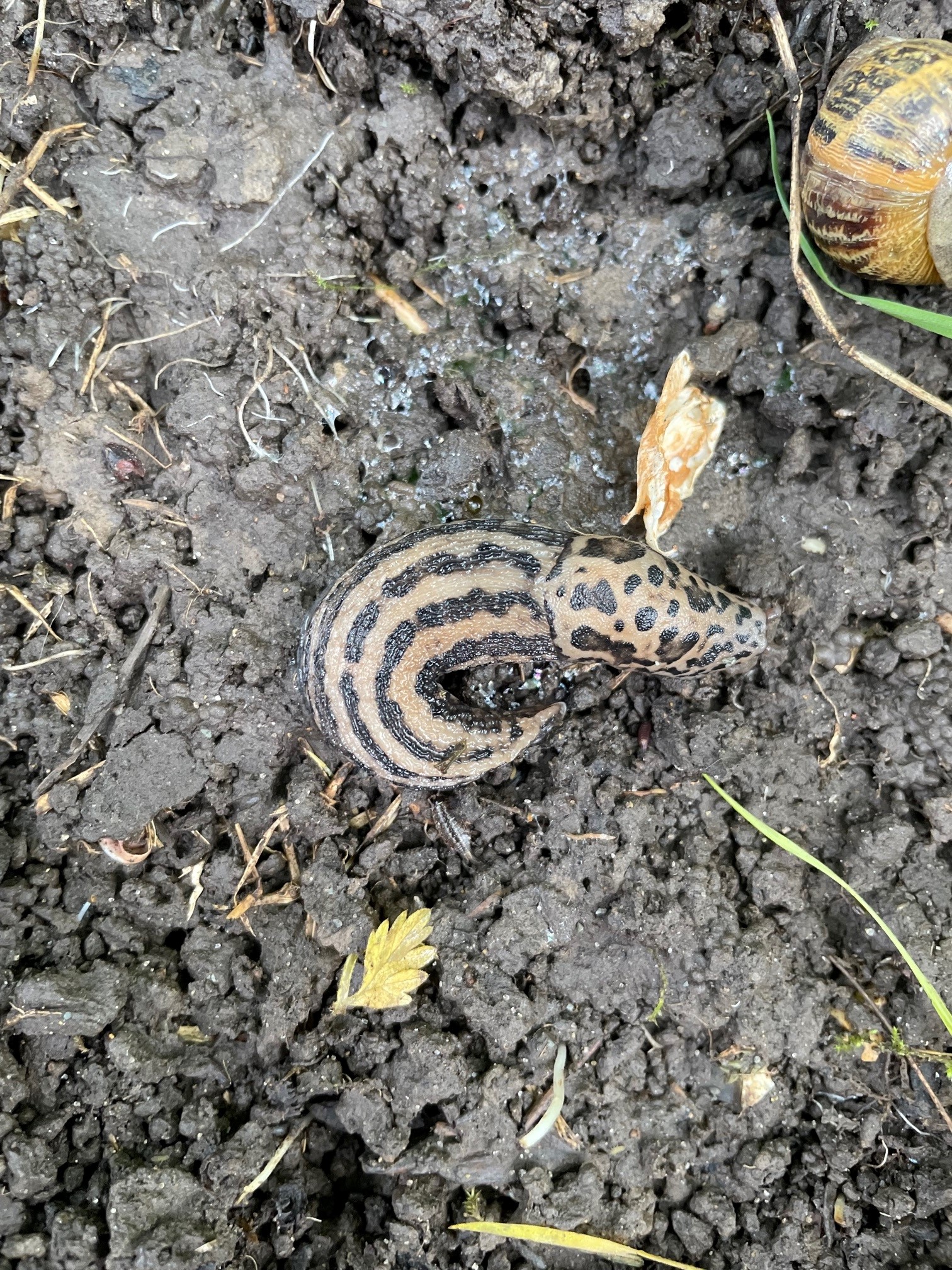
Staying pesticide free allows us to ensure that nature thrives where it can, and we do not pass issues on up the food chains within our ecosystem. It is not without its battles and frustrations of losing crops at times. Knowing that residing in our garden are the leopard slugs that help break down decaying matter, hedgehogs on snail patrol and robins waiting for us to uncover any centipedes makes it all feel much more of a team effort, and allows us to see the funny side when the shameless blackbirds pluck out our freshly planted shallots and proceed to play their own game of volleyball with them!
We still need to hold our breath when watering the tomatoes with a large scoop of comfrey tea, but the rewards will be reaped with a hopefully bumper crop later in the year. We hope that on Parents’ Day you might take a moment to wander through the veg garden, or pop into the ODW Farm Shop to sample and buy some of our produce. Whether you have a hugely productive market garden or simply a basil plant on the kitchen windowsill, we hope you get as much enjoyment from your moments of gardening as we do.
Many congratulations to the new Head Student team: Dylan Hui, Abi O’Donoghue, Jamie Thorogood and Lilibet Viner.
After last Wednesday’s hustings, the student body were given their say on who should form next year’s Head Student team. The new Head Student team were announced on Monday when, in keeping with tradition, the four students were revealed in a ‘shush’ at the start of assembly.
Jamie commented: “I’m so excited to be going into 6.2 as a Head Student, though it’s a bit of a shock I’m old enough to be 6.2 at all! It’s such a privilege to be part of the Head Student team and I’m absolutely thrilled. I can’t wait to see what this year has in store.”
Thank you to the outgoing Head Students – Kam Clayton-Nelson, Kipp Bryan, Bella Cutts and Nate Shuster – for their hard work and commitment this year. Both the incoming and outgoing Head Student teams enjoyed supper with Will on Wednesday evening.
By Jack Duff Gordon, 6.1 and Rob Reynolds, Director of External Relations and DofE Volunteer
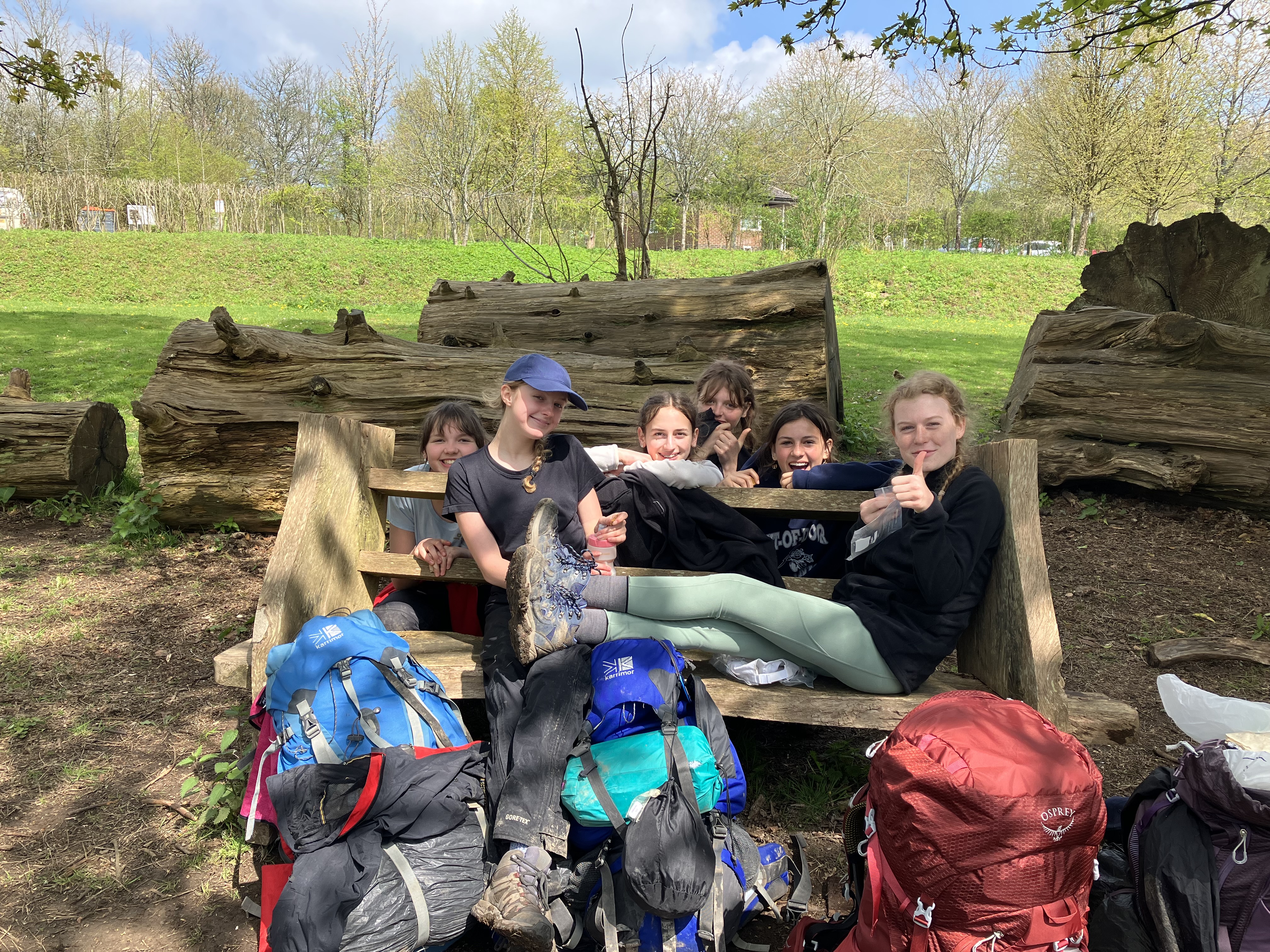
Following the recent Block 3 Bronze DofE expedition, it was the turn of 10 intrepid 6.1 students who completed their Gold Practice in a very inhospitable Dartmoor over the Coronation Bank Holiday weekend. The students’ resilience and determination were fully tested in looking out for each other and coping with the harsh conditions. Despite some tightening up of wild camping spaces, we found suitable spots and there were opportunities to enjoy the beauty of the Dartmoor National Park whose granite tors, rich coloured rivers and open landscapes have inspired authors, poets, and artists for years. Overall the expedition was an excellent learning opportunity about the importance of looking after self and kit, and adapting to the various challenges of an expedition. The students should be proud of their achievement. Next stop for the Gold students in June: Bannau Brycheiniog (formerly known as the Brecon Beacons).
Jack Duff Gordon (6.1), who completed the expedition, commented: “While the walk had its ups and downs both literally and metaphorically, it was a good way of getting to know people better and make other friendships stronger. It was a good lesson in how important the basic human needs of water, shelter and warmth are. Despite the fact that warmth was sometimes not achieved, it was a positive experience – and some proper type 2 fun.”
By Allen Shone, Teacher of Physics and DofE Manager
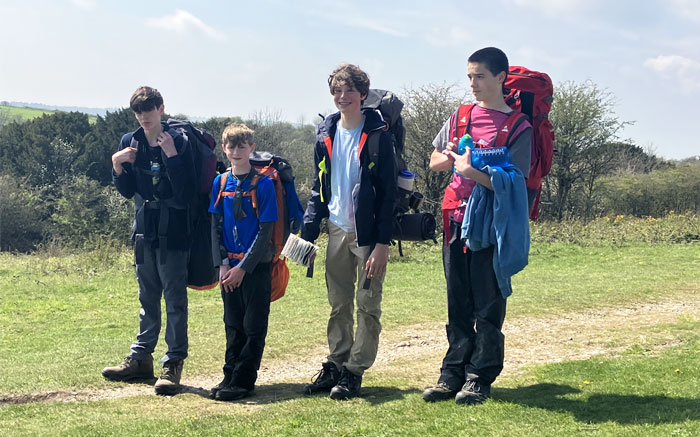
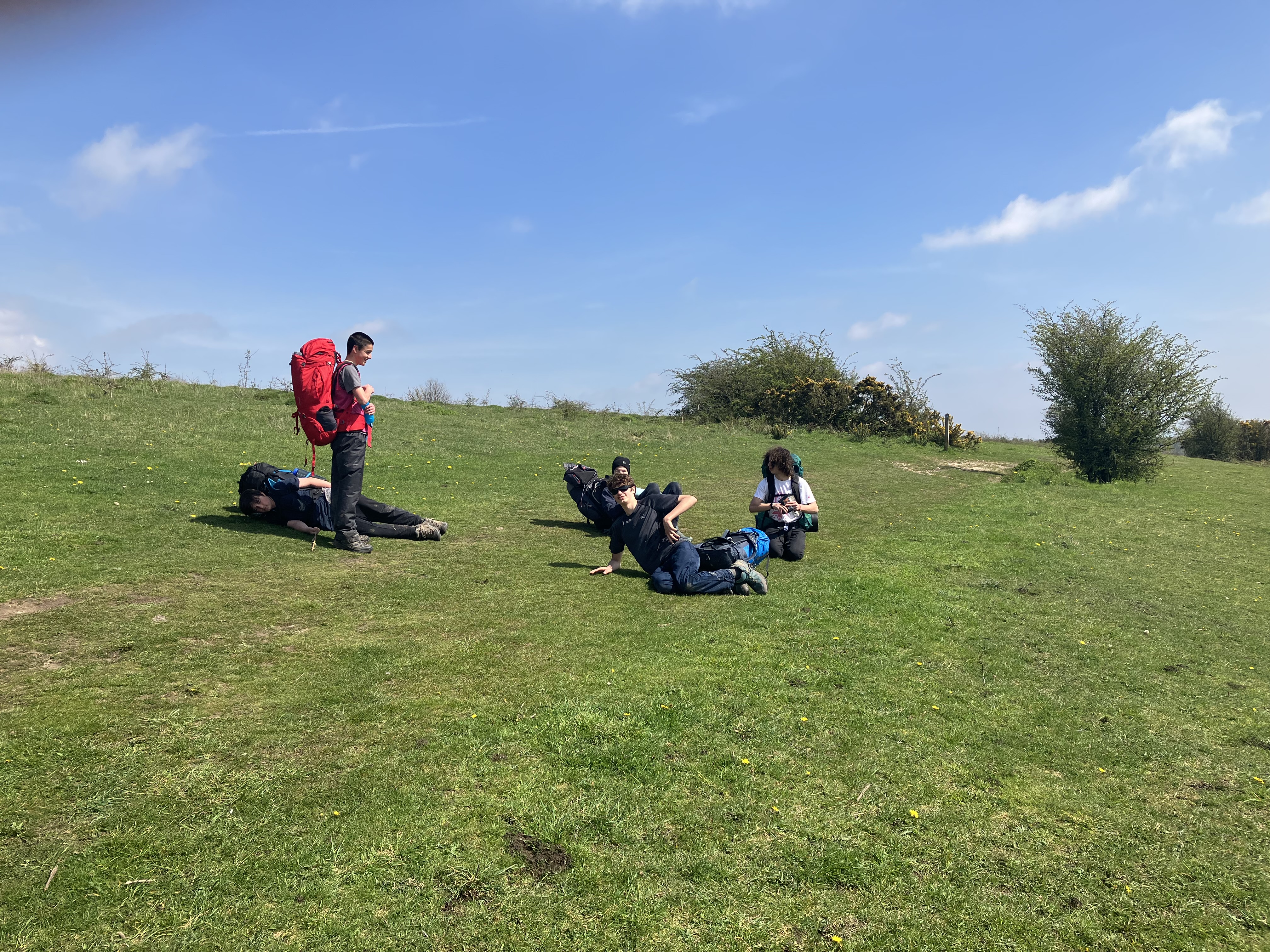
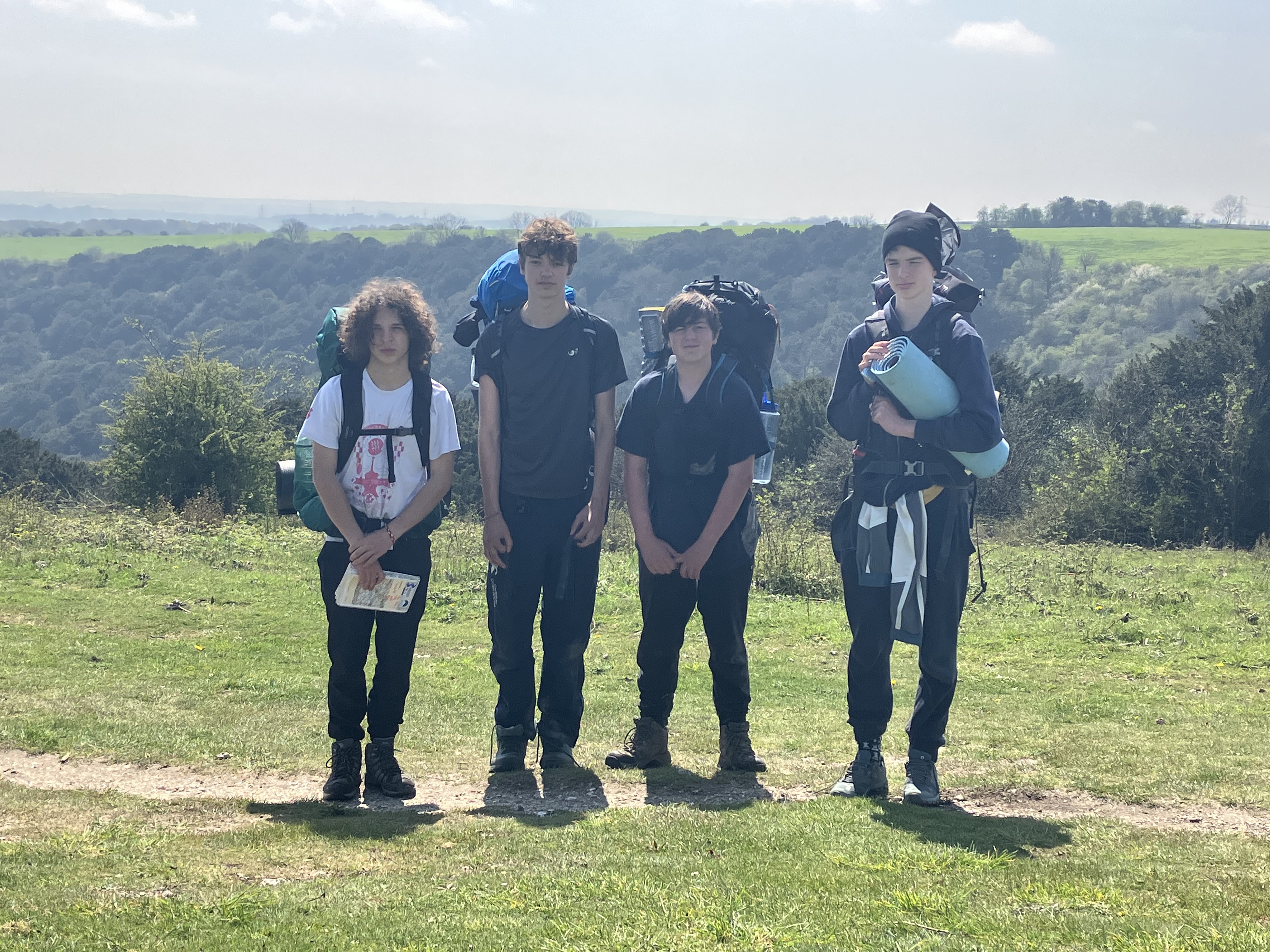
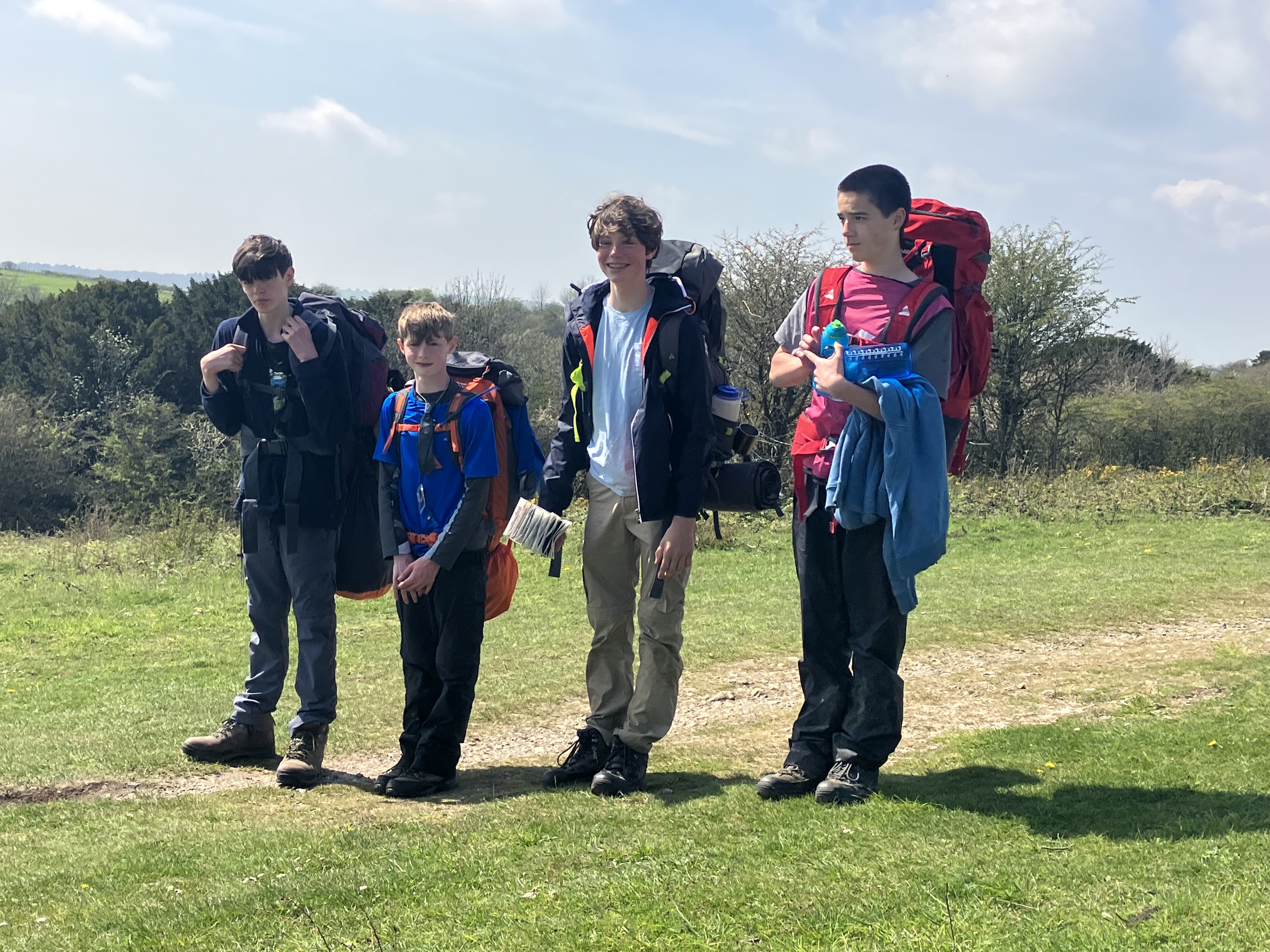
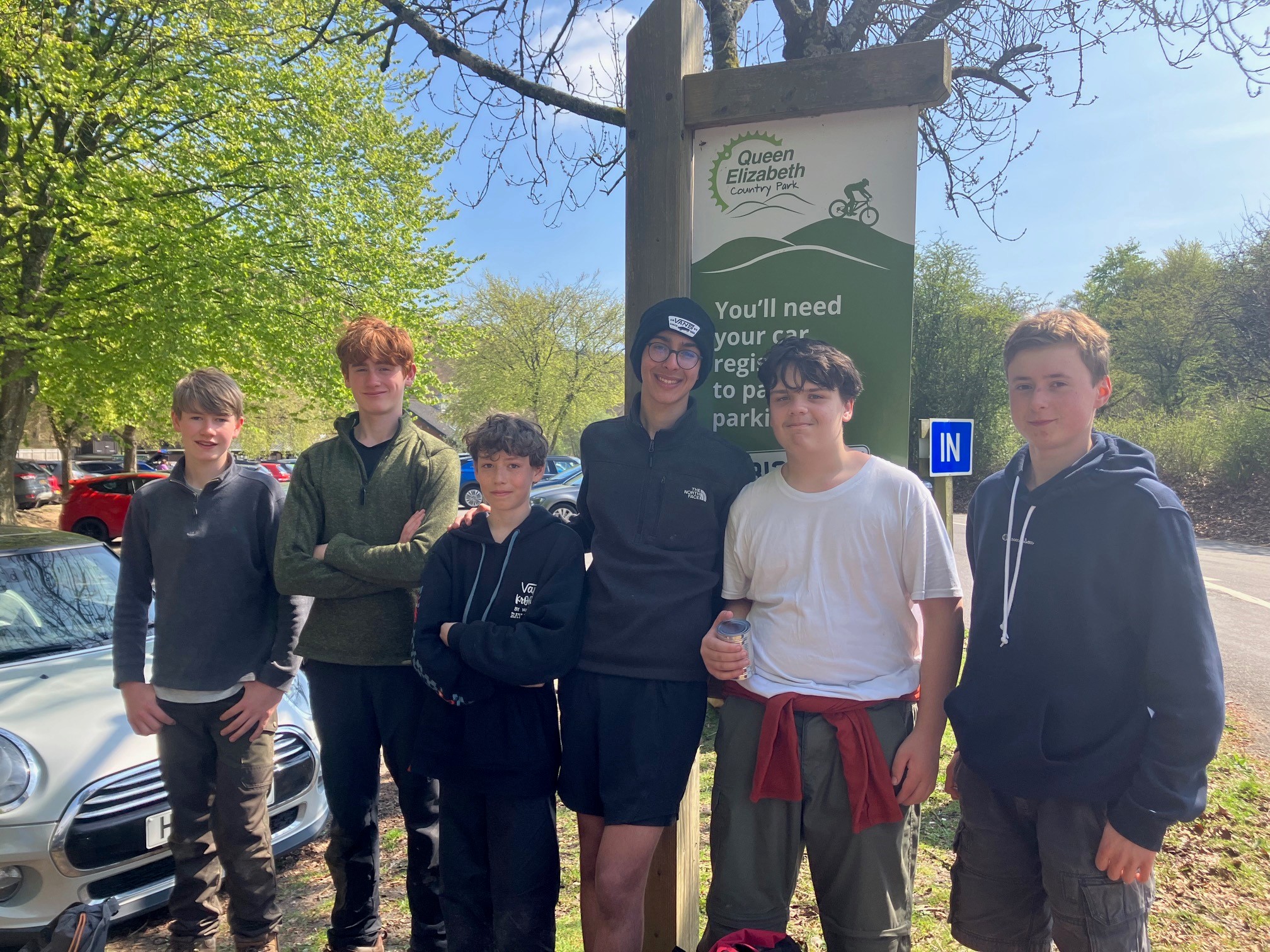
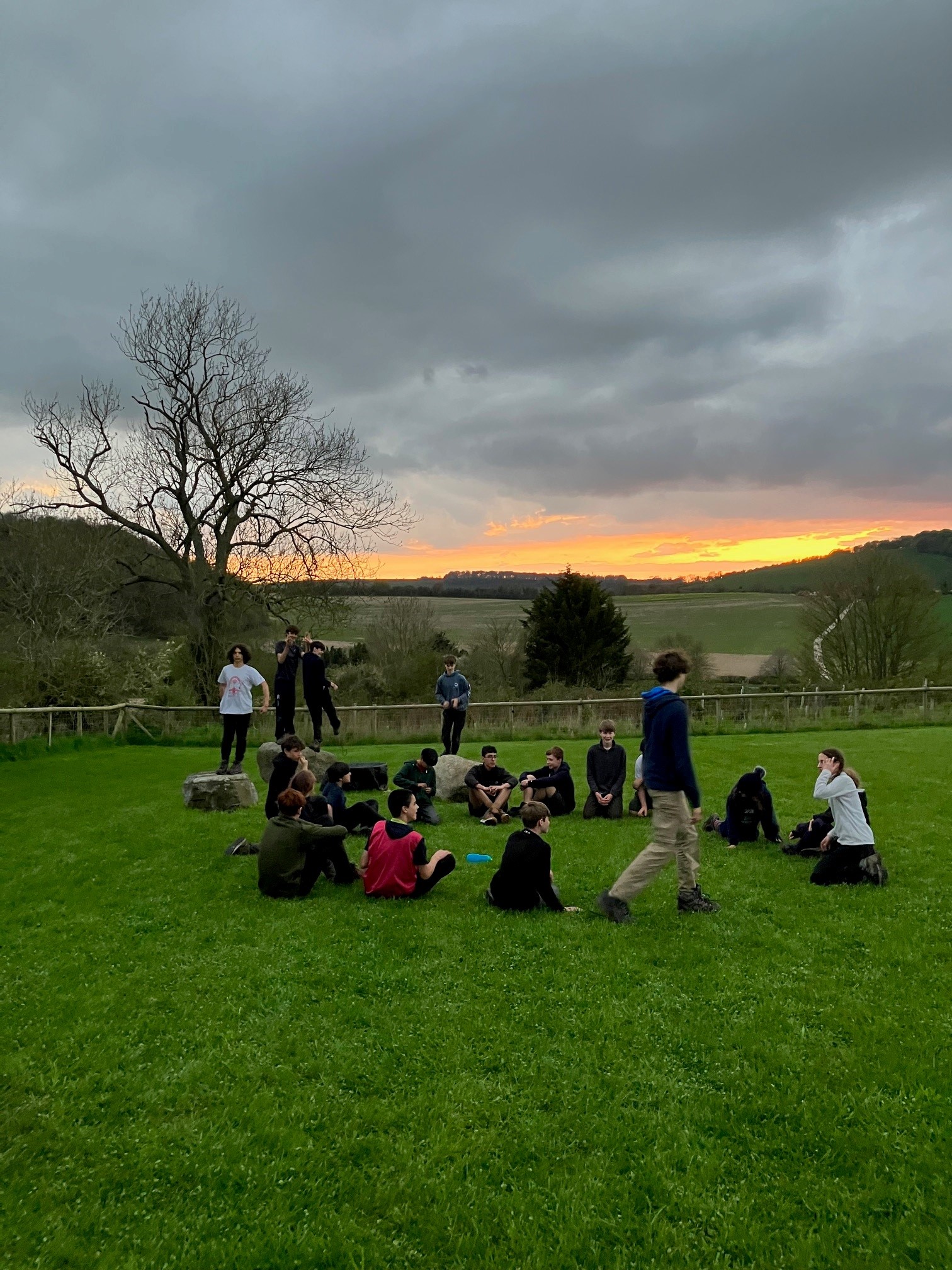
Last Friday, 22 Block 3 students set off from school on their Bronze Duke of Edinburgh (DofE) Qualifying Expedition. Under slightly overcast weather, they worked in groups to walk to Dunscombe Farm, East Meon, where they set up camp for the night.
As students settled into camp they tucked into their evening meal, with food varying from pasta and noodles all the way to fried salmon with gold leaf! Waking up to sunny weather on Saturday morning, the students set off before 9am and arrived at the Sustainability Centre for lunch, finishing at Queen Elizabeth Country Park that afternoon.
See photos from the expedition below:
The DofE adventures continue this weekend as 6.2 students head to Dartmoor for a four-day practice expedition ahead of the qualifying expedition in June.
By Ana Simmons, Head of Lower School and Teacher of Ceramics
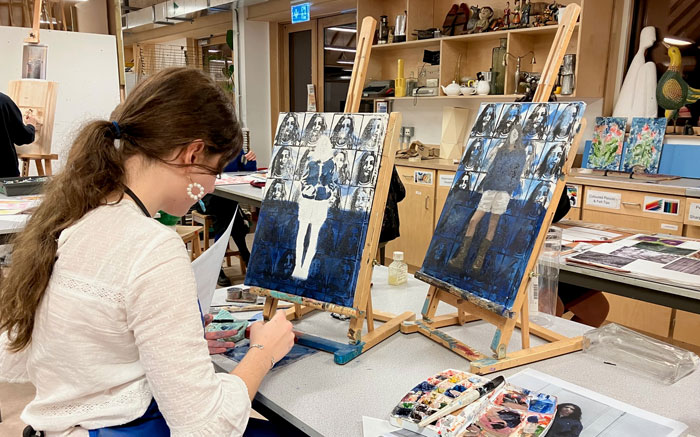
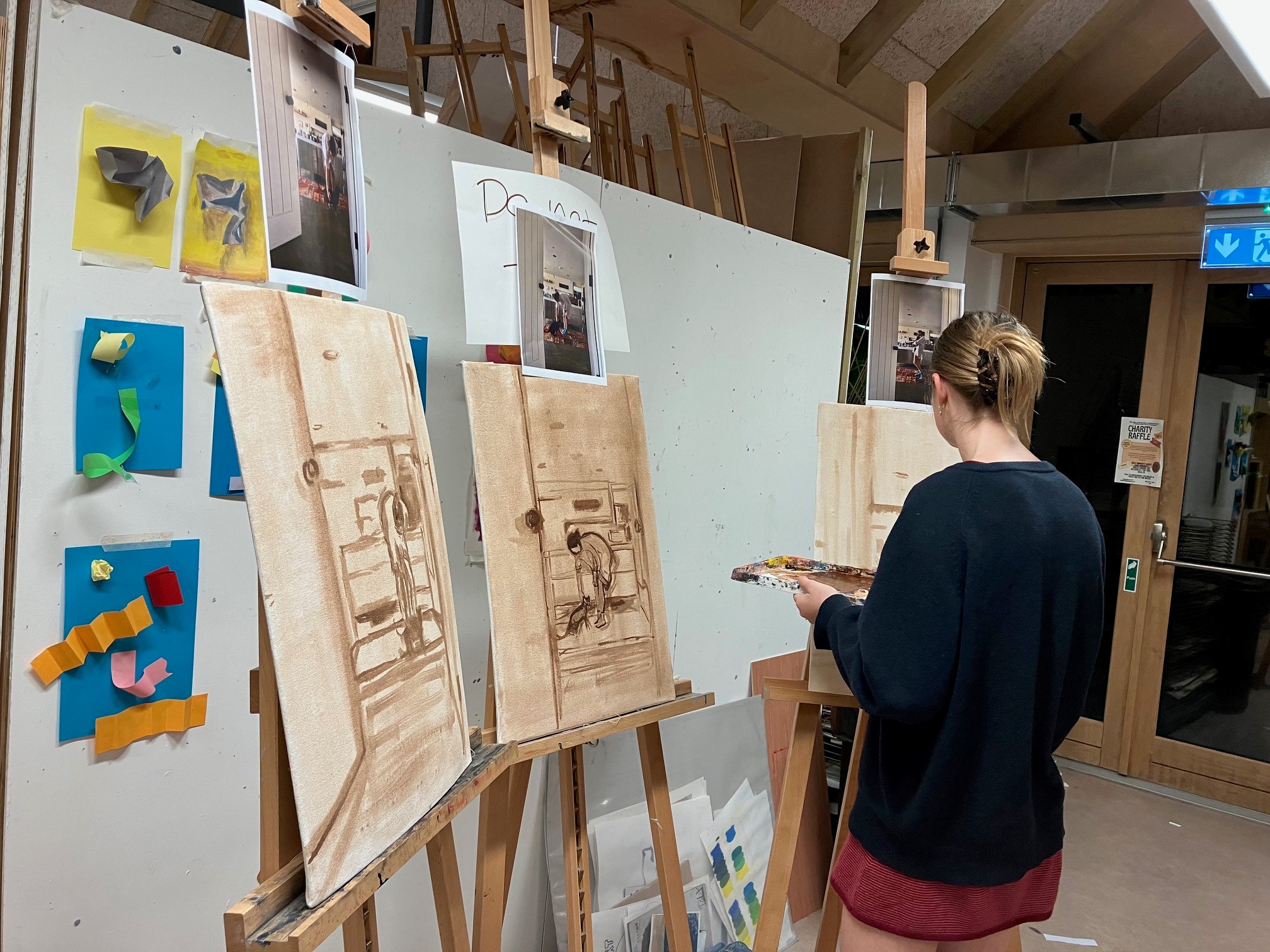
Art students have been working with purpose and focus this week to complete coursework and exam outcomes. Students have selected to work across different disciplines and they have confidently used materials to create a range of exciting and individual resolved outcomes. We are looking forward to sharing this work in the Parents’ Day exhibition on 24 June.
By Dr Harry Pearson (staff, 1977-2006), former Head of Science and Houseparent
In my own personal history 1966 is a key year that I always remember and use as a reference point: it is the year, age 18, I left school in the July and started university at UCL in September. Also, all football aficionados remember 1966, as the only year England won the World Cup. I can remember the day as if it were yesterday. (One hundred years before, 1866, was one of those annus mirabilis years in science where so much was happening that would change the world, we live in. Darwin was advancing his work on natural selection while unbeknown to him, an Austrian monk, Gregor Mendel, was carefully collecting data on peas which would lay the foundation of what we now call genetics.) Eleven years on, I left the university world of chemistry and arrived at Bedales in September 1977. It was then I discovered that 1966 is also an important year in the history of Bedales, as it was the year of the inaugural Eckersley Lecture.
Thomas and Peter Eckersley were students at Bedales shortly after the school’s foundation. Thomas, 1886-1959, was a student here between 1897 and 1904. Peter, 1892-1963, was at Bedales between 1902 and 1911. They enjoyed science tremendously and the teaching they received engendered a sense of discovery and investigation in both of them. While here they became interested in the emerging field of radio transmission and carried out some amazing experiments. The photographs below show them at ‘Wavy Lodge’ (a hut near the present-day Music School) where they carried out some of their experiments on radio transmission. Their great friend in this enterprise was Bob Best whom I was pleased to meet at the lectures of the late seventies, still as enthusiastic as ever.
Both Eckersley brothers went on to have distinguished careers: Peter became Chief Engineer when the BBC started in 1922. Thomas, who went to University College London, where he studied engineering, then went on to Trinity College, Cambridge, where he studied mathematics. He then joined the Marconi Company where he stayed most of his career where he carried out important research in the field of Radio waves becoming FRS. His work was concerned with how atmospheric effects affected the transmission of the waves. He went on to win the prestigious Faraday medal in 1951. To give an idea of the importance of this award it can be noted that the winners in 1950 and 1952 were Sir James Chadwick, discoverer of the neutron and Nobel Laureate, and Berkeley physicist Ernest. O Lawrence, inventor of the cyclotron and Nobel Laureate, respectively, two of the better-known Nobel Prize winners. The contribution by the brothers in the field of Radio transmission is extraordinarily significant, and something that Bedales can feel very proud about.
The lectures were set up by a group of Old Bedalians as a memorial and tribute to the outstanding contribution to scientific progress and thinking made by the Eckersley brothers. They are meant to have a broad appeal and stimulate interest in, and appreciation of science, rather than just record scientific research. It was always hoped that non-scientists would find them of interest. It seems appropriate that several directors of the Royal Institution have delivered the lecture as one of the aims of the ‘discourses’ at the institution seem very similar to the aims of the Eckersley Lecture.
The first lecture was given in 1966 by Professor Sir Lawrence Bragg who won a Nobel Prize for his pioneering work using X Rays in the elucidation of chemical structure. Indeed Bragg’s father also demonstrated the use of X rays in medicine. It is hard to overstate the significance of this first lecture.
In 1966 it would have been difficult to find a more senior, or more famous, scientist in this country, or indeed the world, than Lawrence Bragg, the first person to deliver the Eckersley lecture. Not only was Bragg a Nobel laureate but at the time he was the only person to have won the prize with his father, William Henry Bragg. What is more, since their discovery, the use of X rays, in structure determination, is one of those things that has changed all our lives. He won the prize as far back as 1923 as a member of the Cavendish Laboratory in Cambridge, a location that was virtually rewriting science for the twentieth century. Like his father, the younger Bragg went on to head the Cavendish, and become director of the Royal Institution.
To further emphasise Bragg’s pre-eminence, it is important to realize what point his use of X rays in structure determination had reached at that time. Several people in the Cavendish were working on the elucidation of enzyme structure, most notably Max Perutz and John Kendrew. Both went on to win the Nobel Prize for their work on the structure and function of Haemoglobin, the vital oxygen carrying protein in blood. At this time their work represented the cutting edge of science. Another duo in Bragg’s sphere were the pair Watson and Crick who were working on the structure of DNA. Their eventual publication of the structure, which marked the advent of Molecular Biology, is seen as the greatest discovery of the century. It was Bragg who proposed them for the Nobel Prize.
Watson and Crick were awarded the Nobel Prize for their work in Bragg’s laboratory in 1962. Their work would throw dramatic new light on the fields set up by Darwin and Mendel in 1866. The work in Bragg’s team was reaching towards the very heart of life itself.
When Bragg came to give the first lecture in 1966 it would be hard to think of a more eminent person in British intellectual life.
The subsequent list of speakers is very much a who’s who of British science with names like Colin Blakemore, Herman Bondi, Ken Pounds, OB Sebastian Pease, Nobel Laureate Max Perutz, Dame Jocelyn Bell-Burnell and Sir Roger Penrose among others.
I must say something here about Bas Pease. Bas gave the Eckersley lecture in 1982 entitled Nuclear Energy and the Future. Bas had a glittering scientific career becoming head of the project doing research on nuclear fusion. He may be the leading scientist that Bedales has ever produced. Bas was a powerful supporter of the Bedales Science Department and we were all pleased when he came to the opening of the new science buildings in 2001.
The 2006 lecture was given by one of my previous mentors Professor Brian Johnson FRS, formerly Head of Inorganic Chemistry at Cambridge and Master of Fitzwilliam, and also a governor of Bedales. When I wrote to him thanking him for coming, he said that for him it was an honour to join such a distinguished list of speakers. I think the founders of the lecture can be proud of what they have set up. The Eckersley brothers would also be proud of what goes on in their name and that science thrives at Bedales. 1966 was indeed an important year in the life of the school.
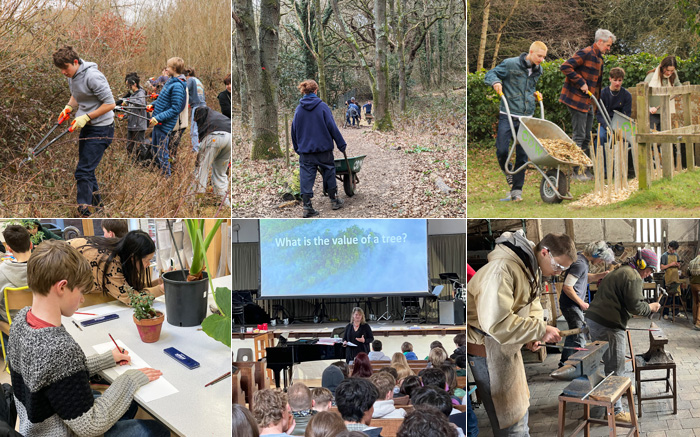
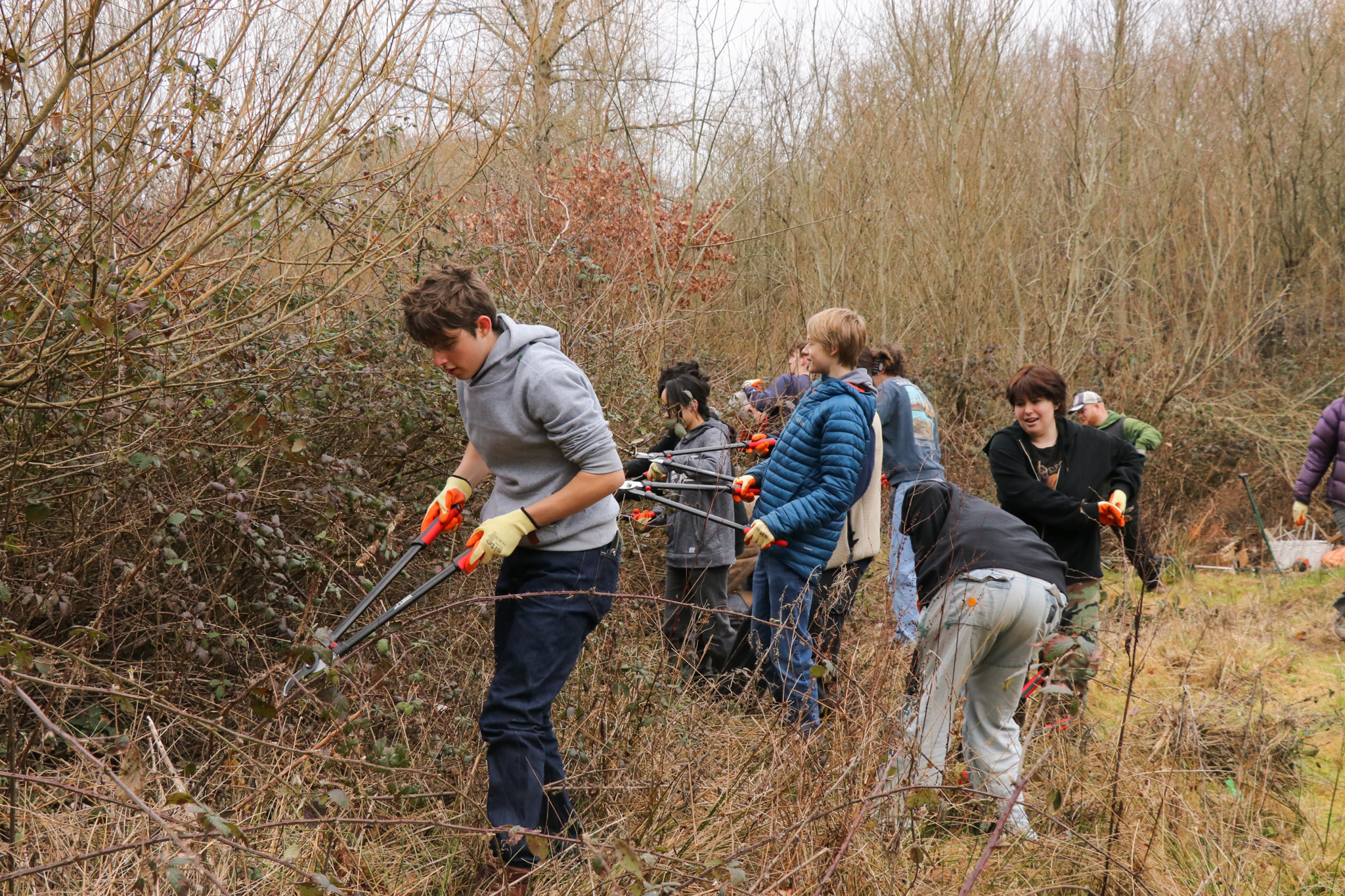
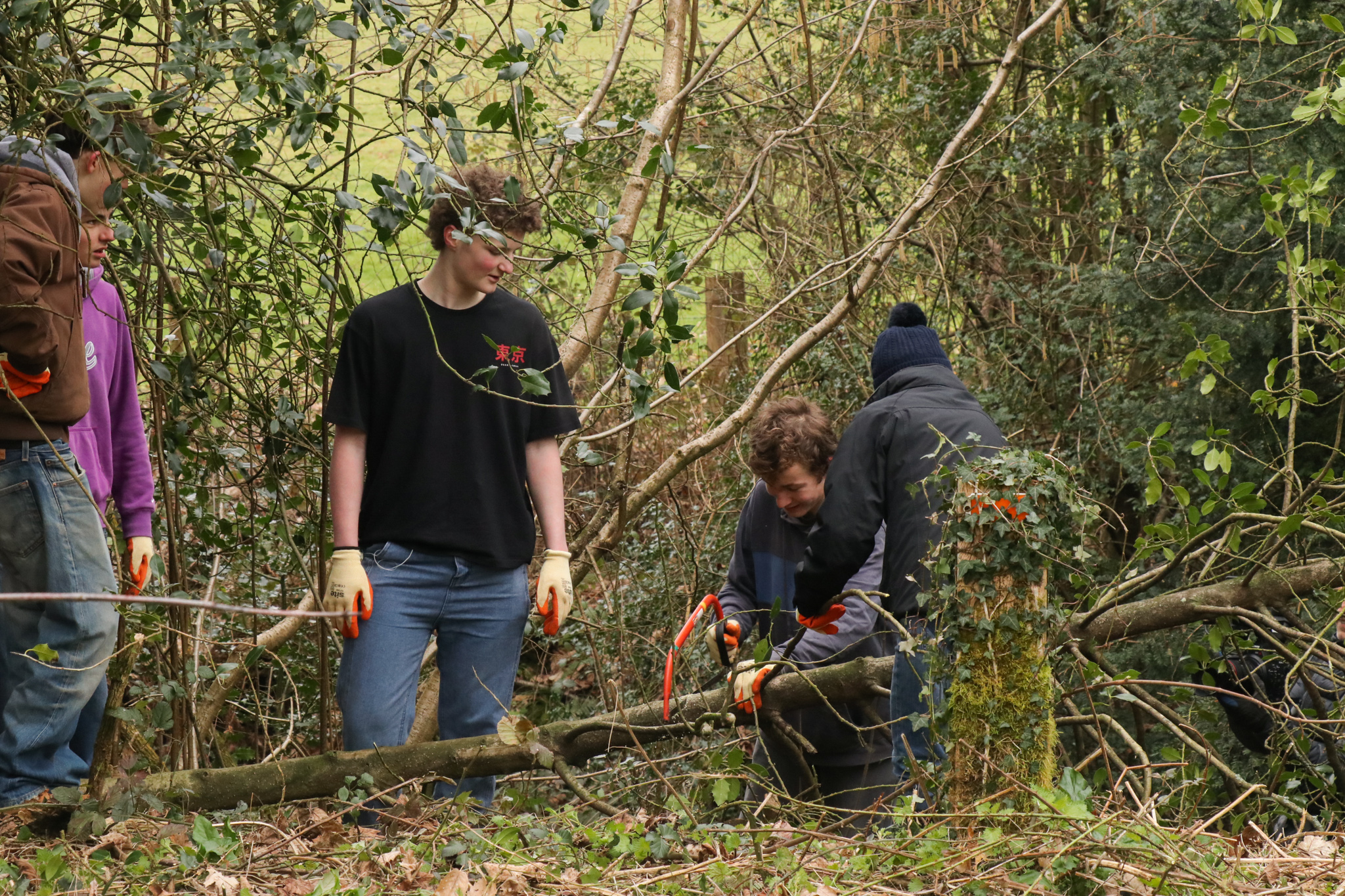
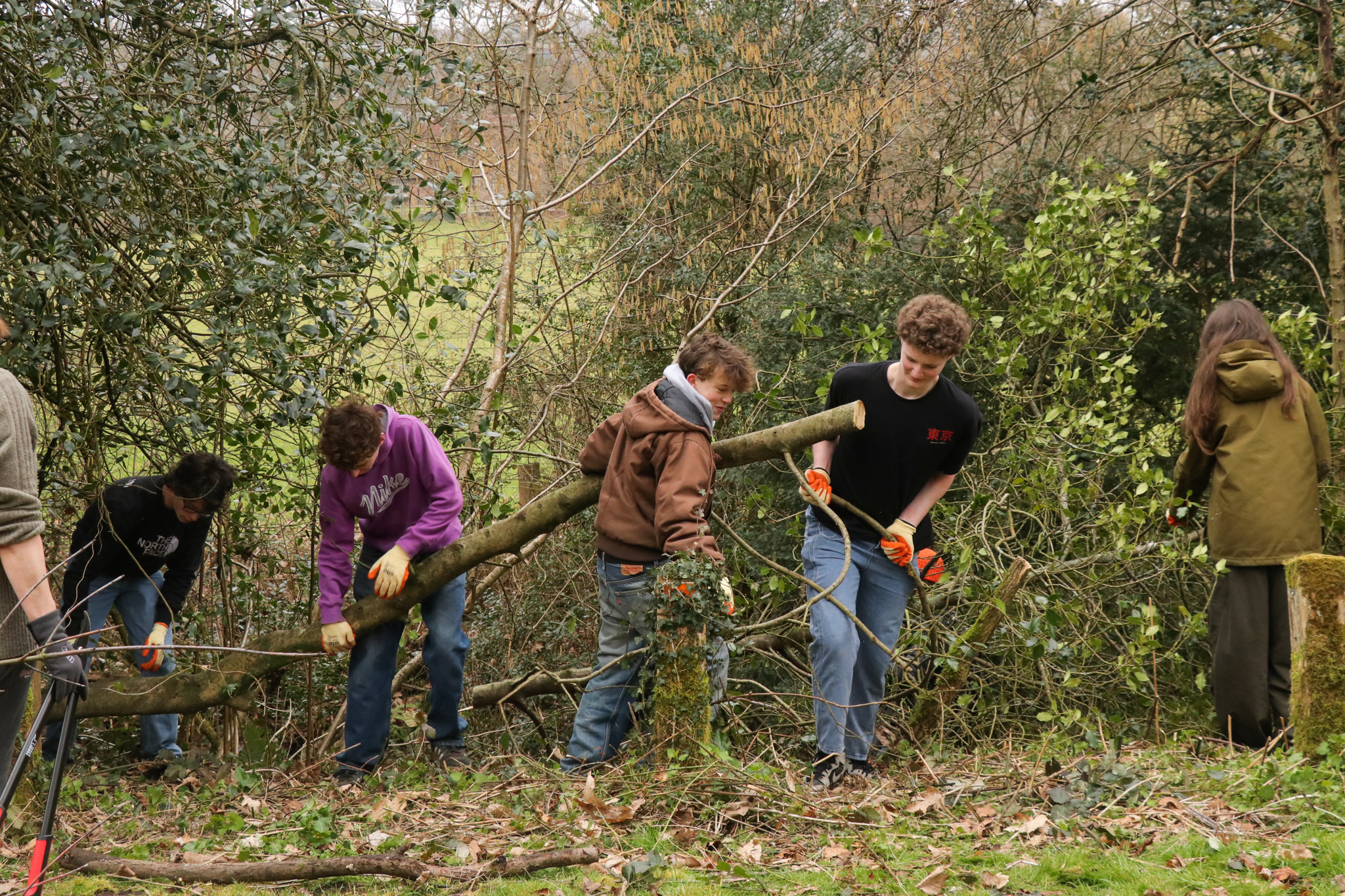
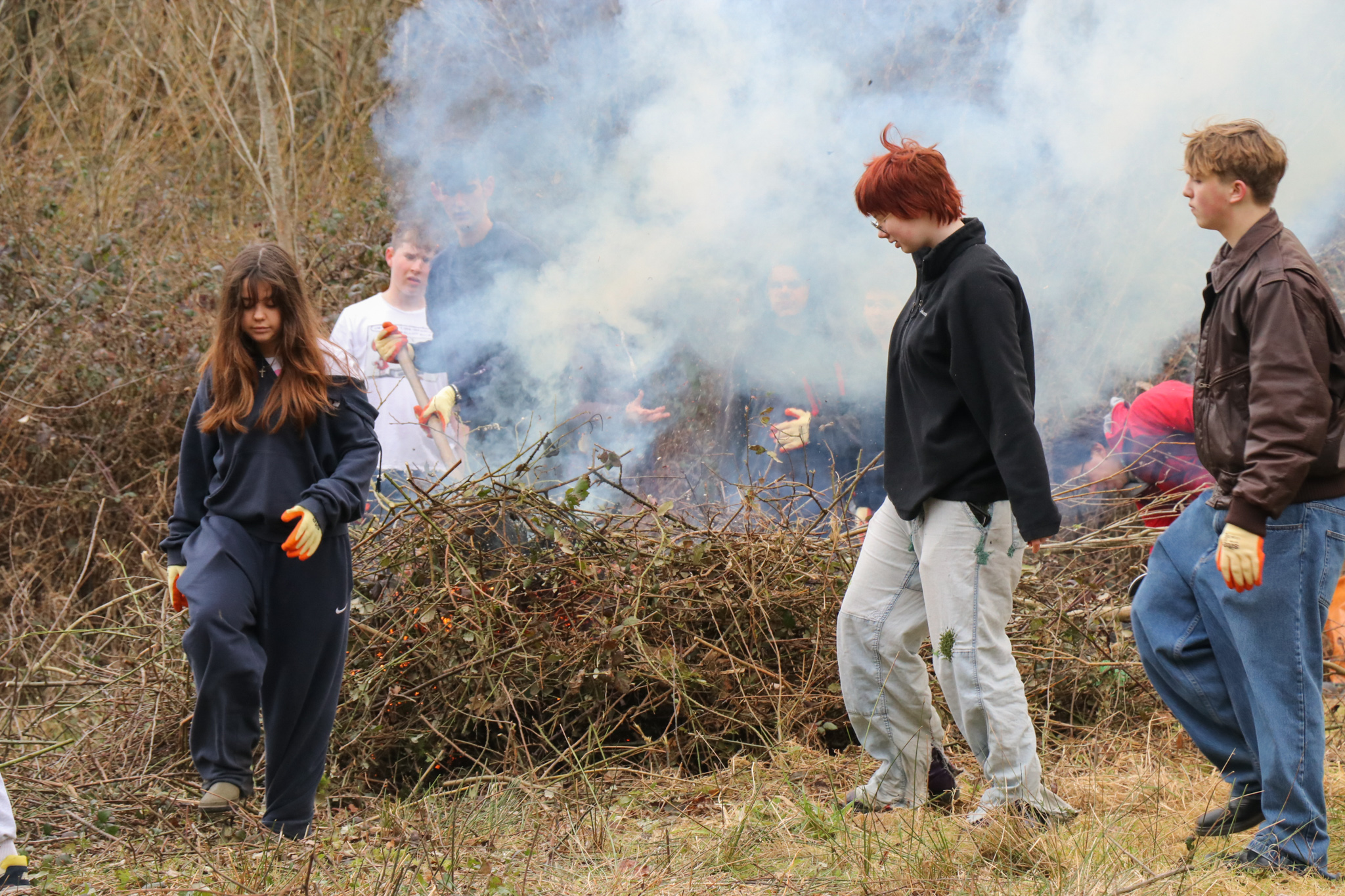
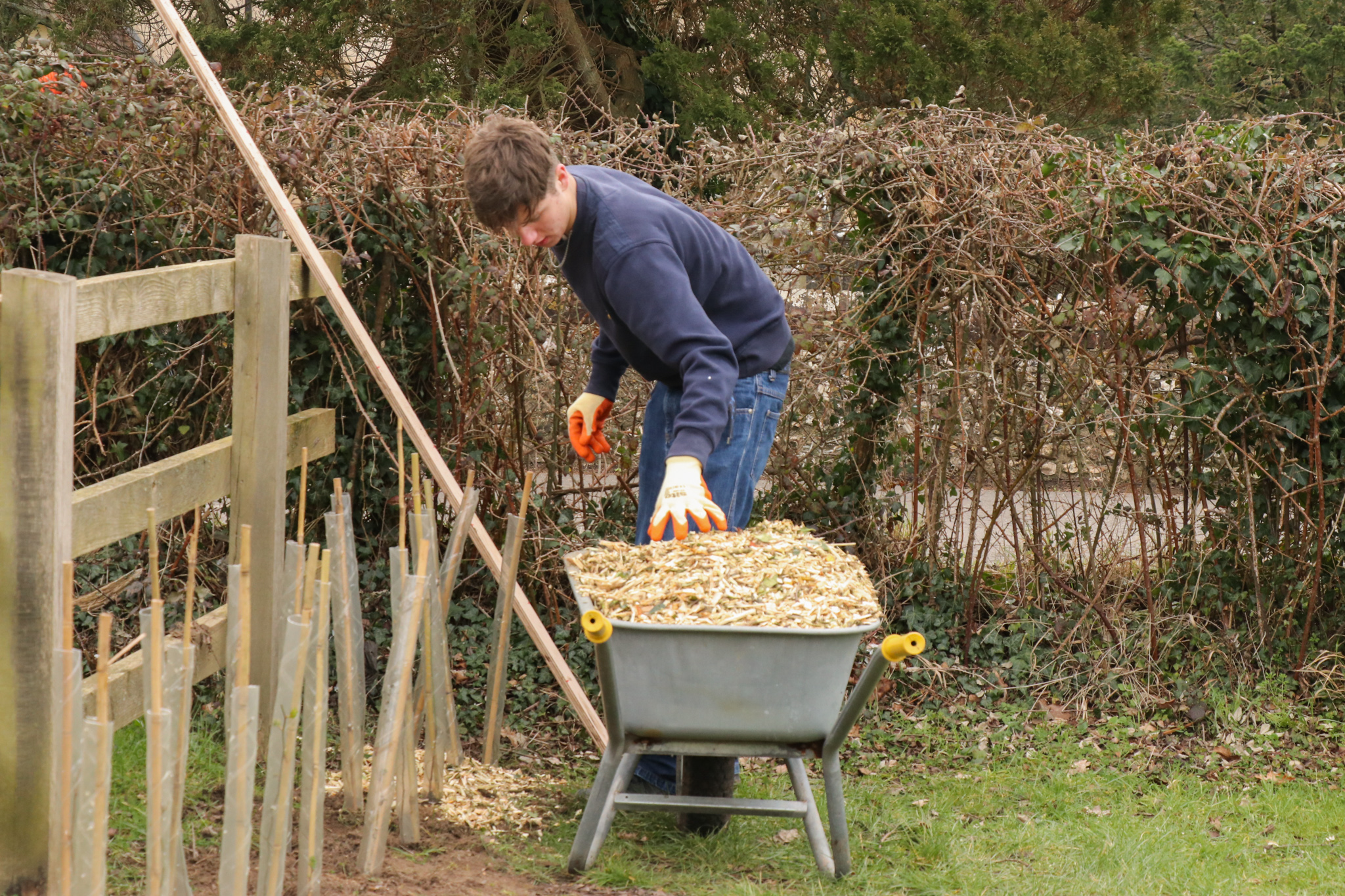
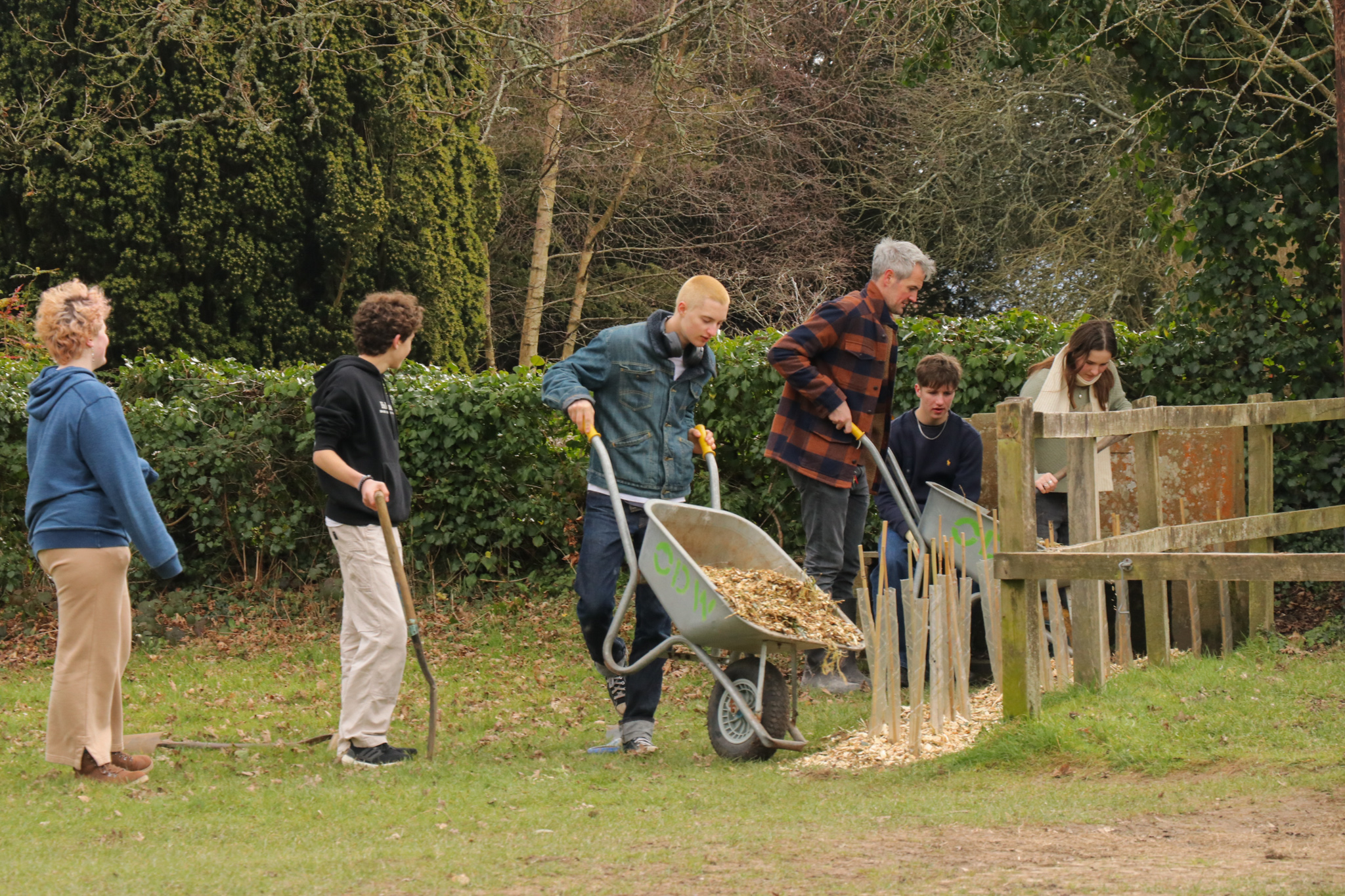
Hedge planting on Steep Common, building bat boxes to support bat conservation, designing illustrations for biodiversity boards to be installed on the Bedales estate and forging metal reinforcements for trenches in Ukraine are just some of the projects students and staff at Bedales Senior worked on together for Bedales’ Spring term community day, Powell Day, on Monday.
Powell Day, named after Bedales co-founder Oswald Powell, is one of three community days held throughout the year which celebrate key figures in the founding of the school and the current Bedales community with a ‘whole school effort’. The concept of a whole school effort was introduced in 1986 when Bedalians worked together to excavate and landscape the pond alongside the Sotherington Barn and it remains a key feature of community days, when students and staff practise the school motto – ‘Work of Each for Weal of All’ – by collaborating on a range of projects for the greater good.
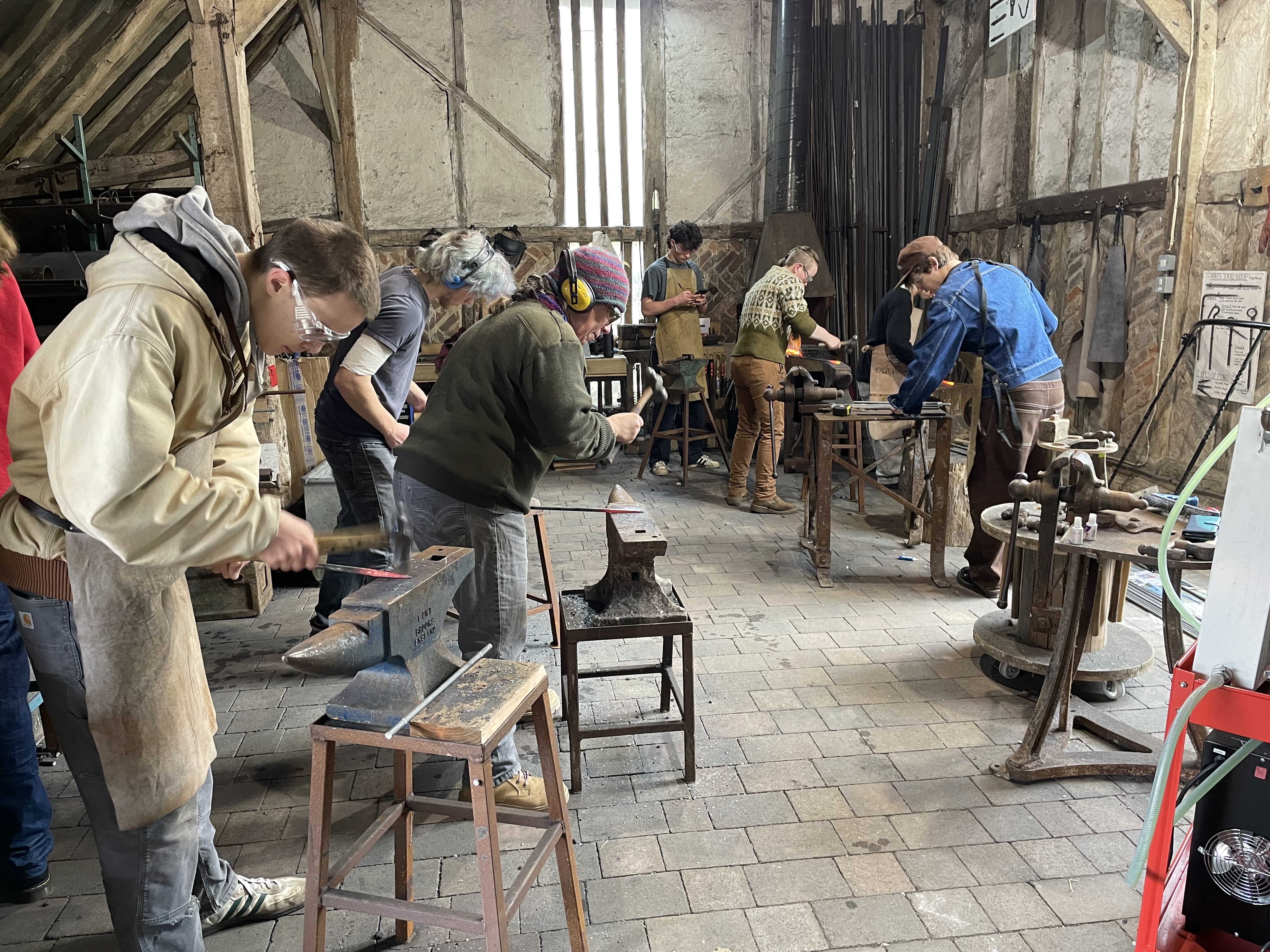
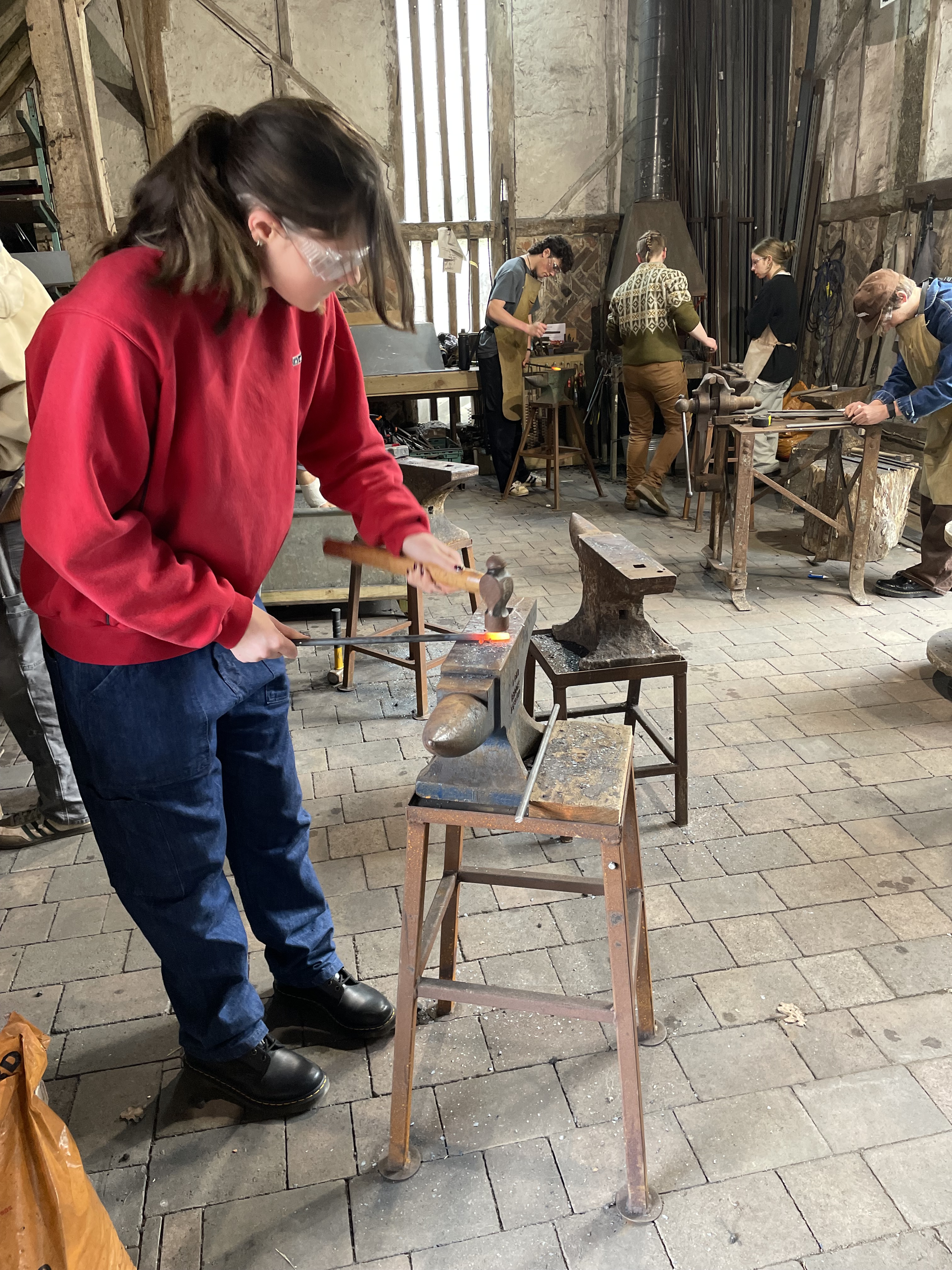
On Monday, projects included cutting back and improving the area around the lake and Theatre, maintaining footpaths (including the footpath constructed on Badley Day 2018 which connects Dunhurst to the A3 footbridge), hedge planting both on-site and at Steep Common, and completing botanical studies for biodiversity boards to be installed around the estate. In the Sotherington Barn, students worked with visiting blacksmith Lucille Scott to forge 55 ‘log dogs’ which will be transported to Ukraine at the end of the month to reinforce trenches.
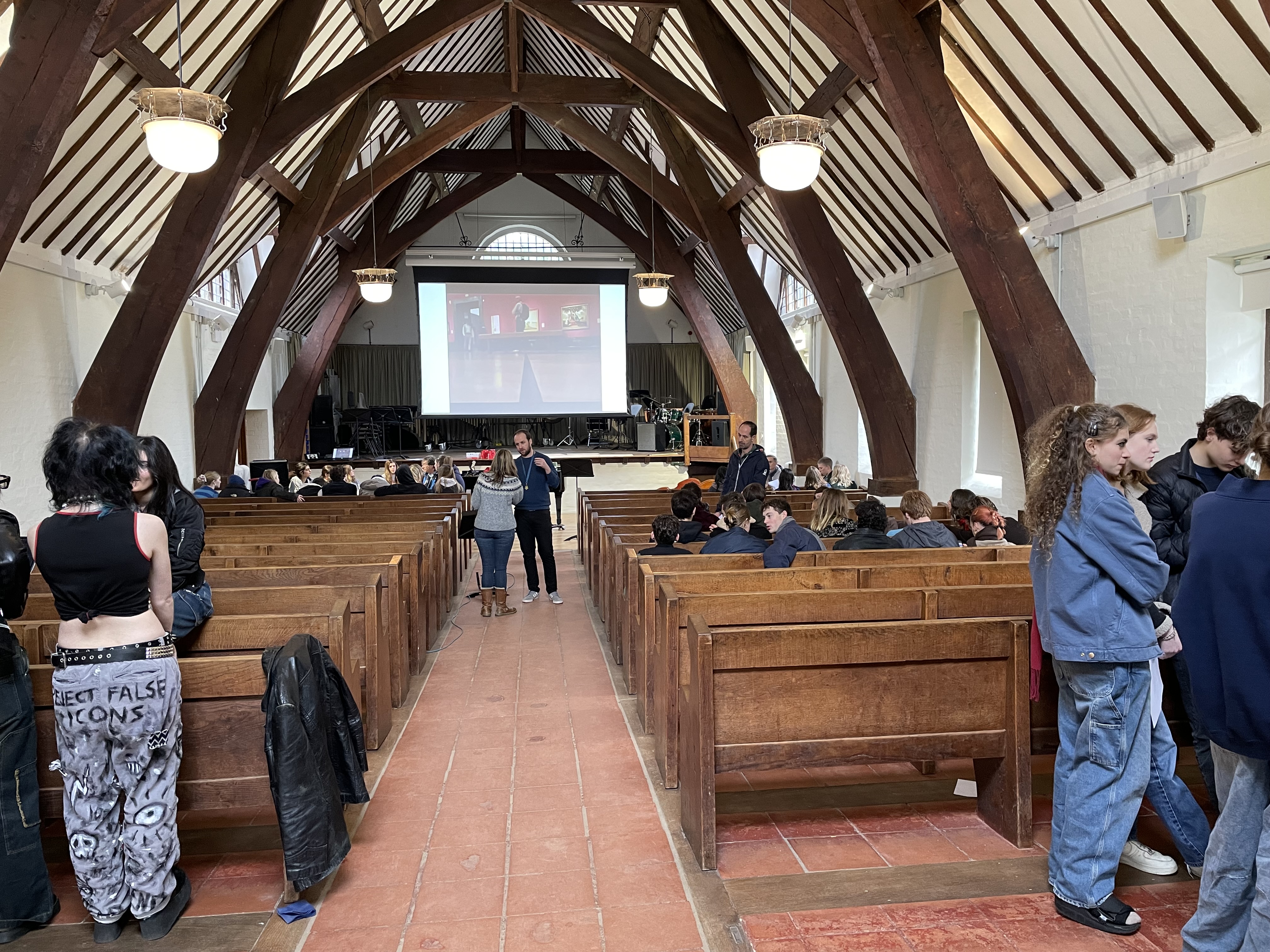
Old Bedalian Emma Cusworth, Director of Communications at the Integrity Council for the Voluntary Carbon Market, returned to Bedales to talk to students about carbon offsetting, and students also heard from Nik Knight and Carolyn Hargreaves from the Hampshire Bat Group about the conservation of bats. In the Design workshop, students constructed over 50 bat boxes to support conservation. Ten were donated to the Hampshire Bat Group for sale on their charity stands and others will be installed around the Bedales estate to further increase the healthy bat population. Twenty bat boxes will also be available to buy at Bedales Reception for £25 each on a first come, first served basis.
A media team of students captured and edited footage throughout the day and shared a video with students and staff at an assembly which celebrated the achievements of the day.























 Bedales School Blog
You must be logged in to post a comment.