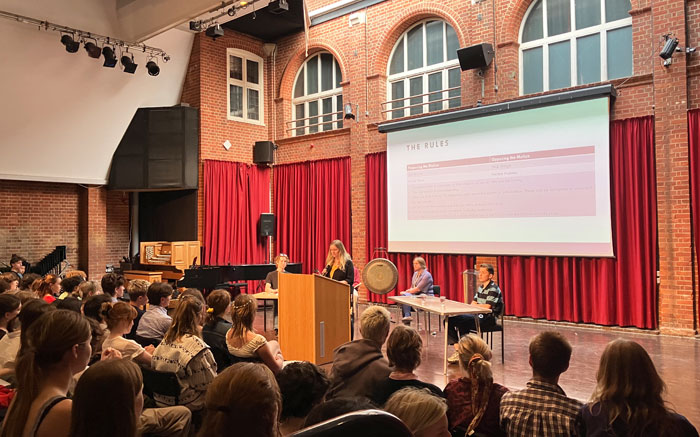
With the controversy surrounding the Twitter social media channel since Elon Musk took control, this week’s Jaw debate, ‘This house would close Bedales’ Twitter accounts’, saw a high quality well-informed debate from two student/teacher teams. The audience was introduced to the discussion with the commitment that a poll that would follow the discussion would be binding, and that the school would enact the results, so the stakes were high.
Jen Moore (Teacher of English) kicked off speaking against Twitter and was followed by Nick Meigh (Head of History) who countered; the two student speakers then continued the arguments: Arthur Dove (Block 4) speaking for the motion and Herbie Holness (6.1) against. All four spoke eloquently and persuasively raising the pertinent issues and good order was kept by the debate Chair, Clare Jarmy (Assistant Head, Learning & Development). Arguments against Twitter included its addictive nature driven by its algorithms, its tendency to be divisive, polarise and misinform, the relaxation of its security, re-instatement of the accounts of far-right activists and increased hate speech and impact on minority groups; arguments for the channel included giving people a choice, freedom of speech, its positive role in activism, and to inform, educate and offer alternative views, that a new CEO has been announced to make improvements, and that people should be educated in its use rather than banning all social media channels.
Thank you to all the contributors and to those who voted. Of the 206 students and staff who participated in the poll, 59.7% voted for the school to retain its Twitter accounts; 32.5% voted for the school to close its accounts and 7.8% were undecided.
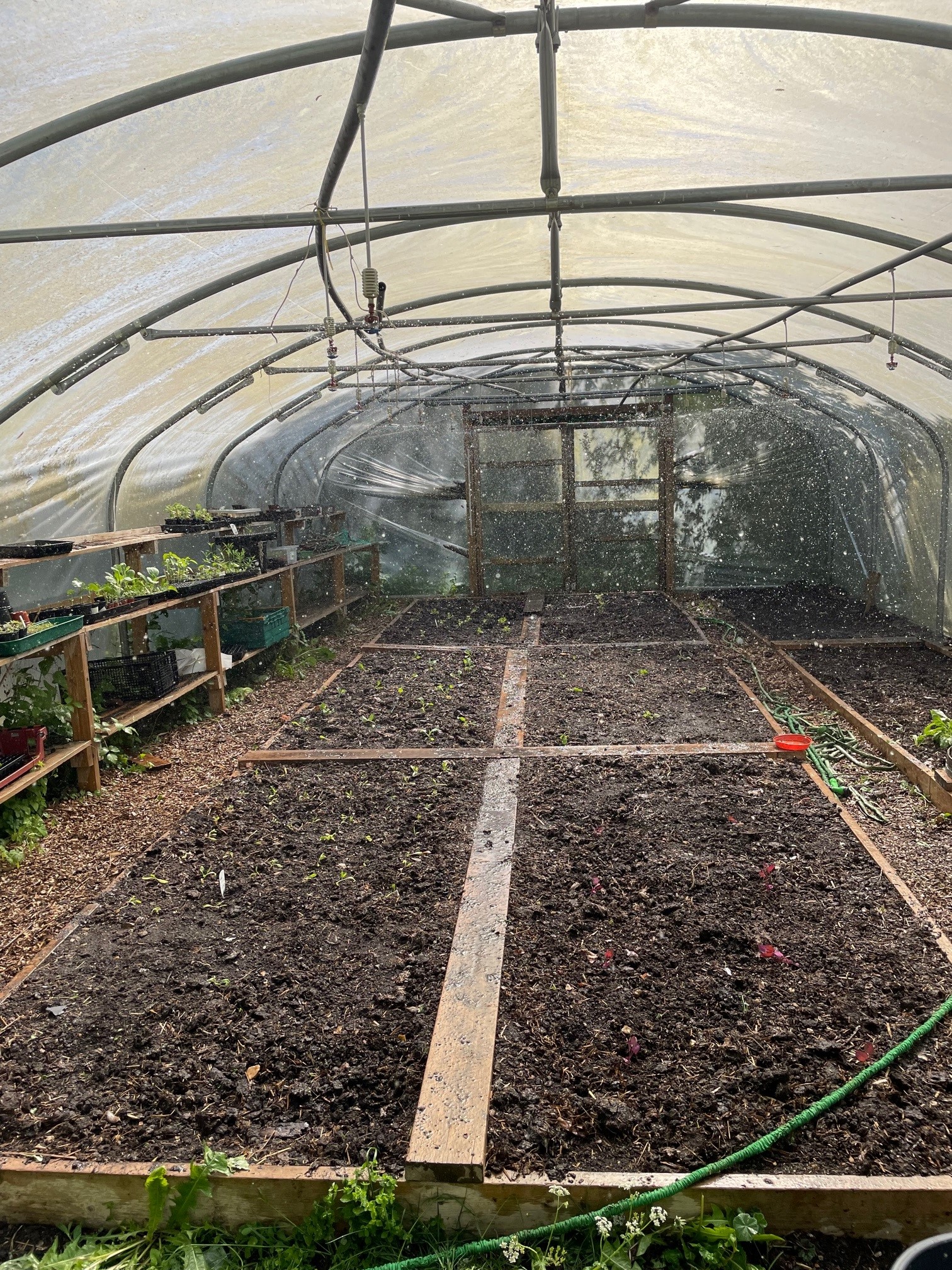
Growing season is well underway in the ODW vegetable patch. Maintaining or improving biodiversity is always at the forefront of our minds whenever we change or impact the land. With the veg patch, we try to incorporate companion planting to maximise our yield and help reduce pests naturally. Planting carrots next to our onions helps to work symbiotically to reduce carrot flies and onion flies on the respective crops, for example. Equally, we try to grow all our crops chemical free, so all our manure is provided by our own livestock and vulnerable shoots are protected with snug woollen wraps to deter slugs and snails.
When selecting potential plants, we try not only to think of what will be good to use in the Bakehouse, but also to incorporate plants which serve a purpose in nature. Leaving beds of nettles and dandelions not only provide us with edible plants, but are also vital early food sources for bees and habitats for butterfly and moth larvae. Similarly, our circle of sunflowers will provide a beautiful vista of glorious colour and then fade back to an important natural bird feeder throughout the Autumn, and green manure can be turned back into the beds that have been rested.
We are ever mindful of the multitude of organisms we share our land with, and aim to provide suitable habitats for everything from fungi to tawny owls. Hence in the veg beds you might find the occasional decaying log alongside a line of beetroots, providing a great mix of fungi and habitats for the beautiful stag beetles, and our greenhouse has a resident slow worm who helps to keep the snail population in check!
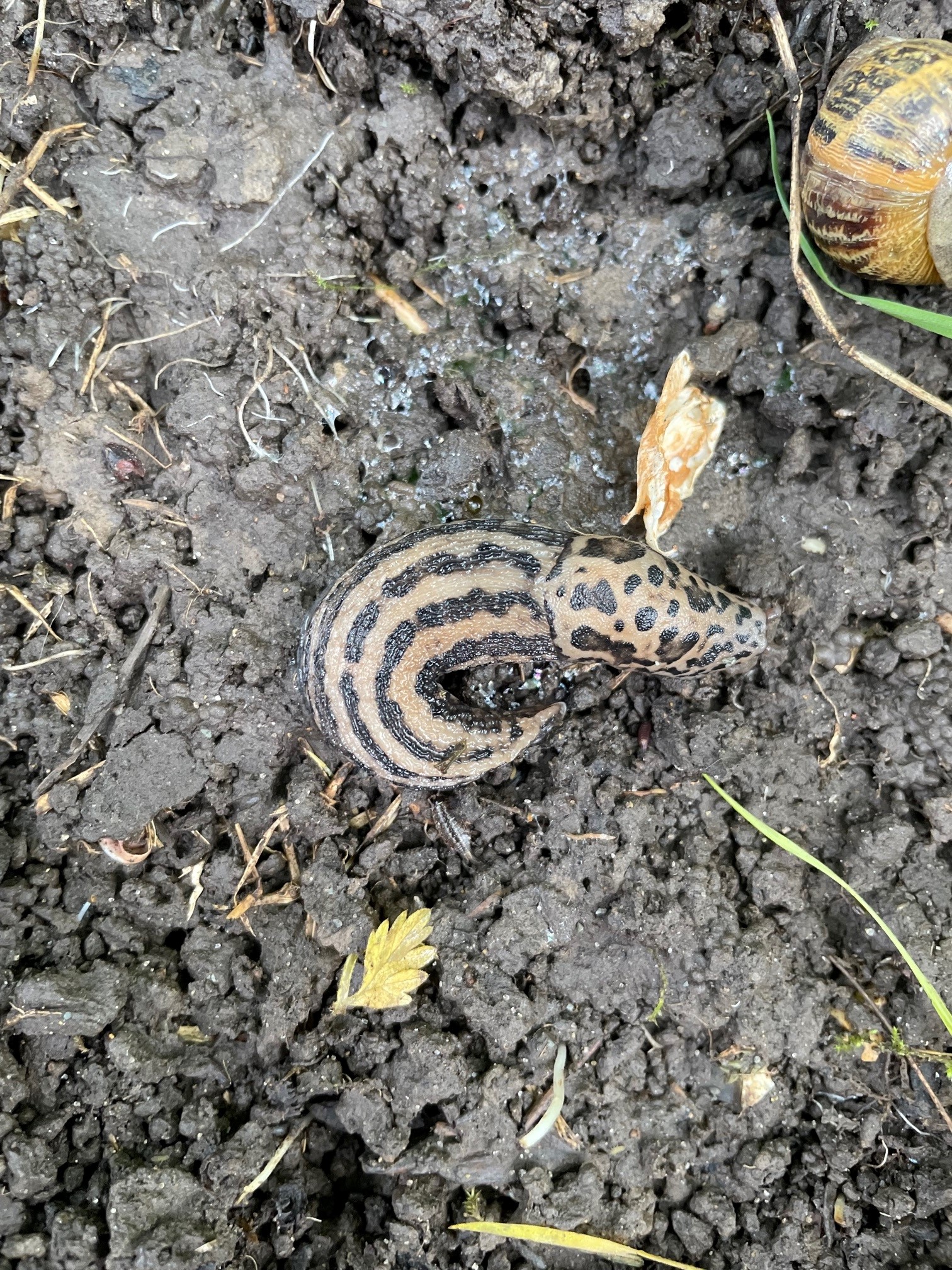
Staying pesticide free allows us to ensure that nature thrives where it can, and we do not pass issues on up the food chains within our ecosystem. It is not without its battles and frustrations of losing crops at times. Knowing that residing in our garden are the leopard slugs that help break down decaying matter, hedgehogs on snail patrol and robins waiting for us to uncover any centipedes makes it all feel much more of a team effort, and allows us to see the funny side when the shameless blackbirds pluck out our freshly planted shallots and proceed to play their own game of volleyball with them!
We still need to hold our breath when watering the tomatoes with a large scoop of comfrey tea, but the rewards will be reaped with a hopefully bumper crop later in the year. We hope that on Parents’ Day you might take a moment to wander through the veg garden, or pop into the ODW Farm Shop to sample and buy some of our produce. Whether you have a hugely productive market garden or simply a basil plant on the kitchen windowsill, we hope you get as much enjoyment from your moments of gardening as we do.
By Jack Duff Gordon, 6.1 and Rob Reynolds, Director of External Relations and DofE Volunteer
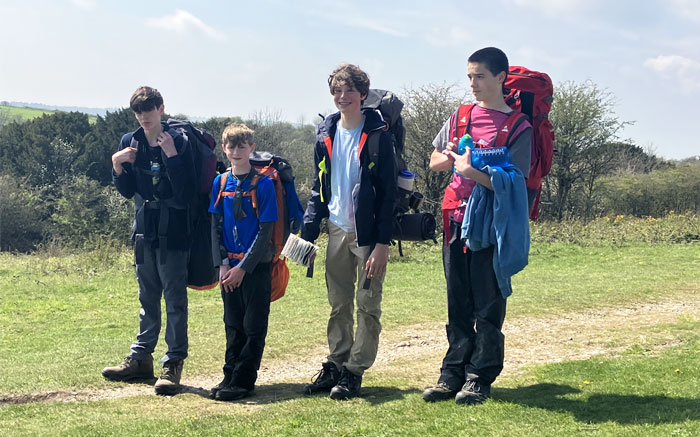
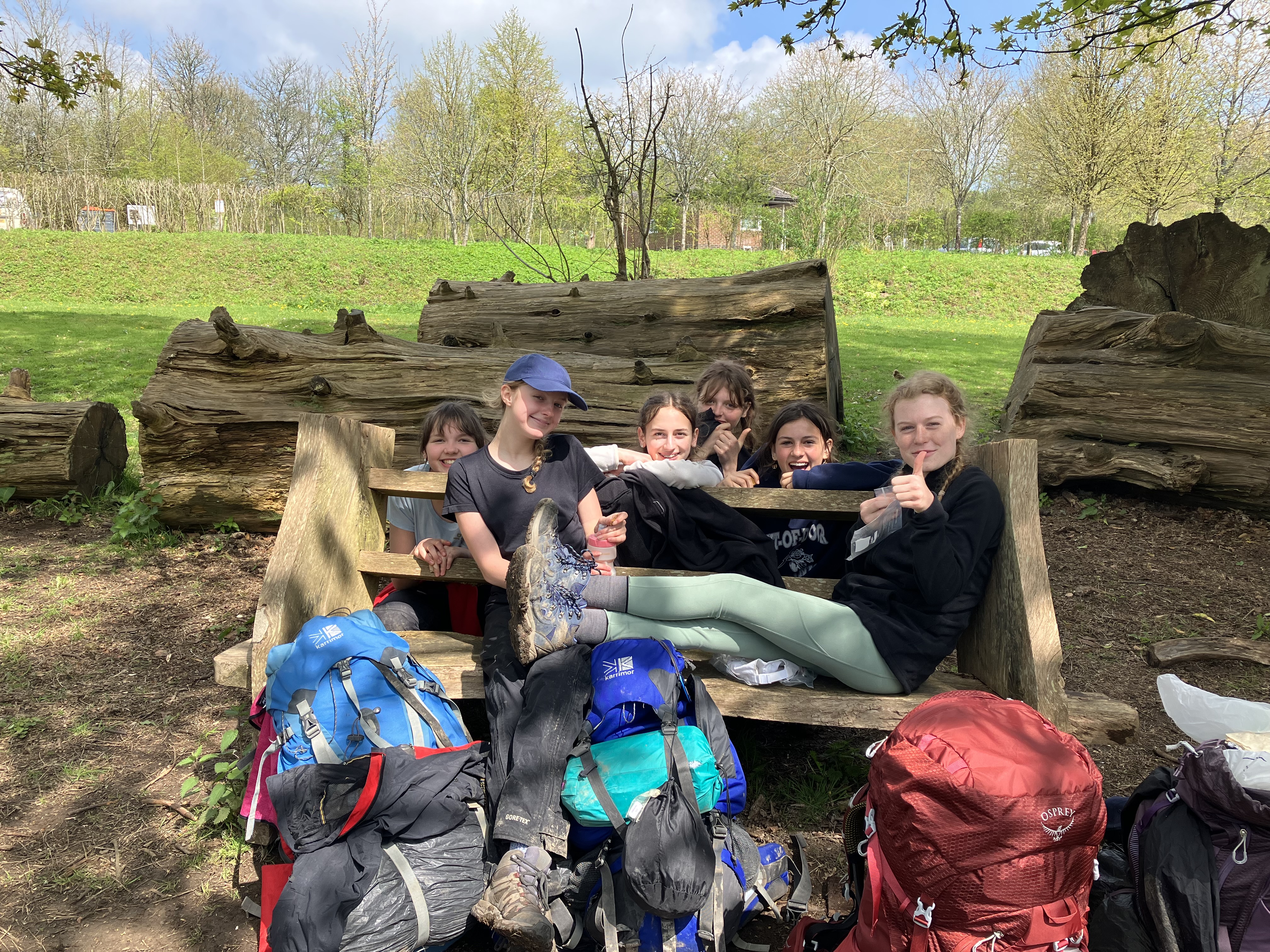
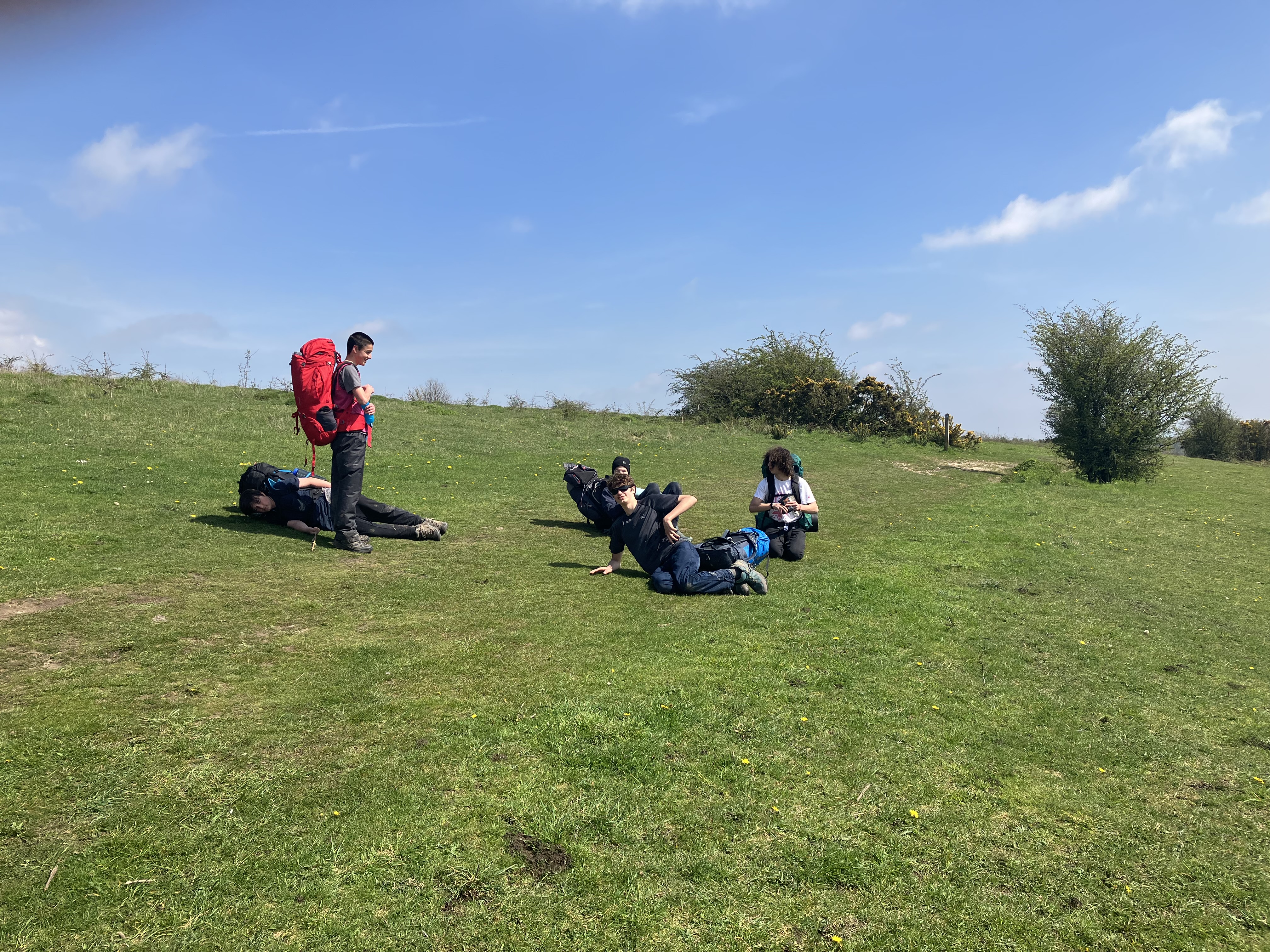
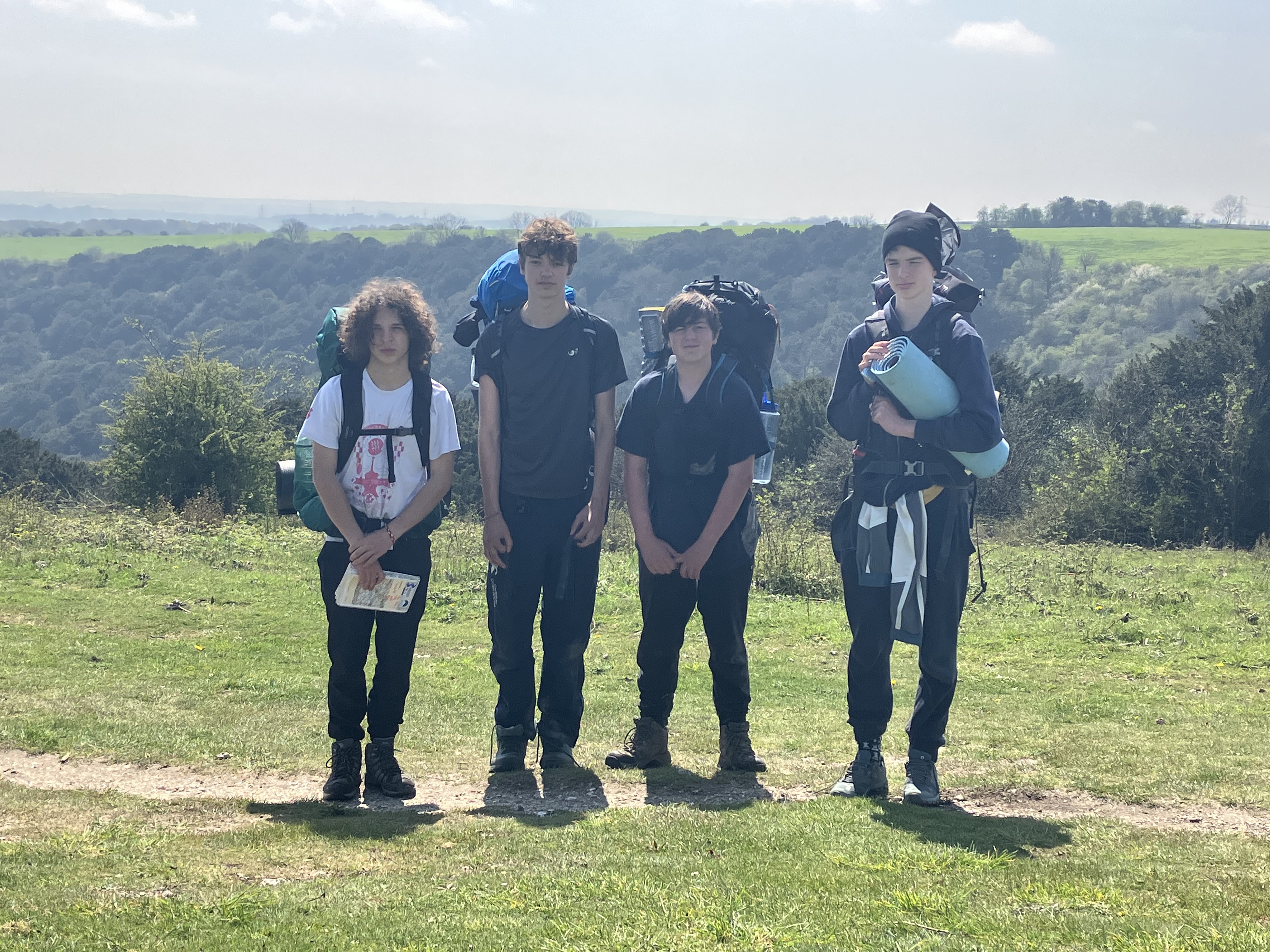
Following the recent Block 3 Bronze DofE expedition, it was the turn of 10 intrepid 6.1 students who completed their Gold Practice in a very inhospitable Dartmoor over the Coronation Bank Holiday weekend. The students’ resilience and determination were fully tested in looking out for each other and coping with the harsh conditions. Despite some tightening up of wild camping spaces, we found suitable spots and there were opportunities to enjoy the beauty of the Dartmoor National Park whose granite tors, rich coloured rivers and open landscapes have inspired authors, poets, and artists for years. Overall the expedition was an excellent learning opportunity about the importance of looking after self and kit, and adapting to the various challenges of an expedition. The students should be proud of their achievement. Next stop for the Gold students in June: Bannau Brycheiniog (formerly known as the Brecon Beacons).
Jack Duff Gordon (6.1), who completed the expedition, commented: “While the walk had its ups and downs both literally and metaphorically, it was a good way of getting to know people better and make other friendships stronger. It was a good lesson in how important the basic human needs of water, shelter and warmth are. Despite the fact that warmth was sometimes not achieved, it was a positive experience – and some proper type 2 fun.”
By Allen Shone, Teacher of Physics and DofE Manager
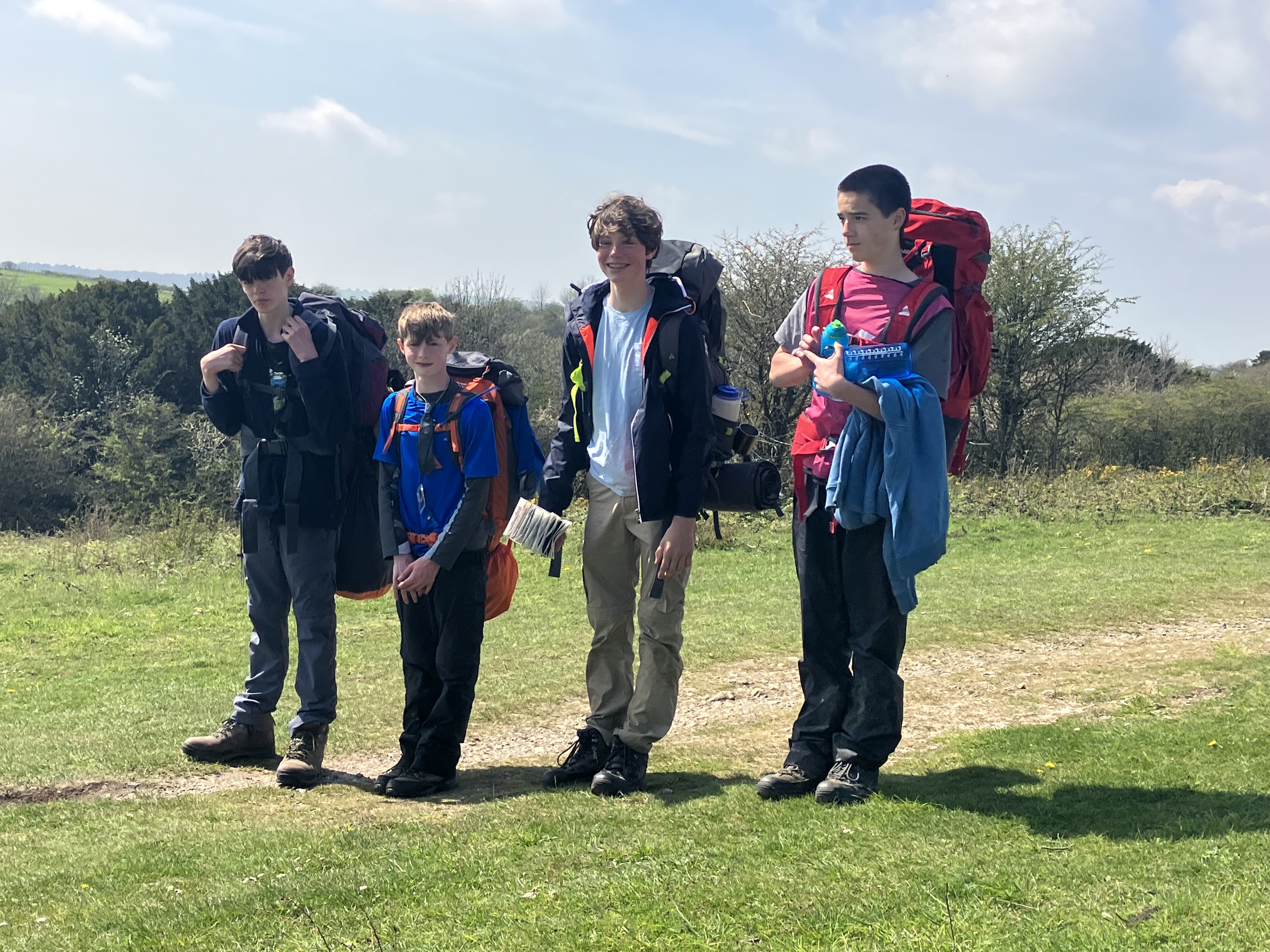
Last Friday, 22 Block 3 students set off from school on their Bronze Duke of Edinburgh (DofE) Qualifying Expedition. Under slightly overcast weather, they worked in groups to walk to Dunscombe Farm, East Meon, where they set up camp for the night.
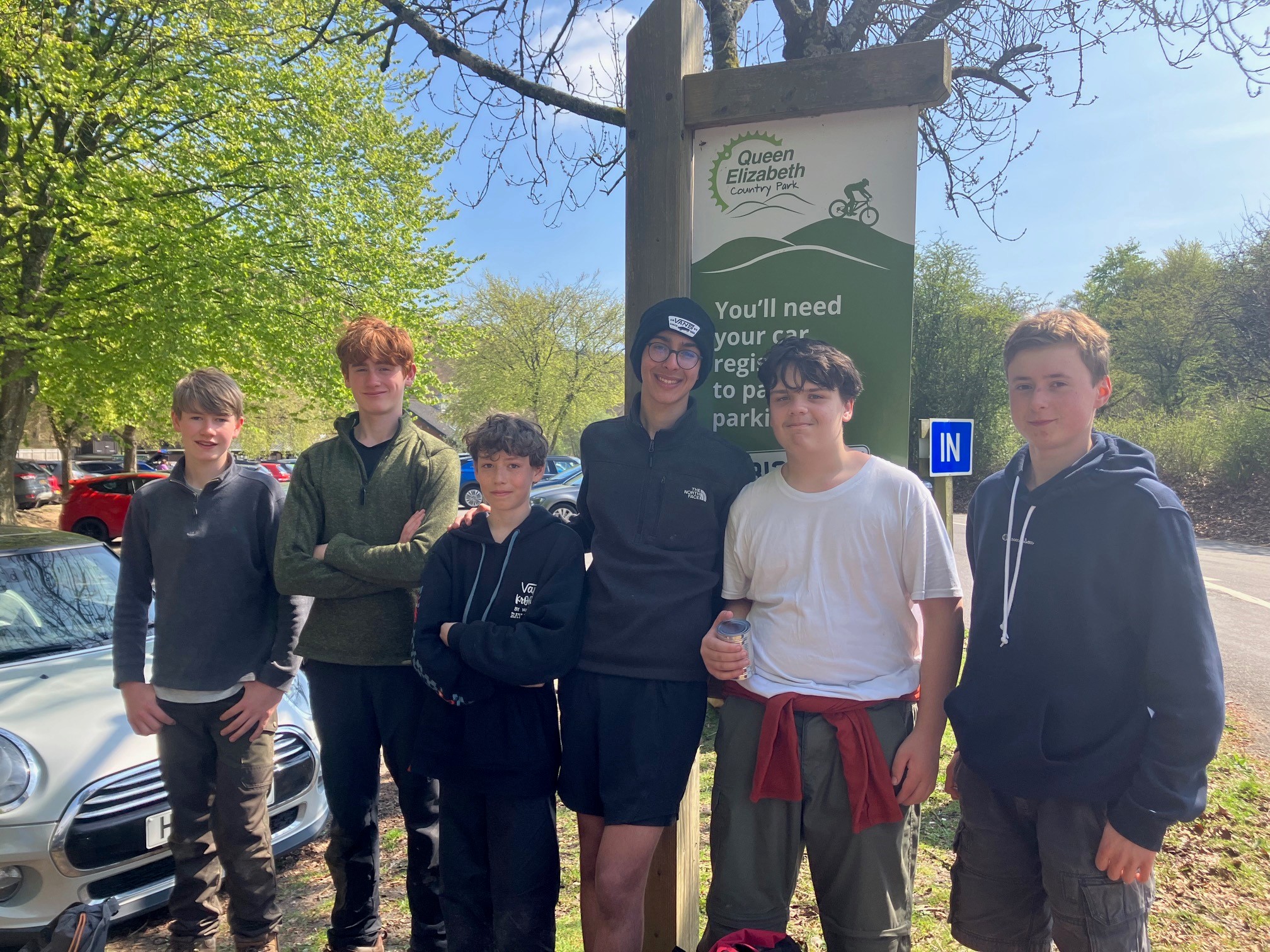
As students settled into camp they tucked into their evening meal, with food varying from pasta and noodles all the way to fried salmon with gold leaf! Waking up to sunny weather on Saturday morning, the students set off before 9am and arrived at the Sustainability Centre for lunch, finishing at Queen Elizabeth Country Park that afternoon.
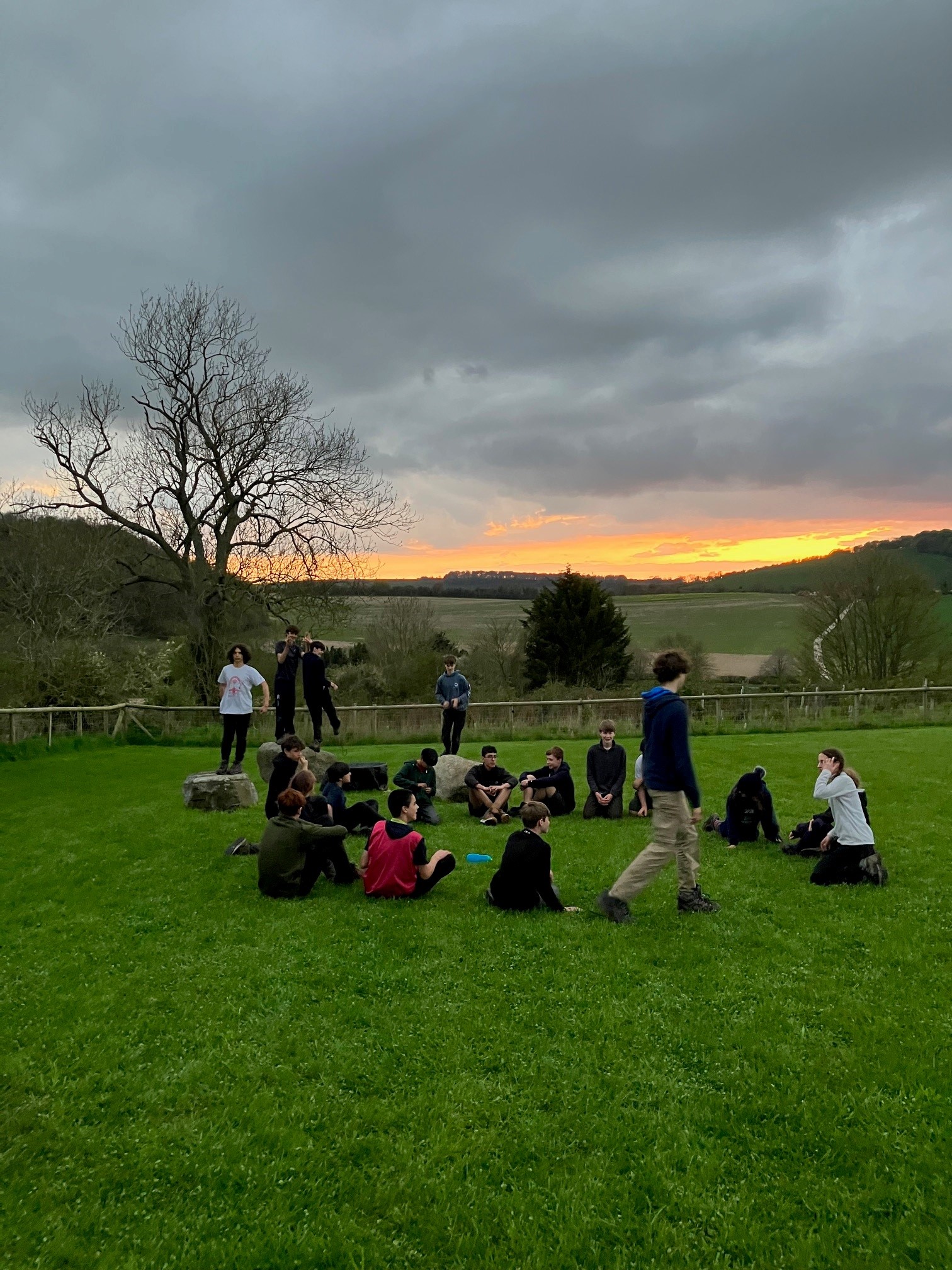
See photos from the expedition below:
The DofE adventures continue this weekend as 6.2 students head to Dartmoor for a four-day practice expedition ahead of the qualifying expedition in June.
By Ana Simmons, Head of Lower School and Teacher of Ceramics
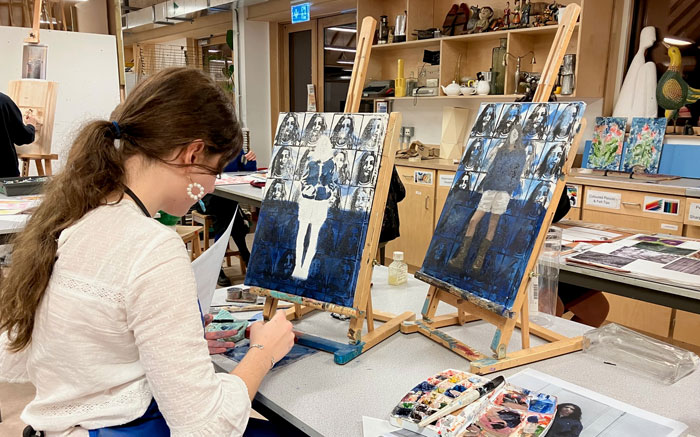
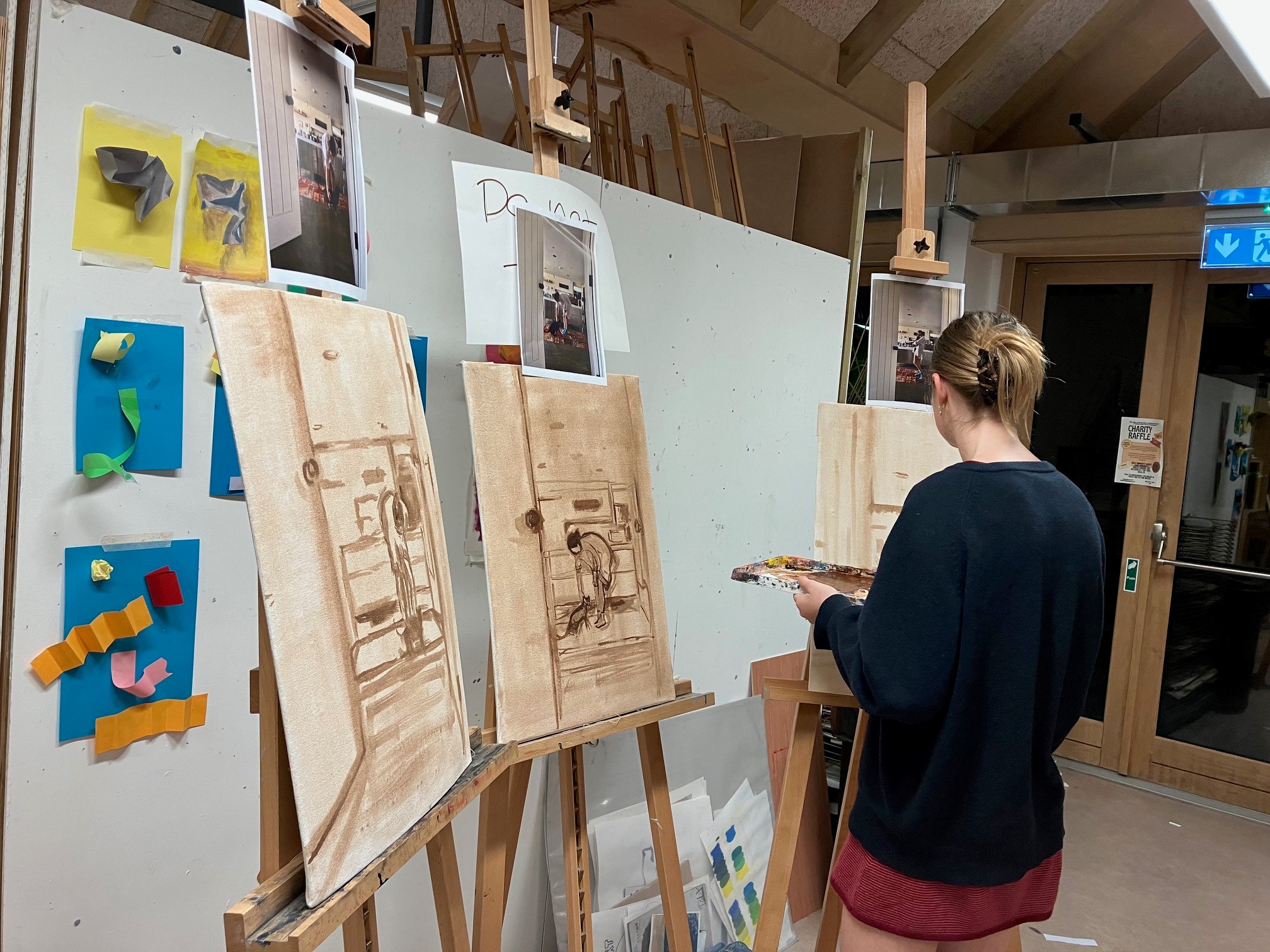
Art students have been working with purpose and focus this week to complete coursework and exam outcomes. Students have selected to work across different disciplines and they have confidently used materials to create a range of exciting and individual resolved outcomes. We are looking forward to sharing this work in the Parents’ Day exhibition on 24 June.
By Dr Harry Pearson (staff, 1977-2006), former Head of Science and Houseparent
In my own personal history 1966 is a key year that I always remember and use as a reference point: it is the year, age 18, I left school in the July and started university at UCL in September. Also, all football aficionados remember 1966, as the only year England won the World Cup. I can remember the day as if it were yesterday. (One hundred years before, 1866, was one of those annus mirabilis years in science where so much was happening that would change the world, we live in. Darwin was advancing his work on natural selection while unbeknown to him, an Austrian monk, Gregor Mendel, was carefully collecting data on peas which would lay the foundation of what we now call genetics.) Eleven years on, I left the university world of chemistry and arrived at Bedales in September 1977. It was then I discovered that 1966 is also an important year in the history of Bedales, as it was the year of the inaugural Eckersley Lecture.
Thomas and Peter Eckersley were students at Bedales shortly after the school’s foundation. Thomas, 1886-1959, was a student here between 1897 and 1904. Peter, 1892-1963, was at Bedales between 1902 and 1911. They enjoyed science tremendously and the teaching they received engendered a sense of discovery and investigation in both of them. While here they became interested in the emerging field of radio transmission and carried out some amazing experiments. The photographs below show them at ‘Wavy Lodge’ (a hut near the present-day Music School) where they carried out some of their experiments on radio transmission. Their great friend in this enterprise was Bob Best whom I was pleased to meet at the lectures of the late seventies, still as enthusiastic as ever.
Both Eckersley brothers went on to have distinguished careers: Peter became Chief Engineer when the BBC started in 1922. Thomas, who went to University College London, where he studied engineering, then went on to Trinity College, Cambridge, where he studied mathematics. He then joined the Marconi Company where he stayed most of his career where he carried out important research in the field of Radio waves becoming FRS. His work was concerned with how atmospheric effects affected the transmission of the waves. He went on to win the prestigious Faraday medal in 1951. To give an idea of the importance of this award it can be noted that the winners in 1950 and 1952 were Sir James Chadwick, discoverer of the neutron and Nobel Laureate, and Berkeley physicist Ernest. O Lawrence, inventor of the cyclotron and Nobel Laureate, respectively, two of the better-known Nobel Prize winners. The contribution by the brothers in the field of Radio transmission is extraordinarily significant, and something that Bedales can feel very proud about.
The lectures were set up by a group of Old Bedalians as a memorial and tribute to the outstanding contribution to scientific progress and thinking made by the Eckersley brothers. They are meant to have a broad appeal and stimulate interest in, and appreciation of science, rather than just record scientific research. It was always hoped that non-scientists would find them of interest. It seems appropriate that several directors of the Royal Institution have delivered the lecture as one of the aims of the ‘discourses’ at the institution seem very similar to the aims of the Eckersley Lecture.
The first lecture was given in 1966 by Professor Sir Lawrence Bragg who won a Nobel Prize for his pioneering work using X Rays in the elucidation of chemical structure. Indeed Bragg’s father also demonstrated the use of X rays in medicine. It is hard to overstate the significance of this first lecture.
In 1966 it would have been difficult to find a more senior, or more famous, scientist in this country, or indeed the world, than Lawrence Bragg, the first person to deliver the Eckersley lecture. Not only was Bragg a Nobel laureate but at the time he was the only person to have won the prize with his father, William Henry Bragg. What is more, since their discovery, the use of X rays, in structure determination, is one of those things that has changed all our lives. He won the prize as far back as 1923 as a member of the Cavendish Laboratory in Cambridge, a location that was virtually rewriting science for the twentieth century. Like his father, the younger Bragg went on to head the Cavendish, and become director of the Royal Institution.
To further emphasise Bragg’s pre-eminence, it is important to realize what point his use of X rays in structure determination had reached at that time. Several people in the Cavendish were working on the elucidation of enzyme structure, most notably Max Perutz and John Kendrew. Both went on to win the Nobel Prize for their work on the structure and function of Haemoglobin, the vital oxygen carrying protein in blood. At this time their work represented the cutting edge of science. Another duo in Bragg’s sphere were the pair Watson and Crick who were working on the structure of DNA. Their eventual publication of the structure, which marked the advent of Molecular Biology, is seen as the greatest discovery of the century. It was Bragg who proposed them for the Nobel Prize.
Watson and Crick were awarded the Nobel Prize for their work in Bragg’s laboratory in 1962. Their work would throw dramatic new light on the fields set up by Darwin and Mendel in 1866. The work in Bragg’s team was reaching towards the very heart of life itself.
When Bragg came to give the first lecture in 1966 it would be hard to think of a more eminent person in British intellectual life.
The subsequent list of speakers is very much a who’s who of British science with names like Colin Blakemore, Herman Bondi, Ken Pounds, OB Sebastian Pease, Nobel Laureate Max Perutz, Dame Jocelyn Bell-Burnell and Sir Roger Penrose among others.
I must say something here about Bas Pease. Bas gave the Eckersley lecture in 1982 entitled Nuclear Energy and the Future. Bas had a glittering scientific career becoming head of the project doing research on nuclear fusion. He may be the leading scientist that Bedales has ever produced. Bas was a powerful supporter of the Bedales Science Department and we were all pleased when he came to the opening of the new science buildings in 2001.
The 2006 lecture was given by one of my previous mentors Professor Brian Johnson FRS, formerly Head of Inorganic Chemistry at Cambridge and Master of Fitzwilliam, and also a governor of Bedales. When I wrote to him thanking him for coming, he said that for him it was an honour to join such a distinguished list of speakers. I think the founders of the lecture can be proud of what they have set up. The Eckersley brothers would also be proud of what goes on in their name and that science thrives at Bedales. 1966 was indeed an important year in the life of the school.
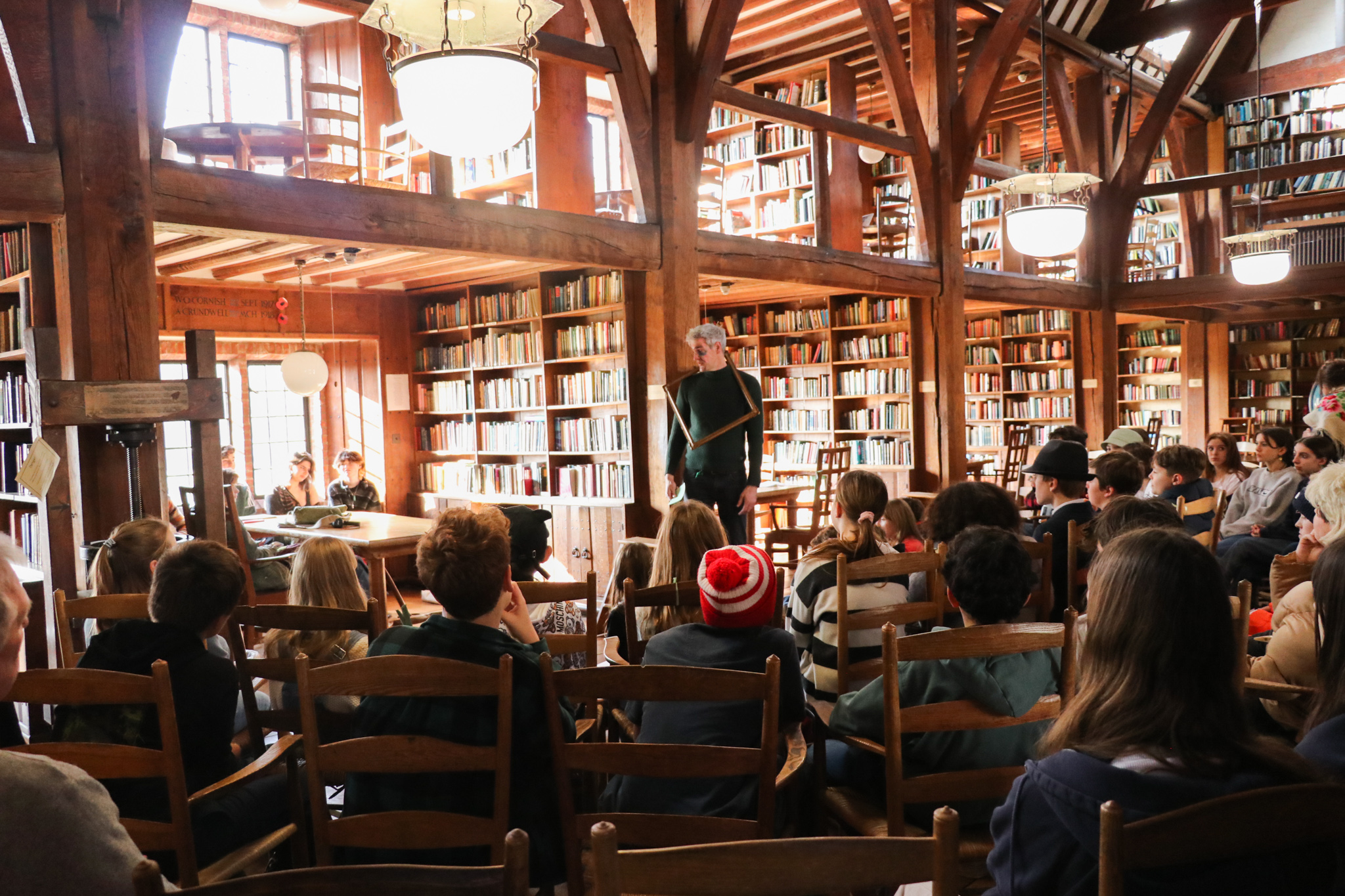
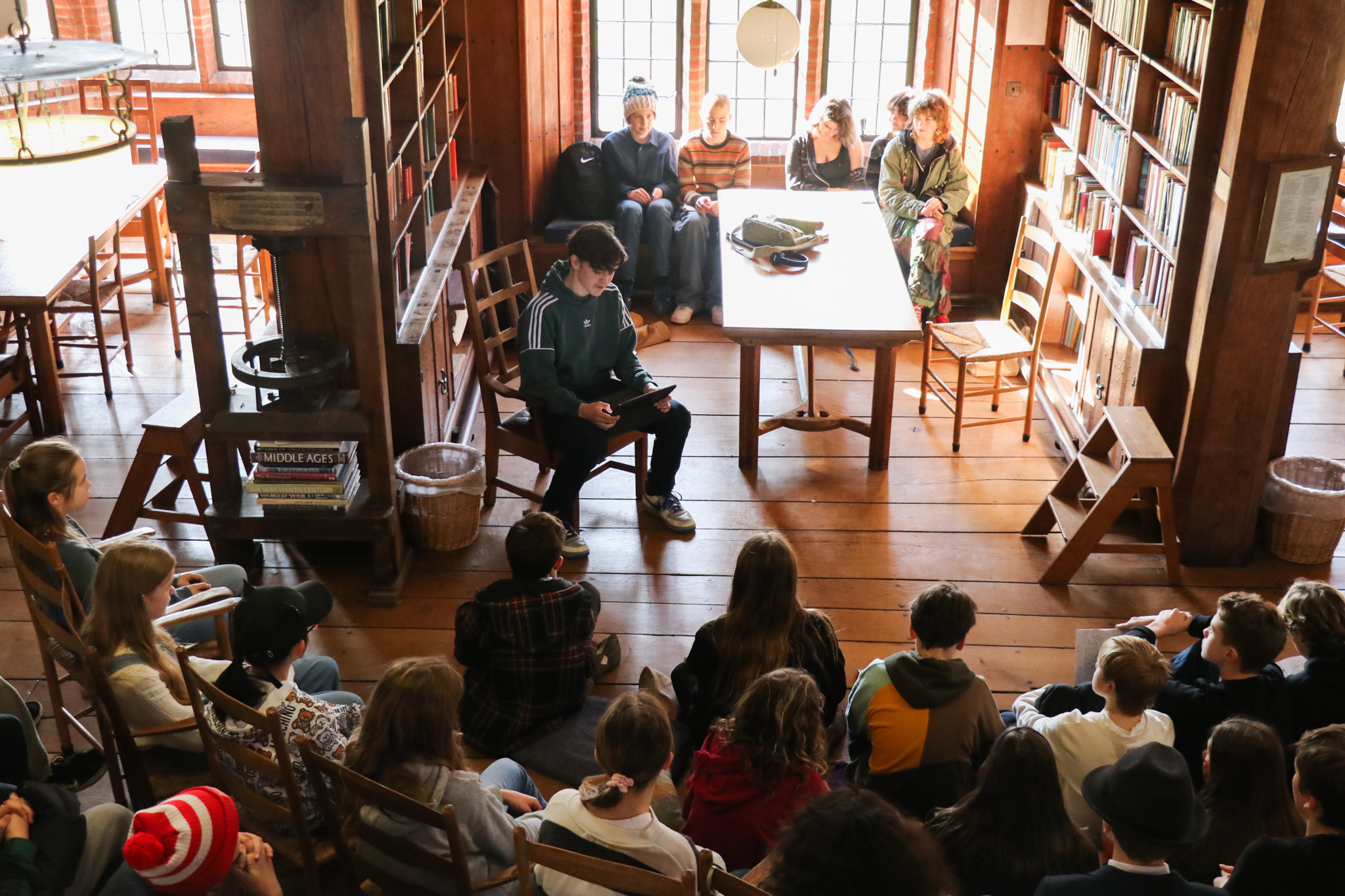
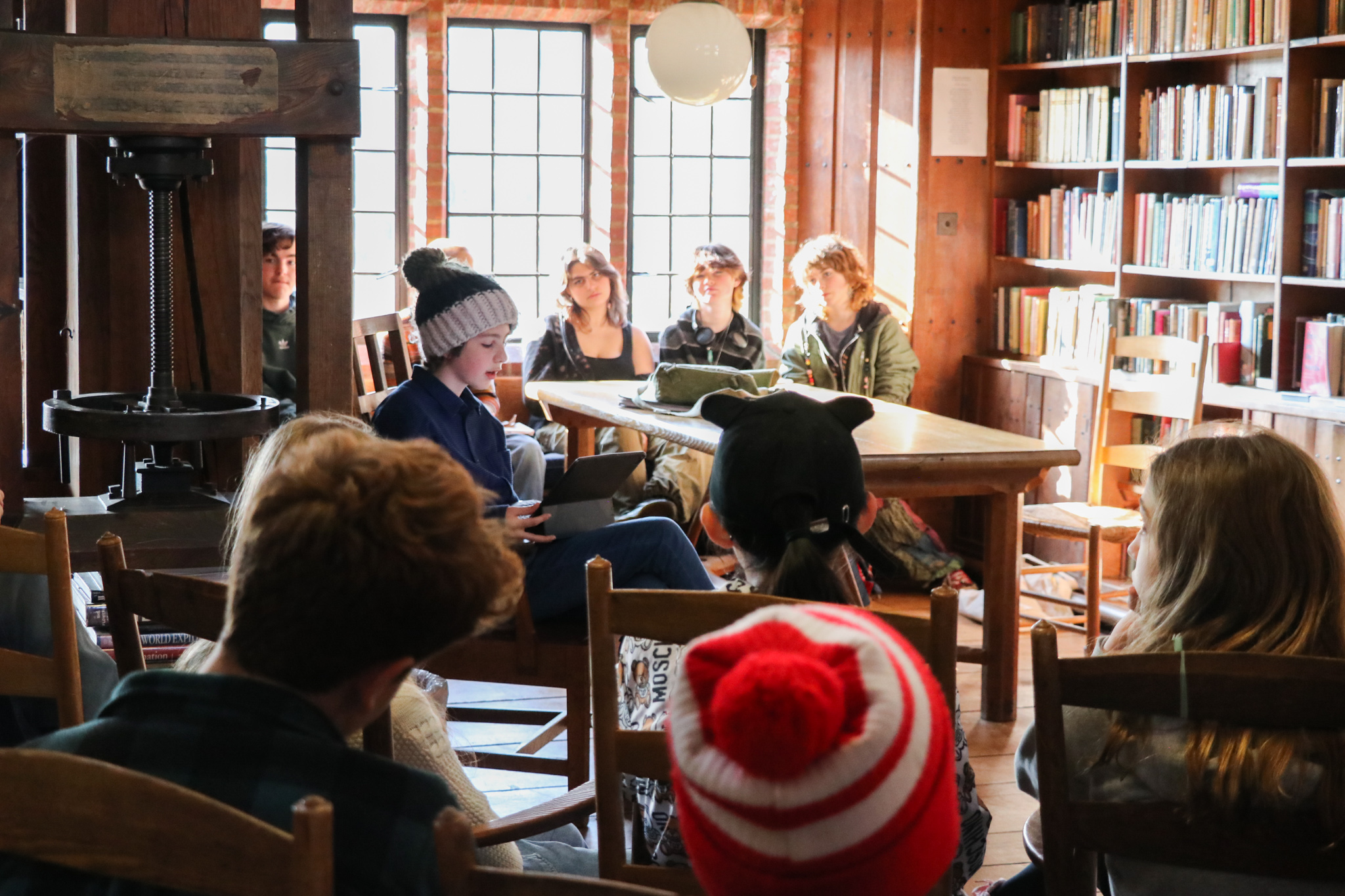
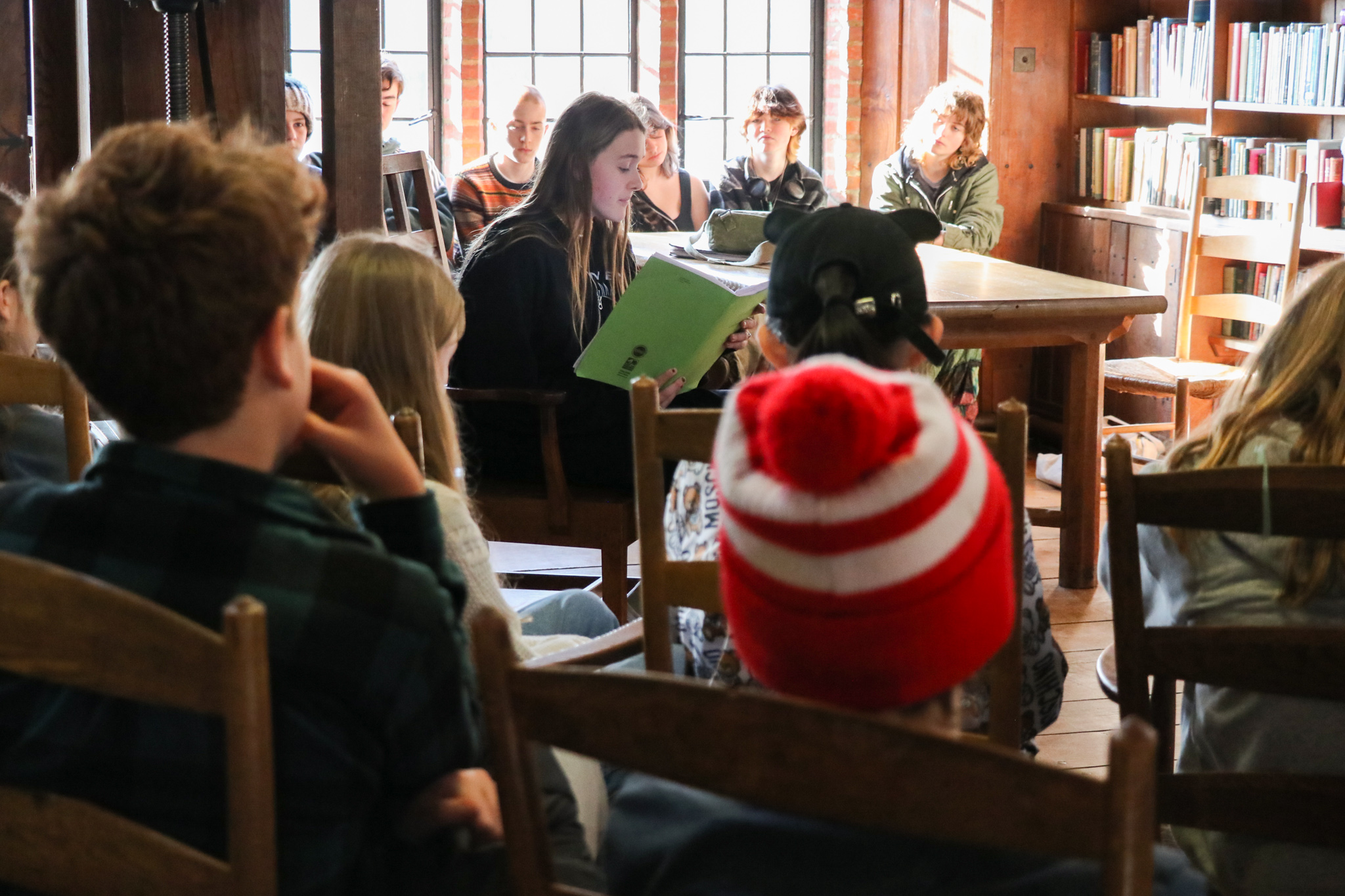
In honour of World Book Day this year, Natasha Ruiz Barrero (Teacher of English, Dunhurst) and David Anson (Head of Faculty, English, Bedales) brought budding authors in Block 2 and Block 4 together to share their own work through readings in the Bedales Library.
We had a fantastic range of narrative forms represented by some really moving Block 2 retrospective pieces and detailed descriptive passages matched by powerful short stories read by the Block 4 who have recently completed their IGCSE imaginative writing coursework. Creative writing in response to works of literature is an incredibly valuable way of accessing not only the challenging themes of some texts but also understanding the many varied methods writers use to communicate.
I have no doubt that our young writers will continue to exercise their art and to feed their imaginations through reading not just on World Book Day but the whole year round and beyond. Let’s also hope we see some first novels published in the not distant future.
With special thanks to the Block 4 students: Iggy Cake, Dexter Mellon, Amelie Knox, Lolo Gaio, Charlie Williams, Olive Festinger and Ella Foster-Hill; and to the Block 2 pupils: Fred Robinson, Felix Cunningham, Marcello Bodrini-Diamond, Annabel Rowell, Rupert Trewby, Alice Rawlence, Tabitha Brighton, Marlowe Smith-Pink and Oscar Heining-Familoe.
By Clemmie Bevan, Margot Paisnor and Tasch Hertwick, 6.2
Thursday marked the 28th year celebrating World Book Day, and to mark the occasion, the English department and a handful of students dressed up to show their appreciation for literature.
Some of the outfits included characters from plays such as A Streetcar Named Desire and The Crucible, and novels such as The Picture of Dorian Grey, Less than Zero and 1984. We, as students, thoroughly enjoyed taking part in this tradition, and were in admiration of the teachers’ fantastic ensembles.
Dressing up for events like World Book Day has brought joy to Bedales students for many years, and we believe taking part in this tradition has provided a small, yet exciting, glimpse of the traditional Bedalian atmosphere that so many remember. We hope that many others will partake in events like these in future.
I’m delighted to be able to open up this competition to anyone in the Bedales community. I’ve already launched it with students but I’m sure there are parents, teachers and Old Bedalians who would love to try writing on this subject. The winning poem or poems will be used as readings in the school carol service this year.
During our carol service we use a mixture of Biblical and secular readings to help reflect on the ideas raised by the Christmas story. As we are a non-denominational school, welcoming students of all faiths and none, we try to have inclusive readings which address the themes in a way that is accessible to all. We have used poetry by poets such as Levertov, Yeats, Rossetti, Bridges and Betjeman in the past, as well as poems written by Bedales English teachers.
It would be wonderful to include work by others in the Bedales community and so we invite you to send your own poetry or short-form prose to me, Lucy McIlwraith, at lmcilwraith@bedales.org.uk.
Some ideas to help inspire you:
You can read the Biblical readings here and write something with parallel themes or a modern version.
You might like to write a meditation about the themes of Christmas in general.
You might like to focus on one of the following themes: The prophecies: You might like to write about a future we would like to look forward to. You might like to write about a vision of utopia or something our world community should work towards. Hope for the future.
The annunciation: Many parents find this a fruitful subject to write about – the hope, joy, expectancy and uncertainty of a new child. You can read my version of this here. You might like to write from a different point of view.
The birth of Jesus: You might like to re-tell the Bible story or write about the birth of a child of less divine origins. You might like to write about the birth of an idea or new way of seeing the world.
The shepherds and the kings hearing the good news: A more modern version of this might be based on the idea of publicising a great idea or sharing a wonderful piece of news with people from all backgrounds.
I hope to have the readings for this year’s service finalised at the end of November, so please send any entries for the competition before 30 November. However, if you find that you are still crafting an exquisite piece of poetry after that point, do send it once it’s ready and I can consider using it for next year’s service!
If you’d like some poetic inspiration, do book to see Old Bedalian Esme Allman on 25 November in the Olivier Theatre in Bedales – tickets are available here.
You might also like to book tickets for the Carol Service on 13 December as the church is small and tickets sell out fast! Book tickets here.
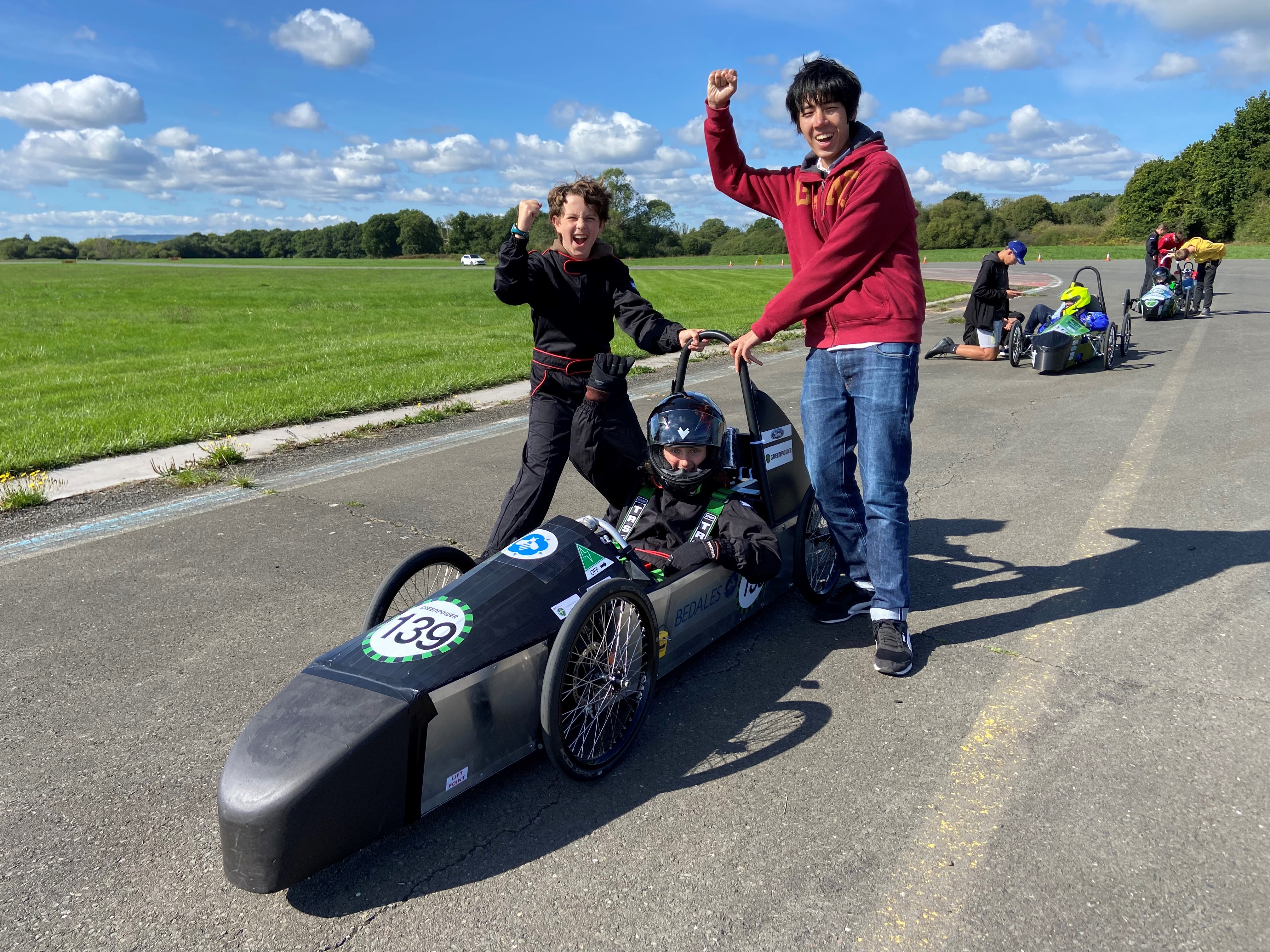
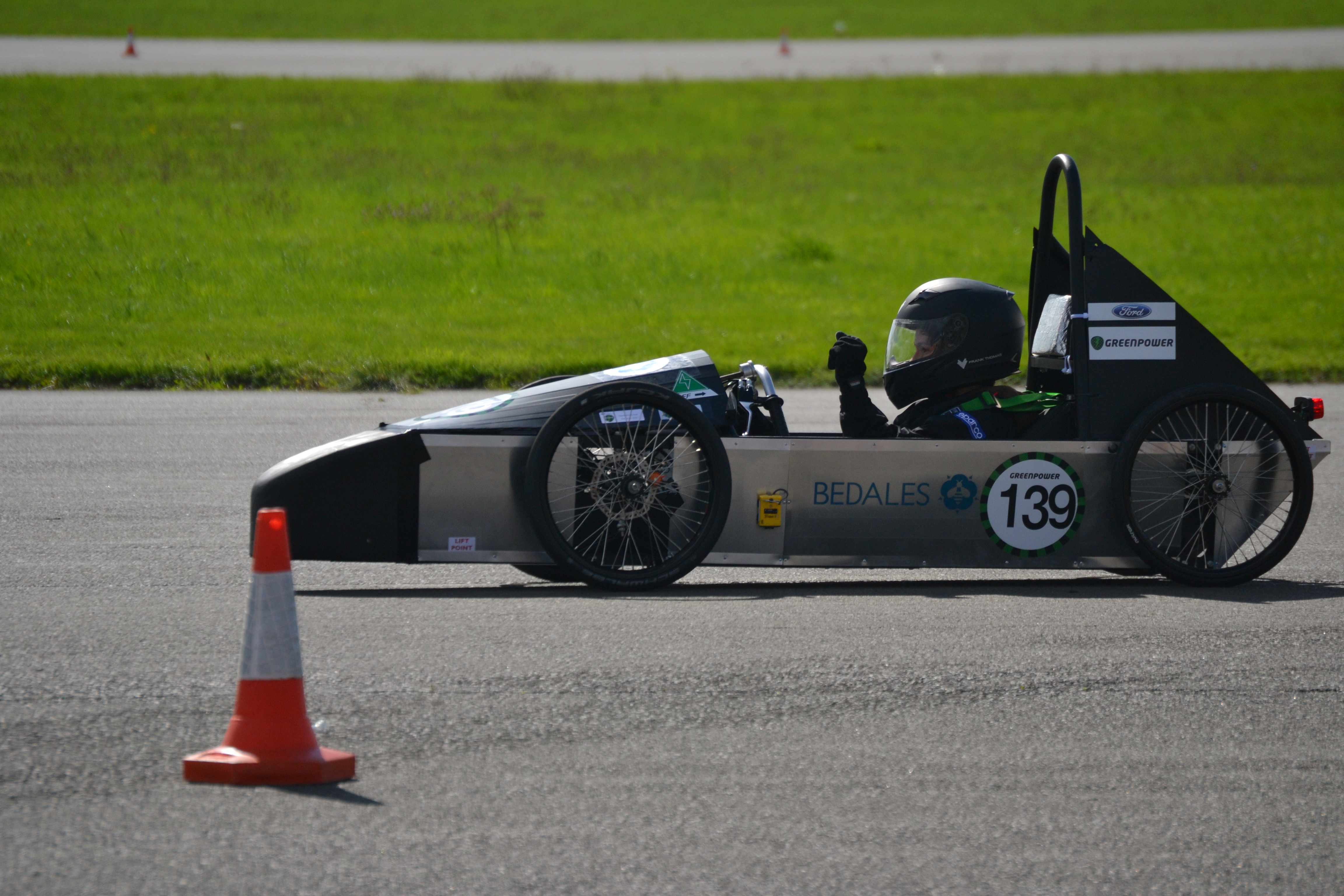
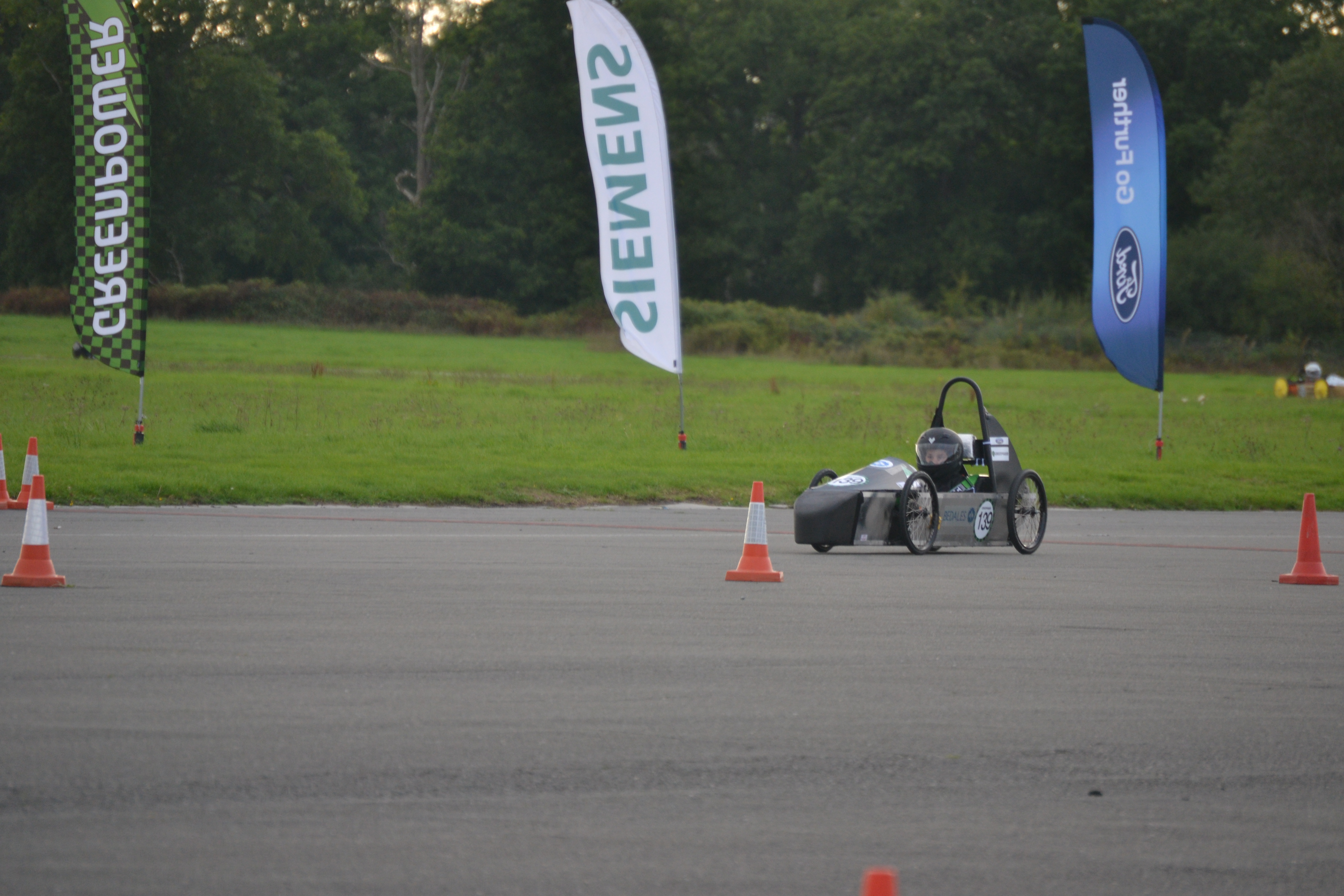
After competing in their first race at the Goodwood Motor Circuit in May, the Bedales Greenpower team took to the Top Gear test track at Dunsfold on 18 September for their second outing. Here, students Elliot Cundy and Lolo Gaio reflect on the experience, which has earned the team a wild card entry to the International Finals at Goodwood on Sunday 9 October. The team are now furiously tweaking and improving the car ready for the season finale and we are looking forward to another full and enjoyable day at Goodwood.
Elliot Cundy, Block 4
The Bedales Greenpower team attended their second race of the year at the iconic Top Gear test track at Dunsfold. Since the last race, the team had upgraded the car with a brand new cooling system and reworked steering. Due to a recent wave of illness as well as a clash of commitments, we only had two people available to drive – me and Lolo – between whom we divided three hours of racing time.
After our car had passed the all-important scrutineering, we were allowed out on the track for the first time to practice. Unfortunately, shortly into the session, another team’s car had rolled at the first corner, causing the deployment of an ambulance and halting the practice session for 20 minutes. Once all was clear, we started to learn the line of the track, putting down consistent, gradually improving lap times whilst learning the limits of our car. The first race was fast approaching, so after a swift battery change, we lined up on the grid for the first real test of our skill and car.
With 57 cars on the track, it was certainly a fight for space. I was driving the first stint, and was quickly learning that dealing with other people intruding onto my line would be a problem. Proceeding around the final corner, I was pushed into a cone by another car on my outside, forcing me to pit early to check for damage before letting Lolo hop in and take over. By the end of the first race, our battery was beginning to drain, leading us to place 23rd overall and achieving a top speed of 25mph.
Lolo Gaio, Block 4
Before the second race, my Dad realised that the nuts holding the wheel to the car were loose on both sides, which was causing the wheels to scrape against the car and make an unpleasant sound when turning. After fixing that, we changed the back wheels for the front wheels; the front wheels were larger than the back, which meant when swapped, the front wheels wouldn’t scrape against the car. Having a larger wheel on the motor also resulted in a longer gear ratio and therefore a slightly higher top speed of 26mph.
We started the race in 24th place, and finished in 11th, having overtaken 13 cars in the first lap! Our car was running well, and it felt super fast. At the end of my first stint, we were in 8th position and after the pit stop, we were in 11th. Elliot had a longer, 40-minute stint to save on a pit stop against the rest, which got us up to fifth position!
Nothing eventful happened during the race until the lap that Elliot was due to come into the pits, when there was a red flag. Two cars crashed one corner behind him and the race stopped, with Elliot right behind the person holding the red flag. One car managed to get into the pits just before the red flag, so he got a free pit stop. As we were speaking to the race director Vaughan Clarke, he told us an impressive fact – there had only been one broken bone in all 22 years of racing. With the ambulance out, we were relieved to hear that neither driver was injured and the race could resume after 30 minutes. Elliot immediately drove into the pits, and then I was out… with a dying battery. The car was going much slower than when I started and we lost the lead we had gained.
In the end, we finished 17th (10th in our class), which was not too bad overall. The race was an incredible experience, and I’m so glad we did it. Next time, we’ll add wheel covers and make the car more aerodynamic, and hopefully we’ll be able to make it a full race without the battery dying on us.
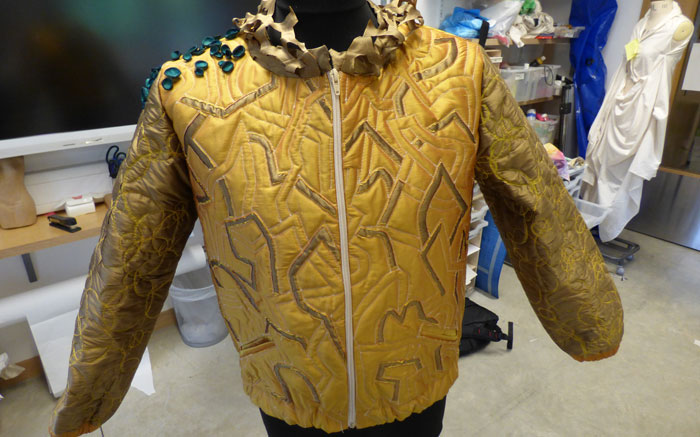
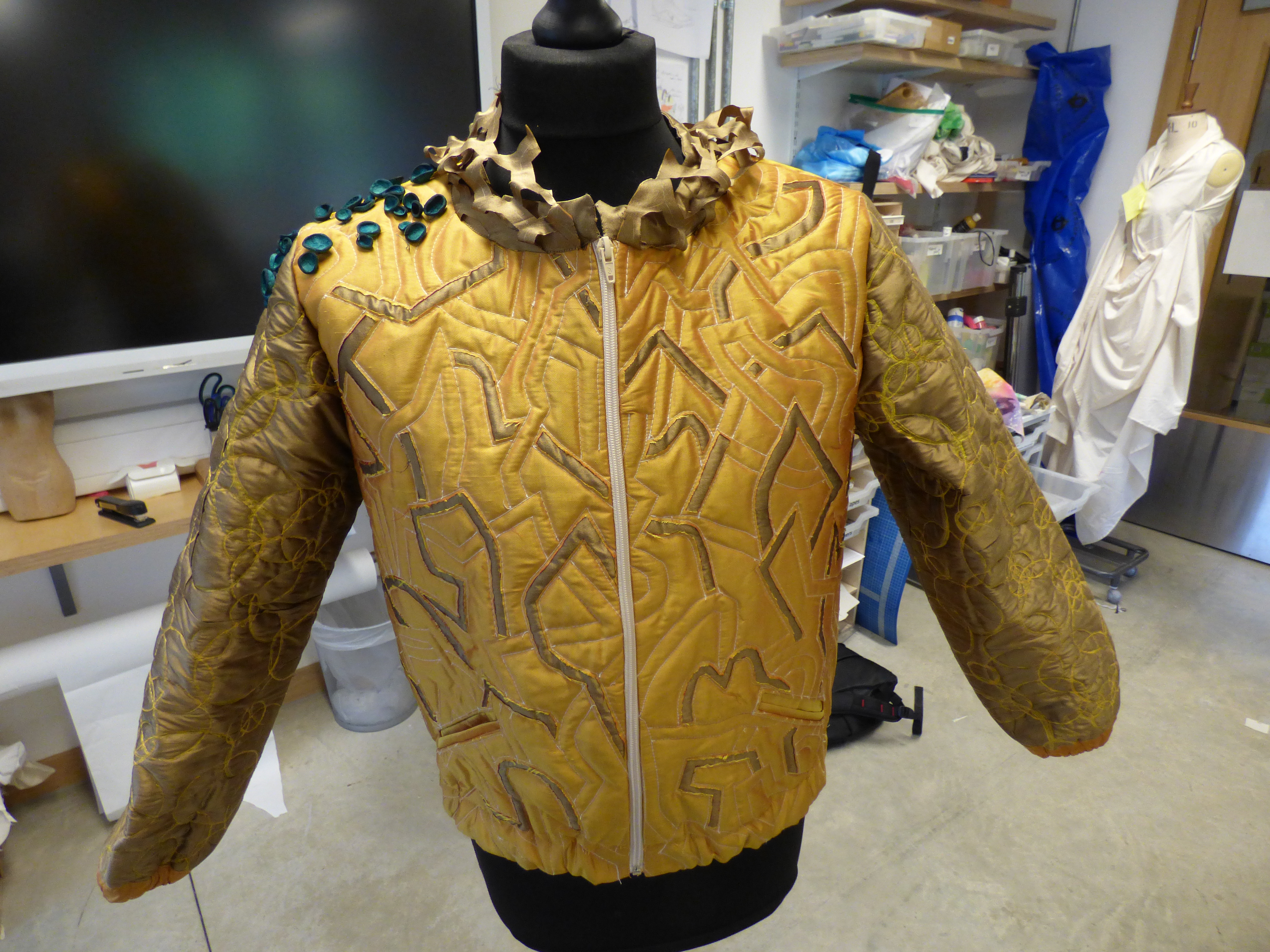
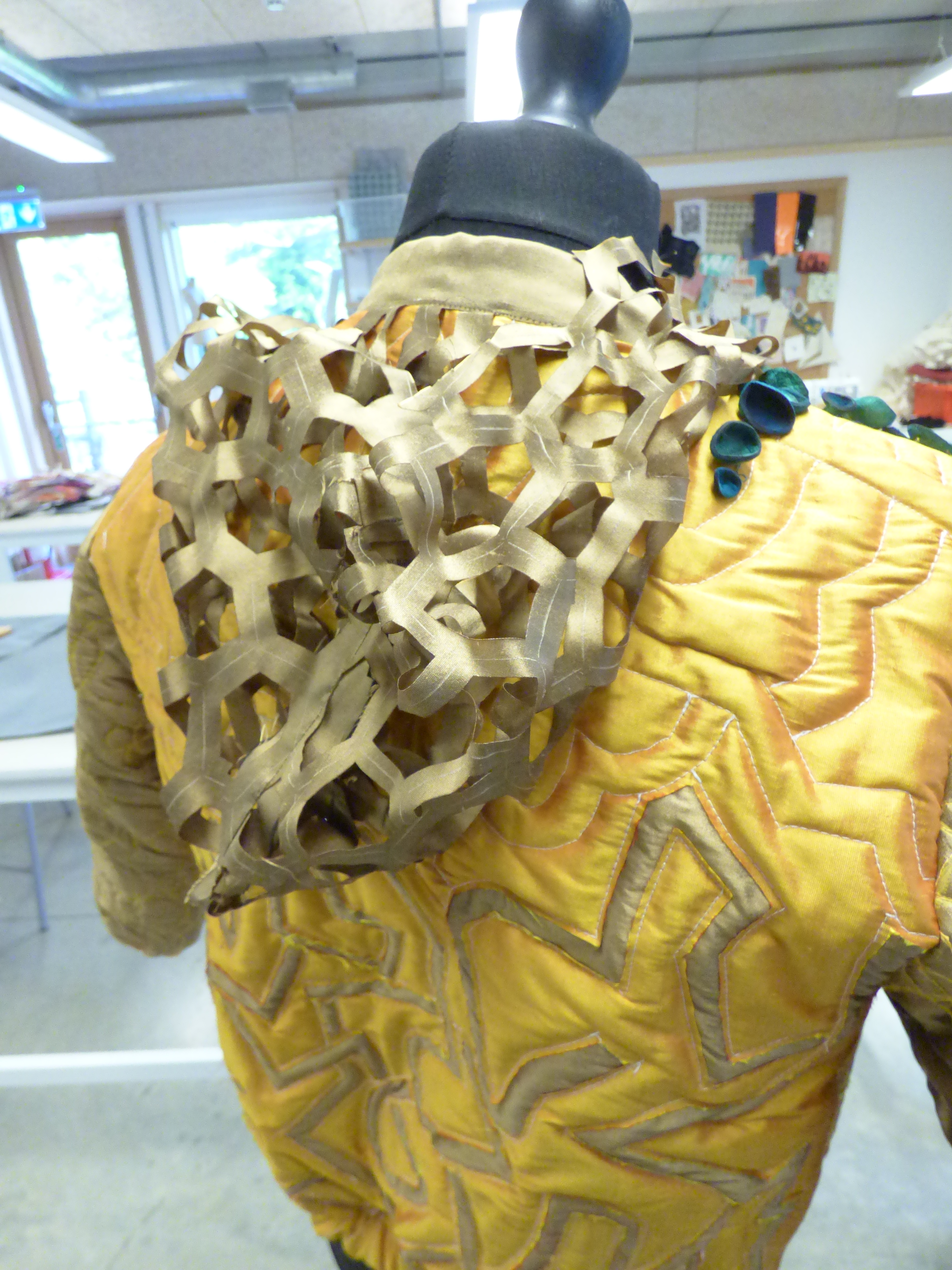
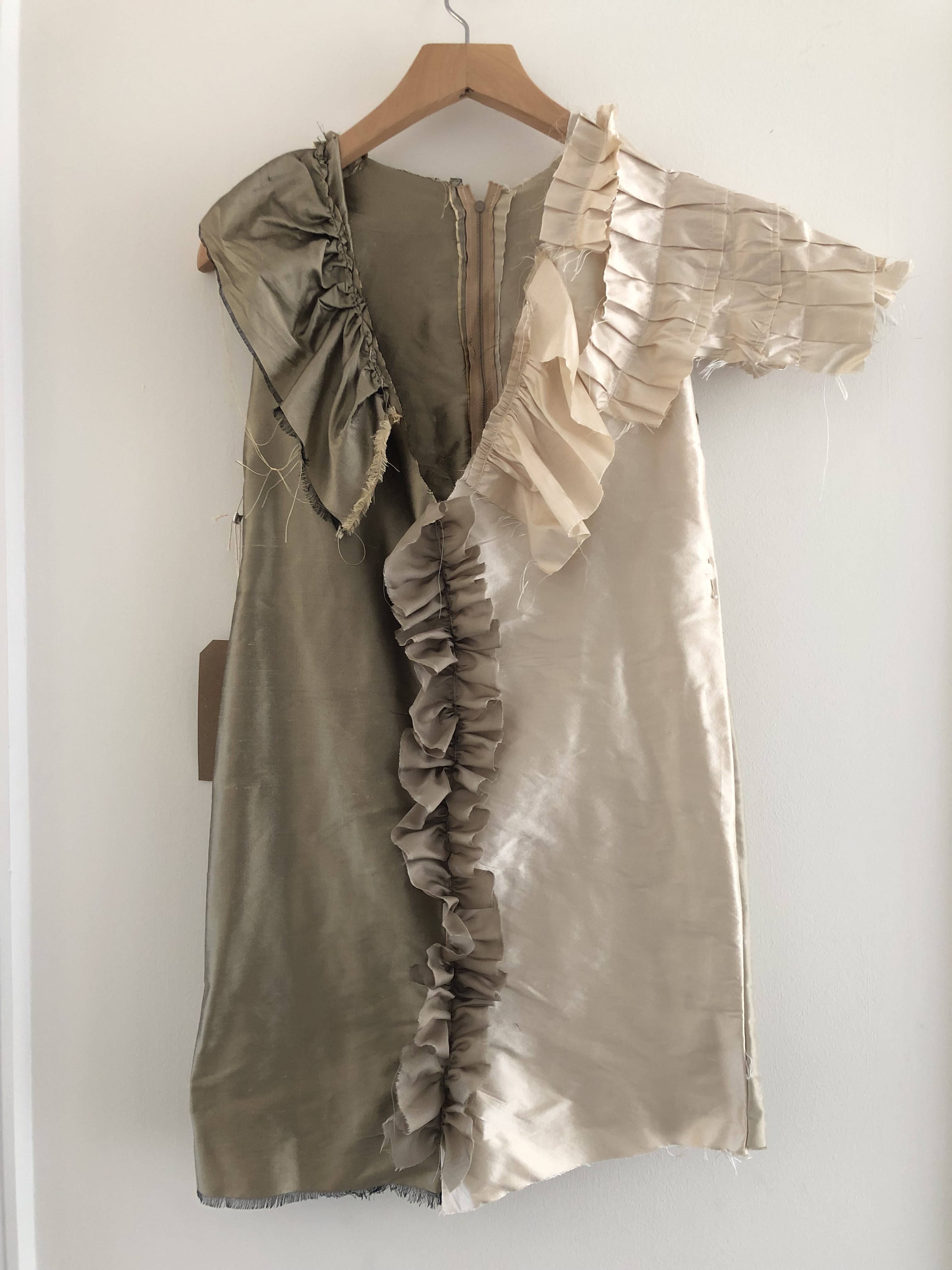
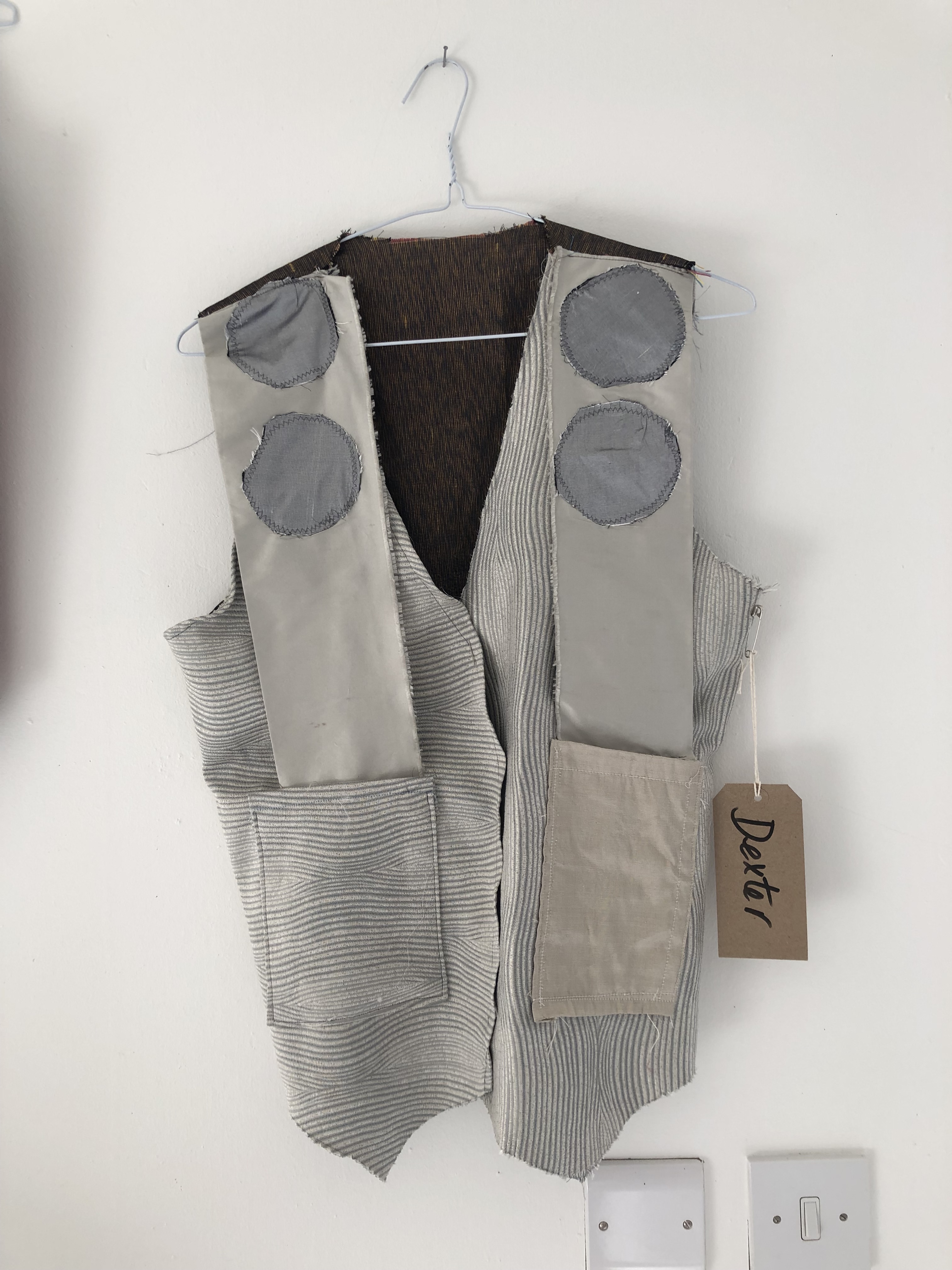
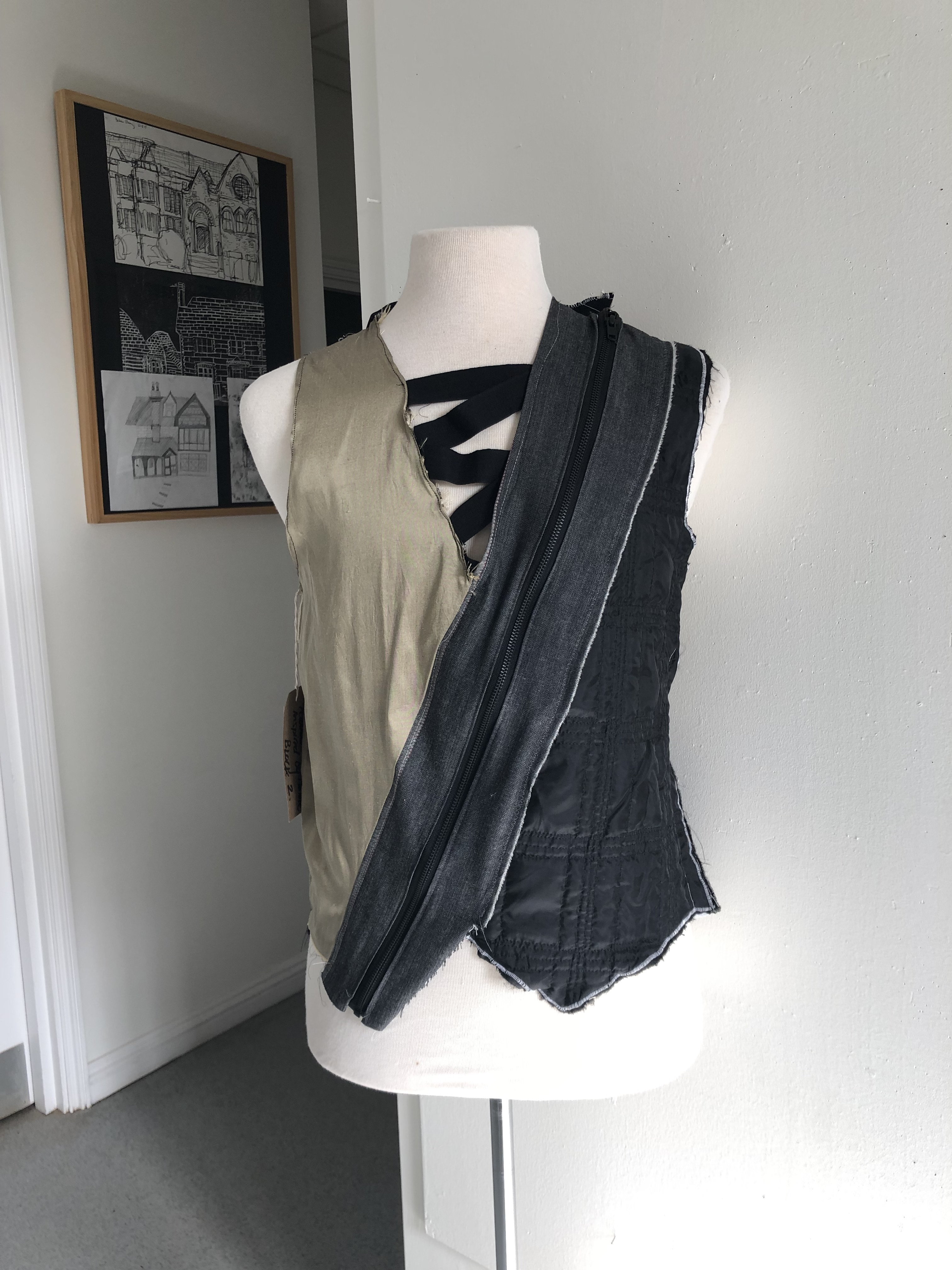
Discarded silk has been given a new lease of life by pupils at Bedales and Bedales Prep, Dunhurst this year. Off-cuts of silk from premium homeware designer Porta Romana have been recycled and used in pupils’ fashion creations, including garments created by A Level Fashion & Textiles students at Bedales Senior (like this bomber jacket by Gala Pearson) and Block 2 (Year 8) pupils at Dunhurst. The silk, which would otherwise be thrown away, is rescued from Porta Romana by my wife Sian, who has worked for the Farnham-based company for four years.
See photos of the garments created with the silk below.


















 Bedales School Blog
You must be logged in to post a comment.