By Julia Bevan, Teacher of English and DofE Manager
While we are in lockdown, it is trickier than usual for students to complete the Duke of Edinburgh (DofE) Award, but I am pleased to see that so many of them remain committed to completing the various sections of the programme despite the circumstances we find ourselves in.
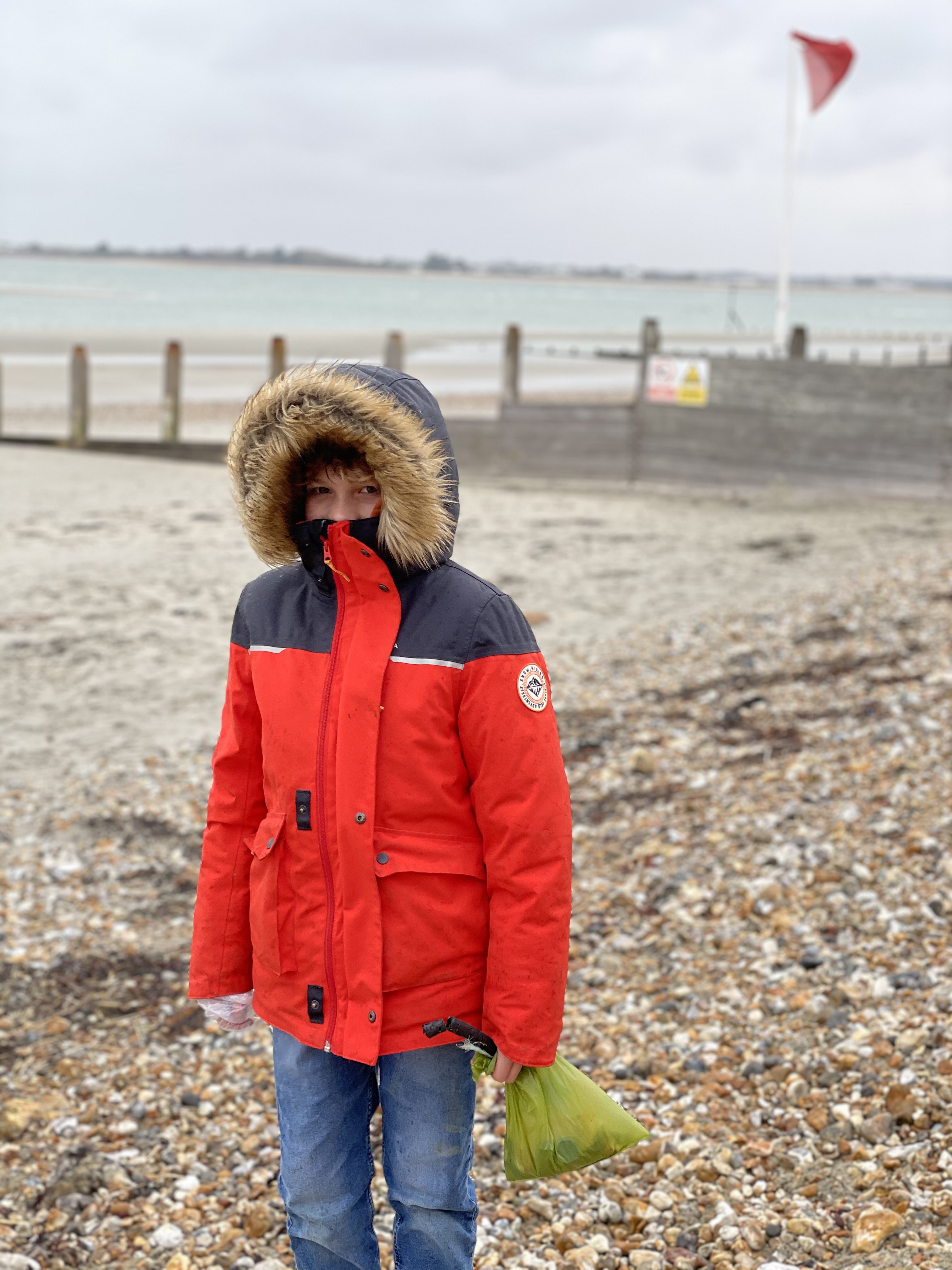
For the Volunteering section of the Bronze Award, Block 3 student Mo Griffiths wrote to West Wittering Estate to request permission to do some litter picking on West Wittering beach. They were very happy for Mo to litter pick at the beach and, as well as giving Mo a quick safety briefing before he set off, offered to lend him a litter picker. Mo wore gloves for the activity and chose to focus on picking up small pieces of plastic which don’t decompose and can stick around indefinitely, causing problems for marine ecosystems.
I look forward to seeing more students’ contributions to their DofE Award in the coming weeks.
By Feline Charpentier, 6.2 Houseparent and Teacher of Outdoor Work
In Living with the Land, our Sixth Form course that launched at the start of this academic year, we talk about the changing of the seasons a lot. About paying attention to the landscape around us, about how the land can influence our own state of mind, and help us be more present. The old calendars which celebrated the earth cycles, marking the four solstices and the four cross quarters, are often good for reminding us of the inevitable change that occurs all around us.
In the traditional calendar we are approaching one of the four fire festivals, a cross quarter moment in the year, known as Imbolc (or St Bride’s, or Groundhog Day, in the US). The other fire festivals are Beltane, Lughnasadh and Samhain. Imbolc this year occurs on the night of 1 February, going into the morning of the 2nd.
Looking out of the window it can seem that all of life is dreary, grey and wet, that there is little to hope for. We are all trapped indoors, and it can feel that spring may never come. And yet, all of life lies dormant beneath the soil. The trees hold the promise of buds, there are snowdrops beginning to flower. It is a matter of weeks before signs of life will begin to show.
Imbolc literally refers to ‘in the belly’, referring originally to lambing season, which would be beginning about now for many farmers, to the fertility of the soil, the imminent arrival of spring and all the life it brings with it. Our ancestors would have spent time reflecting on the year behind them, and planning the planting for the year ahead. They would have seen this time of year as a time to rest, to recuperate, to sleep and store energy for what was to come.
In some way our current confinement is exactly that, a time to rest, and plan for what lies ahead.
Although we all wish things were different and we might even be wishing the time away, there is hope to be found in the small things, in the inevitable turning of the earth towards the spring, in the time we have been gifted to reflect, to recuperate, to make plans, to hope.
Imbolc brings with it the opportunity to reflect on the darkness of winter, to draw breath and take stock, to prepare for the newness of the spring and summer ahead. To plant seeds, both literally and metaphorically, for the future. In our online ODW lessons we are baking, reading, crafting and making, planting seeds, planning what we will grow this year, looking forward to when we are all here again.
So maybe, this Imbolc, why not write your intentions for the year ahead, plant some seeds, bring a few sprigs of hazel inside to see the buds come out, or even make a solar (or St. Brigid’s) cross if you can gather some Rushes outdoors. Find instructions here.
Growing up on a dairy farm in Ireland, I never really went on holidays; there were always too many jobs to do. Our modest little farm here at Bedales is no different, and we had so much work planned for the Spring term. Jobs included laying the hedge along Emma’s Walk, coppicing another section of the sand quarry and pollarding the willow in Ruth’s Meadow. We had also planned blacksmithing, vegetable bed preparation, bee keeping, jam and marmalade making, spinning and weaving, not to mention all the jobs around the farm too. I should never have let the students go home for the holiday at the end of last term!
We are working hard on the theory aspects of all this necessary work, and trying to do as much online as we can. But getting cold, dirty and wet – and developing the resilience to work through it all – is one of the key parts of Outdoor Work, and not something we can easily replicate online.
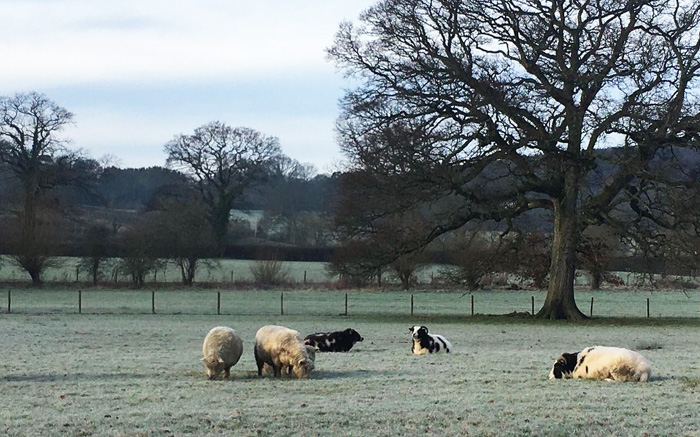
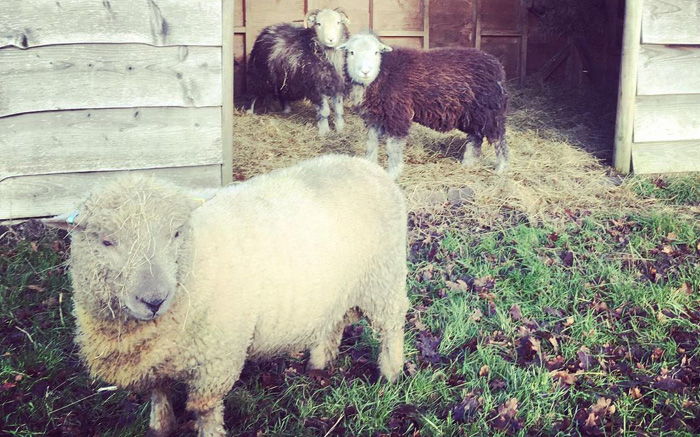
The animals on the farm are doing well. They are a bit fed up of the wet weather, but last weekend’s snow was a welcome break from the drizzle which saw a very entertaining snowball fight between the Southdown, Herdwick and Jacob sheep! They are all due to start lambing just after half term, and we will have a second round of lambing at the start of the Summer term with our main Jacob flock. Little Pig and Bessie are due to farrow towards the end of February, after we hired a big saddleback boar in October. We can’t wait to see the results of this crossbreeding.
Some very special and long awaited arrivals should also be joining us around February. They are the three Fs: Favour, Freya and Fingers, our ready-made Dexter herd. Favour is pregnant and due in April, Freya is the 10-month-old daughter of Favour, and Fingers is her cousin… Confused?! We are too, but we can’t wait to get these little cows settled in and ready for when you all return.
As always you can keep an eye on what we are up to by following us on Instagram and Twitter.
By Clare Gendy, Teacher of Business and Activities Coordinator
As Phil Tattersall-King wrote in the Bedales Online Learning Guide, the last time the school worked remotely, the co-curriculum flourished, with concerts, shows and practical work continuing throughout. Now is no different, but our vision is broader than it was before – and this is reflected in our activities programme, which has been finalised and is now underway.
Students of all age groups can get involved with activities, which operate on Teams in Garrett, Badley and Powell Times (8.20-9.20am, 12.30-1.30pm and 5.30-6.30pm respectively). There is a vast range of options to choose from, including crocheting, lego building, photography, yoga, poetry reading, cake making, mindful colouring, dog walking, football coaching and collaborative drawing. Students can continue with existing commitments, such as the Duke of Edinburgh Award (DofE), as well as explore something completely new, such as astronomy. As well as Junior and Senior Literacy Societies, Block 3 students are encouraged to attend a weekly book chat to share what they have been reading during lockdown.
There are opportunities for students to get involved in Drama’s Spring Production (whether as an actor or a member of stage crew), play an active role in the development of a new, live play, attend dance and drama industry workshops or take part in a lockdown dance project. Music activities, including Orchestra, Choir and Jazz Band, will also continue.
Take a look at the full activities programme here and do encourage students to drop-in, sign up and make the most of what our fantastic co-curriculum has to offer.
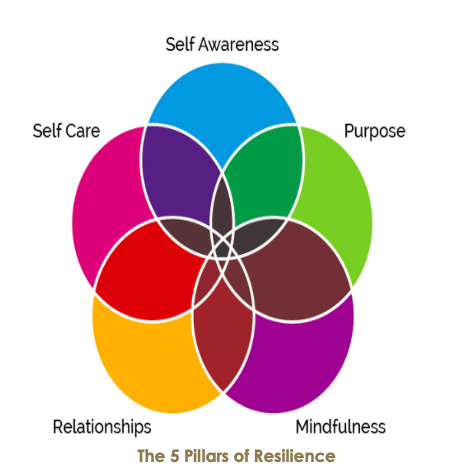
In Wellbeing, we are taking the opportunity during online learning to delve into the practical strategies that we should all have in order to cultivate a resilient spirit. Resilience is at the heart of wellbeing. Over the coming weeks, Blocks 3-5 will be focusing on practising the five pillars of resilience; fostering healthy emotional and mental health strategies for life; learning to manage the uncomfortable and struggles in life; mindfulness practice; and connection and support.
All five pillars of resilience are crucial, but in the coming weeks we will focus on developing self-awareness, self-care and mindfulness practice in our Wellbeing sessions. This week, Bedalians have produced a ‘Wellness Jar’ detailing the activities they are going to do on a daily and weekly basis (plus emergencies and treats) in order to be resilient, thus developing healthy emotional and mental health for life. Have a look at my Wellness Jar below. Students have been asked to share the contents of the Wellness Jar with their loved ones.
Additional strategies for fostering resilience discussed in our Wellbeing lessons have included the importance of keeping routines going – including 9-10 hours of sleep, meal times, exercise, play, cognitively stimulating activities, work and relaxation – so that days have rhythm and structure and are not spent inactive. Endless time without structure, meaning and purpose is unhealthy for the body and mind.
There are a number of resources available for parents and teenagers for mental/emotional health issues. Young Minds has a free helpline for parents (0808 802 5544, available 9.30am-4pm, Monday to Friday), as well as a useful website. Helpful information can also be found on the Royal College of Psychiatrists website. Young people can access support from helplines, text lines and online chat services at any time – Childline (0800 1111), Young Minds Crisis Messenger (text YM to 85258) and the Mix (0808 808 4994).
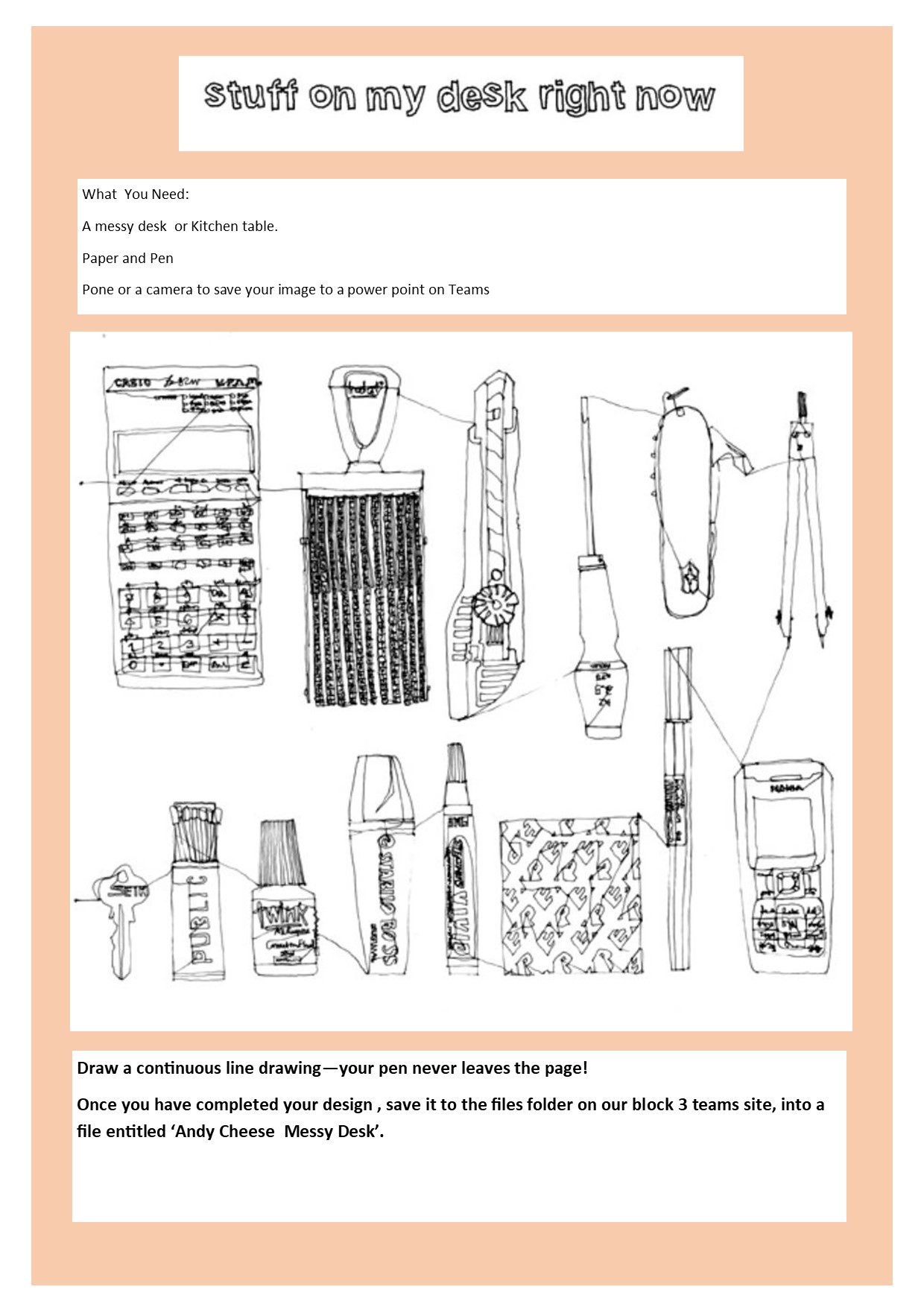
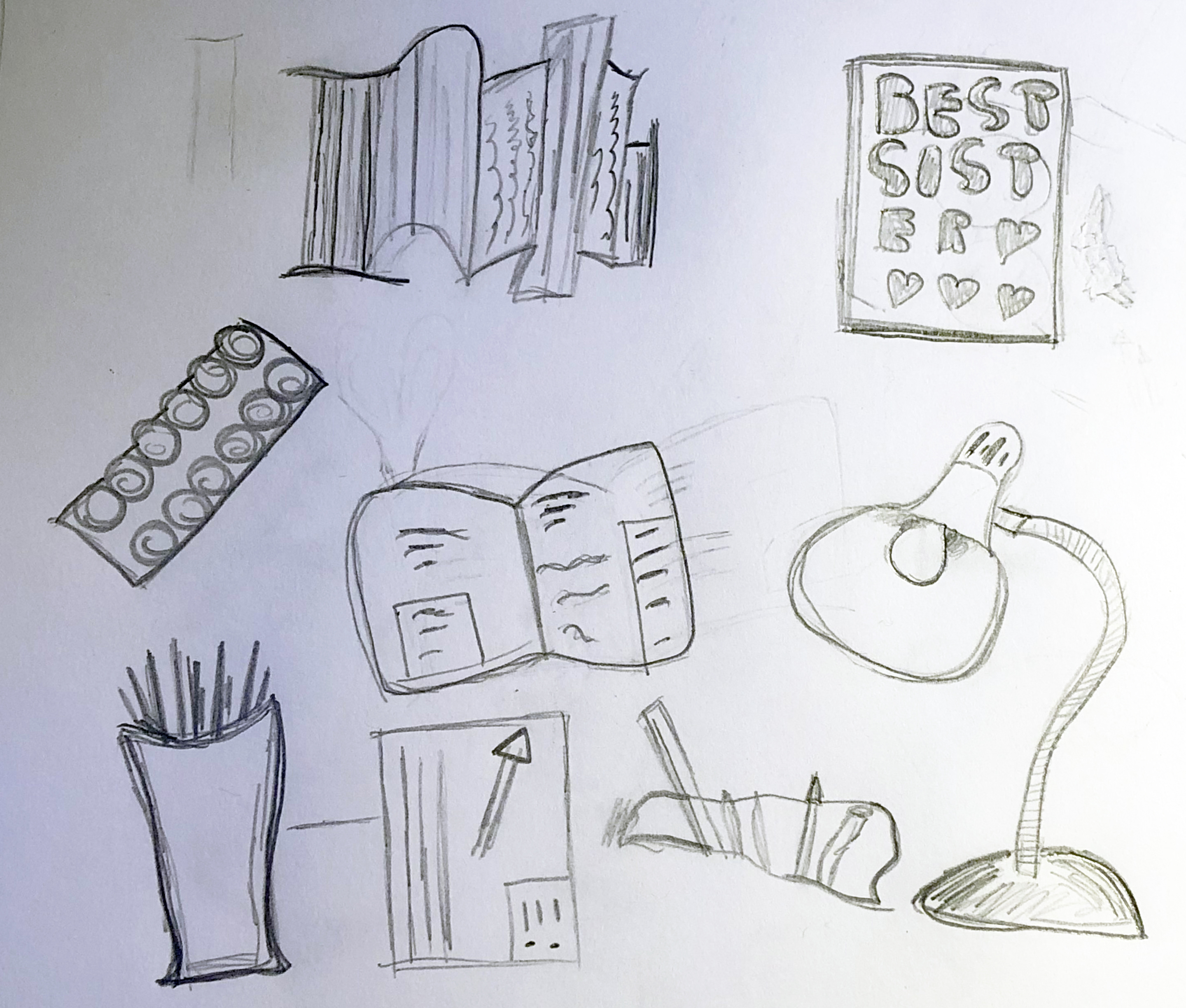
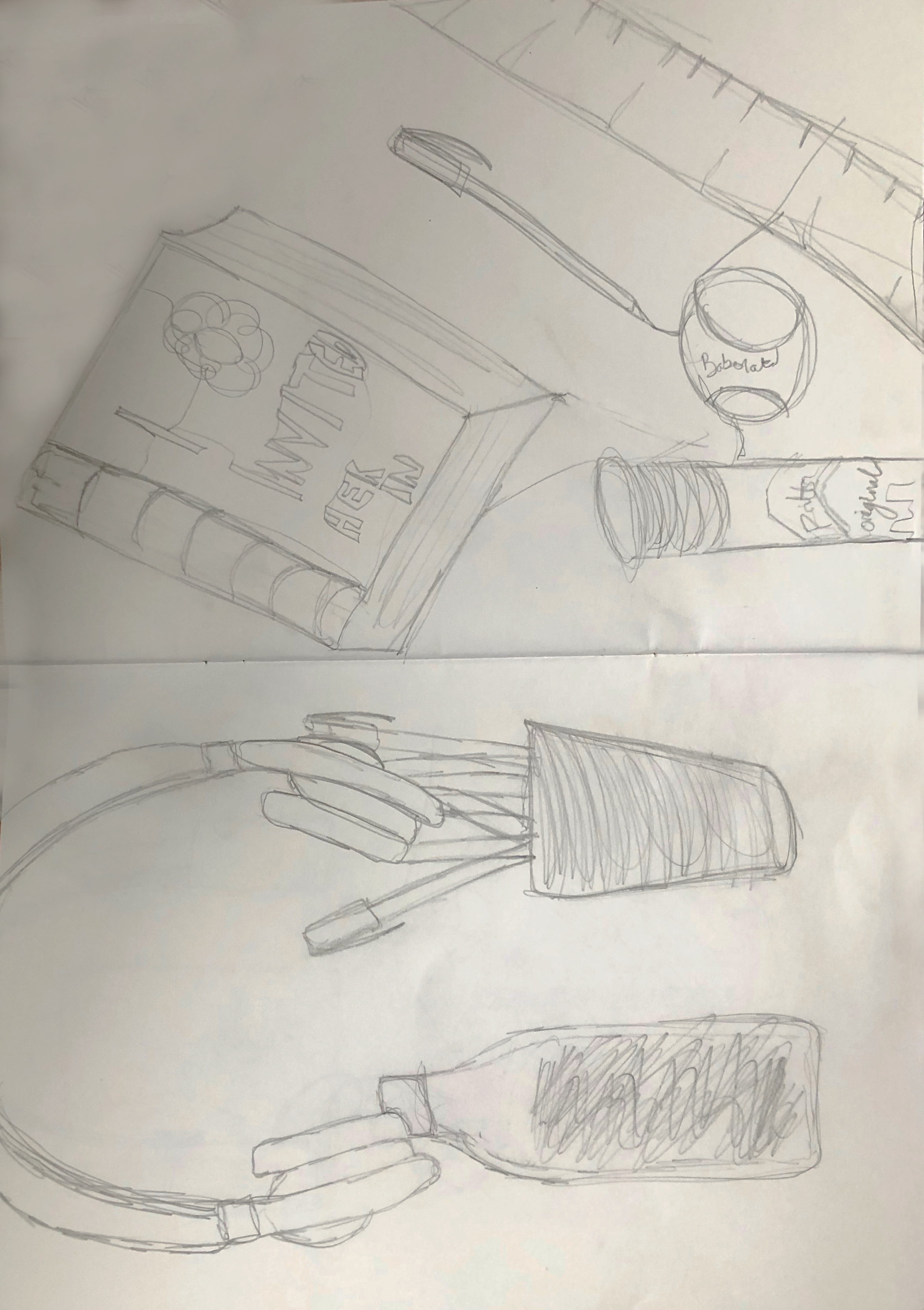
Block 3 started their online Art lessons last week with a continuous line drawing exercise entitled ‘Messy Desk’. For this task, I asked students to draw a messy desk or kichen table, ensuring their pencil never left the paper. The students really enjoyed trying out this technique and produced some great drawings.
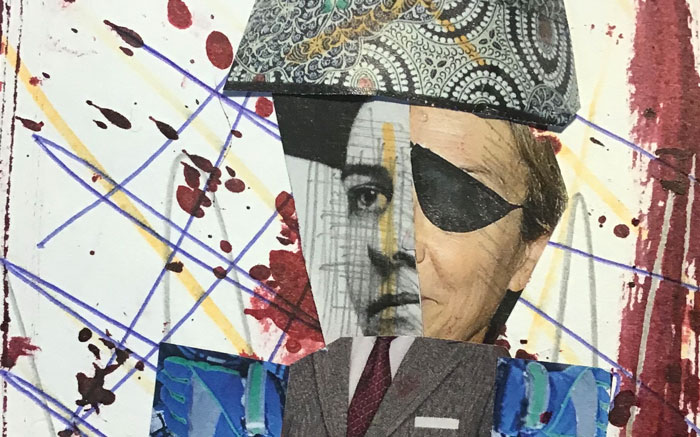
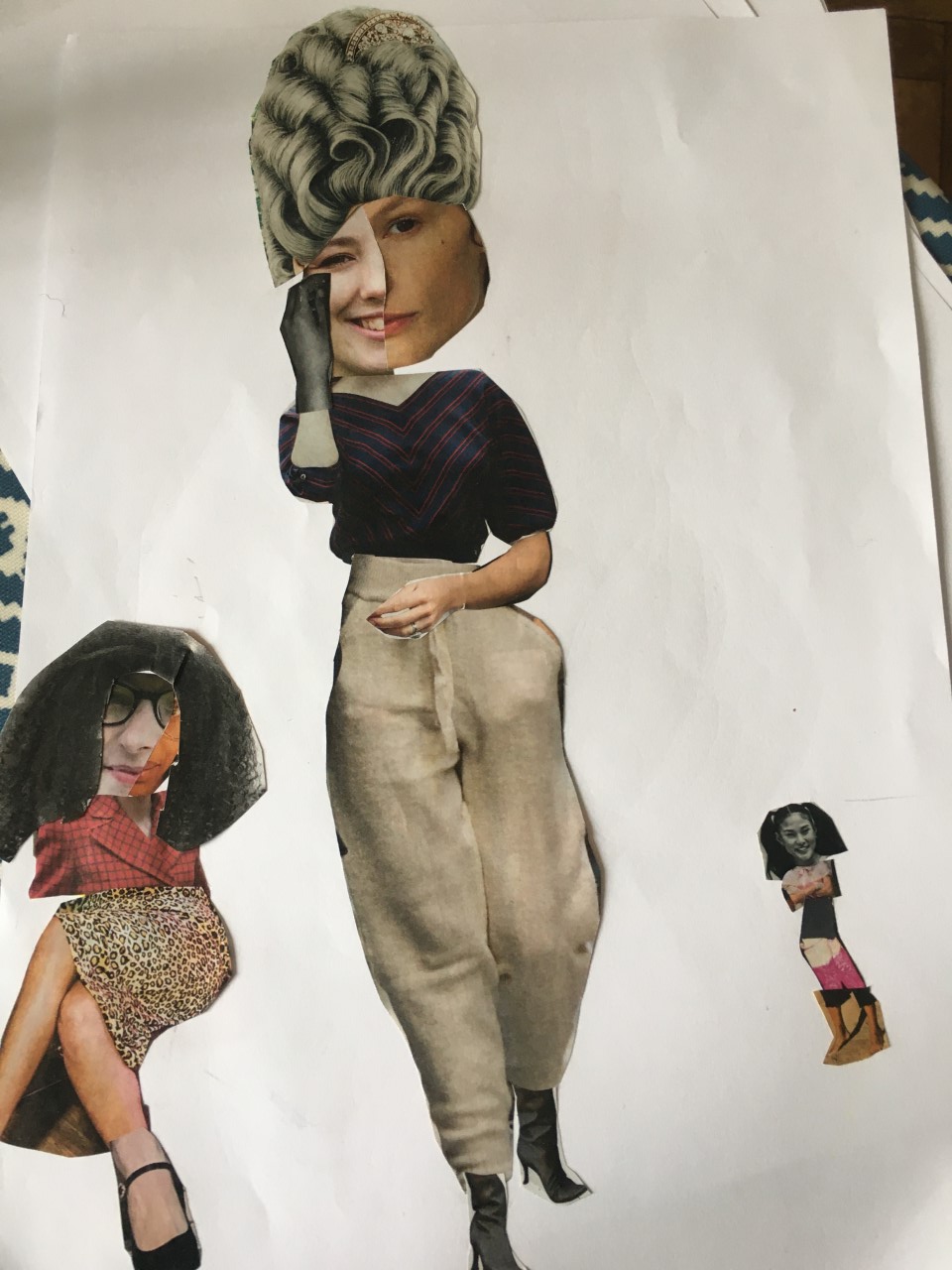
This week, we moved on to ‘exquisite corpse’, a method which was very popular in the early twentieth century with Surrealist poets and visual artists, who worked collectively to assemble words or images into a collage. I asked students to use this method themselves to make a three-part montage. They had a lot of fun putting these together and the results are really striking.
Throughout the Autumn term, the industry based drama Wednesday workshops have continued, a wonderful opportunity for students to meet and hear from experts in the field.
Actor and drama school audition coach Martha Dancy has continued to work with 6.2 students who are looking to further their study after Bedales to prepare for a career in drama. Her help and guidance has been wholly appreciated by myself and the students, especially this year when the audition process is more varied and virtual than before.
Our ultimate Wednesday workshop was a real treat. The kindness of professionals in the field during these challenging COVID related times has astounded me. How gracious and giving they have been with their time and how willing they have been to share their expertise. Kate Winslet encompassed this and more. She approached me to ask what she could do to help the Drama department and subsequently gave her up her afternoon to inspire our students with her top tips. These will stay with them, I am sure, for a lifetime, but what will also stay with them was her wonderfully open, honest and down to earth manner which I and they appreciated so much.
Read students’ accounts of the workshops below.
By Caitlin Layhe Nugent, 6.2
In our first week, Martha talked us through personal statements and how to tailor them to conservatoires. Her insight on the drama school application process is invaluable and we’ve been incredibly lucky that she was kind enough to set time aside to teach us about that process and how it differs from place to place and how best to meet those needs.
By August Janklow, 6.2
Our third session was focused on self tapes. Martha ran us through the proper techniques to use when filming such as: lighting, angle, and eye line. We were instructed to deliver our lines as if there was someone sat behind the camera, reason being that our faces had to be in full focus. This among other things helped us feel more comfortable approaching drama school applications this year.
By Gus McQuillin, 6.2
A Shakespearean monologue properly prepared, is a great way of impressing a drama school during their auditions. Following a few previous sessions with Martha, she had got to learn more about me and how I generally behave and act as a person. This then enabled her to suggest a piece from Romeo and Juliet that she thought would be a good mix of familiarity but also challenging enough that it isn’t staid and obvious. We were happy with Romeo and Juliet as I know the play, the plot and the dynamics between the characters and their relationships. Martha gave me some fantastic tips to help me become more comfortable with the piece. One was to look up the definition of any words that I didn’t completely understand, allowing me to see how they make sense and then form a coherent speech. She also advised that I completely translate the piece into my vernacular thereby basically modernising the piece so that I could conceptualise how the words might have been said in their time.
By Kit Mayhook-Walker, 6.1
On 9 December, Bedales Drama students were treated to a Wednesday workshop with the Oscar-winning actor, Kate Winslet. During the two and an half hour workshop, Kate answered students’ questions in great detail about her early acting career, the steps she takes getting into character, her favourite performances and her thought-processes behind her performances. She also led a short, scripted scene from the play The White Bike, which was previously a BAC scripted piece. She asked the two actors on stage various questions ranging from when did the characters meet to what their driving ambitions are, as a way of getting behind a character and grounding them in realism. This was followed by an improvisation with a 6.2 drama student where the audience gave them all the information; their names, ages, jobs, the scenario the scene takes place in. Everyone in attendance found this workshop extremely helpful for their future dramatic projects and we hope to see more of Kate in the New Year.
Last Thursday, the 6.1 girls played against the 6.1 boys in what has now become an annual fixture for this cohort, having originated in Block 3.
Having won the last three years, the boys approached the game with confidence, possibly neglecting some valuable preparation time and were caught on the hop as the girls came flying out the blocks. Goalkeeper Patrick Bell and the central defensive pairing of Bade George-Coker and Archie Tier were the saviours for the boys’ team. However, with relentless attacking pressure from the girls – in particular Alisia Leach, Sasha Arney and Mathilda Douglas – it was only a matter of time before the deadlock was broken, with Alisia flicking in a low, powerful shot from a short corner to the delight of a partisan crowd.
An inspirational half-time team talk from the managerial team of Joseph Thanki and Harry Hornsby saw the boys’ team start the second half with renewed vigour. Despite this, and the skilful, quick attacking exploits of Paddy Arrowsmith, Joe Withers and Jamie King, the girls remained resolute, with Esther Stewart and Shanklin Mackillop-Hall, as ever, providing a calming influence at the back. As the boys’ fitness levels began to drop the girls’ side came into the game more and more. Increasing influence from Gala Pearson and Fleur Donovan ensured the girls side retained more attacking possession. Despite one last breakaway attempt from the influential Cosmo Hurwitz, the girls’ team held their nerve to emerge victorious.
Once again a really enjoyable game. Bring on the final game in 6.2…!
By Cheryl Osborne, Teacher of Biology and Careers Advisor
This term has been a busy one for the Professional Guidance department. Firstly, students from Blocks 3 to 6.1 have signed up to the online Unifrog platform. Unifog describes itself as “a one-stop-shop where students can easily explore their interests, then find and successfully apply for their next best step after school”. Students in these year groups are receiving support from their tutors to access the platform and complete tasks, such as recording their activities and hobbies, during Tutor Time. As well as this, Block 4 receive half a term of careers sessions with me during Badley Time, during which they have used Unifrog to investigate their wider interests and personality traits, search careers that match their strengths, start recording their employability skills/competencies, look at CVs and learn about apprenticeships and how to find one.
At the beginning of term, Block 5 completed their MyFutureCareers assessments and interviews to aid them with their A Level choices. I followed up on this later in the term, offering students support sessions on Wednesday afternoons. Students in 6.1 have been shown how to use Unifrog to search for degree courses, alongside advice about what they need to be doing over the coming year to prepare themselves for life after Bedales.
Many 6.2 students have been completing university applications, working closely with both their students and Head of Professional Guidance Vikki Alderson-Smart. Students have already started receiving offers and a number have had online interviews for courses that require them. Sarah Oakley has been supporting overseas applicatons and the Art, Design, Music and Drama departments have been working hard helping students with conservatoire and foundation applications.
Work with each year group will continue next term. Vikki will start interviewing all 6.1 students to find out what their post-Bedales thoughts are. These discussions will be on-going with their tutors.
Whilst we would hope that 6.1s will be able to visit universities next year, we will also be advertising virtual events. Two such events are the UK University & Apprenticeship Search Virtual Fair on 27 January, featuring a vast array of exhibitors and ten vital webinars (students and parents can find out more and sign up here) and a Meet the Russell Group virtual event on 10 February. This event will feature all 24 universities and essential webinars for students considering applications to these institutions (students and parents can find out more and sign up here).
This week, Block 5 and 6.2 students took part in a four-night run of this year’s Autumn production, ‘Constellations’ by Nick Payne. Due to ongoing restrictions, two duplicate casts of eight performed alongside dancers in the Theatre, with two of the performances livestreamed for parents at home.
By Isobel de Gier, 6.1
Watching Block 5 and 6.2’s nuanced and detailed approach to Nick Payne’s Constellations – aided by Hayley Cole’s directorial work – was a joy. Between the many interpretations of protagonists Marianne and Roland, played by the electric Ella Peattie and captivating Nay Murphy, there were multiple humorous moments. The play then quickly juxtaposed those comical elements with tender and heart-breaking scenes of the characters’ future selves.
The play masterfully toyed with light and shade, enrapturing its audience. The experience was immersive and the audience laughed, cried and became enraged alongside the characters – with every smile, laugh, or frown of the many versions of Marianne and Roland, the audience was enveloped deeper. This is not only a testament to the subtle and refined acting style, but the beautiful LED lit set, the bewitching dancing by Lucy Albuquerque and Mathilda Douglas and masterful directing. If you did not see the many parallel universes of Marianne and Roland, you really did miss out.
By Aria Taheri-Murphy, 6.1
On Tuesday, the second cast of Constellations performed an amazing representation of raw love, shown through the perspective of many versions of Marianne and Roland. The audience watched the variety of ways their love unfolded in the different scenarios, however as the play reached its conclusion all the main plotlines merged into one story.
Not only were the actors amazing, but the set was incredible, set on different levels with small light-up hexagons beneath each level. These related to the hexagon projections across the stage. Projections of drawings and maths equations were used throughout the performance and as the audience began to understand the characters the hexagons became very significant.
The dancing added an exciting new element, this too was socially distanced, but this did not affect the quality of their work. Two A Level Dance students performed throughout the play, expressing the characters’ frustration, love, grief, and pain. The actors clearly showed these emotions, however there were times where the dance could truly show the raw feelings the characters were trying to hide. Overall, the acting, directing, staging and choreography was amazing and created a hard-hitting love story which didn’t need to be shown physically, much like the National Theatre socially distanced performance of Lungs.








 Bedales School Blog
You must be logged in to post a comment.