A letter to 6.2 A Level English

By Julia Bevan, Teacher of English

For the past two years, I have been in the unusual position of teaching a whole cohort of A Level English students. What a privilege this has been; first to get to know you all last year through studying the contemporary Poems of the Decade and an evening with Julia Copus, and then to guide you through some of the pressures of online learning.  

Certainly, my most fulfilling teaching moments last spring involved supporting many of you as you wrote your coursework essays. We worked together, adopting university-style tutorials that were really conducive to the task at hand. In this intimate learning environment, you rigorously dismantled and reassembled your analytical arguments, embedding close textual analysis and context into essays, and become young but impressive scholars of Seamus Heaney, and Arundhati Roy. It is wonderful that I have taught one or two of you since Block 4 and that a number of you are now determined to study English at university: what more could a teacher want?

In the autumn term of this academic year your focus and determination were remarkable. At times as a teacher managing the new COVID secure protocol on site was tough; but it was worth it so that I could introduce you to Mrs. Dalloway by Virginia Woolf in person and watch you draw comparisons between this novel and her older sister Wuthering Heights. Both novels deal radically with early forms of mental health, a subject on which you often edify me.You demonstrated such maturity and sensitivity in November, embracing hybrid teaching early on so that those of you at home self-isolating could stay part of the class discussion. You make me very proud and are a credit to your parents.

I believe passionately that we learn much from creating peak experiences inside and outside the class room and I had hoped to take you on a weekend trip to Haworth in Yorkshire, to visit the Parsonage where Emily Bronte died and to walk up onto the Moors to Top Withens, a remote, abandoned farm considered to be the inspiration for her only novel. Instead we returned to our homes and computer screens and I have had the challenge of trying to inspire you with the poetry of John Keats. 

A poet of the senses, he is a joy to teach in the winter and early spring in Steep, ideally in the Meditation Hut or the Lupton Hall, where two years ago I launched the first ‘Eve of St Agnes Experience’ with Lucy McIlwraith. 

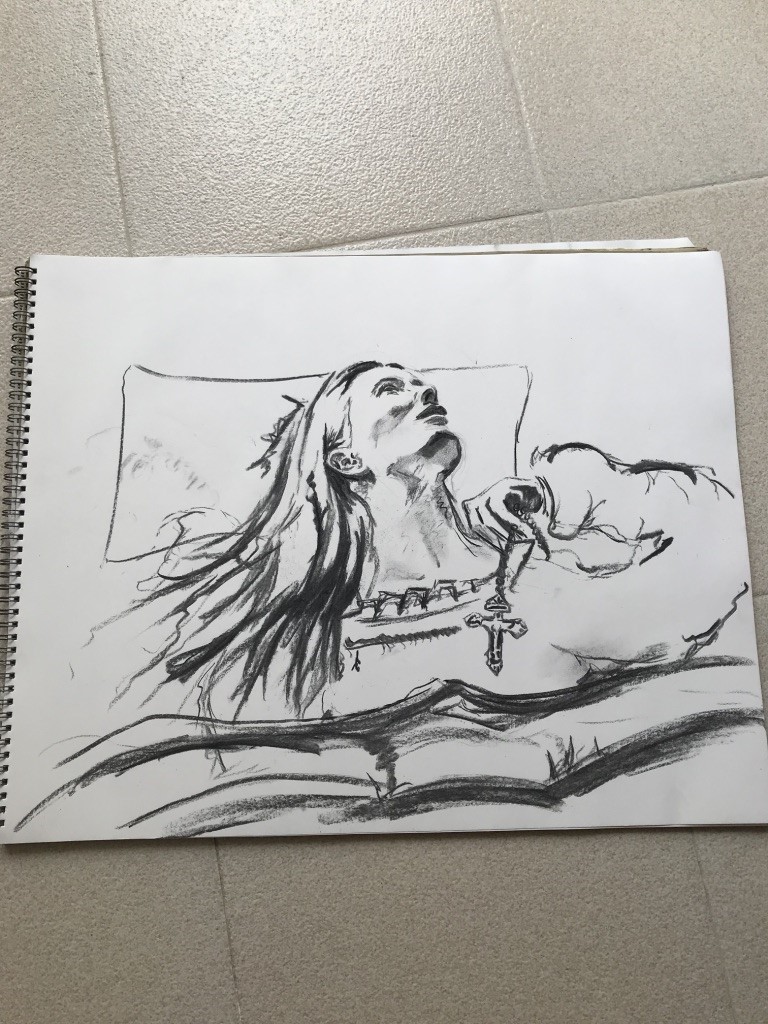
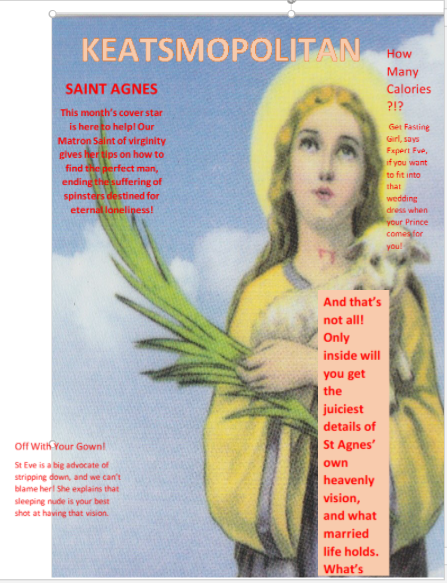
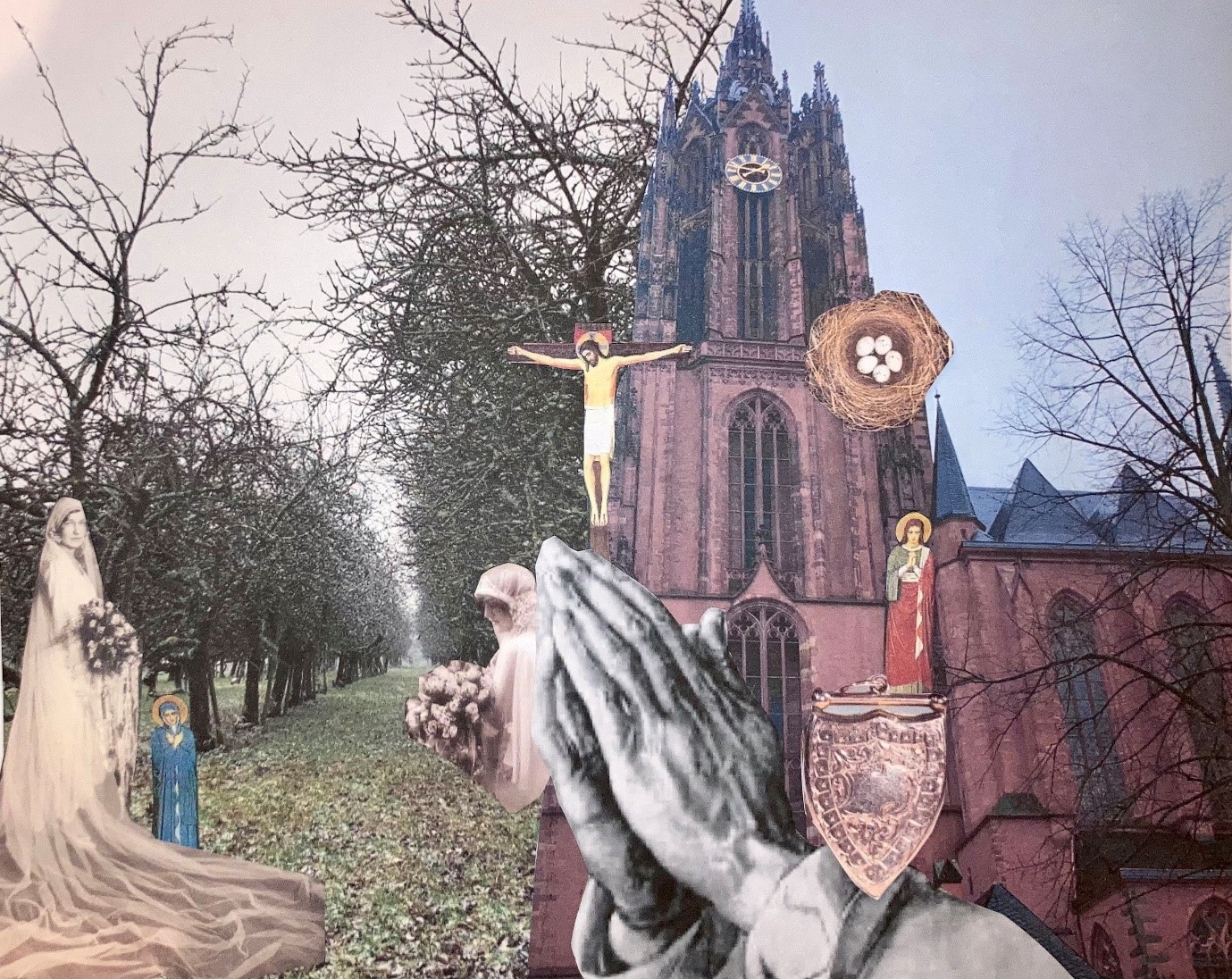
This year I asked you to work on collaborative creative responses to the poem and I have been amazed at what you have achieved from homes many miles apart. Your original work neatly coincides with the publication of an essay entitled ‘Weavers of Dreams in The Eve of St Agnes and A Midsummer Night’s Dream‘ in the English and Media Centre EMAG, co-authored with my partner in Keatsian crime, Lucy. I’ve decided this will be my third and last Keats’ experience, and hope to teach Shakespeare next year. It makes sense to end on such a high.

To all of my 6.2 English students: thank you. “St Agnes moon hath set.” 
A changing approach for Further Maths

By James Welham, Head of Maths

With around 90,000 students in the UK opting for A Level Maths, and around 15,000 of those opting for Further Maths, Maths remains a popular choice, both at Bedales and in the UK, and highly regarded by universities.
 
Up to now we have taught Further Maths distinctly from Maths: different classes ensuring that those opting for further mathematics were taught separately. In 6.1, Further Maths students completed the Maths A Level, waiting until 6.2 to start – and complete within the year – the Further Maths A Level. Whilst this approach has many merits, it also has some negative impacts on both groups of students.
 
I am deeply conscious of the challenges that the current Block 5 students have faced.  Two periods of national lockdown and the uncertainty of grades this summer has meant that students starting their studies in September will do so from a very different point than might have done under normal teaching conditions.  With that in mind, giving students the best possible chance to succeed with maths has never been more important.  Therefore we are going to change the way we teach Further Maths next year.

Students opting for Maths and Further Maths in September will learn both A Levels in parallel. In 6.1, students will start both the Maths and Further Maths A Levels, taking the full two years to complete both courses.  They will learn mathematics alongside single maths students, mixing with their peers and importantly taking time to revise and build upon their work at IGCSE.  In Further Maths classes they will study Core 1, the first of the two compulsory modules, and be introduced to topics such as Complex numbers and Matrices.  They will also study Decision Mathematics, a new area of mathematics for many and one with applications to computer science.  Studying these two modules in 6.1 offer an early opportunity for pupils to be introduced to some interesting and challenging ideas whilst exploring new areas of maths.  In 6.2, students will complete their study of Maths and study two more modules, so completing Further Maths.

For those students whom this will affect, I hope that this explanation will bring both clarity and a sense of excitement about what next year might hold.

A selection of Sixth Form Art

By Andy Cheese, Teacher of Art

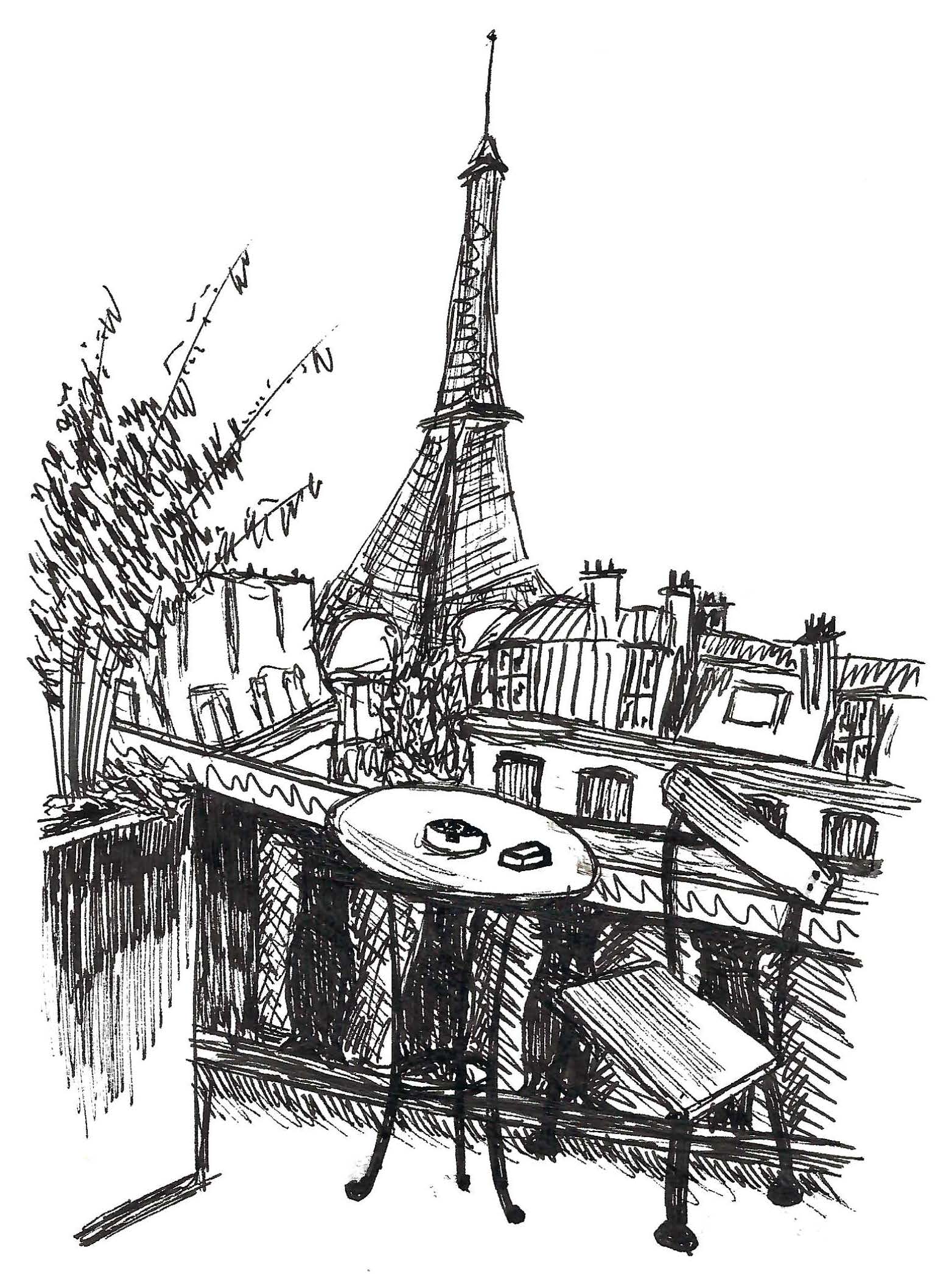
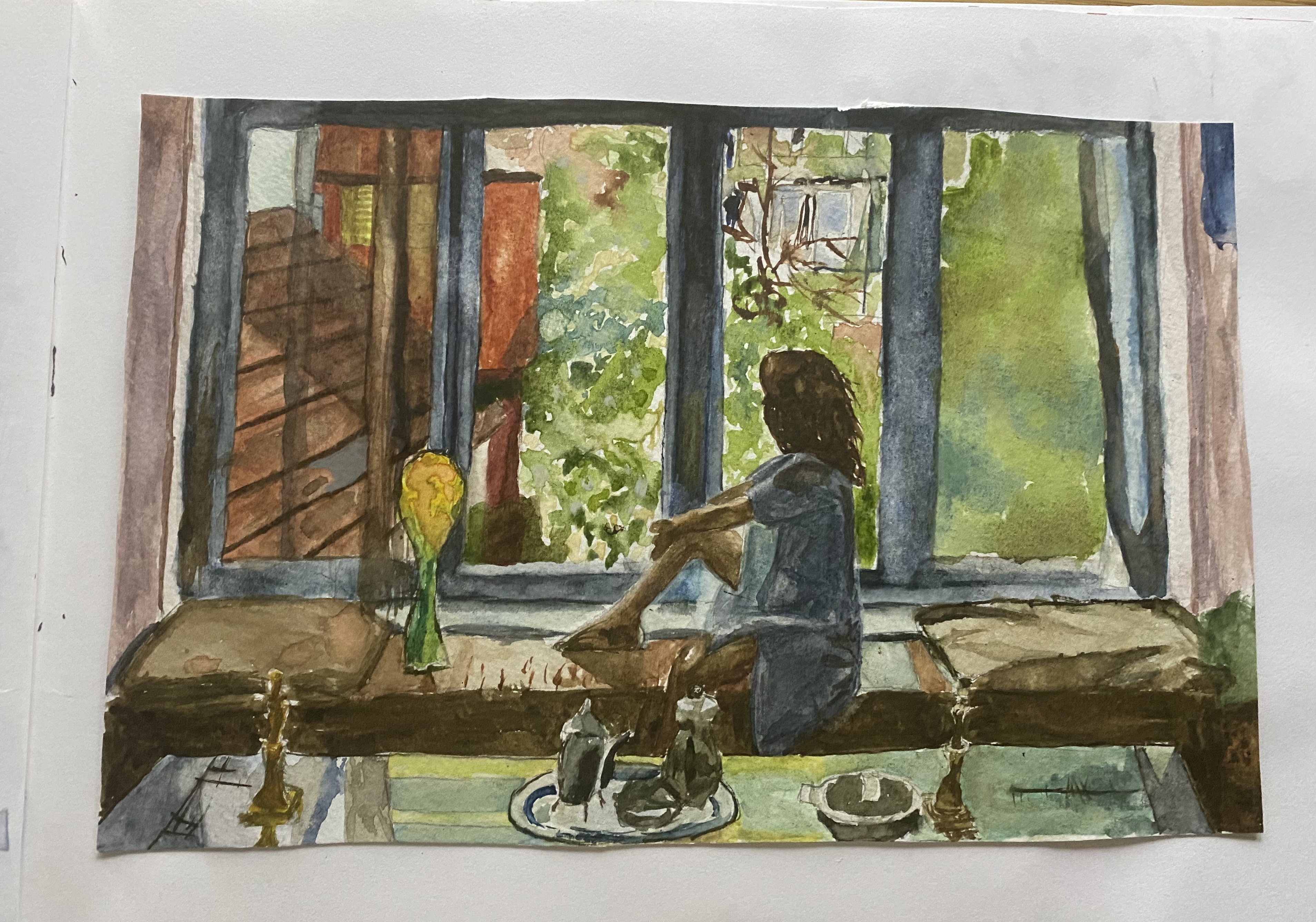
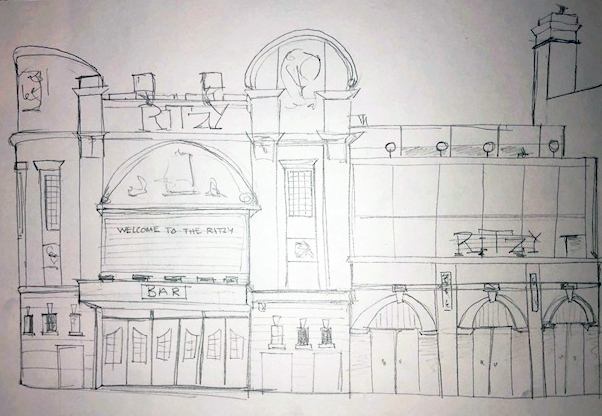
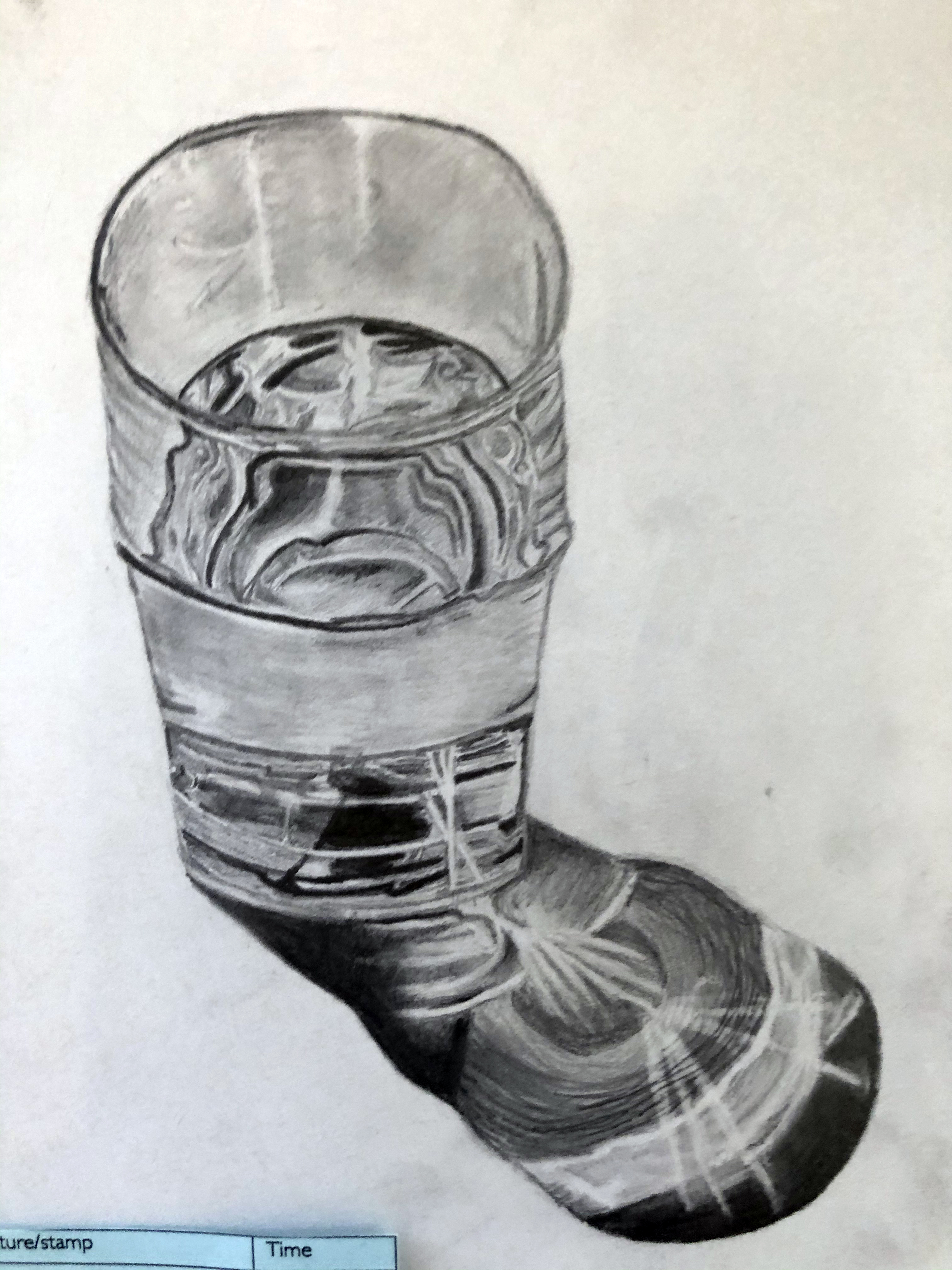
In this week’s Art update, I’m sharing some work from our Sixth Form students. These pieces are part of the work set over the Christmas holiday – some are prep and others are the students’ responses to mock exam papers. While online learning comes with its challenges, Art lessons have been very positive so far. See more of the students’ artwork below.

Filmmaking, comic strip designing, podcast recording and lecturing – English students embrace online learning

By Lucy McIlwraith, Teacher of English

As teachers, we’re very aware of the problems associated with screen-time and have been looking for ways to have students present their ideas that don’t involve toiling in the blue light of their laptops. So, over the last few weeks of online learning, Bedales students have had lots of opportunities to present their work in all sorts of ways. Here are a few of the things students have been doing with the English department.

In Block 3, students have been producing their book reviews as short films, some of which you can see here.

The Block 4 English Language students have been studying a variety of 19th century fiction genres and learning about what has made novels so successful. As part of this, many of them have been asked to make comic strips or Gothic films as a way to understand just why isolated castles, terrible weather and mysterious strangers have become such integral parts of Gothic literature. You may remember this is something we did with last year’s Block 4s in the summer term so maybe we have the makings of a yearly film festival at Bedales! See some great examples from Julia’s class here.

6.1 English Literature students are currently studying A Streetcar Named Desire and have been given a choice of performance tasks. We have some students writing re-creative scenes, re-imagining Blanche, Stanley and Stella in different times and places; some aim to learn and perform a key speech of one of the main characters with costume and full dramatic effects; others are working on mini-lectures about themes and ideas in the play such as how music is integral to an audience’s experience of the play in the theatre. 

Block 5 and 6.2 students have been preparing for internal assessments but they have still been able to get away from their screens to produce useful revision materials for each other. Block 5 have produced informative documentaries about something they know well such as climate change or chicken-keeping in order to practise the skills they need for paper 2 of their GCSE English Language exam.

Meanwhile, 6.2 English Literature students have been busiest of all, making lectures about ‘Othello’ either as audio files or filming themselves (in Jago’s case, filming his hands making meticulous notes!) 

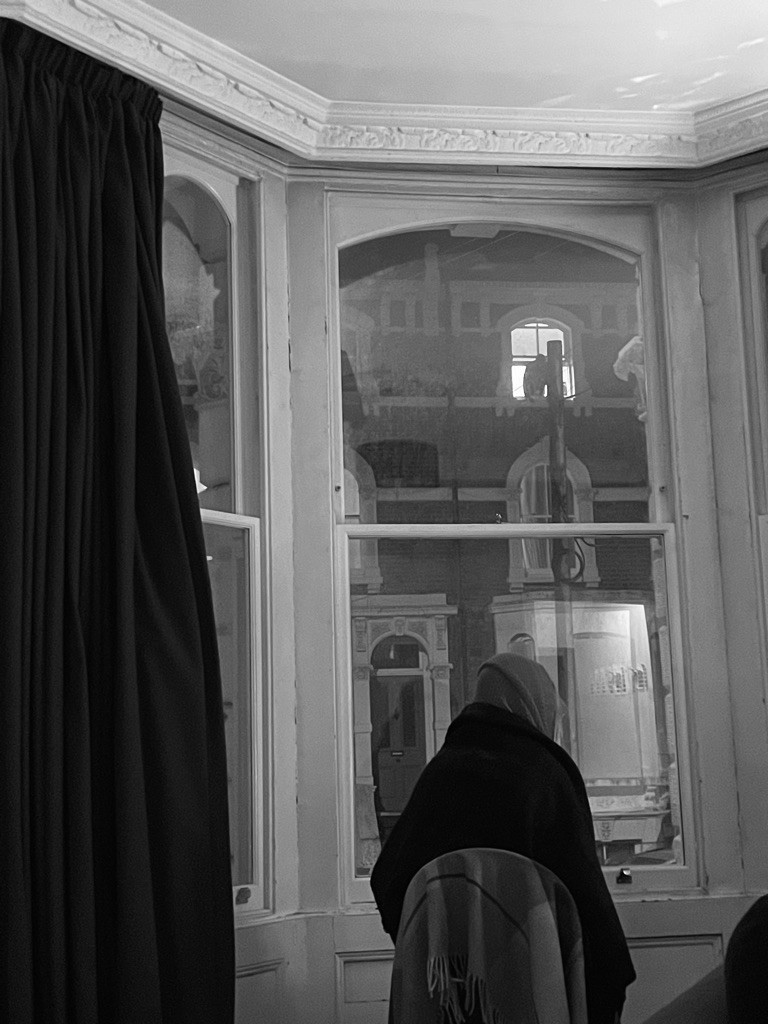
The pièce de résistance, though, will doubtless be the now traditional Eve of St Agnes Experience which this year has had to undergo some changes. Unfortunately, we can’t recreate the midnight feast enjoyed by the poem’s characters Madeline and Porphyro in the same way as in previous years, but can still wish ourselves into their world with photos re-creating key scenes and poetry workshops writing verses we think Keats would have included if he could! Look out for more on this from Julia in next week’s Bulletin.

Professional Guidance at Bedales – Autumn update

By Cheryl Osborne, Teacher of Biology and Careers Advisor

This term has been a busy one for the Professional Guidance department. Firstly, students from Blocks 3 to 6.1 have signed up to the online Unifrog platform. Unifog describes itself as “a one-stop-shop where students can easily explore their interests, then find and successfully apply for their next best step after school”. Students in these year groups are receiving support from their tutors to access the platform and complete tasks, such as recording their activities and hobbies, during Tutor Time. As well as this, Block 4 receive half a term of careers sessions with me during Badley Time, during which they have used Unifrog to investigate their wider interests and personality traits, search careers that match their strengths, start recording their employability skills/competencies, look at CVs and learn about apprenticeships and how to find one.

At the beginning of term, Block 5 completed their MyFutureCareers assessments and interviews to aid them with their A Level choices. I followed up on this later in the term, offering students support sessions on Wednesday afternoons. Students in 6.1 have been shown how to use Unifrog to search for degree courses, alongside advice about what they need to be doing over the coming year to prepare themselves for life after Bedales.

Many 6.2 students have been completing university applications, working closely with both their students and Head of Professional Guidance Vikki Alderson-Smart. Students have already started receiving offers and a number have had online interviews for courses that require them. Sarah Oakley has been supporting overseas applicatons and the Art, Design, Music and Drama departments have been working hard helping students with conservatoire and foundation applications.

Work with each year group will continue next term. Vikki will start interviewing all 6.1 students to find out what their post-Bedales thoughts are. These discussions will be on-going with their tutors.

Whilst we would hope that 6.1s will be able to visit universities next year, we will also be advertising virtual events. Two such events are the UK University & Apprenticeship Search Virtual Fair on 27 January, featuring a vast array of exhibitors and ten vital webinars (students and parents can find out more and sign up here) and a Meet the Russell Group virtual event on 10 February. This event will feature all 24 universities and essential webinars for students considering applications to these institutions (students and parents can find out more and sign up here).

We wish you all a restful Christmas.

“Nuanced and detailed” take on Nick Payne’s ‘Constellations’

This week, Block 5 and 6.2 students took part in a four-night run of this year’s Autumn production, ‘Constellations’ by Nick Payne. Due to ongoing restrictions, two duplicate casts of eight performed alongside dancers in the Theatre, with two of the performances livestreamed for parents at home.

By Isobel de Gier, 6.1

Watching Block 5 and 6.2’s nuanced and detailed approach to Nick Payne’s Constellations – aided by Hayley Cole’s directorial work – was a joy. Between the many interpretations of protagonists Marianne and Roland, played by the electric Ella Peattie and captivating Nay Murphy, there were multiple humorous moments. The play then quickly juxtaposed those comical elements with tender and heart-breaking scenes of the characters’ future selves.

The play masterfully toyed with light and shade, enrapturing its audience. The experience was immersive and the audience laughed, cried and became enraged alongside the characters – with every smile, laugh, or frown of the many versions of Marianne and Roland, the audience was enveloped deeper. This is not only a testament to the subtle and refined acting style, but the beautiful LED lit set, the bewitching dancing by Lucy Albuquerque and Mathilda Douglas and masterful directing. If you did not see the many parallel universes of Marianne and Roland, you really did miss out. 

By Aria Taheri-Murphy, 6.1

On Tuesday, the second cast of Constellations performed an amazing representation of raw love, shown through the perspective of many versions of Marianne and Roland. The audience watched the variety of ways their love unfolded in the different scenarios, however as the play reached its conclusion all the main plotlines merged into one story.

Not only were the actors amazing, but the set was incredible, set on different levels with small light-up hexagons beneath each level. These related to the hexagon projections across the stage. Projections of drawings and maths equations were used throughout the performance and as the audience began to understand the characters the hexagons became very significant. 

The dancing added an exciting new element, this too was socially distanced, but this did not affect the quality of their work. Two A Level Dance students performed throughout the play, expressing the characters’ frustration, love, grief, and pain. The actors clearly showed these emotions, however there were times where the dance could truly show the raw feelings the characters were trying to hide. Overall, the acting, directing, staging and choreography was amazing and created a hard-hitting love story which didn’t need to be shown physically, much like the National Theatre socially distanced performance of Lungs.

Dancing in the style of Richard Alston

By Soph Baty, 6.2

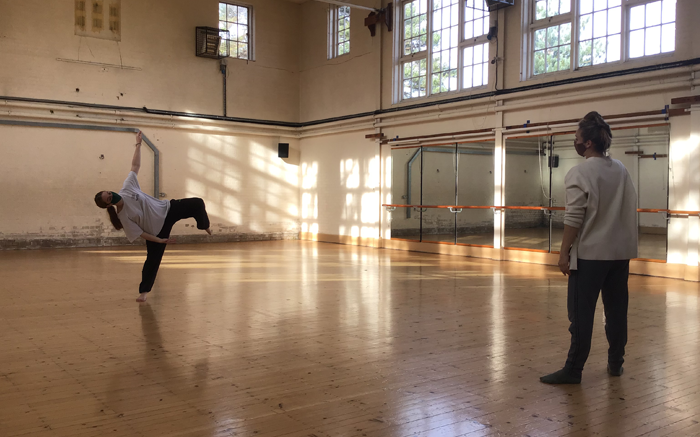
On 13 November, the professional dancer Hannah Kidd came into school to help me, Evie Adams and Mathilda Douglas with our solo choreography, which will go towards our final A Level Dance grade. Hannah previously worked for the Richard Alston Dance Company from 2007-2013. Richard Alston is the practitioner all three of us have chosen to base our solos on and his movement and choreographic style is key to this piece of work.

During the 1.5 hour rehearsal with Hannah, she helped me adapt the way I perform my movements to be more like Alston, focusing the arms and legs within every movement and going further than I thought I could within the solo. I learnt that I need to keep a strong stamina throughout my solo and adjusted small details to help project his style.

Evie said: “I found the session extremely useful. It helped me gain greater insight into Richard Alston’s style. We went through my solo and adjusted small details to help project his style. The main aspect I took away from the session was the contrast between relaxation and linearity in the performance of the piece.”

Mathilda said: “Hannah helped me realise how important the use of focus is within Richard Alston’s style. Richard has many different aspects of dance styles and Hannah helped me incorporate them all within my piece.”

Overall, Hannah’s input helped push all of our solos to the maximum and aided us greater insight into Alston’s style. It was an amazing opportunity for us to receive support and constructive criticism from Hannah who has danced for Alston before. This experience has definitely made a huge impact to how we will perform our movement and choreography within our solos.  

Block 5 vs. 6.2 Football

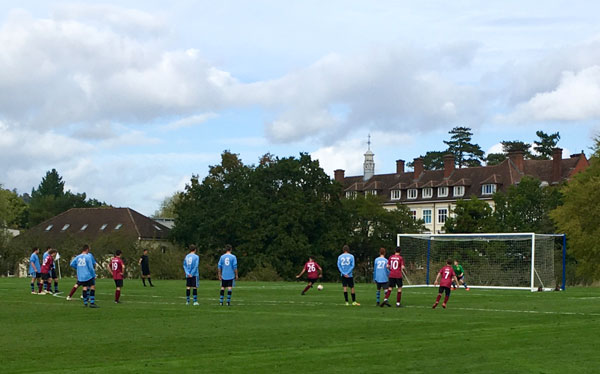
Jac Wheeler converts his penalty in the inaugural Block 5 vs 6.2 football match

By Kevin Boniface, Head of Hockey

Wednesday saw the inaugural Block 5 vs. 6.2 football match take place, with two contrasting match preparation techniques clearly in evidence. The Block 5s arrived early in a ‘fresh out of the packet’ kit and warmed up well as a team. The 6.2s took a different approach, choosing to conserve energy pre-game before being shepherded into position by player-manager Sam Wheeler.

This approach from the 6.2s paid dividends in the early part of the game as Guido Sforni slammed the ball home from a goal mouth melee. The game ebbed and flowed from this point but an over-enthusiastic challenge in the box from 6.2 Charlie Abbott left little choice for League 1 referee Greg Read to point to the spot. Jac Wheeler duly stepped up and calmly slotted the ball home.

Block 5 started to gain increasing control of the game and Jac Wheeler weaved out an opportunity to create a 1 vs. 1 against the keeper before coolly sliding a pass to Huw Wheeler to take the easy finish.

With the score 2-1 to the Block 5 team with 20 minutes left and with the threat of Ivan Ogilvie-Grant and Ed Marshall Smith up front, the 6.2s were never out of the game, but a sustained period of attack from the Block 5 team eventually created a rebound opportunity which fell to Josh Baty who drilled the ball home to leave the result in little doubt. Some fine keeping from 6.2 goalkeeper Theo Paul ensured the game stayed at 3-1.

Overall a competitive and enjoyable game. There are already calls for a re-match from the 6.2s so watch this space!

A Journey Along the River Teifi

By Jake Morris, 6.2

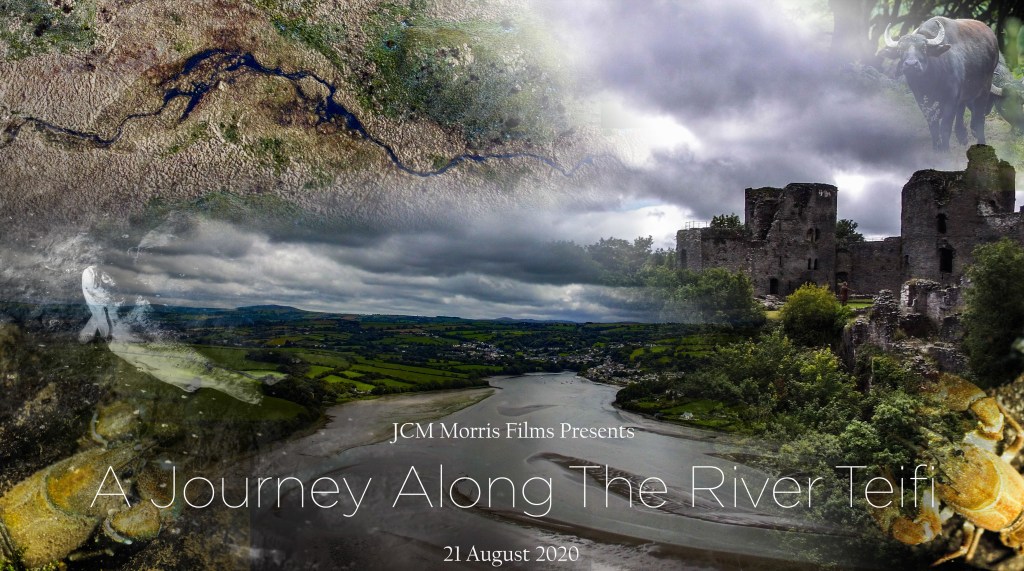
The River Teifi is the longest river in Wales; 73 miles in length from its source in the vast and barren Cambrian Mountains to the wide, slow flowing scenic estuary as it meets the sea just west of Cardigan. The stunning and unique locations it flows through inspired me to make a film, A Journey Along the River Teifi, as it seemed like a challenge to try and convey its beauty onto film. I co-wrote and co-produced the film with my father, Old Bedalian Gyles Morris, as we had started to make a river documentary a couple of years ago. That project didn’t go the way we wanted it to, so we re-approached the film with a new set of ideas. Instead of just making it with the idea of people and history, I wanted to make sure we followed some of the natural occurrences on the river as well as balancing the ‘people’ element of the film, which provided the perfect storyline to follow.

I thoroughly enjoyed the whole process of making this film, visiting the beautiful locations and trying to portray the beauty of the River Teifi and those who live in and around it, as well as the editing and choosing different music to highlight different emotions one might feel when watching a particular sequence of imagery.

A day which stood out for me in particular was filming water buffalos. The initial reaction for that is: “What?! There are Water Buffalos in Wales?!” and indeed there are. Cattle cannot graze on marshy ground partly because they don’t want to but also they can suffer from red water fever, so to keep the Teifi Marshes intact, water buffalos are brought in for a couple of months in the summer from a nearby farm. When filming big animals, you always have to be careful. We had achieved the drone shots successfully, but I wanted to make sure we also got some close up/intimate shots of the animals. The field they were in stretched a couple of acres and we could only see two buffalo out of the three who were in the field. As we tiptoed around the corner of this mound, in the middle of the field – 400 metres away – two females we looking at us down their noses. But where was the third male? Suddenly a metre or two in front of the females, the male erupted out of the foliage. We knew instantly that our presence was not wanted! Slowly they began to walk towards us, I stopped filmed for 30 seconds and then quickly rushed back and repeated the same as before. Finally, I got the shots I needed, but what an incredible experience. Looking deep into its eyes, it felt like I could be somewhere in Africa filming this amazing animal.  

The most challenging aspect of the film was the sound recording and balancing it to the imagery. A lot of inspiration came from the major BBC shows of Blue Planet 2, Planet Earth 2 or Seven Worlds, One Planet.  

The hardest thing about making this film was noticing the effects we are having on the river. Increasing intensification of agriculture has resulted in three major slurry spillages and poisonings in the last five years. We searched for the dead fish because I felt it was important for the story to be told and put the reality of the river into perspective. As we turned a corner, a cloud of flies engulfed the air around us and when they cleared, the true devastation was revealed. Around 60-70 fish were on the stones next to the river with around 10 which were visible on the surface. This was only a small river, the incidents on the river Teifi have killed over 1,000 fish. That was the most difficult aspect to film because it was heart breaking to see this had happened.  

This film was such a joy to make and I’m looking forward to see what I can do for my next project.

Watch Jake’s film, A Journey Along the River Teifi on YouTube here.

Visiting Thomas Hardy’s Wessex – perspectives

ezgif-2-9ddd9f52b528

On Tuesday, 6.2 English Literature students went on a trip to Dorset to visit some of the key sites in Thomas Hardy’s life, to complement their study of Hardy’s 1841 novel, Tess of the d’Urbervilles, as well as some of his poetry.

The group visited Hardy’s Cottage in Higher Bockhampton, where Hardy was born, grew up and wrote his early novels, before going onto Stinsford Church, where Hardy’s heart is buried with his first wife, Emma Lavinia, and walking across the River Frome, across which Angel Clare had carried Tess in Tess of the d’Urbervilles.

The group also visited Max Gate, the atmospheric Victorian home which was famously designed by the author and remained his home until his death in 1928, before hearing from two English Literature PhD students, Laura Cox and Sophie Welsh, about Hardy’s work. Here, some students share their perspectives from the trip.

image5

Oscar Clark: Sinking into Hardy’s armchair by the fireplace he designed, tiled by ceramics he found, surrounded on three sides by the privacy of a screen that has stood since he sat there and looking at a mirror upcycled by the man himself, I listened to Neill, the National Trust volunteer guiding us through our visit to Max Gate. A scholar on all aspects of Hardy, Neill showed us the humourous, sensitive and at times difficult man, as well as the nuances and foibles of his personality being reflected in the features of the home he designed.

Isabella Doyle: My favourite moment from the trip was seeing Hardy’s Cottage, where he grew up. I learned much information from the guide who showed us around Hardy’s former home. She explained how Hardy’s mother had strongly advised her five children not to marry, and Hardly was the only one who went against her advice – twice.

Continue reading