Poignant and insightful trip to WWI battlefields

By Clive Burch, Head of Block 3

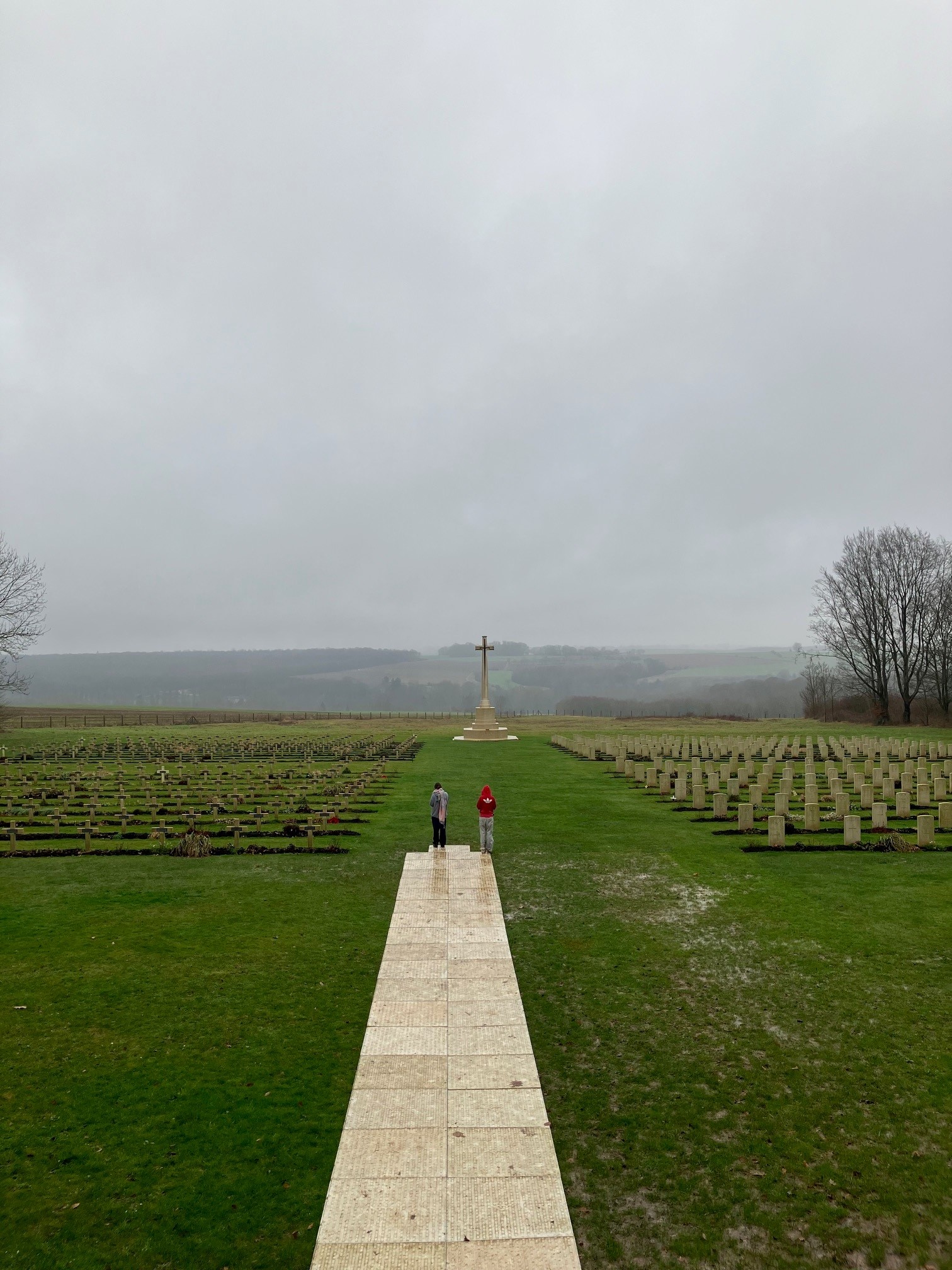
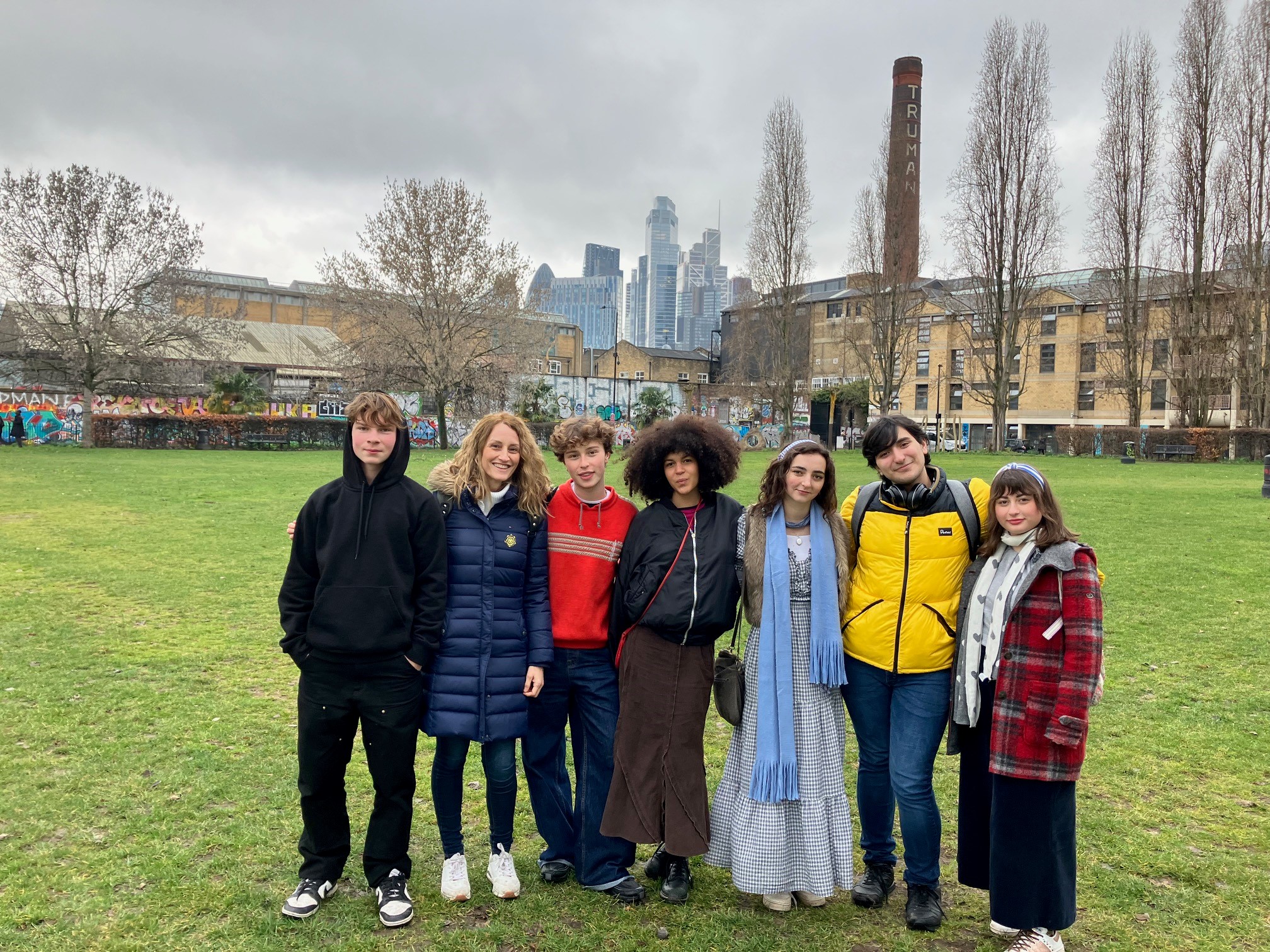
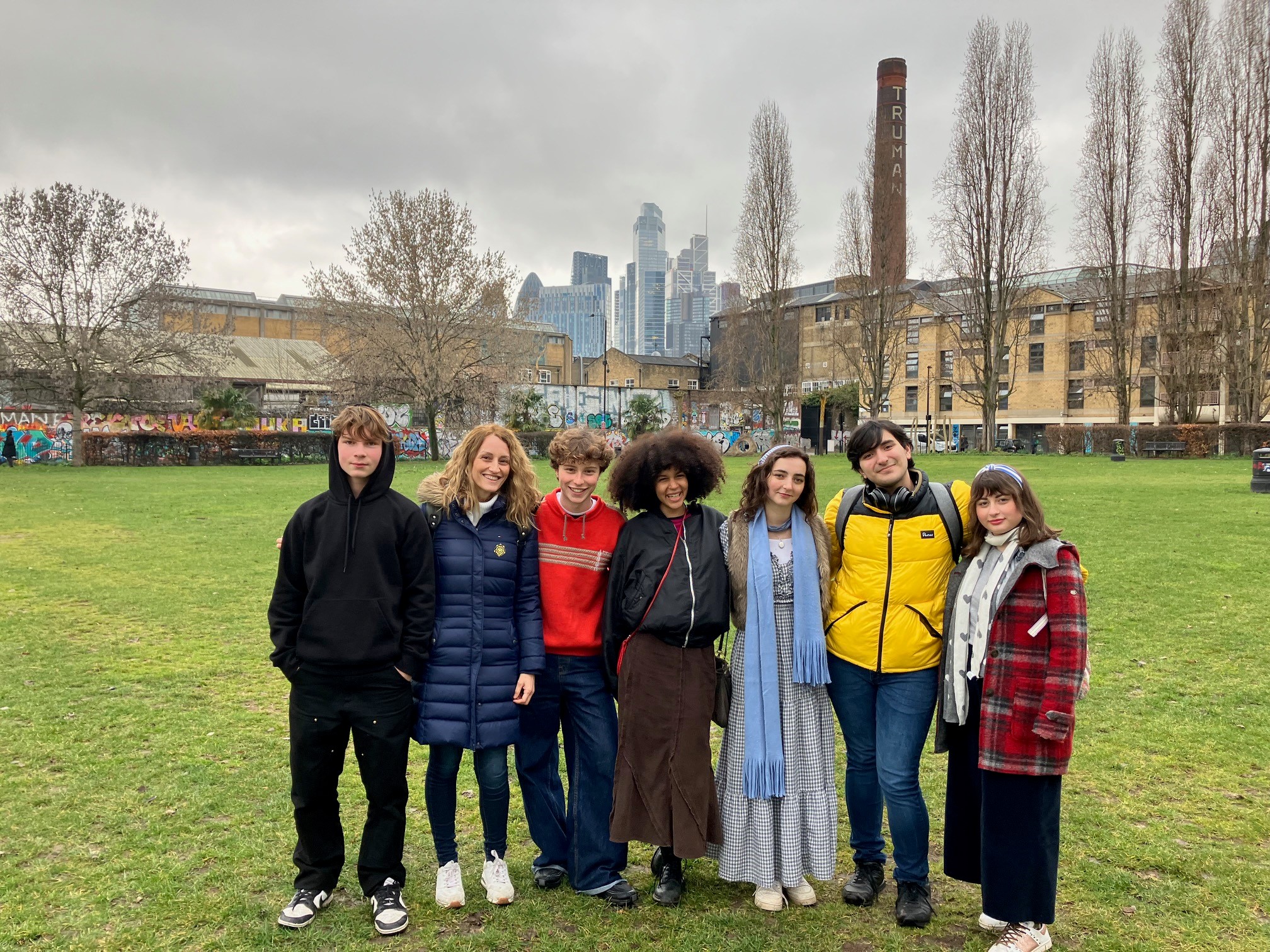
This week, Block 3 students have been Belgium and France to visit the historic battlefields which are a stark reminder of the impact of war, as the resting place for hundreds of thousands of servicemen who were killed in combat in World War I. Having focused on the war, anthroposphere, conflict and ethics in their humanities subjects this term, the trip gave students an opportunity to reflect on the historical, cultural and ethical aspects of their studies. 

On the first day, students visited Essex Farm, which famously moved John McCrae to write the poem In Flanders Fields while stationed there in 1915. They also visited Tyne Cot, the largest Commonwealth war cemetery in the world in terms of burials, and Langemark, where nearly 24,917 German servicemen are buried. Ending the day at Menin Gate, which bears the names of over 54,000 servicemen whose graves are not known, Felix Albizua and Alice Rawlence laid a remembrance wreath on behalf of Bedales.

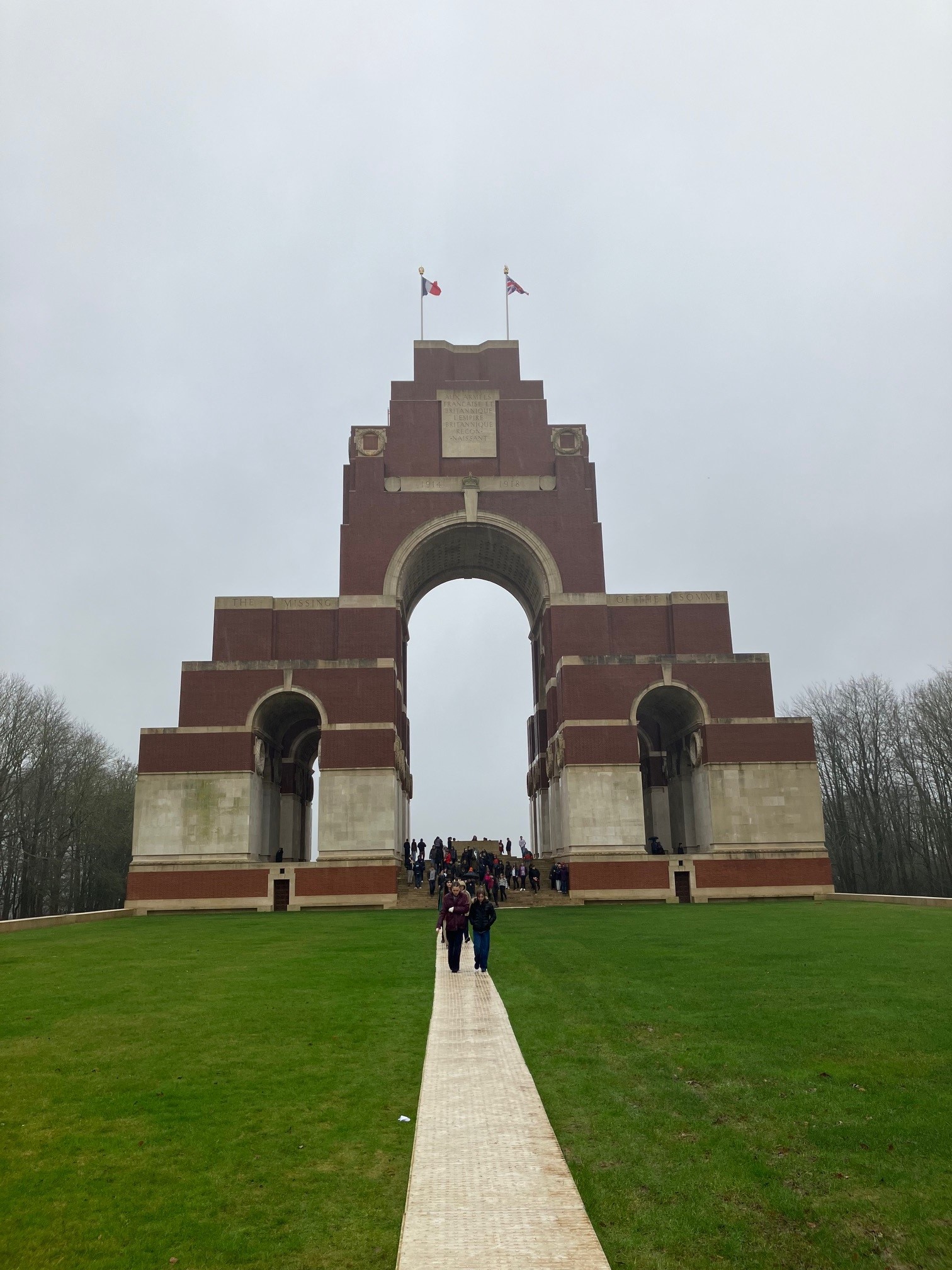
The following day, students visited Vimy Ridge, where the four divisions of the Canadian Corps fought side by side in the Battle of Arras in 1917, and the 36,000 Canadian servicemen who lost their lives in World War I are commemorated. They then visited the Somme, taking in Beaumont Hamel, Newfoundland Park, the Thiepval Monument and Lochnagar Crater. The Battle of the Somme was one of the largest and bloodiest battles of the war, with over 57,000 casualties on the first day, and over 150,000 British troops buried in the battlefields. The Thiepval Monument bears the name of over 72,000 servicemen of the United Kingdom and South African forces who died in the Somme before March 1918 and have no known grave.

After a cold and damp day which concluded the trip, we made an eagerly awaited stop at a chocolate shop, conscious that the weather, fatigue and discomfort was a mere fraction of that experienced by those who fought on the battlefields over 100 years ago. 

See more photos from the trip below.

History BAC trip to Berlin

By Agnes Bathurst, Block 5

The Block 5 History trip to Berlin was a fantastic experience, jam packed with museum visits and tours. We had an early start on Thursday morning to fly to Berlin and as we arrived, we were greeted with lots of snow.
Despite the weather, we went on a walking tour of the city’s sights and walked through the famous Brandenburg Gate – one of Germany’s best-known landmarks, which dates back to the 1700s, and is now considered a symbol of German reunification – and visited more of the city’s famous monuments. In the evening, we went to the DDR Museum, where we found out about East Germany and how it used to be. 
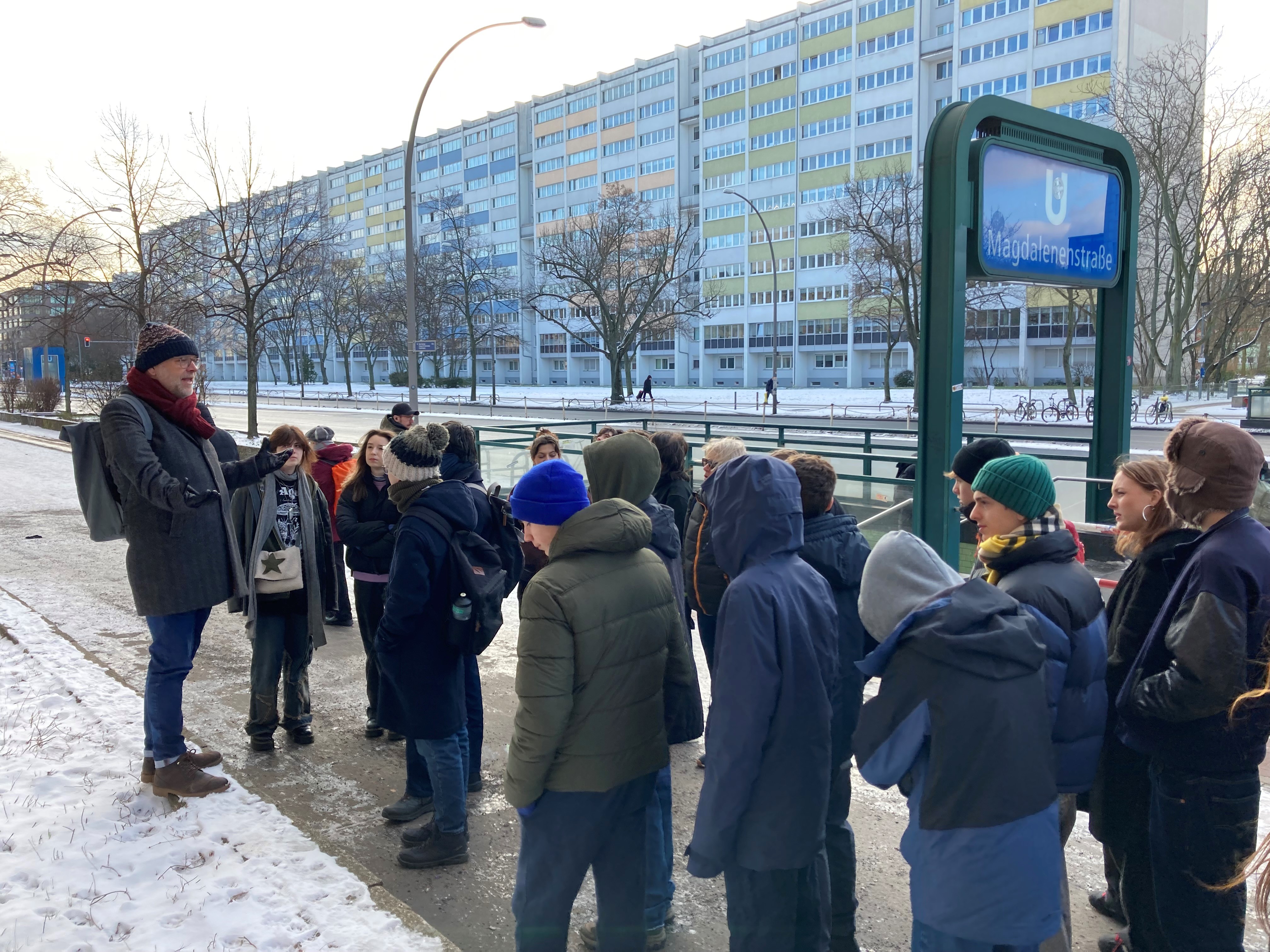
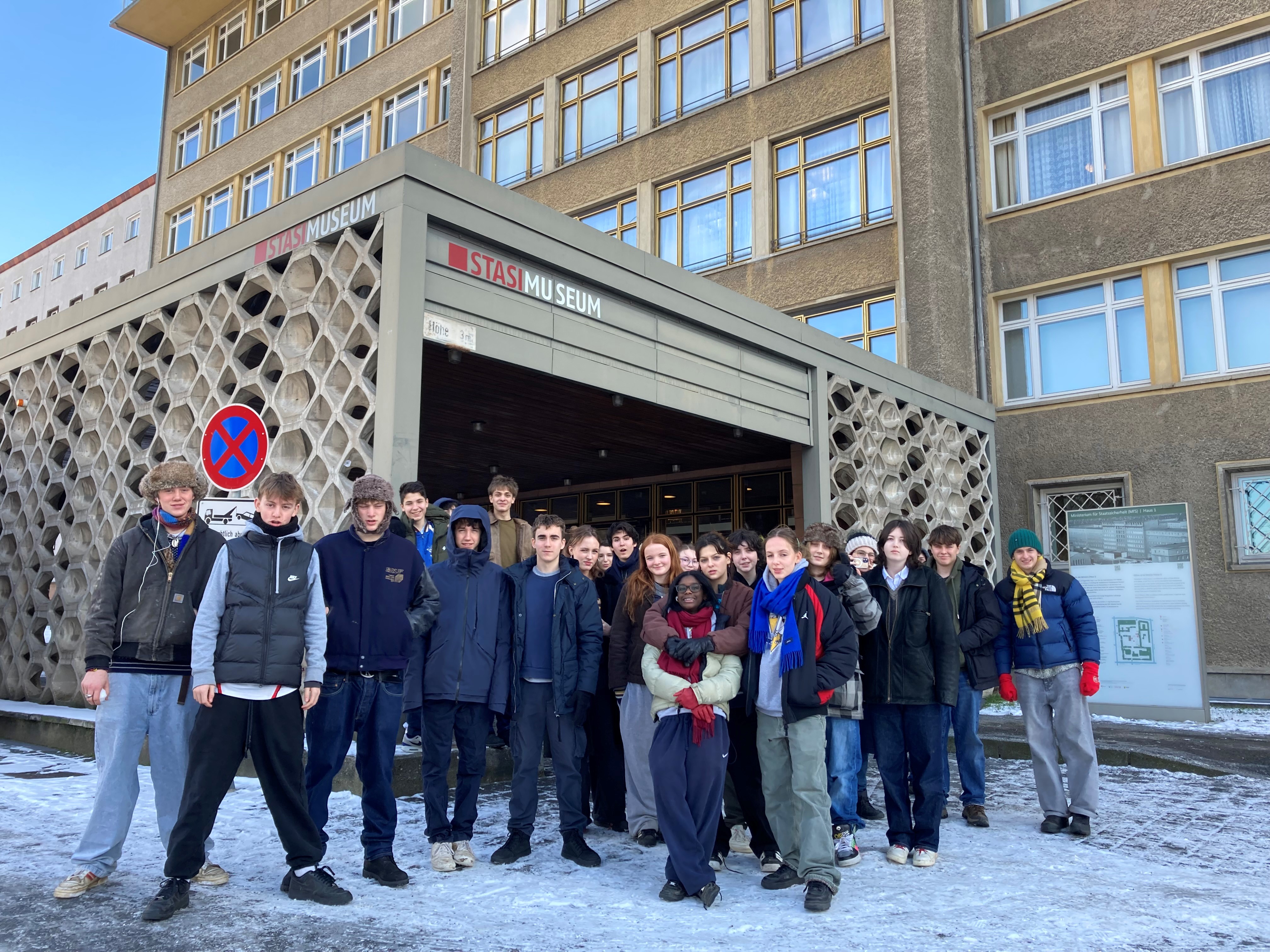
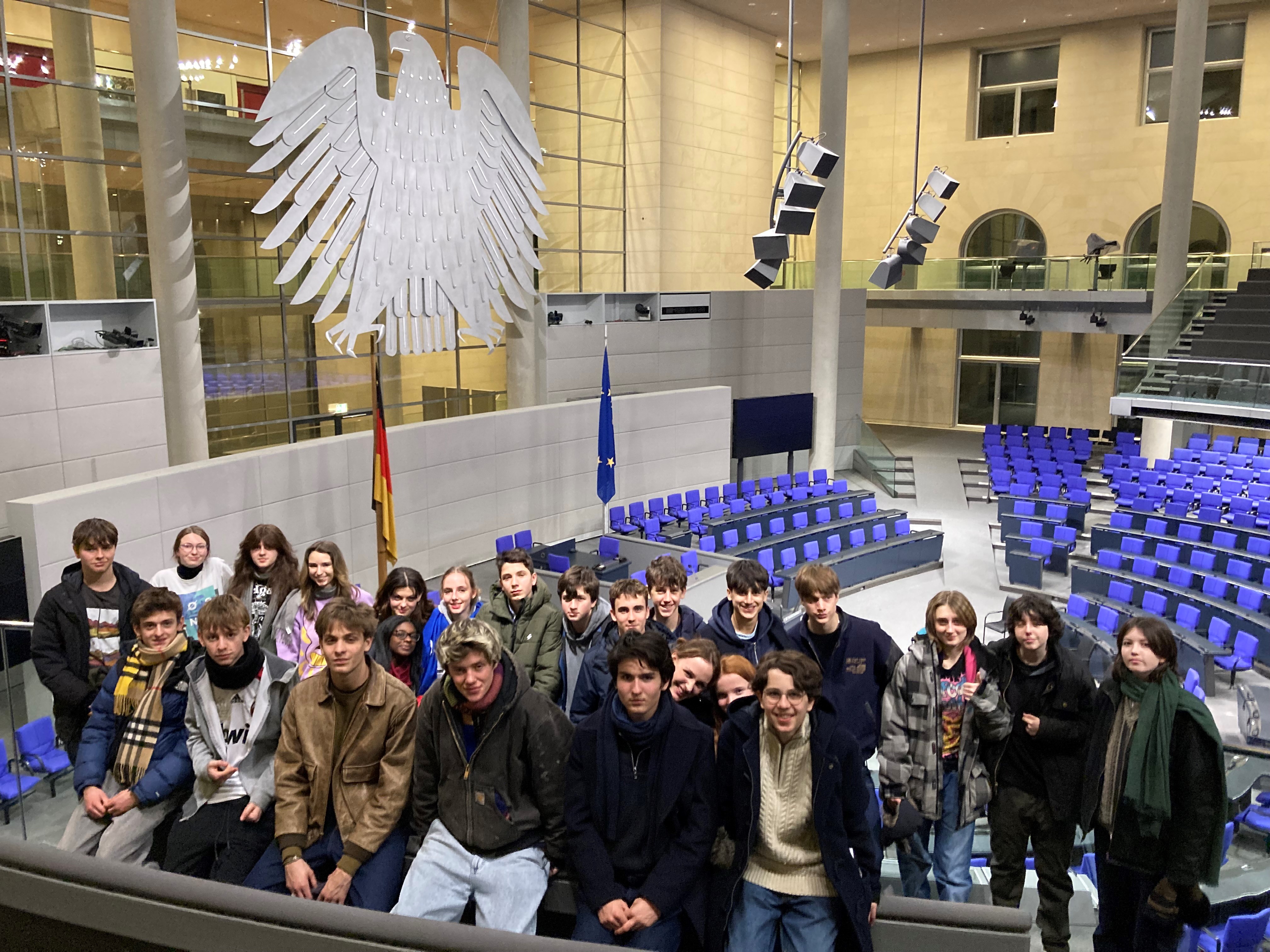
On Friday, we travelled by the U-Bahn and our first stop was the Stasi Museum, where we gained an understanding of the former political system in East Germany and the control they exerted on the population. The Berlin Wall was next on our list, and we viewed it from a watch tower. My favourite pat was going down to a nuclear fall-out bunker that was never used – it was very creepy! We went on a guided tour of the Reichstag, and seeing all the old graffiti from the Russian soldiers in 1945 – still preserved – was fascinating.

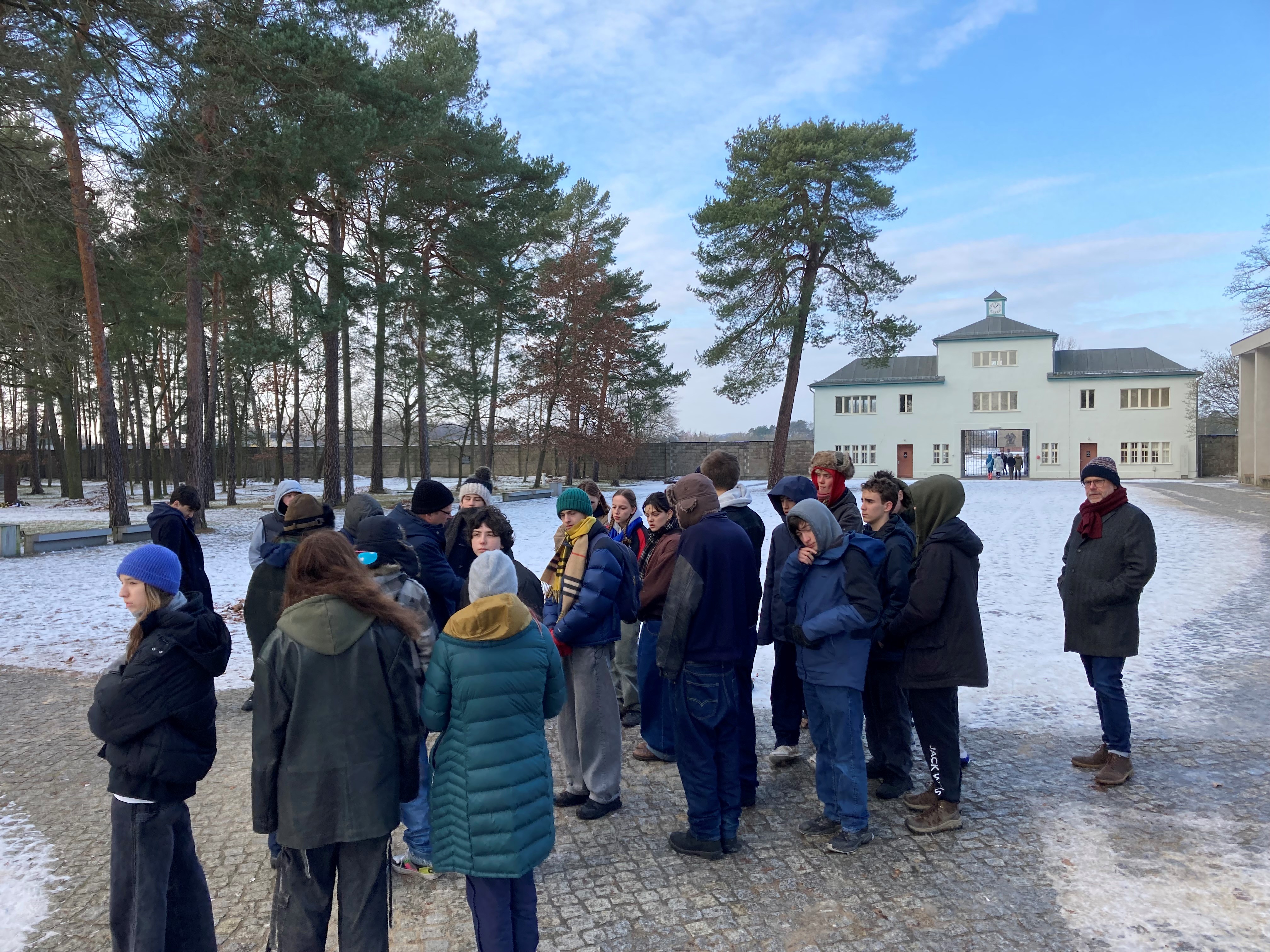
On Saturday, we had another early morning start and got straight on the coach to the Wannsee Conference House, where we learnt all about the meeting that actioned the Final Solution. We were there on 20 January – exactly 82 years since that terrible decision. We then took the coach to the Sachsenhausen concentration camp and learnt about its historical significance. This was one of the most affecting parts of the trip – visiting the site where prisoners of the Nazi regime were subjected to horrifying conditions and treatment.

On our final day of the trip, we also visited the Topography of Terror, which was built on the former Gestapo headquarters. The trip was hugely educational, and I enjoyed every bit of it. I learnt so much about Berlin’s culture and its complex history.

6.2 Physics trip to CERN, Geneva

By Dylan Hui and Sage Bidwell, 6.2

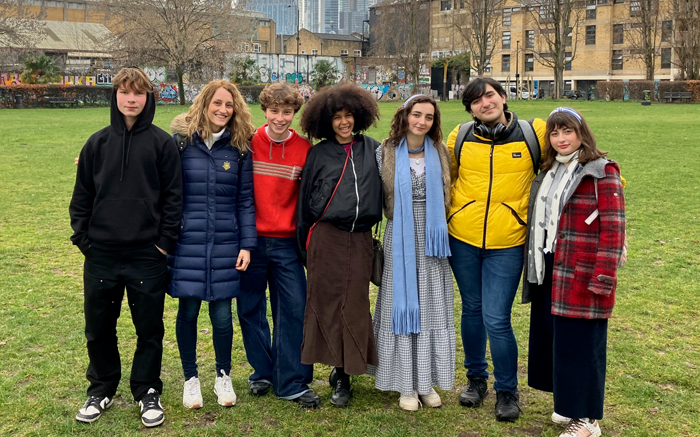
Last weekend saw the most recent iteration of the annual 6.2 Physics trip to Geneva, Switzerland, to visit CERN and the Large Hardon Collider (LHC). The trip began on Thursday 18 January, when we travelled to Geneva with Physics teachers Tobias Hardy, Allen Shone and Sarah Newnham. The journey went smoothly – although before we had left Geneva Airport, we had already left a passport on the plane and lost a suitcase (which was not in the itinerary!) We made our way to the Eden Hotel and got to explore the city for the first time.

On Friday, we had the chance to visit the UN Building in Geneva. We had an amazing tour guide, Lisa, who was a part-time interpreter working for the UN. She showed us around the different conference rooms in person and we had the opportunity to ask questions. Lisa was pleasantly surprised by our knowledge about politics and international relations (especially Allen’s!) In the evening, we took a stroll down the lakeside to the Old Town and explored the architecture of Geneva. To finish off the evening, we went to the Holy Cow burger restaurant, which was delicious, and finally we all sat in the lobby playing cards and sharing stories.

Saturday morning was an early one, since we had to make it to CERN in time for a 9am workshop. In the workshop we made our own cloud chambers and investigated background radiation, enhancing our previous knowledge of particle physics. It was very interesting to experience first-hand how these experiments changed particle physics, and we had the opportunity to speak to an expert who works at CERN. We then had a few hours of free time to wander around the CERN museum before embarking on our tour of the site.

We visited the main control centre of the LHC and saw how each component of the collider works. We then visited ALICE, another integral part of the LHC, focused on examining primordial matter. To finish the evening, we dined at Chez Ma Cousine, where most of us ate half a chicken accompanied by chips, salad and a hearty pint of Genevan beer. 

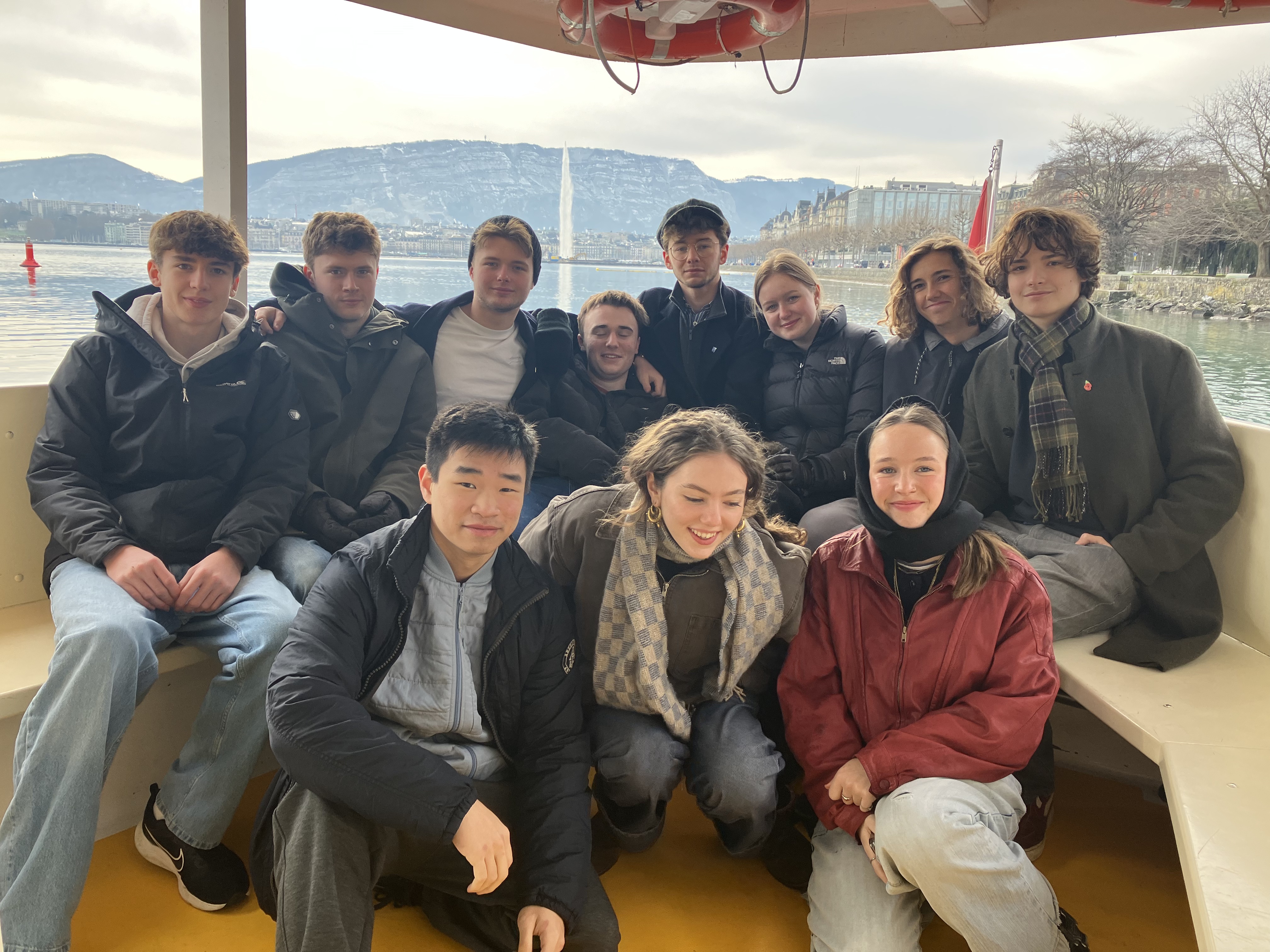
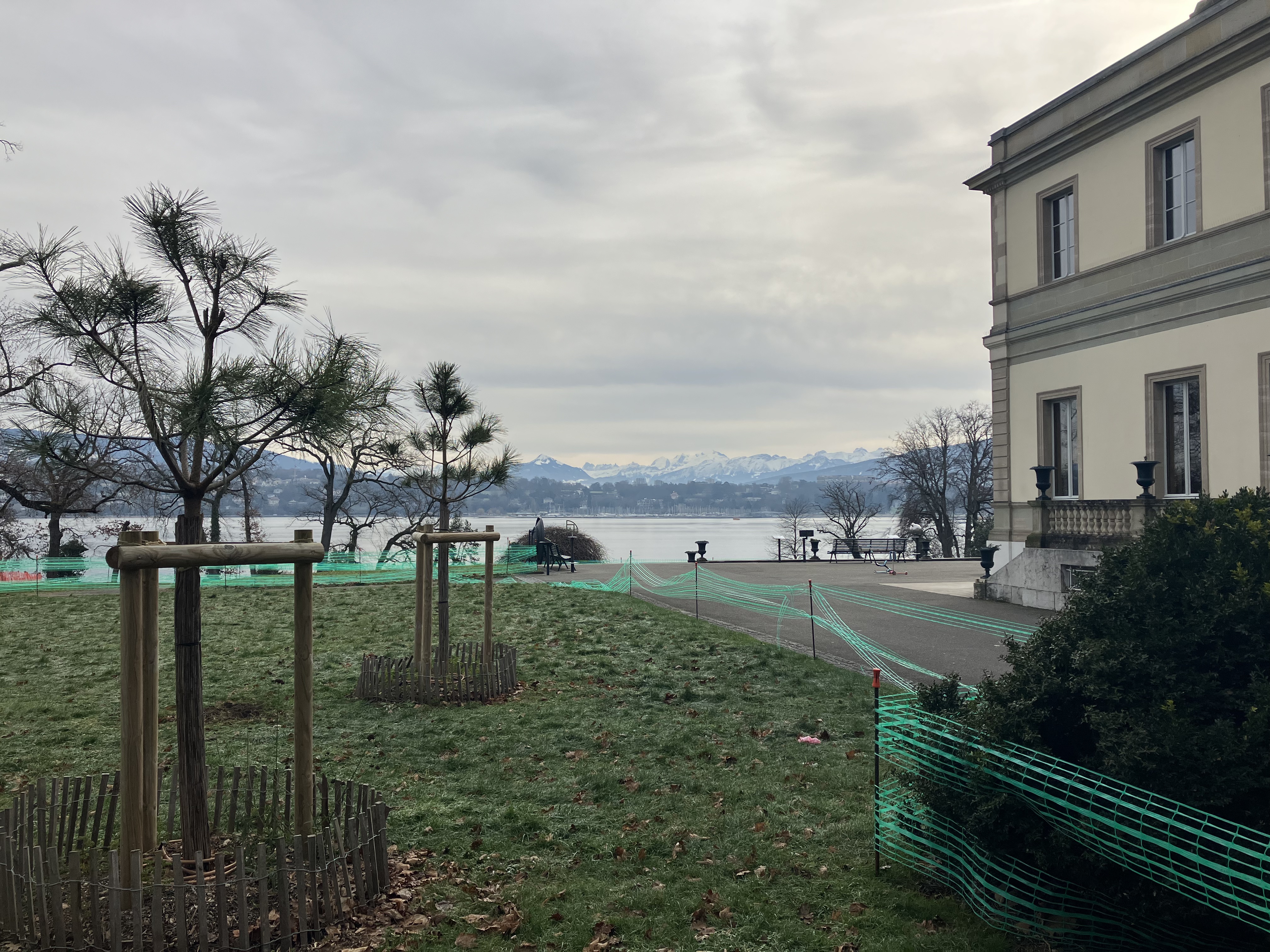
The next day, before we returned home, a few of us had time to hop onto a water taxi on the lake. We got to see the Jet d’Eau fountain, an impressive 140m tall fountain which has become one of the city’s most famous landmarks. We also enjoyed the view of the Alps and Mont Blanc before flying home, safe and sound, albeit with a bit of turbulence from Storm Isha.

Thank you to Tobias, Allen and Sarah for running this trip for us, and making it such a joyful and educational experience. We all thoroughly enjoyed it and will be remember it forever.

Dalí Immersive Experience for Spanish A Level students

By Kervan Keratas, 6.2

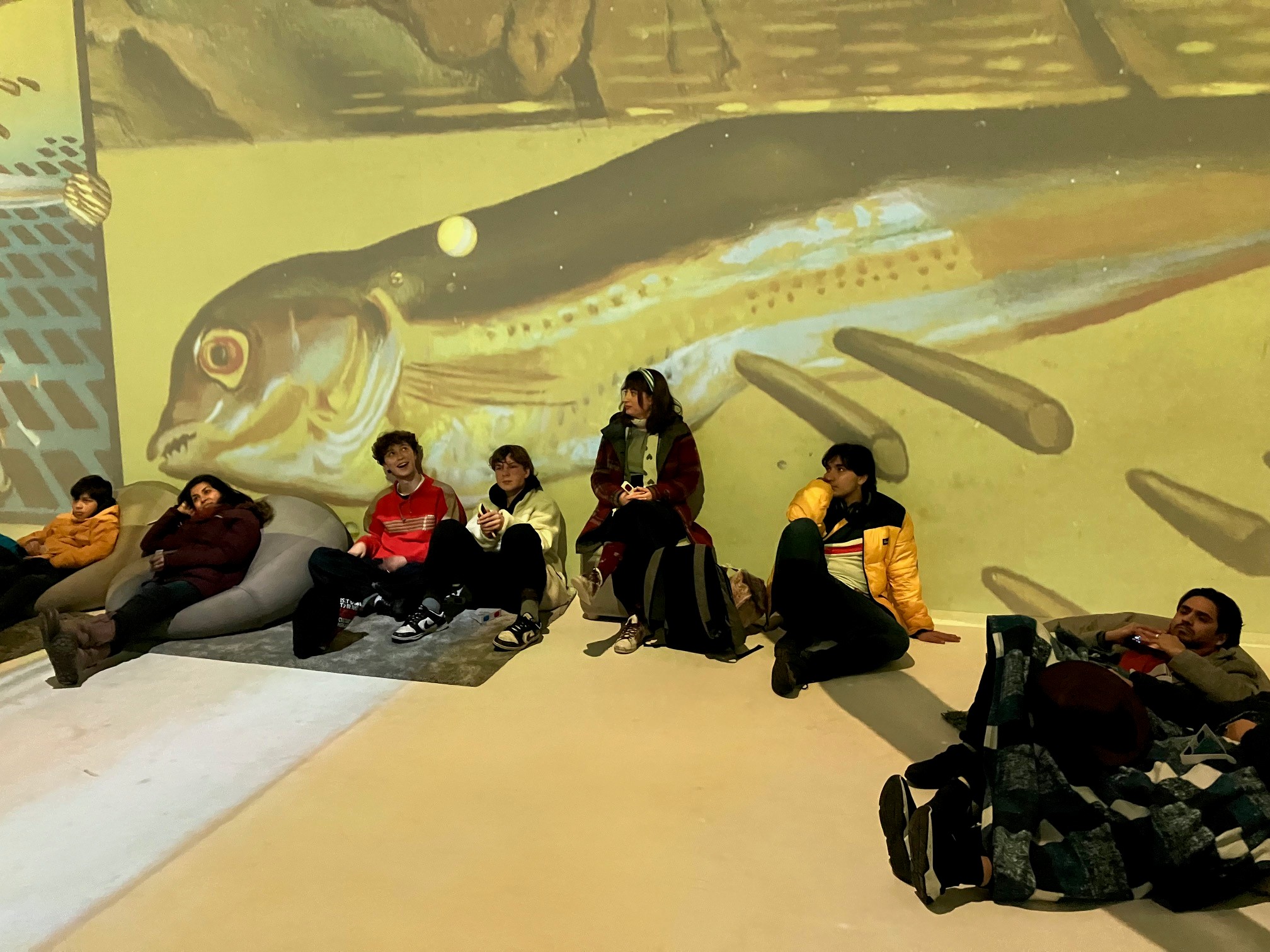
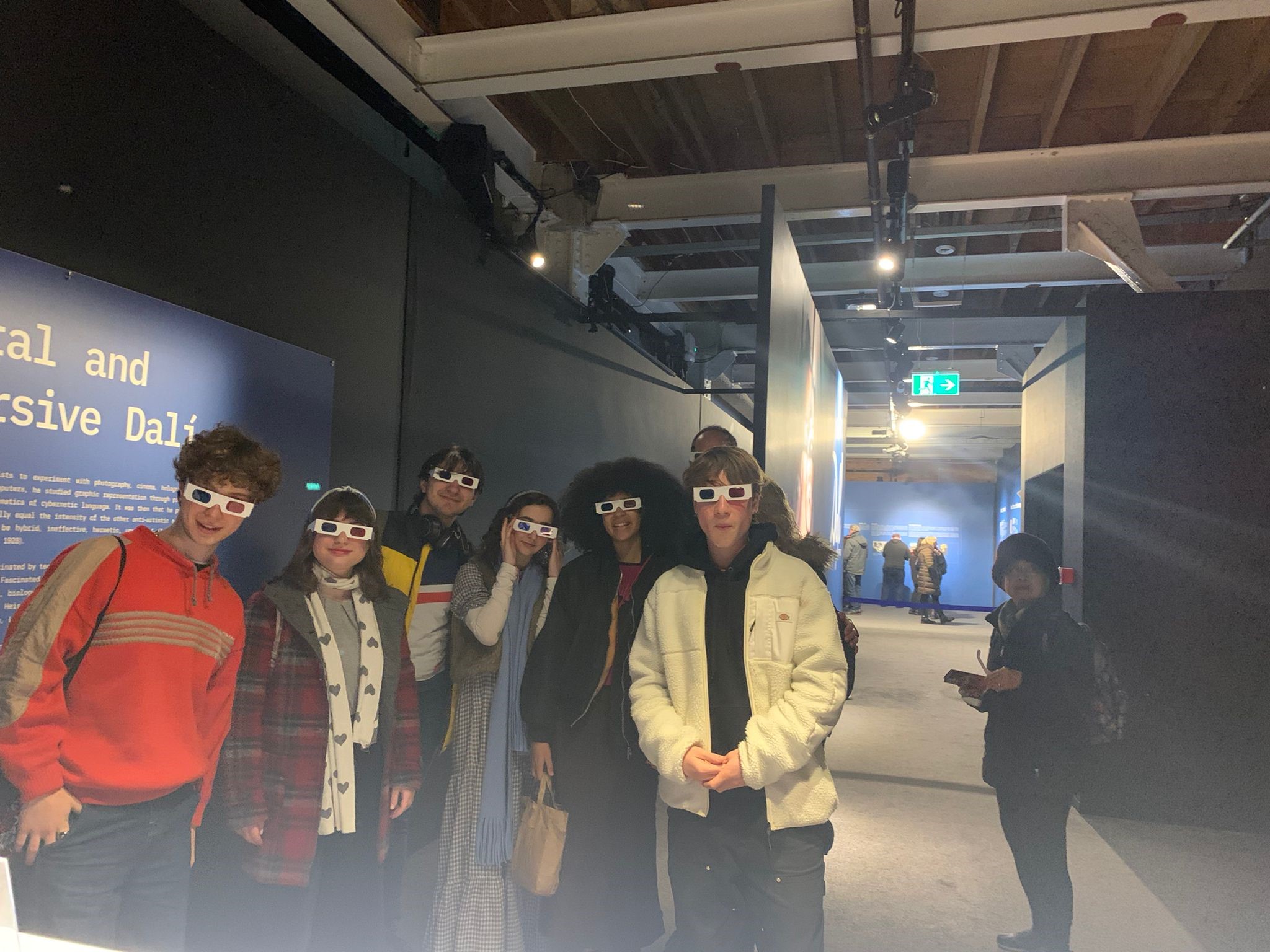
This week, the 6.2. Spanish A Level students had the fantastic opportunity to attend the Dalí Cybernetics Immersive Experience in London.

Salvador Dalí was a Spanish surrealist artist recognised and remembered for his extravagant and innovative artwork, which spread across film, painting, sculpture, and product and set design. Dalí used Impressionism and the Renaissance masters as stimuli for his work, before growing a strong affinity for Cubism. The 1920s saw the birth of his passion for Surrealism, where he joined a surrealist group in 1929 and produced his most notable artwork – ‘The Persistence of Memory’ – in 1931.

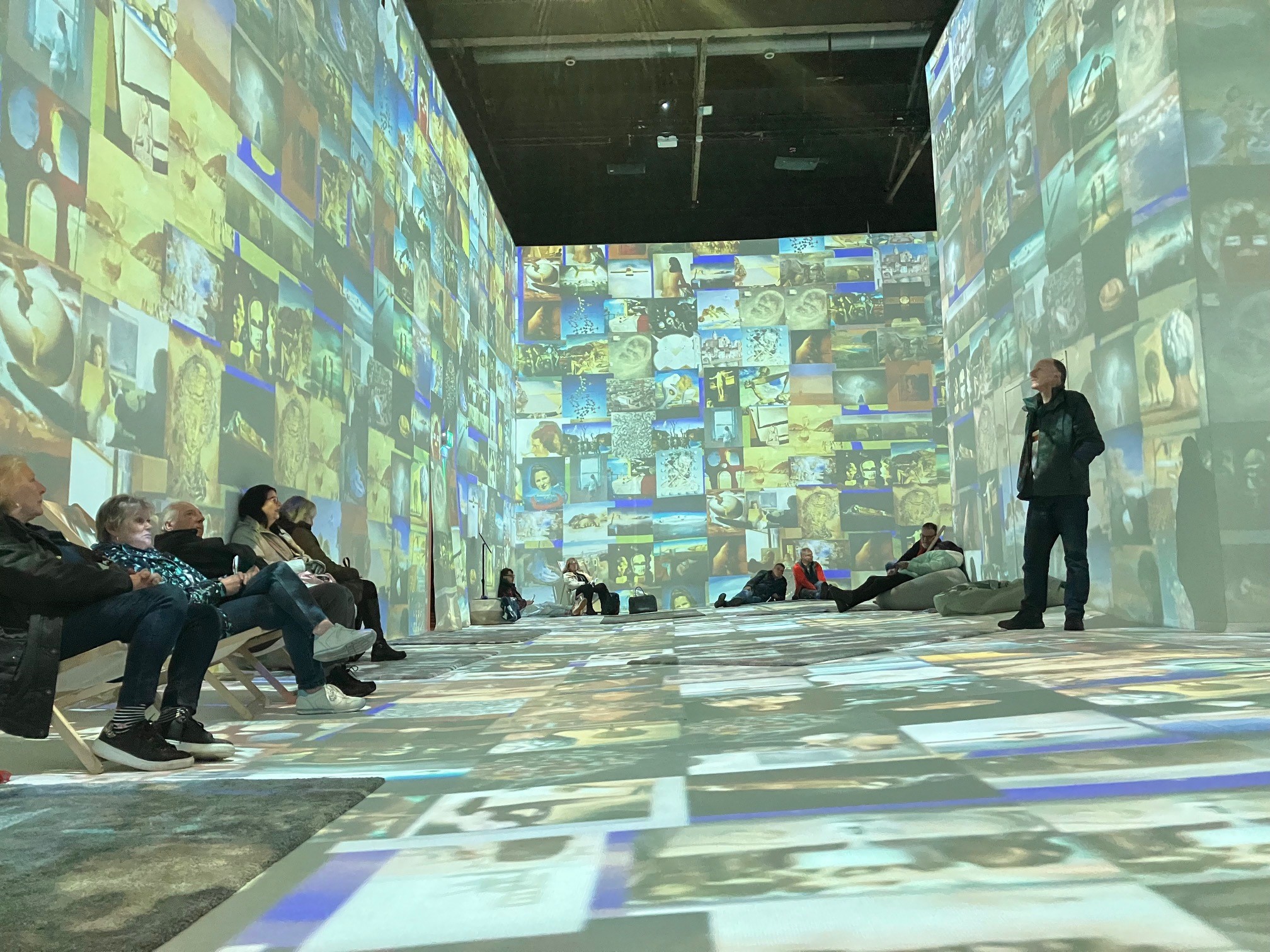
The exhibition showcased Dalí’s masterpieces, alongside contextual information that described events that occurred during the production of his works. There were three floors in the exhibition: a floor comprised of rows of his artworks; a 360° immersive room containing holograms and artificial intelligence; and a virtual reality experience of Dalí’s iconic arts. The consensus from the students was complete enjoyment and shock for the visually stunning graphics in the VR experience; we were in his art pieces, able to interact with different objects painted in the art.

We would like to thank Enca Marza Porcar and Mungo Winkley for organising and hosting such an incredible outing. For those seeking an outing with family and friends, I strongly recommend this exhibition. Regardless of whether one is familiar with the work of Dalí, this experience immerses you in a new world – one where you feel as though you are the artwork.

See more photos from the trip below:

Block 5 Art trip to Pitt Rivers and Natural History Museums, Oxford

By Ana Simmons, Head of Lower School and Teacher of Ceramics

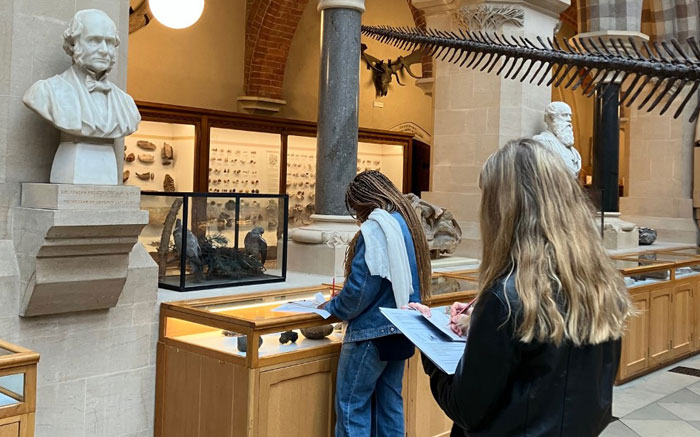
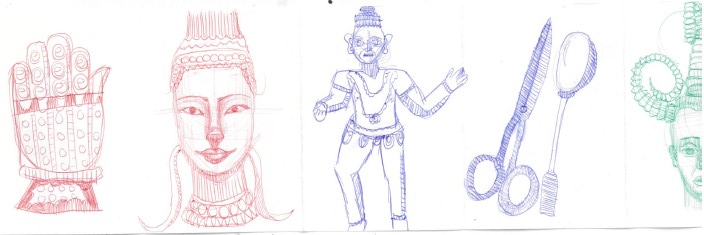
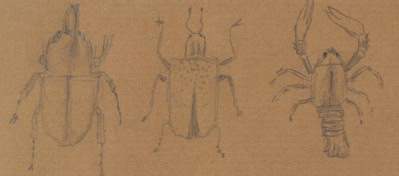
The Block 5 BAC Art students visited the Pitt Rivers and Natural History Museums in Oxford on Wednesday to draw artefacts from their collections. An important part of our course is for students to experience works of art and objects in the flesh as reference material, this helps them experience the scale, physicality and subtle intricacies that they cannot always experience on a screen or in a book.

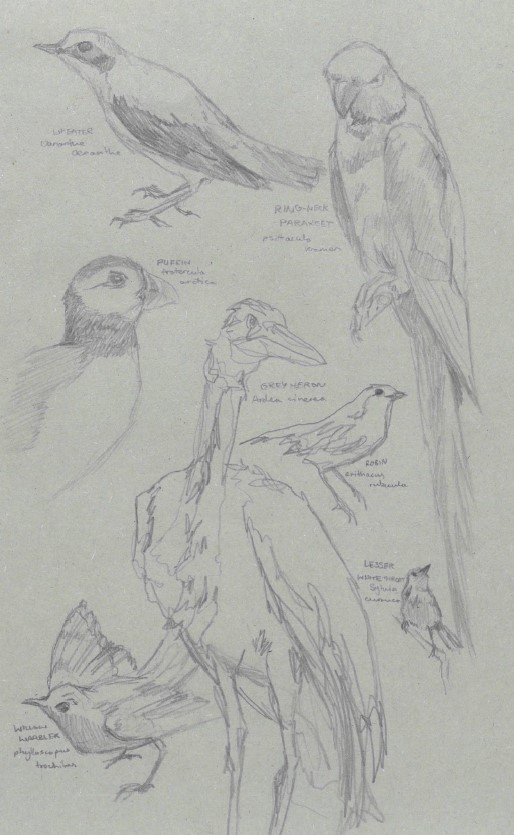
The students enjoyed studying the eclectic mix of objects and have returned to school with a strong collection of observational drawings to support the start of their final projects. We are looking forward to seeing how they explore and develop these studies as they work towards creating their final outcomes in their chose disciplines, be it print, painting, 3D or ceramics.

You can see examples of the students’ work below:

Exploring glaciated landscapes and hydropower in Norway

By Jake Heslop, Sophie Spencer, Bryn Griffiths and Jack Bowdery, Block 5

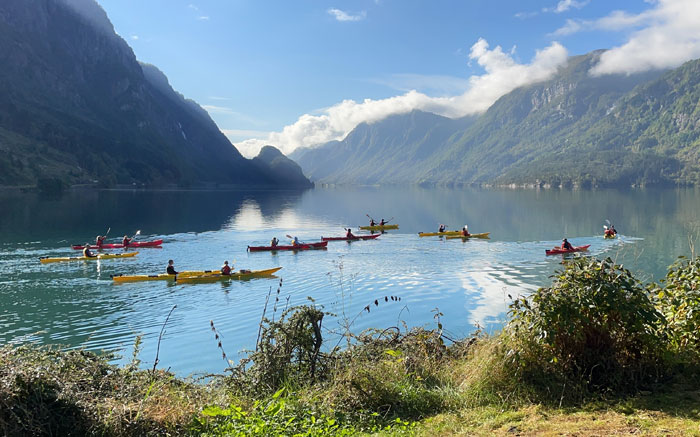
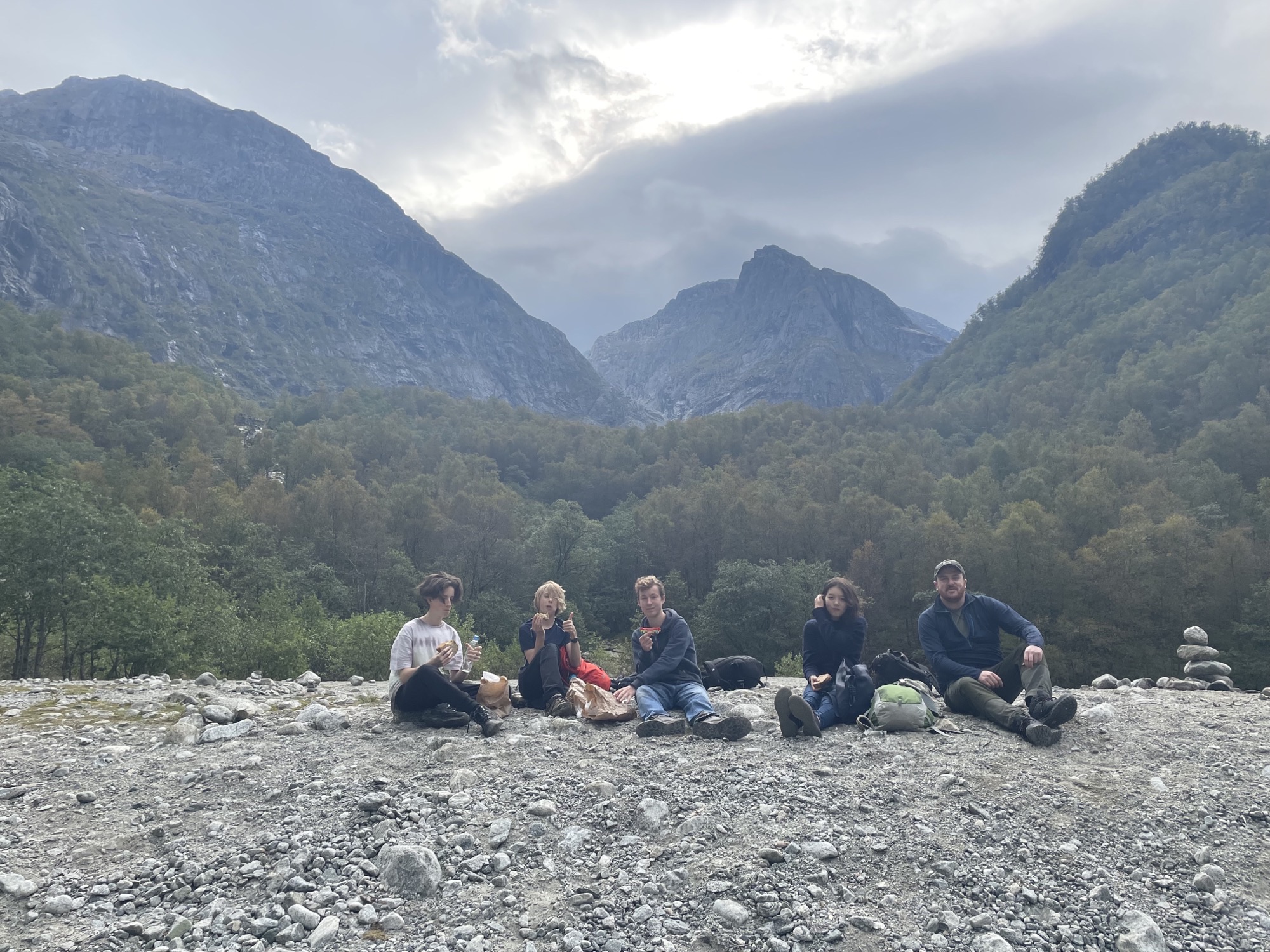
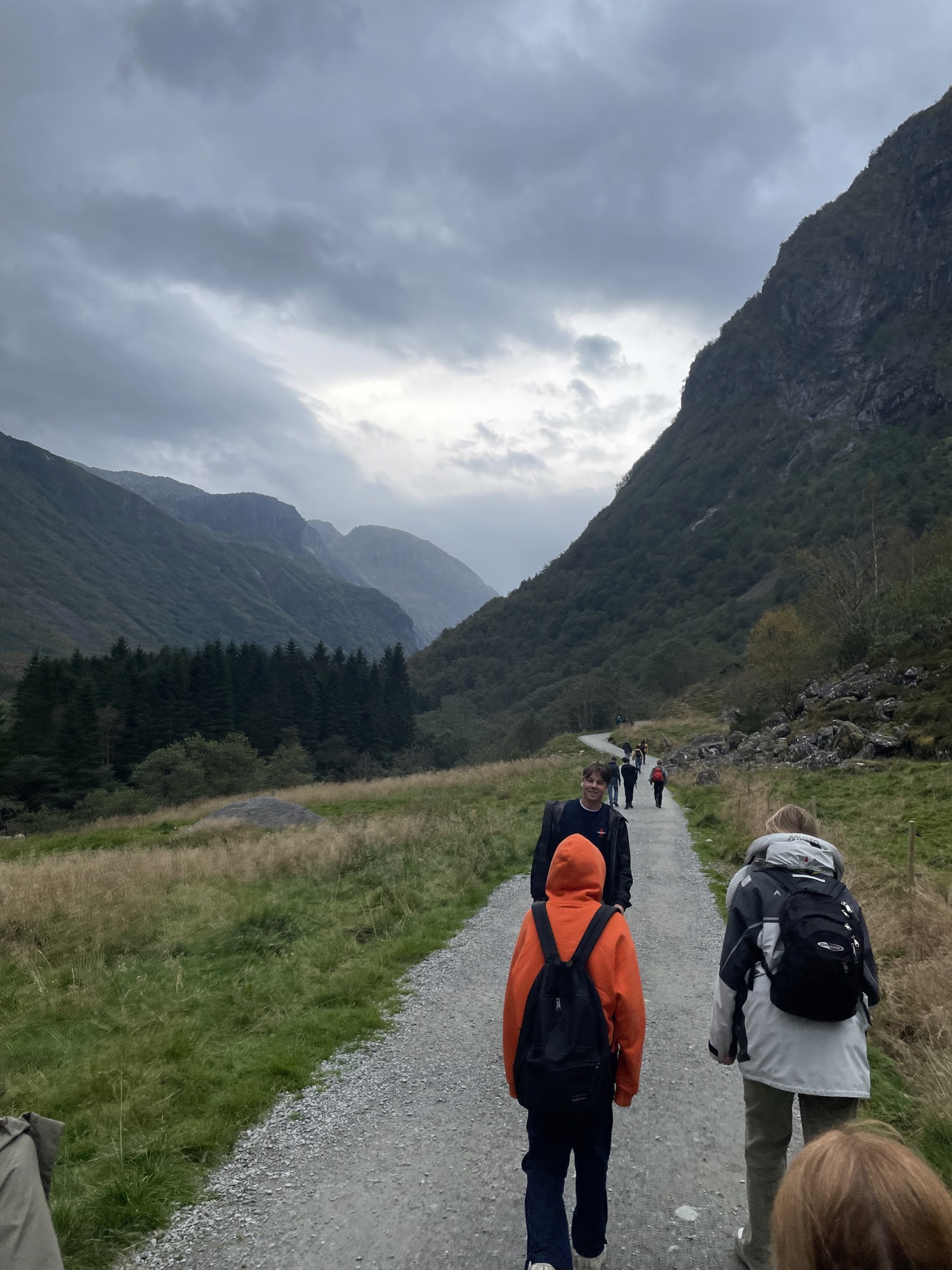
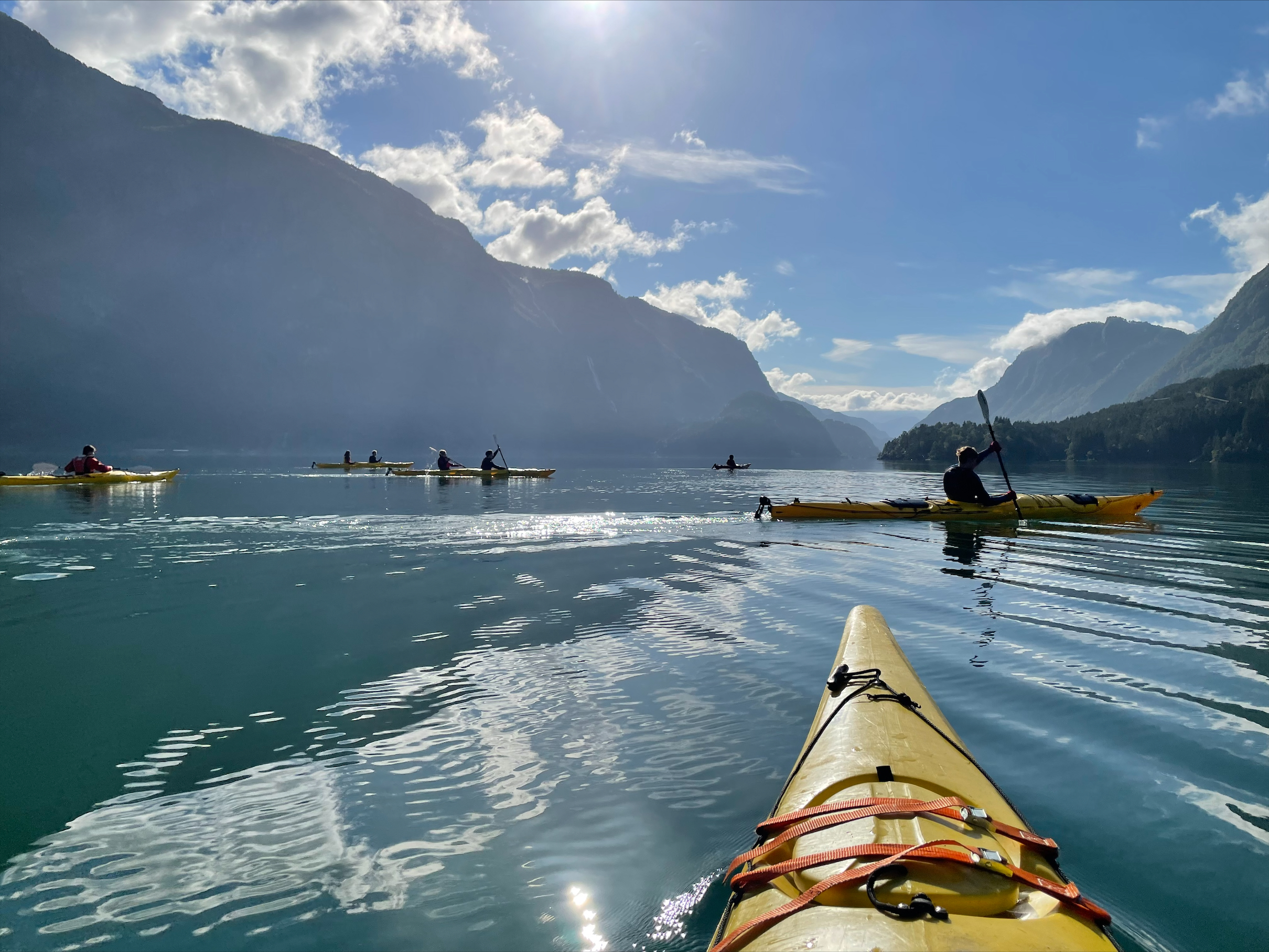
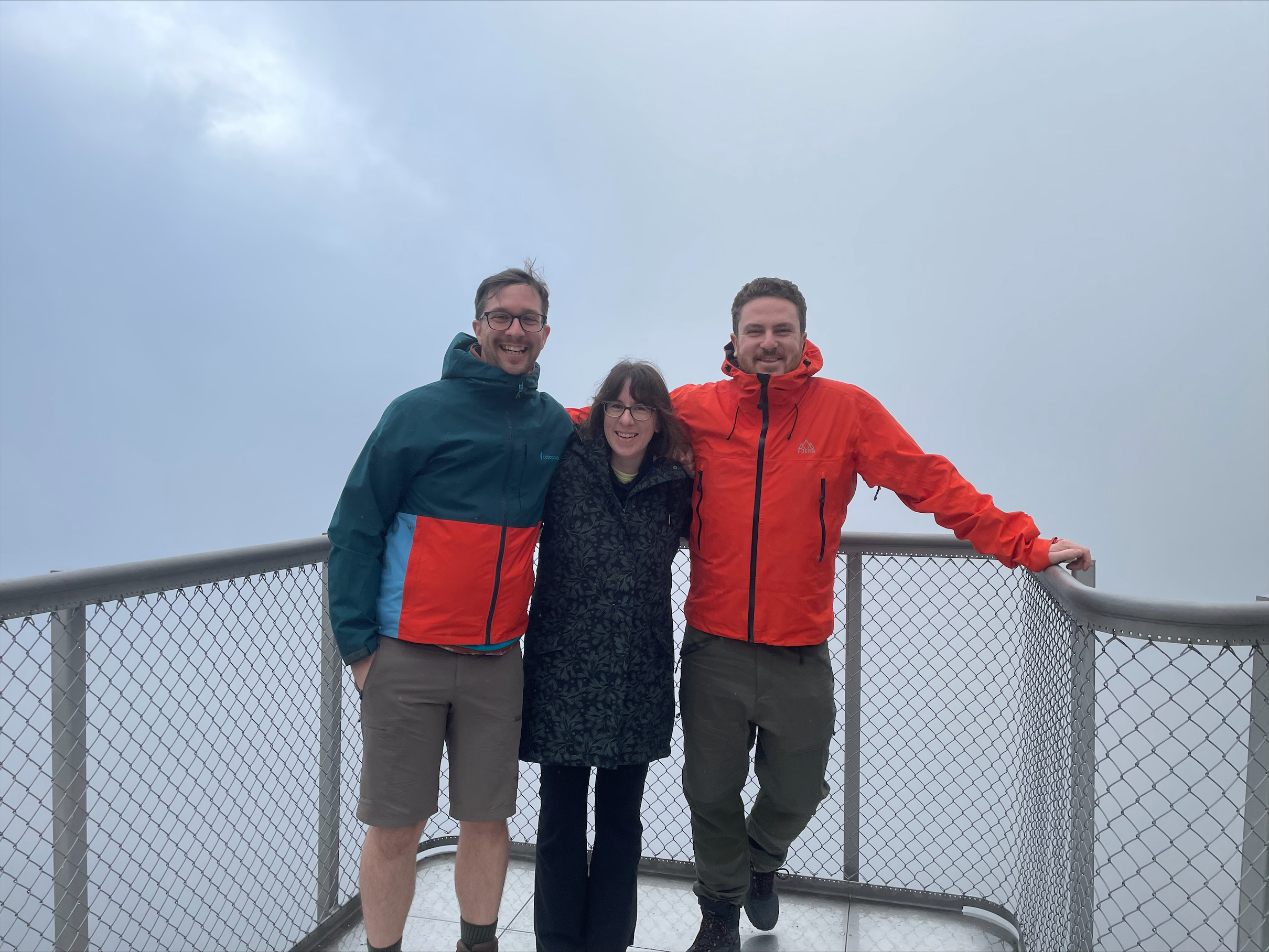
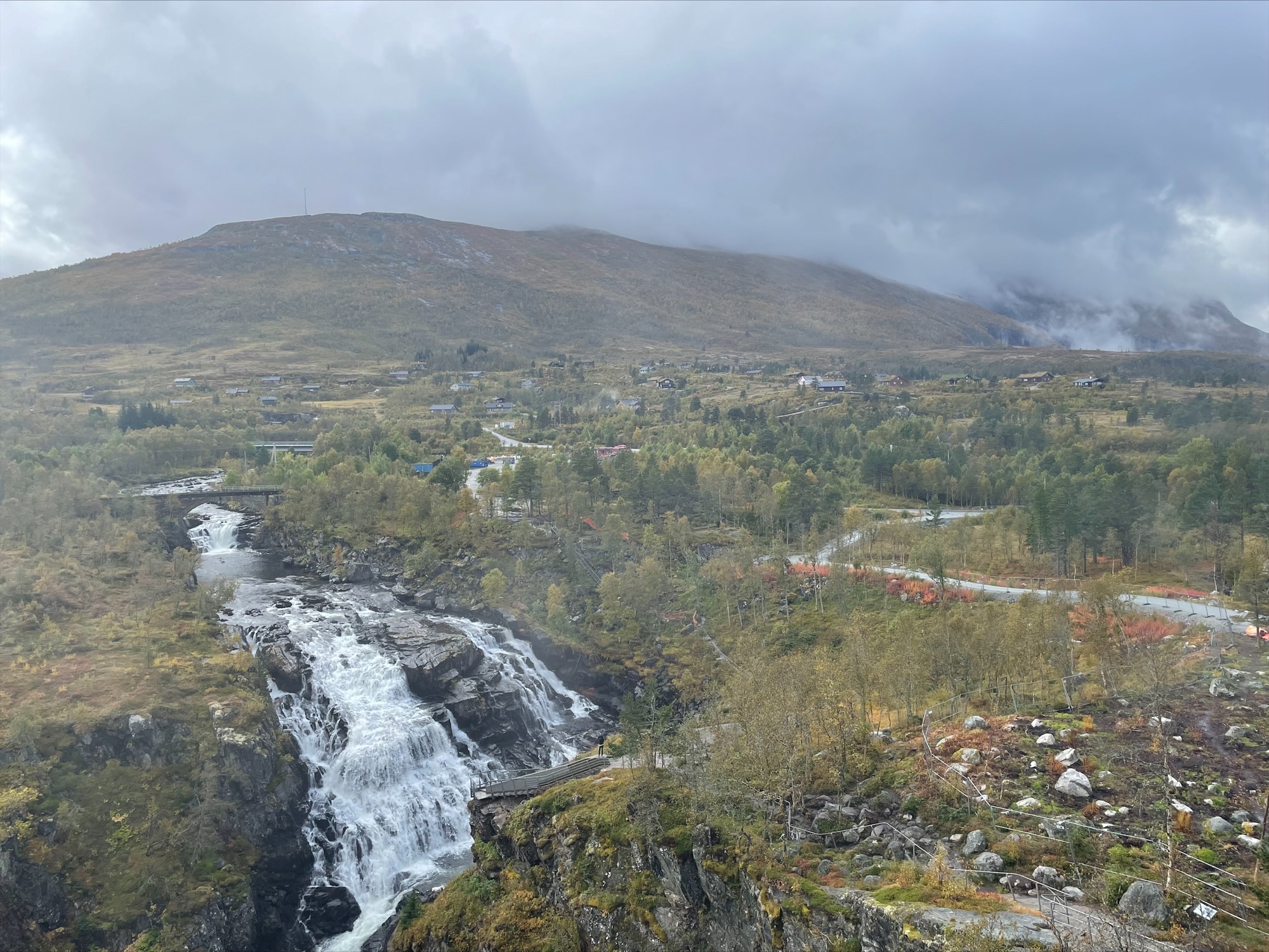
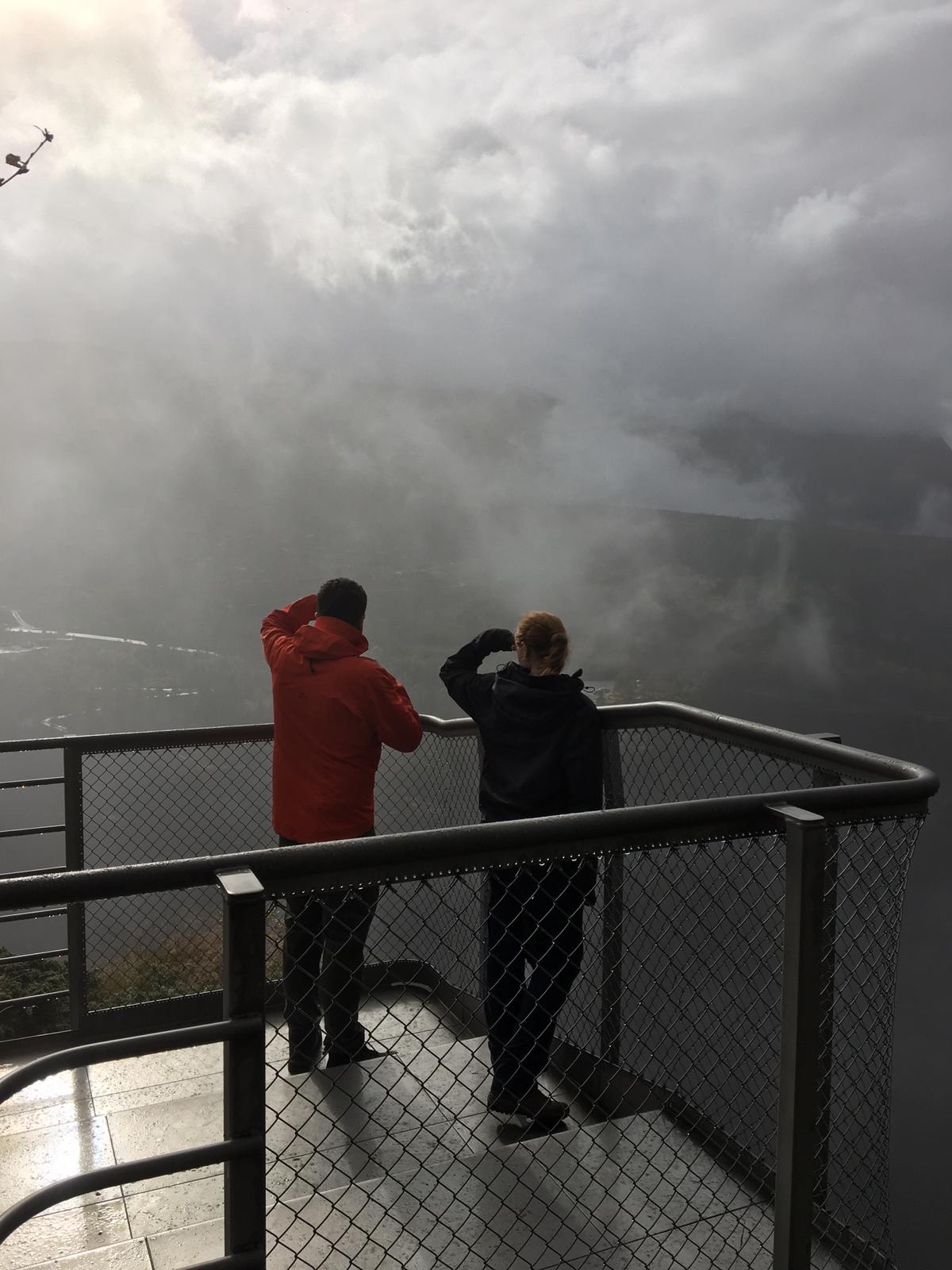
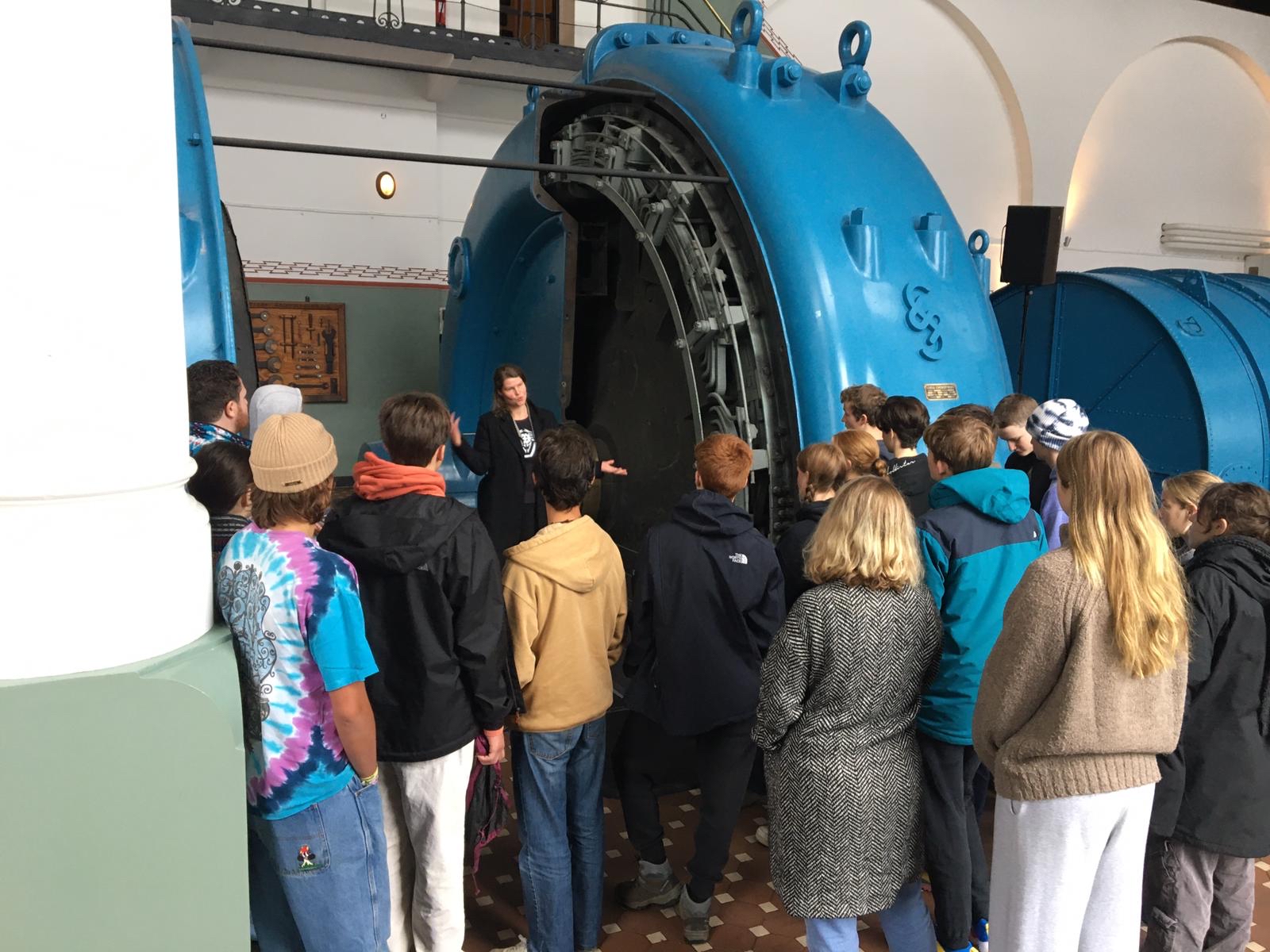
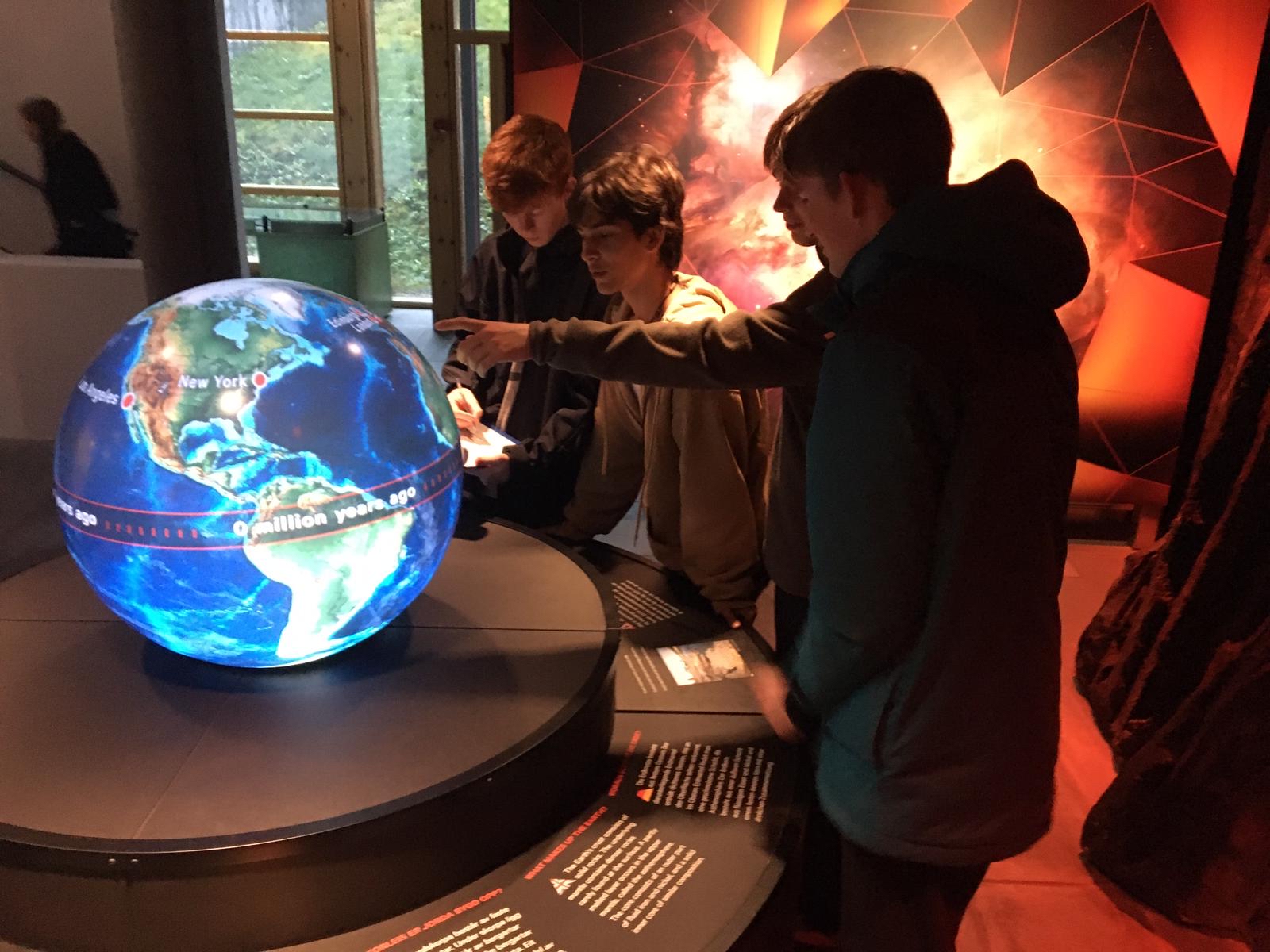
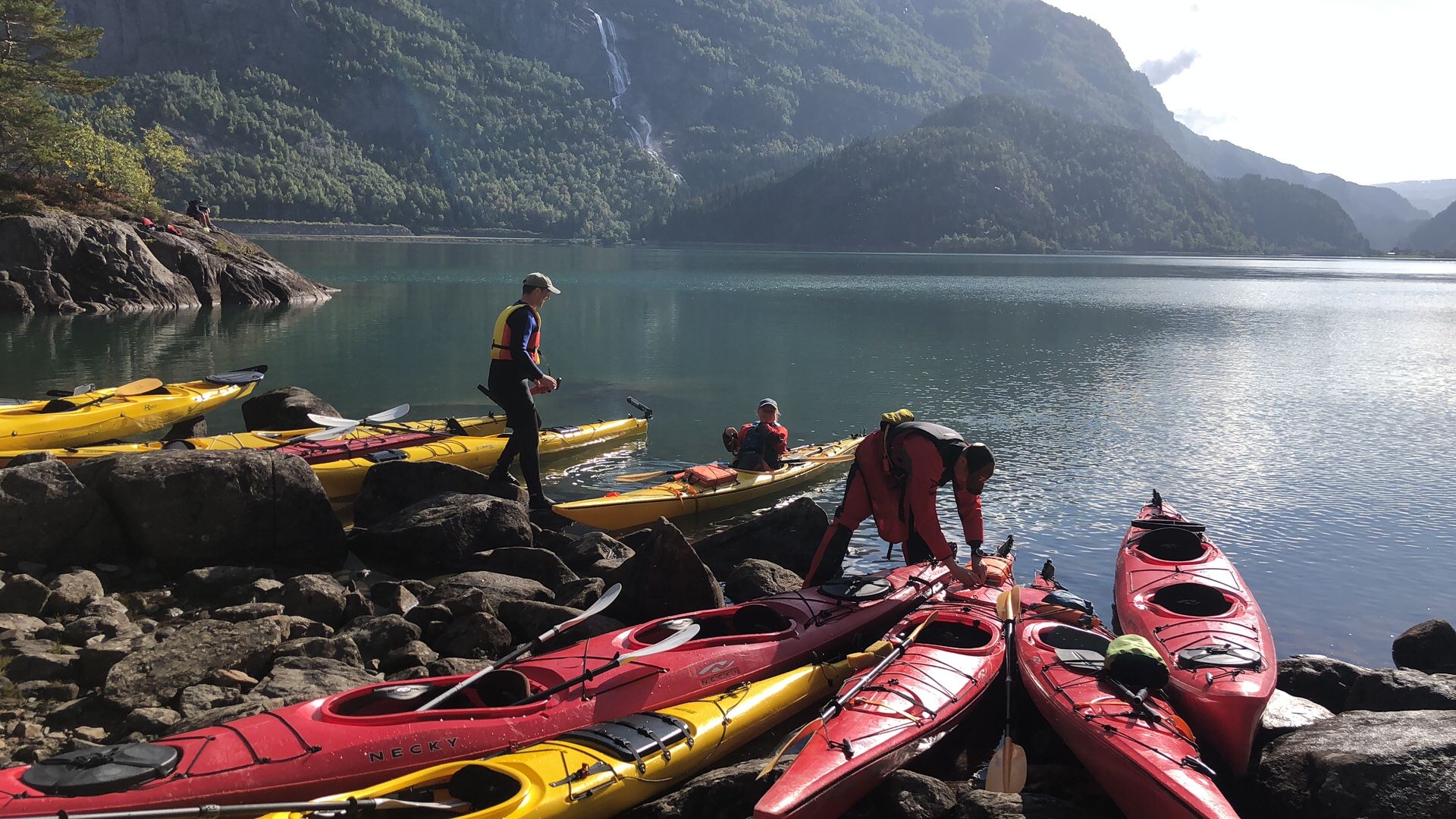
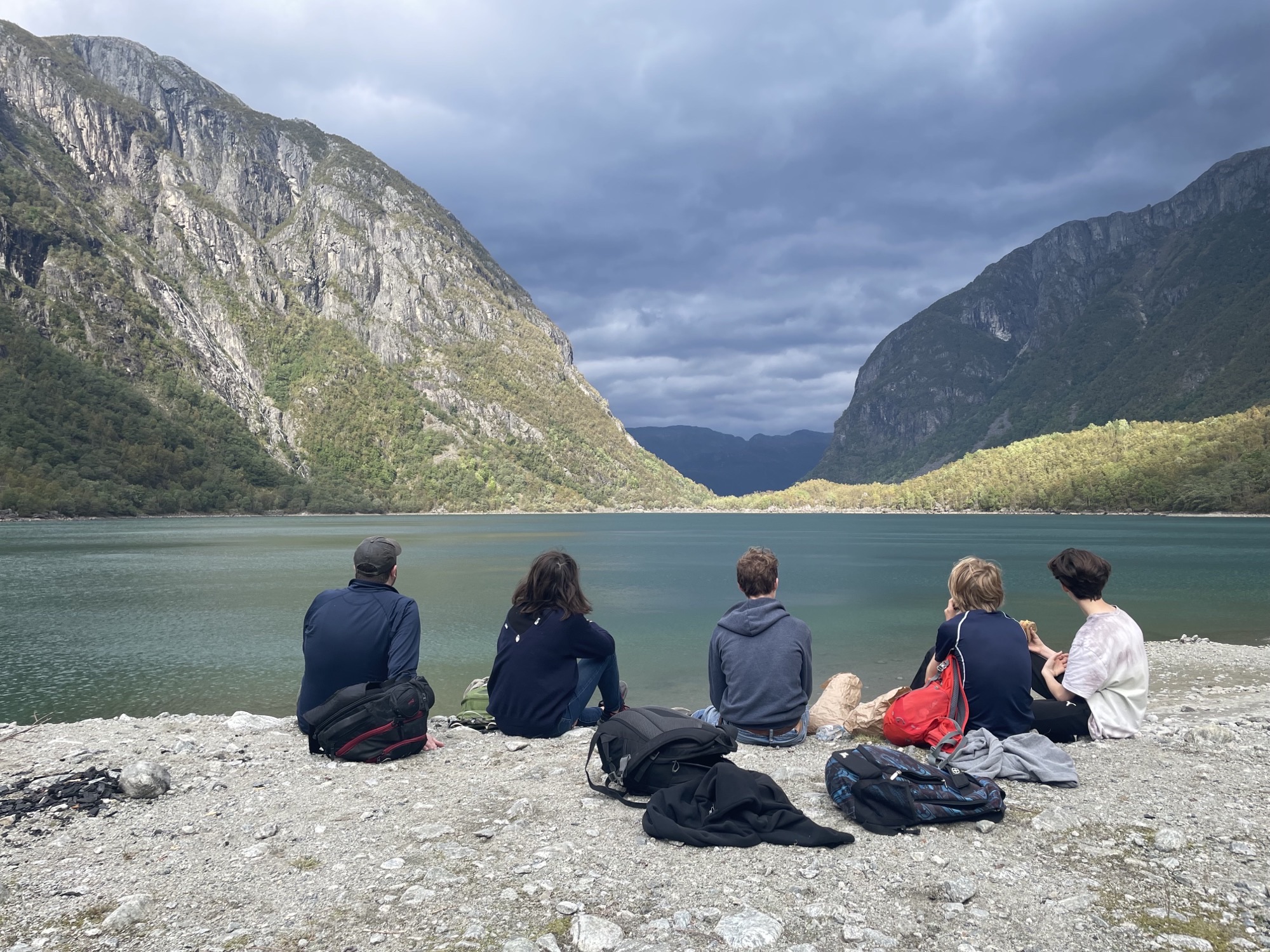
From 21-26 September, Block 5 Geography students visited Norway with Matt Meyer, Hannah Dennis and Henry Stoot to explore glaciated landscapes and hydropower as part of the Geography BAC. This once in a lifetime trip was definitely one to remember, with a multitude of challenging activities including fjord kayaking, hiking, lake swimming and, for the more intrepid, rock climbing and scrambling up sheer cliff faces of fierce waterfalls.

Nature constantly surrounded us, with magisterial mountains and ice blue mineral rich waters enveloping the small town of Odda, where we were based in Hotel Trolltunga. This was a varied trip which included visits to places of tranquil beauty as well as the hustle and bustle of the UNESCO World Heritage site marina of Bergen. The incredibly friendly people – and the overpriced airport food! – left an impression on us that will remain for a long time. We loved Norway and, now back in the UK, we’re missing the adventure and beautiful landscapes. 

British Museum exhibition brings students closer to Ancient Greek epics

By August Janklow and Gus McQuillin, 6.1

6f0a68f4-86bc-4c5a-b316-1b147f0ad86e

On 28 February, those of us in the 6.1 Classics class visited the British Museum’s Troy: Myth & Reality exhibition. It was an extraordinarily well curated collection of anything and everything relating to Troy, in order to help us better understand The Iliad by Homer.

The museum had lots of ancient pieces of art and stories relating to Troy. They had lots of vases and other items of treasury dating back roughly 4,000 years. The artefacts came from museums across the world and also reflected that these stories have inspired artists, sculptors, potters, writers and musicians of every century. A highlight was the massive wood-framed Trojan horse that hung over the main room to bring us into the Trojan world.

Continue reading

Bedales Physicists visit CERN, Geneva

CERN-trip

By Anthony White, 6.2 and Physics Don

On 24 January, 6.2 Physics students were fortunate enough to travel to the largest laboratory for particle research to date – the Conseil Européen Pour La Recherche Nucléaire (CERN) in Geneva. It provides physicists with the ability to accelerate particles to approximately 1.08 billion kilometres per hour, while then observing the results of their collisions.

The first day saw us visiting the Red Cross Museum, an exhibition dedicated to the international humanitarian organisation that brings relief to people in the event of war or natural disaster. In the evening, we visited the History of Science Museum in Lake Side Park. On display were over 800 instruments, mainly used by Swiss scientists, dating back to the 17th century.

Continue reading

Poetry and mud studies at Ashford Hangers Nature Reserve

By Lucy McIlwraith, Teacher of English
Photos by Matilda McMorrow, Librarian

In the English department at Bedales, we like to give students the opportunity to venture outside the classroom to gain a deeper understanding of literature. Over the last couple of years, we’ve visited Thomas Hardy’s cottage in Dorset while studying Tess of the D’Urbervilles; hosted a tea party as part of our work on The Importance of Being Earnest; enjoyed a midnight feast of exotic sensory delights to go with John Keats’ poem, The Eve of St Agnes; and held a fireside evening of poetry-by-heart for Block 3’s study of the oldest forms of English literature.

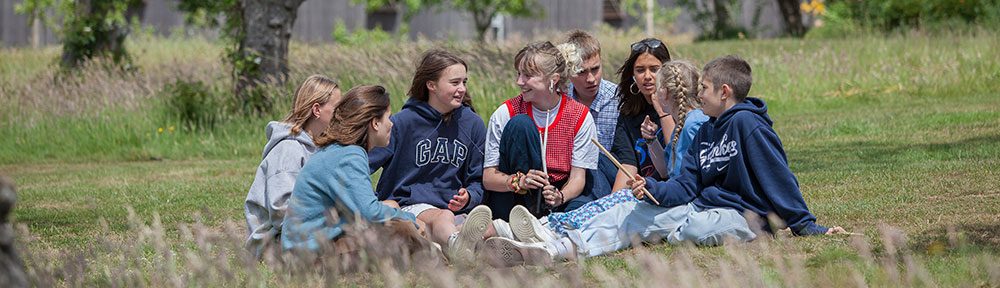
Our latest venture earlier this week gave a 6.1 English Literature class a first-hand experience of writing poetry in finest Hampshire mud. The set are studying Seamus Heaney’s first poetry collection, Death of a Naturalist, which includes lots of descriptions of water, slime and bogs. In order to get under the skin of poems that feature phrases such as ‘bubbles gargled delicately’ and ‘the squelch and slap of soggy peat’, it seemed like a good idea to don wellies (with thanks to Outdoor Work for lending some to white-trainered students) and wallow in the plentiful mud at Ashford Hangers Nature Reserve.

Continue reading

Philosophy, Religious Studies & Ethics students visit Siena and Florence

2.jpg

By Georgie du Boulay, Block 5
Photo by Jake Scott, Block 5

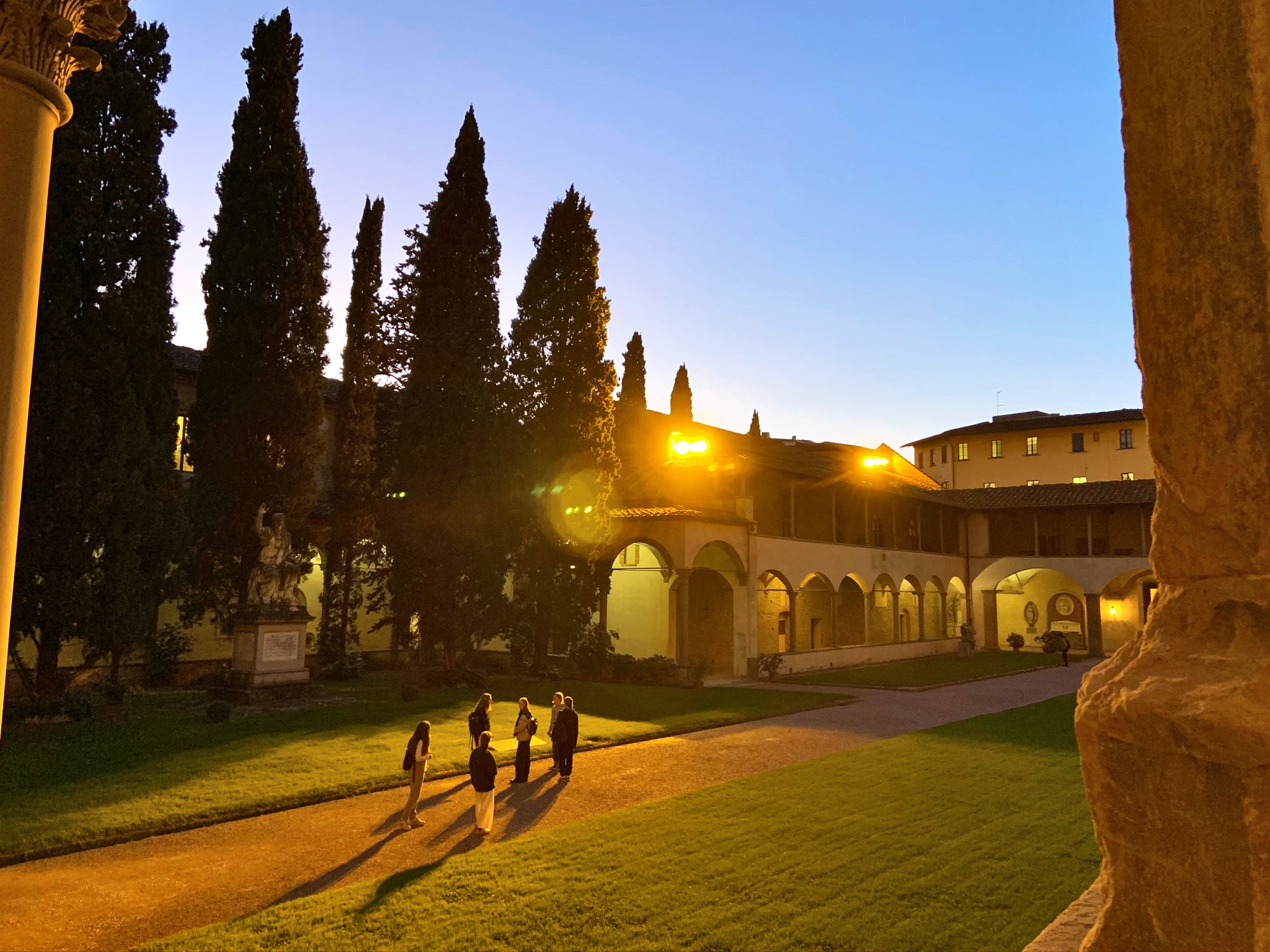
In early December, a group of Block 5 Philosophy, Religion and Ethics (PRE) students ventured to Florence, Italy, along with Clare Jarmy, Al McConville, Alastair Harden and Nick Meigh.

On our first day, we took a coach to Siena, where we visited its cathedral and the Palazzo Pubblico, where we sat and discussed Ambrogio Lorenzetti’s Allegory of Good and Bad Government – a series of three fresco panels which line three walls of the room in the palace where Siena’s chief magistrates, Sala dei Nove, held their meetings – with our upcoming utopia projects in mind.

For the rest of the trip we stayed in Florence, exploring the widely celebrated Le Gallerie Delgi Uffizi and other renowned Florentine cultural highlights, as well as visiting the Santa Croce Christmas market for some festive gift shopping!

Continue reading